Biodiversity Conservation
BIODIVERSITY CONSERVATION
Biodiversity conservation refers to the efforts made to protect the natural environment and its diverse range of plant and animal species. This can be achieved through various methods such as preserving natural habitats, promoting sustainable living practices and restoring damaged ecosystems.
By conserving biodiversity, we not only maintain the balance of the environment but also reap several social and economic benefits. These include safeguarding resources for future generations, supporting livelihoods dependent on natural resources, and promoting ecotourism and recreational activities.
Preserving biodiversity is crucial because it ensures the maintenance of essential ecological diversity, which is necessary for keeping food chains intact. By conserving biodiversity, we also protect the genetic diversity of plants and animals.
This preservation guarantees a continuous supply of ecosystem products and services and promotes the sustainable use of available resources.
Simply put, safeguarding biodiversity helps ecosystems function properly, supports the balance of nature, and ensures that we can continue to benefit from the natural world.
Why biodiversity must be conserved?
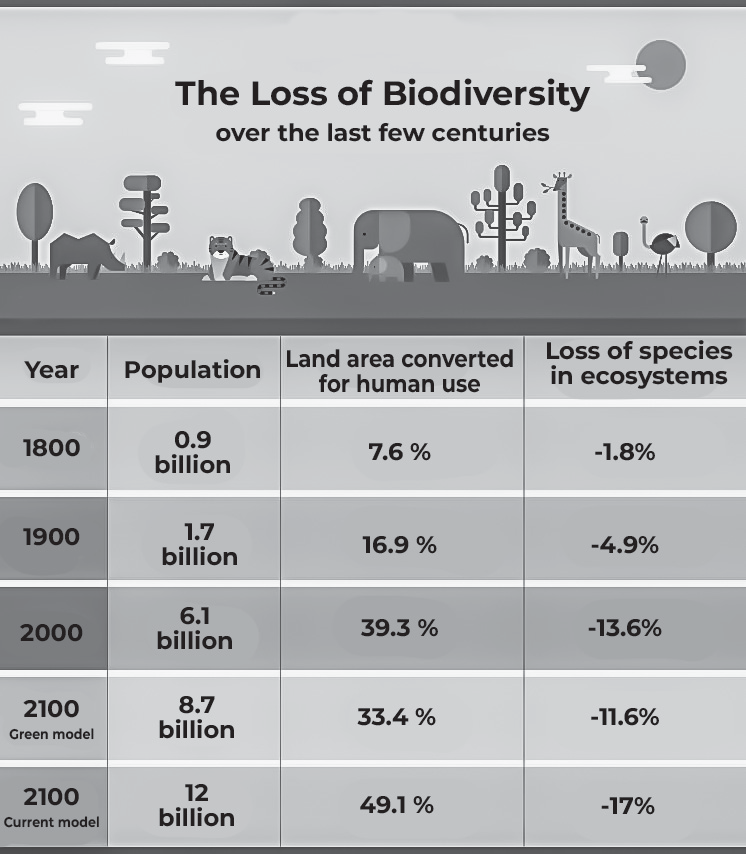
Reversing biodiversity loss
Biodiversity is essential for sustaining all life on Earth, including humans. Healthy ecosystems provide us with oxygen, food, and other resources we need to survive. Even though we may not always appreciate them, every living thing, including bugs and germs, plays a vital role in maintaining biodiversity. Humans rely on biodiversity in many ways. For example, pollinators like bees and birds help produce a third of the world’s crops, including fruits like apples, cherries, and blueberries.
Invertebrates in the soil keep it healthy for growing crops, and microbes in the soil release nutrients that plants need to grow, which humans also benefit from. Also, marine life provides many people with their main source of animal protein.
Nature provides essential services that benefit both humans and the environment. Trees, shrubs, marshes, and wild grasslands naturally slow down water flow and help soil absorb rainfall, which reduces the risk of floods. Trees and plants also absorb carbon dioxide, helping to fight climate change and clean the air we breathe.
Mangrove forests and coral reefs act as natural barriers, protecting coastlines from storms and waves. Many everyday products, such as rubber and latex, as well as medications, come from plants. Spending time in nature has been shown to improve both physical and emotional well-being, reducing blood pressure, stress levels, and hospital admissions.
Protecting biodiversity is not just about practical benefits; it also has an ethical aspect. Every species has the right to exist, as stated in the 1982 UNGA World Charter for Nature. Encouraging a variety of plant species increases biodiversity, offering more opportunities, especially for farmers who can grow a wider range of crops.
Biodiversity is crucial for maintaining ecosystem balance. Even the extinction of a few species can disrupt the entire ecosystem, causing chain effects throughout the food web. Preserving biodiversity helps keep the environment in its natural balance.
Biodiversity also contributes to climatic stability by helping to regulate global warming. Rainforests, for example, store large amounts of CO2, a greenhouse gas that contributes to climate change. Protecting biodiversity helps maintain this natural balance and guards against environmental disturbances.
Types of Biodiversity Conservation
Protecting biodiversity involves various techniques, including:
Preserving Habitats: Keeping the places where different species live safe is vital for biodiversity conservation. This includes creating protected areas like national parks and wildlife reserves.
Restoring Habitats: Repairing damaged habitats is another way to help biodiversity. This might involve activities like restoring wetlands and planting new trees.
Reducing Habitat Destruction: One of the biggest threats to biodiversity is habitat destruction. By minimizing damage to habitats, we can help conserve the species that live there.
Biodiversity Conservation Efforts
Encourage Sustainable Resource Use: This involves using resources in a way that doesn’t harm the environment or deplete them for the future.
Public Education: Educating people about the importance of biodiversity and the threats it faces is crucial. This includes raising awareness about different species and their habitats.
On-site Conservation: Protecting entire ecosystems helps preserve biodiversity. For example, conserving forests helps protect species like tigers. This approach is called “in-situ” conservation.
Off-site Conservation: In cases where species are at risk of extinction, immediate action may be needed. This involves conserving species outside their natural habitat, known as “ex-situ” conservation.
In-situ Conservation
“In-situ” conservation refers to preserving genetic resources within the natural habitats of plant or animal species. It is also known as "on-site" or "in-place" conservation.
In India, various legally protected areas such as biosphere reserves, national parks, sanctuaries, reserved forests, protected forests, and nature reserves safeguard areas rich in biodiversity.
Activities like plantation, agriculture, grazing, logging, hunting, and poaching are prohibited within these protected areas like biosphere reserves, national parks, and wildlife sanctuaries.
Currently, India boasts 18 biosphere reserves, 104 national parks, over 550 wildlife sanctuaries and 131 marine protected areas to protect its biodiversity.
The Indian Prime Minister chairs the National Board for Wildlife (NBWL), which sets the country’s policy framework for wildlife conservation.
The National Wildlife Action Plan (2002-2016), approved in 2002, emphasized public involvement and support for wildlife protection.
In-situ conservation is a crucial part of global biodiversity conservation efforts. It’s the least invasive and most cost- effective approach, allowing us to protect species and their habitats while minimizing negative environmental impacts.
In-situ conservation focuses on preserving species within their natural habitats. This can be achieved through various methods such as creating protected areas, maintaining natural environments, practicing sustainable
land-use techniques, conducting research, and raising public awareness about biodiversity conservation.
In-situ conservation is often more effective than ex situ conservation because it preserves the natural ecology of species and ecosystems. It’s also more adaptable to changing environmental conditions and more cost-effective.
Ex-situ Conservation
Ex-situ Conservation involves taking vulnerable plants and animals out of their natural habitats and placing them in a safe location where they can receive special care and protection. It allows researchers to study and learn more about threatened species.
This method includes places like seed banks, botanical gardens, and zoos where these species are kept.
Ex-situ conservation has evolved over time. It’s not just about keeping vulnerable species safe; it’s about going beyond that.
Some animals that have gone extinct in the wild are still kept alive in places like zoos.
With cryopreservation technology, scientists can now preserve the reproductive cells (gametes) of endangered species for long periods.
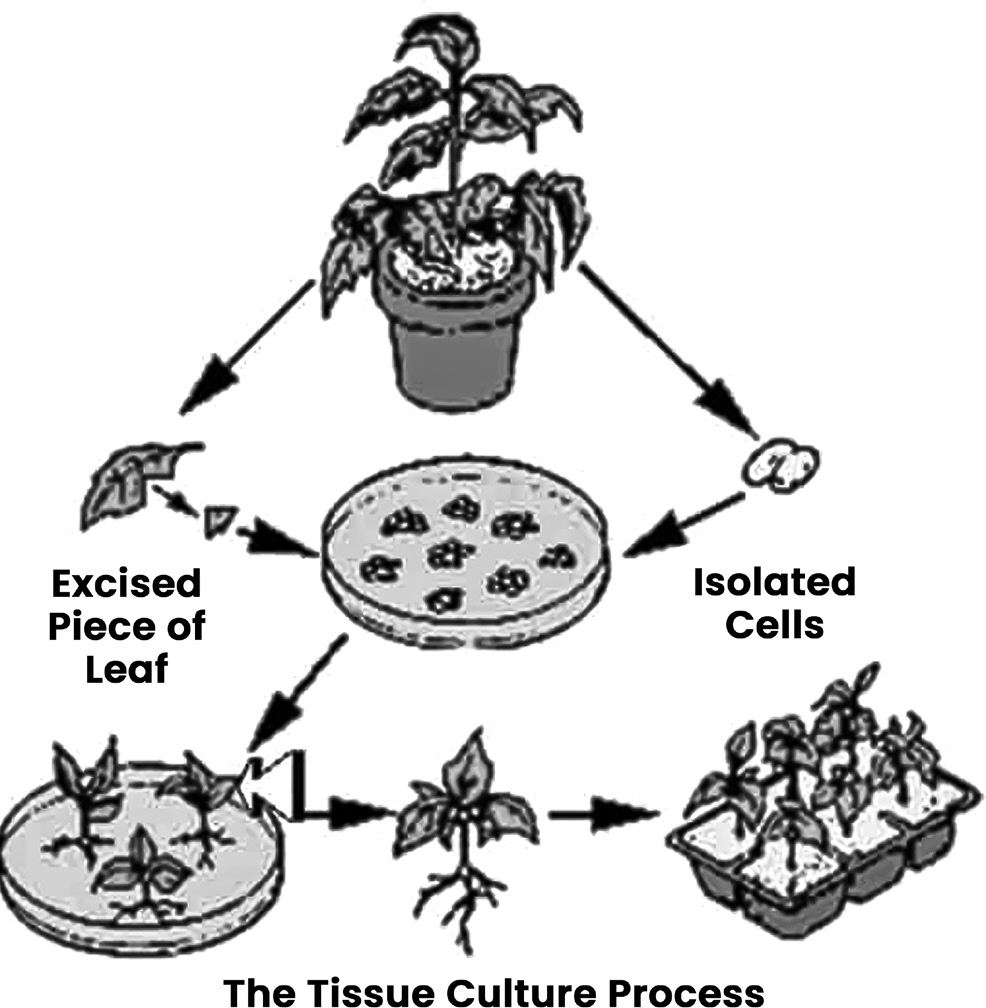
Eggs of endangered species can be fertilized in a lab, and plants can be grown from tiny tissue samples through tissue culture techniques.
Seed banks are like libraries for seeds, where many different types of plant seeds, including those important for agriculture, are stored for future use.
The National Bureau of Plant Genetic Resources (NBPGR) in Delhi is responsible for preserving seeds of unique plant varieties for future generations. They are like guardians of our plant diversity.
Gene Bank
A gene bank is like a special storage facility where genetic material from plants, animals, or other organisms is kept safe.
For plants, this can involve storing tiny pieces of plants in a lab, freezing plant cuttings, or storing seeds in a seed bank.
For animals, genetic material like sperm and eggs can be frozen in special freezers until they’re needed.
Even pieces of coral can be taken and kept in carefully controlled water tanks.
These gene banks use different methods to preserve genetic material, like freezing it at super low temperatures, placing it in artificial environments, or using special nutrient solutions to keep it healthy.
Types of Gene Banks Seed Bank
A seed bank is like a storage place for dried seeds.
These seeds are kept fresh by being stored at very cold temperatures. While seed banks can preserve certain
types of plants like spores and ferns, they can’t store plants that don’t produce seeds, like tuber crops.
The Millennium Seed Bank, located in West Sussex near London, is the largest seed bank in the world.
In vitro bank
In an in vitro bank, small plant parts like buds, protocorm, and meristematic cells are stored in a special nutrient solution that can be either liquid or in a gel-like form. These plants are kept under specific conditions of light and temperature.
This method is used for plants that don’t produce seeds, plants that reproduce asexually, and plants that need to be preserved as exact copies, like commercially important varieties.
Cryobank
Cryobanking involves storing seeds or embryos at extremely low temperatures, usually around -196 C using liquid nitrogen.
This method is particularly useful for preserving endangered species and genetic resources of animals. Plant materials like seeds, pollen, tissue, and embryos can also be stored using cryopreservation.
Unlike other ex situ conservation methods, cryopreservation allows materials to be preserved almost indefinitely without degradation.
This technique is also used to preserve cattle genetics. While some species cannot be cryopreserved due to technical limitations, ongoing research in cryobiology, especially in plant-related studies, aims to address these challenges.
Field Gene Bank
A field gene bank is a method used to grow plants while preserving their genes.
It involves creating an artificial ecosystem where various plant species can be cultivated and studied.
This approach allows for the comparison of different plant varieties and helps preserve the genetic diversity of important crops. Field gene banks require suitable soil, space, and environmental conditions to maintain the germplasm of crops.
For example, the Central Rice Research Institute in Orissa preserves around 42,000 different types of rice using this method.
Do You Know? National Gene Bank
The National Gene Bank (NGB) was established in 1996 97 and is hosted by the National Bureau of Plant Genetic Resources (NBPGR) in New Delhi. Its main purpose is to preserve plant genetic resources (PGR) like seeds, pollen, and genomic materials for future generations. The NGB has four different facilities to support long- and medium-term conservation:
• Seed Genebank, which stores seeds at -18°C • Cryo-genebank, which preserves genetic material at very low temperatures (-170°C to -196°C) • In vitro Genebank, which maintains plant cells in nutrient media at 25°C • Field Genebank, which cultivates plants in an artificial ecosystem Other such facilities around the world and in India • Svalbard Global Seed Vault: Located in Norway, it houses the world’s largest seed collection, serving as a backup storage facility for seed samples from around the globe. • Seed Vault in Chang La, Ladakh: India has its own seed vault located in the Himalayan town of Chang La in Ladakh. • National Animal Gene Bank: Established by the National Bureau of Animal Genetic Resources (NBAGR) in Karnal, Haryana, India, this gene bank aims to conserve the genetic diversity of indigenous livestock species.
National Medicinal Plants Board The National Medicinal Plants Board (NMPB) was established by the Indian government on November 24, 2000, under the Ministry of AYUSH (Ayurveda, Yoga & Naturopathy, Unani, Siddha & Homoeopathy). Its primary objective is to promote the medicinal plant industry by coordinating efforts across various ministries, departments, and organizations. The NMPB works to implement policies and programs aimed at enhancing the growth of the medicinal plant sector, including aspects such as cultivation, trade, and export, at both national and international levels.
National Bureau of Plant Genetic Resources
In January 1977, the National Bureau of Plant Introduction (NBPGR) was renamed the National Bureau of Plant Genetic Resources. It operates under the Indian Council of Agricultural Research (ICAR). Simply put, it’s an organization that focuses on preserving and studying the genetic resources of plants in India.
Botanical Garden
• A botanical garden is like a living museum for plants, where they are grown and displayed for scientific study, conservation, and education. Visitors can see plants from around the world, identified by their scientific names, and learn about them through guided tours, exhibits, and other activities.
• Botanical gardens are carefully planned collections of trees, shrubs, herbs, and other plants from different regions. They help preserve rare and endangered species, contributing to global biodiversity conservation efforts.
Examples of botanical gardens in India include:
AJC Bose Indian Botanic Garden in Howrah, West Bengal, known for The Great Banyan tree, one of the largest in the world.
Jawaharlal Nehru Tropical Botanic Garden and Research Institute in Trivandrum, Kerala, the largest in India with a vast collection of plant species.
Malabar Botanical Garden and Institute for Plant Sciences in Kozhikode, Kerala, which specializes in aquatic plants.
National Cactus and Succulent Botanical Garden and Research Centre in Haryana, one of India’s largest collections of cactus and succulent plants.
Purpose of Botanical Gardens
Research: They conduct studies on plant growth, taxonomy, and the introduction of non-native plants.
Conservation: Botanic gardens preserve and propagate valuable economic plants from around the world, including endemic, endangered, and threatened species.
Education: They serve as live databases of plants, offering opportunities for public education through displays, tours, and exhibits.
Horticulture: Botanical gardens improve cultivars of regionally significant plants for commercial use through horticulture research and techniques like hybridization and selection.
Preservation: They maintain collections of both native and foreign species, often serving as storehouses for genetic diversity.
Acclimation and Adaptation: Botanic gardens research the acclimation of plants in various environments before releasing them for cultivation in new locations.
Zoological Gardens
A zoo, also known as a zoological garden, animal park, or menagerie, is a facility where animals are kept in enclosures for public viewing and often for breeding programs aimed at conservation.
Zoos serve as venues for both entertainment and
educational purposes, evolving over time to become significant centers for wildlife conservation and environmental education through captive breeding programs.
Tissue culture (storage and propagation)
Tissue culture, used for both storage and propagation, involves maintaining somatic tissue in a controlled environment (In Vitro) for short periods.
This environment regulates temperature and light to control cell growth.
Tissue culture is mainly used to grow clonal plants from small amounts of parent tissue, making it an ex-situ conservation method.
People in Environment
There are several globally renowned environmental philosophers. Each of such thinkers looked at the environment from a completely different perspective. The names that are typically cited among individuals who made significant contributions include:
• Charles Darwin: He wrote “Origin of Species,” which showed how species are connected to their environment through evolution. This changed how people thought about their relationship with animals.
• Alfred Wallace: He reached similar conclusions to Darwin and emphasized the importance of understanding how species interact with their environment.
• Ralph Emerson: In the 1840s, he warned about how trade was harming the environment.
• Henry Thoreau: He wrote in the 1860s about the need to protect wilderness after spending time living in nature.
• John Muir: He protected old sequoia trees in California and founded the Sierra Club in the 1890s to promote conservation.
• Aldo Leopold: In the 1920s, he created regulations to manage animals and protect natural areas while working as a forest official in the US.
• Rachel Carson: Her writings in the 1960s, including “Silent Spring,” raised concerns about the harmful effects of pesticides on the environment and people.
• EO Wilson: He emphasized the importance of biological diversity to human life and wrote “Diversity of Life” in 1993, which highlighted the threats to ecosystems caused by human activity.
These individuals have played key roles in shaping environmental conservation in India:
• Salim Ali: Known for his work in ornithology and conservation, he influenced environmental laws for over 50 years.
• Indira Gandhi: As Prime Minister, she expanded protected areas and drafted the Wildlife Protection Act, showing strong support for wildlife conservation.
• S P Godrej: Recognized for his efforts in environmental awareness and wildlife protection, receiving numerous honors including the Padma Bhushan.
• M S Swaminathan: Noted agricultural expert who established the MS Swaminathan Research Foundation to conserve biodiversity.
• Madhav Gadgil: Renowned environmentalist with interests in diverse ecological concerns, including wildlife behavior and biodiversity preservation.
• M C Mehta: A leading environmental lawyer who has initiated many Public Interest Litigations to promote environmental conservation, including landmark cases like protecting the Taj Mahal and cleaning the Ganges River.
• Anil Agarwal: Journalist who authored the initial report on the “State of India’s Environment” and founded the Center for Science and Environment to advocate for environmental causes.
• Medha Patkar: Advocate for the rights of tribal people affected by dam construction on the Narmada River.
• Sunderlal Bahuguna: Leader of the Chipko Movement, a grassroots conservation effort, known for his activism against the Tehri Dam and dedication to environmental protection in the Garhwal Hills.
Historic Citizen Movements to Conserve Biodiversity Sunderlal Bahuguna
• Sunderlal Bahuguna, a prominent environmentalist known for leading the Chipko and Tehri dam movements, passed away in 2021 due to COVID-19.
• He was widely recognized as the Defender of Himalayas and Environmental Gandhi. Bahuguna was deeply influenced by Gandhian principles such as Satyagraha, non-violence, and self-reliance. • He strongly advocated for the idea that “Ecology is permanent economy,” emphasizing the intrinsic connection between environmental conservation and sustainable economic development
Chipko Movement
The Chipko Movement, which means “To Hug,” is a social-ecological movement that originated in India. It traces back to incidents like the one in Khejarli Village, Jodhpur, dating back to 1730 AD.
The movement employs Gandhian principles of satyagraha and peaceful resistance, with participants hugging trees to prevent them from being felled.
One notable event involved the Bishnoi community, led by Amrita Devi, sacrificing their lives to protect the Khejri trees, which hold significance as the state tree of Rajasthan. The Bishnoi community considers these trees sacred and vital for their ecosystem.
The first Chipko movement in independent India was sparked in April 1973 when the government granted land inside a forest in the Upper Alakananda Valley (which later became part of the Uttarakhand region; at the time, it was in Uttar Pradesh) to a manufacturer.
Role of Sunderlal Bahuguna
Sunderlal Bahuguna played a crucial role in the Chipko Movement:
He mobilized support for the cause by embarking on a 5000-kilometer walk between villages.
His efforts bore fruit when he met with Prime Minister Indira Gandhi in 1980, resulting in a 15-year moratorium on the felling of green trees.
Role of Women in the Movement
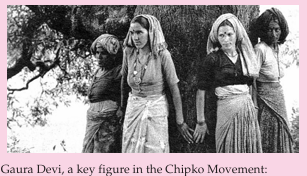
• She noticed loggers cutting trees in Reni Village and organized women to confront them. • She symbolically threatened to sacrifice herself to protect the trees, referring to them as “Mother home” and “God of Forest
Her actions highlighted the significance of women in the movement, leading to its characterization as the Women’s Movement. • The movement gained momentum in the 1980s and influenced the enactment of forest laws sensitive to the needs of local communities, halting indiscriminate treecutting in regions like the Western Ghats
Appiko Movement:
• “Appiko” is the Kannada word for hugging. • Inspired by the success of the Chipko Movement in North India, the Appiko Movement emerged. • Originating in Karnataka in 1983, it triggered a wave of environmental awareness and activism across southern India.
Anti-Tehri Dam Protest:
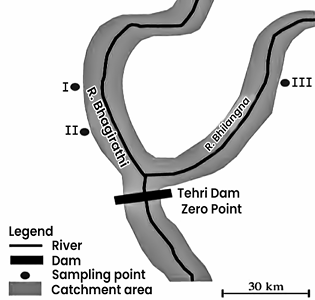
• The Tehri Dam is a 2,400-megawatt multifunctional dam situated on the Bhagirathi River, a tributary of the Ganga in Uttarakhand. • It holds the distinction of being India’s tallest dam and is situated in the Himalaya Seismic Gap, a significant fault zone prone to earthquakes and landslides. • Concerns have been raised about the potential for downstream flooding to cause significant harm to public life. • Sunderlal Bahuguna played a prominent role in opposing the construction of the Tehri Dam in the Garhwal region of Uttarakhand.