Important Species
IMPORTANT SPECIES
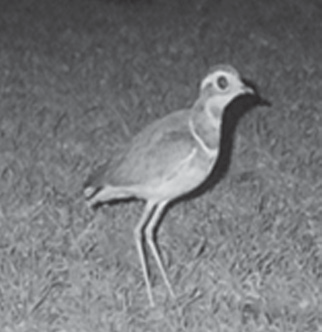
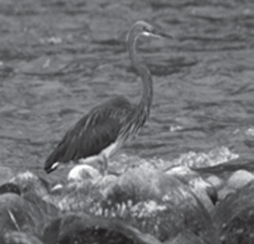
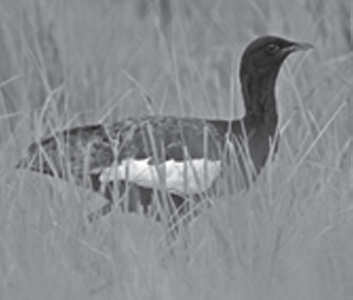
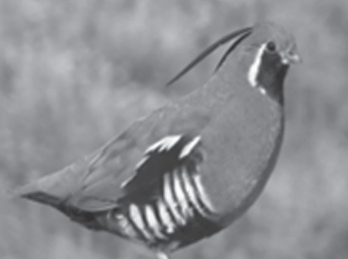
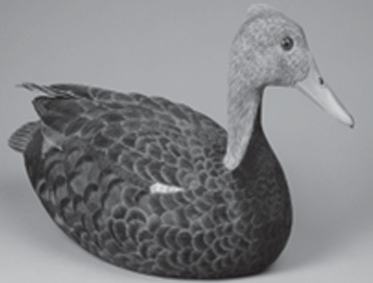
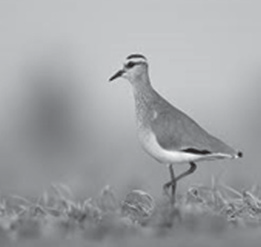
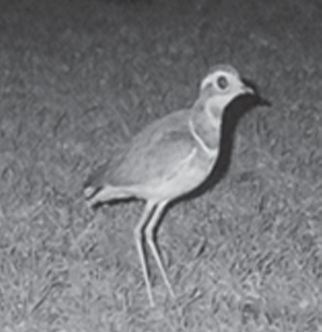
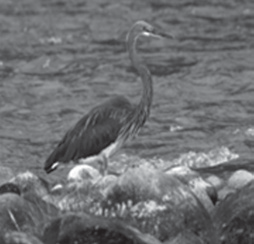
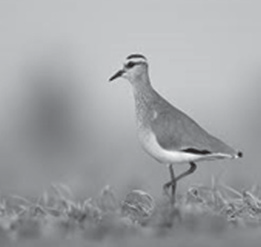
| Spoon Billed Sandpipe | Habitat: They are found in Coastal areas with sparse vegetation and distributed along the coastlines of West Bengal, Orissa, Kerala and Tamil Nadu. Conservation Status: IUCN: Critically Endangered |
| Siberian Crane | It is protected under the Convention on Migratory Species and spread over entire Central Asian Flyway. Distribution: In India, their primary resting ground is Keoladeo National Park in Rajasthan. Conservation Status: IUCN: Critically Endangered WPA: Schedule I CITES: Appendix I |
| Forest Owlet | They are found in the dry deciduous forests of Maharashtra and Madhya Pradesh. Conservation Status: IUCN: Endangered WPA: Schedule I CITES: Appendix I |
| Great Indian Hornbill | It is designated as the State bird of Kerala & Arunachal Pradesh. The famous Hornbill festival is Celebrated in Nagaland. Habitat: Their populations is densely based in the forest regions of Western Ghats and North East India Conservation Status: IUCN: Vulnerable WPA: Schedule I CITES: Appendix I |
| Black Necked Crane | They are identified as the State bird of Jammu & Kashmir. They have been given the protection under the Convention on Migratory Species. Their inhabitation is found in Alpine meadows, lakeside & riverine marshes of Tibetan plateau & are prone to migrates to Tawang for the winter. Conservation Status: IUCN: Near Threatened WPA: Schedule I CITES: Appendix I |
| The Himalayan bulbul/ white-cheeked bulbul | Habitat: Spread across Forests and Shrubland, gardens and parks of Himalayan regions Conservation Status: IUCN: Least Concern |
| Greater Adjutant Storks | One of the most revered gods in Hinduism, Vishnu, is said to ride it. Distribution: The Greater Adjutant, formerly widespread throughout South and Southeast Asia, is among the world’s most endangered stork species. There are just three known breeding sites: two in India (Assam and Bihar) and one in Cambodia. Conservation Status: IUCN: Endangered |
| Sispara Day Gecko | They can be spotted in Nilgiri Hills of Western Ghats. Conservation Status: IUCN: Near Threatened |
| Pondicherry Shark | They are widely distributed in across Indo-Pacific such as Gulf of Oman to Pakistan, India & Sri Lanka. Conservation Status: IUCN: Critically Endangered WPA: Schedule I |
| Ganges Shark | Distribution: It occurs in the turbid waters and southern slow flowing waters of Ganga River (Padma River), Brahmaputra River. Conservation Status: IUCN: Critically Endangered WPA: Schedule I |
| Largetooth Sawfish | Distribution: They are widely distributed around the world and mainly found in Australia, Brazil and Indo-Pacific, however in India they are famously found in Mahanadi River Conservation Status: IUCN: Critically Endangered WPA: Schedule I CITES: Appendix I |
| Long-comb Sawfish/Narrow- snout Sawfish | Habitat: tropical & sub-tropical waters Distribution: Indo-Pacific region including Australia, Cambodia, China, India, Indonesia and Malaysia. Conservation Status: IUCN: Critically Endangered WPA: Schedule I CITES: Appendix I |
| Knifetooth Sawfish/Narrow Sawfish | Conservation Status: IUCN: Endangered WPA: Schedule I CITES: Appendix I |
| RameshwaramParachute Spide | Habitat: Arboreal (living in trees) Distribution: Coastal savannah, tropical lowland rain forests and montane forests Conservation Status: IUCN: Critically Endangered CITES: Appendix II |
| GootyTarantula/Metallic Tarantula/Peacock Tarantula | Distribution: Endemic to Eastern Ghats South India especially in Andhra Pradesh Conservation Status: IUCN: Critically Endangered CITES: Appendix II |
| Firecorals(Milleporaboschmai) | Fire corals are found in tropical and subtropical environments, and they are not true corals but are instead resemble to Hydra". They also have a vivid, yellow-green to brown skeleton coating. Conservation Status: IUCN: Critically Endangered WPA: Schedule I CITES: Appendix II |
| Caracal Cat | Habitat: Forests, savannas, marshy lowlands, semi-deserts & scrub forests Distribution: Rajasthan & Gujarat Conservation Status: IUCN: Least Concern WPA: Schedule I CITES: Appendix I |
| Hump Backed Mahseer (Tiger of the Water) | Distribution: They are endemic to Western ghats of South India and easily available in Godavari and Krishna rivers. Conservation Status: IUCN: Critically Endangered |
| Mainland Serow | It is designated as the State Animal of Mizoram and are not found on extremely high altitudes. They can be easily spotted in Eastern Himalayan region between 2,000 m & 4,000 m. Conservation Status: IUCN: Vulnerable WPA: Schedule I CITES: Appendix I |
| Malayan Giant Squirrel | Habitat: Evergreen & semi-evergreen forests Distribution: North-Eastern States Conservation Status: IUCN: Near Threatened WPA: Schedule I CITES: Appendix II |
| Red Sanders | Usage: Santalin (red pigment used as food colorant and dye) and timber used for furniture. The primary reason for the reduction in sandalwood output is the Sandalwood Spike Disease (SSD), which is brought on by phytoplasma bacterial parasites of plant tissues. Natural habitat: Arid tropical forest. Distribution: Southern regions of the Eastern Ghats, Andhra Pradesh and Kerala, Tamil Nadu and Karnataka, and the Palakonda and Seshachalam hill ranges. Conservation Status: IUCN: Endangered CITES Listed: Appendix II |
| Indian Rosewood/ Sheesham | Indian Rosewood, also known as Sheesham, is the state tree of Punjab and is commonly found in the foothills of the Himalayas. It can also be found in various locations from Afghanistan in the west to Bihar in the east. Conservation Status: IUCN: Vulnerable CITES: Appendix II |
| Komodo Dragons (World’s Largest Lizard) | These venomous species are found in only Komodo National Park which is also a UNESCO World Heritage Site of Indonesia. They are Endemic to Indonesia. Conservation Status: IUCN: Vulnerable CITES: Appendix I |
| GoldenBirdwing(India’s Largest Butterfly) | Distribution: Northern India, Nepal, Burma, China etc. Conservation Status: IUCN: Least Concern CITES: Appendix II |
| Saiga Antelope | Habitat/Distribution: Steppes of Central Asia, Mongolia & Russia (only found in one location in Russia) etc. It is also included under the Convention on Migratory Species (CMS) Conservation Status: IUCN: Critically Endangered WPA: Schedule I CITES: Appendix II |
| Globba Andersonii (Dancing Ladies/ Swan Flowers) | Habitat & Distribution: Teesta River Valley region (Sikkim Himalayas & Darjeeling hill ranges). Conservation Status: IUCN: Endangered |
| Gaur/Indian Bison (Domesticated Form = Mithun) | The sole natural bison breeding center in the India is located in Tripura at the Trishna Wildlife Sanctuary. Habitat: South and Southeast Asian deciduous, semi-evergreen, and evergreen forests. Distribution: The national parks of Nagarhole, Bandipur, and Masinagudi in India are home to them. Conservation Status: IUCN: Vulnerable WPA: Schedule I CITES: Appendix I |
| White spotted wedgefish/ Bottlenose wedgefish | Distribution: Red Sea, Persian Gulf, and western Indian Ocean. Conservation Status: IUCN: Critically Endangered CITES: Appendix II |
| IndianPangolin/Thick-Tailed Pangolin | This animal is an insectivore; it is nocturnal and spends the day sleeping in deep burrows; females are typically smaller than males and have one pair of mammae. Although the Indian pangolin cannot climb trees, it appreciates having trees, bushes, and plants in its environment because it makes digging holes around them simpler. Danger: Scales are fashioned into rings or charms or used as an aphrodisiac. The skins are used to make leather products, such as shoes and boots. Habitat: Hilly locations, dry areas, and desert regions; grasslands and secondary woodlands. Conservation Status: IUCN: Endangered WPA: Schedule I CITES: Appendix I |
| Chinese Pangolin | Habitat: Agricultural fields, grasslands, coniferous woods, limestone forests, bamboo forests, tropical forests, and broadleaf forests. Distribution: Bangladesh, Myanmar, Bhutan, northeastern India, etc. Conservation Status: IUCN: Critically Endangered WPA: Schedule I CITES: Appendix I |
| Pangolins are scaly anteater mammals belonging to the Pholidota order. Their skin is covered in enormous, protective keratin scales. Of the eight species of pangolins, Chinese and Indian pangolins are found in India. Indian PangolinChinese Pangolin Bigger ScalesSmaller scales Terminal Scale is presentTerminal Scale is absent. Weight goes from 1.5 kg to 1.8 kgWeight is roughly 500 to 700 grams. IUCN Status: EndangeredIUCN Status: Critically Endangered | |
| Tokay Gecko | The Tokay Gecko is a species of gecko. Threats: Used in Southeast Asian and Chinese traditional medicine. Habitat: Rainforest, where it resides on trees and cliffs. It also commonly adapts to rural human settlements, where it spends the night-time hours prowling walls and ceilings in search of insect meal. Spread: Southeast Asia and Northeast India. Conservation Status: IUCN: Least Concern CITES: Appendix II |
| Golden cat | Habitat: Across eastern Nepal through north-eastern India to Indonesia. Conservation Status: IUCN: Near Threatened WPA: Schedule I CITES: Appendix I |
| Purple Frog | The Purple Frog spends most of its life underground and only comes out during the beginning of the year to mate and lay eggs. It is found exclusively in the southern Western Ghats, mainly in Kerala. Conservation Status: IUCN: Endangered |
| Gharial (Longest) | Gharials, the longest crocodiles, primarily eat fish. They are found in clean river waters, particularly in the National Chambal Sanctuary across Uttar Pradesh, Rajasthan, and Madhya Pradesh, as well as in rivers like the Son, Gandak, Hoogly, and Ghagra. They can also be found in the Satkosia Sanctuary in Odisha. Conservation Status: IUCN: Critically Endangered WPA: S chedule I CITES: Appendix I |
| Mugger/BroadSnouted Crocodile | The Mugger, or Broad-Snouted Crocodile, likes to live in shallow, slow-moving water. It can be found in freshwater lakes, rivers, marshes, and even man-made reservoirs and irrigation canals. These crocodiles are found all over India but are extinct in Bhutan. Conservation Status: IUCN: Vulnerable WPA: Schedule I CITES: Appendix I |
| Saltwater Crocodile (Largest) | They are distributed across Odisha’s Bhitarkanika Wildlife Sanctuary, Andaman and Nicobar Islands coasts & Sundarbans. Conservation Status: IUCN: Least Concern WPA: Schedule I CITES: Appendix I |
| Star Tortoise | Habitat: Dry areas and scrub forest. Distribution: West Bengal and Gujarat. Conservation Status: IUCN: Vulnerable WPA: Schedule II CITES: Appendix I |
| Note: "All tortoises are turtles but not all turtles are tortoises" |
| Indian/GangesSoftshellTurtle | Distribution: Ganges, Indus, and Mahanadi. Conservation Status: IUCN: Endangered WPA: Schedule I CITES: Appendix I |
| Northern River Terrapin/ Four Toed River Terrapin | Habitat: West Bengal (Sundarbans) Conservation Status: IUCN: Critically Endangered WPA: Schedule I CITES: Appendix I |
| Red Crowned Roofed Turtle/ Bengal Roof Turtle | They like to stay in deep, flowing rivers. However, they have terrestrial nest sites in Bengal, Orrisa and Andhra Pradesh Conservation Status: IUCN: Critically Endangered CITES: Appendix II |
| Indian Narrow Headed/Small Headed Softshell Turtle | Distribution: Indus, Ganges, Godavari, and other rivers basins of India, Nepal and Bangladesh. Conservation Status: IUCN: Endangered WPA: Schedule IV CITES: Appendix II |
| Black Softshell Turtle | They are found swimming in Lower Brahmaputra River. Conservation Status: IUCN: Critically Endangered CITES: Appendix I |
| OliveRidleyTurtles(Smallest) | Olive Ridley Turtles, the smallest of their kind, nest together in large groups in the Pacific, Atlantic, and Indian oceans. They prefer warm, tropical waters and have major nesting sites at places like the Gahirmatha Marine Sanctuary and Rushikulya Rookery Coast. Conservation Status: IUCN: Vulnerable WPA: Schedule I CITES: Appendix I |
| Peacock Soft-shelled Turtle | Habitat: Rivers, streams, lakes and ponds with mud or sand bottoms. Distribution: Mizoram, Assam, Bihar, Madhya Pradesh, Odisha, Rajasthan, Uttar Pradesh and West Bengal. Conservation Status: IUCN: Endangered WPA: Schedule I CITES: Appendix I |
| Hawksbill Turtle (Migratory) | Hawksbill Turtles are migratory and prefer to lay their eggs on the warm sands of Tamil Nadu and the Andaman & Nicobar Islands. Conservation Status: IUCN: Critically Endangered WPA: Schedule I CITES: Appendix I |
| Leatherback Turtle (Largest) | Leatherback Turtles, the largest turtles, are found in tropical and subtropical oceans worldwide. In India, they can be found on all beaches along the Eastern Coast. Conservation Status: IUCN: Vulnerable WPA: Schedule I CITES: Appendix I |
| Leopard | Leopards live in various habitats including savannas, rainforests, grasslands, woodlands, and forests along rivers. They can be found across all forested areas in the country. Essentially, they have a wide range of environments where they can live. Conservation Measures: IUCN: Vulnerable WPA: Schedule I CITES: Appendix I |
| AsiaticLion/PersianLion (Surviving only in India) | The Asiatic Lion, also known as the Persian Lion, is found only in India. They live in savannas, thorny woods, and dry forests in tropical and subtropical areas. Specifically, they are found in the Gir National Park. Conservation Status: IUCN: Endangered WPA: Schedule I CITES: Appendix I |
| BengalTiger(NationalAnimal of India & Bangladesh) | The Bengal Tiger is the national animal of India and Bangladesh. It lives in various habitats including mangroves, forests, grasslands, and floodplains. In India, the Sundarbans National Park is home to the westernmost population of Bengal tigers. They can also be found in the Shivalik-Gangetic flood plain, the Central Indian highlands, and the Eastern and Western Ghats. Conservation Status: IUCN: Endangered WPA: Schedule I CITES: Appendix I |
| Indian Flying Fox (Greater Indian Fruit Bat) = Largest Flying Bat in India | The Indian Flying Fox, also known as the Greater Indian Fruit Bat, is the largest flying bat in India. It is active at night and mainly eats ripe fruits. While it was once thought to only eat fruit, it has been observed consuming leaves and insects as well. Indian Flying Foxes also eat flowers, seedpods, bark, cones, and twigs. Their diet changes depending on the season, with a reliance on mango fruits for moisture during fall and spring. They have the potential to spread several viruses to humans. Typically, males are larger than females. Habitat: Found across the Indian Subcontinent. Conservation Status: IUCN: Least Concerned WPA: Schedule II CITES: Appendix II |
| Hoolock Gibbon (Only Ape Found in India) | The Hoolock Gibbon is the only ape found in India. Female Hoolocks have grey-brown fur, which is darker around the breast and neck. They are active during the day, eat insects, and live in trees, swinging through them using their long arms. Hoolocks are the second-largest gibbon species, after the siamang. They are found in the North Bank and Brahmaputra regions, as well as in seven northeastern states of India. There are two main species: the Eastern and Western Hoolock Gibbons. Western Hoolock Gibbon Conservation Status: IUCN: Endangered WPA: Schedule I CITES: Appendix I Eastern Hoolock Gibbon Conservation Status: IUCN: Vulnerable WPA: Schedule I CITES: Appendix I |
| Asian Elephant | The Asian Elephant is found in the Indian subcontinent and Southeast Asia and is the only remaining species in the Elephas genus. Its range extends from Sumatra in the south to Borneo in the east, including India and Nepal. Asian elephants live in various habitats, such as grasslands, tropical forests, and scrublands. They are the largest land animals in Asia but smaller than African bush elephants. Like humans, apes, and certain dolphin species, Asian elephants have a large and highly developed neocortex. World Elephant Day is celebrated on August 12th since 2012 to raise awareness about elephant conservation. Project Elephant is a program dedicated to conserving elephant populations. Asian elephants are nocturnal and primarily herbivorous, meaning they are active at night and feed on plants. Conservation Status: CITES: Appendix I |
| Sumatran Rhinoceros/Asian 2 Horned Rhino (Smallest) | It is the only rhinoceros in Asia with two horns. It is considered to be regionally extinct in India but is found elsewhere. Conservation Status: IUCN: Critically Endangered |
| GreatIndianonehorn Rhinoceros | The Great Indian one-horned Rhinoceros primarily eats plants. The Pobitora Wildlife Sanctuary in Assam is home to the largest population of these rhinos, with 84 individuals spread across 38.80 square kilometers. They live in tropical and subtropical grasslands, savannas, and shrublands, and are native to the Indian Subcontinent. You can find them in places like Manas National Park and Kaziranga National Park in Assam, as well as the Pabitora Wildlife Sanctuary. Conservation Status IUCN: Vulnerable |
| Fishing Cats | The fishing cat is a medium-sized wild cat found in South and Southeast Asia. It lives mainly in wetland areas such as marshes, mangroves, rivers, streams, and oxbow lakes. It’s the official animal of West Bengal. You can find them in places like the Lothian Island Wildlife Sanctuary in the Sundarbans, Dudhwa and Valmiki Tiger Reserves, Bhitarkanika Wildlife Sanctuary, Coringa Wildlife Sanctuary, Krishna Wildlife Sanctuary, and nearby forest reserves. Conservation Status: IUCN: Vulnerable WPA: Schedule I CITES: Appendix II |
| Humboldt Penguins | This species is a migratory bird. It lives in South America, primarily in the Penguin de Humboldt National Reserve in northern Chile, but it can also be found along most of the coastal areas of Peru. It is named so because it lives near the cold waters of the Humboldt Current. Conservation Status: IUCN: Vulnerable CITES: Appendix I |
| Kaiser-i-Hind Butterfly | The Kaiser-i-Hind Butterfly, also known as the “emperor of India,” is a butterfly species that flies at the height of treetops. However, it descends to rest on low plants or vegetation when the morning sunlight is strong. These butterflies are found in small areas of Nepal, Bhutan, and along the Eastern Himalayas in India, including West Bengal, Meghalaya, Assam, Sikkim, and Manipur. Conservation Status: IUCN Red List: Near Threatened WPA: Schedule II CITES: Appendix II |
| Waterwheel plant | It is a rootless aquatic plant which captures small aquatic invertebrates using traps similar to those of the Venus flytrap. The common name originates from the arrangement of the traps in whorls around a central, free-floating stem. This plant species is among the few that can travel quickly. Conservation Status: IUCN: Critically Endangered |
| Allium negianum | A new species of Allium, a genus that includes onions and garlic, was discovered in Uttarakhand in 2019. Allium is a large genus with about 1,100 species worldwide. This particular species grows in sandy soils near rivers, in open grassy meadows, and along streams that originate from snowy areas in alpine meadows. When snow melts, it helps spread the plant’s seeds to suitable locations. These plants are primarily found in the alpine temperate zone of the eastern Himalayas. Around 6% of the plant variety in the country is located in this region, with 85% of the total variety found in the western Himalayas. |
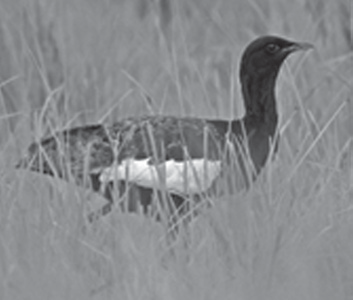
| Great Indian Bustard | The Great Indian Bustard is a bird that holds the distinction of being the state bird of Rajasthan. It prefers habitats like dry grasslands and scrub areas. These birds are often seen in small groups when not breeding. They share their environment with animals like the blackbuck. Their diet is varied, and they are known to eat a wide range of foods. Young birds are frequently observed dust-bathing. When it comes to caring for and incubating the eggs, only female birds are responsible. They are found in regions such as Jaisalmer in Rajasthan, as well as Gujarat, Maharashtra, Karnataka, and Andhra Pradesh. Conservation Status: IUCN: Critically Endangered WPA: Schedule I CITES: Appendix I |
| Amur Falcon (Migratory) | The Tysro Valley Wildlife Protection Society, an NGO, organizes the Amur Falcon Festival in Nagaland, known as the “Falcon Capital of the World.” These falcons primarily hunt while flying, sometimes hovering, but they may also catch prey by landing on the ground. They typically feed late in the evening or early morning, capturing various insects in the air or on the ground. The Amur falcon plays host to three species of lice. They are found in South-Eastern Siberia, Mongolia, and China and migrate to India in winter, and further to Southern Africa. Their habitats include forests, savannahs, grasslands, and wetlands. The Amur falcon is protected under the Convention on Migratory Species (CMS). Conservation Status: IUCN: Least Concerned WPA: Schedule I CITES: Appendix II |
| Irrawady Dolphin | This species thrives in the brackish and freshwater rivers of the Irrawaddy River and Mekong River. Their distribution extends to Chilika Lake in Odisha and Songkhla Lake in southern Thailand. Known by various vernacular names such as loma irawadi, sisumara, lampasut, shushuko, and pa’kha, among others, they are included under the Convention on Migratory Species (CMS). Conservation Status: IUCN: Endangered WPA: Schedule I CITES: Appendix I |
| South Asian River Dolphin (Platanista gangetica) | The South Asian River Dolphin is split into two sub-species: the Ganges River dolphin (P. g. gangetica) and the Indus River dolphin (P. g. minor). These dolphins are found in rivers across India, Bangladesh, Nepal, and Pakistan. A. Ganges River Dolphin (Blind Dolphin) It only survives in freshwater, and it gets its name from the sound it makes as it breathes. Because it is blind, it hunts by making ultrasonic noises. It is the State Aquatic Animal of Assam and the National Aquatic Animal of India. It is listed under the Convention on Migratory Species (not Indus Dolphin). Distribution: they are found in the following river systems Ganges-Brahmaputra-Meghna Karnaphuli-Sangu River systems of Bangladesh & India Sapta Koshi & Karnali Rivers in Nepal. Conservation Status: IUCN: Endangered WPA: Schedule I CITES: Appendix I Following Conservation Efforts have been made for dolphins in India: Vikramshila Gangetic Dolphin Sanctuary in Bihar (Only Sanctuary for Dolphin Conservation). Like Project Tiger, Project Dolphin was initiated to save both river and marine dolphins. Conservation Action Plan for Genetic Dolphin (2010-2020) It is included among 21 species under Integrated Development of Wildlife Habitat (IDWH). To save & enhance population of Dolphin, National Ganga Council was set up. Note: National Ganga Council or NRGBA In 2016, the National Council for Rejuvenation, Protection & Management of River Ganga (NRGBA) was established in accordance with the Environment Protection Act of 1986. The National Ganga River Basin Authority (NGRBA) was disbanded. Jurisdiction: Ganga & Its Tributaries Headed By: Prime Minister B. Indus River Dolphin (P. g. minor) It is the State Aquatic Animal of Punjab. Habitat: they are found in Indus and Satluj River systems. Conservation Status: IUCN: Endangered WPA: Schedule I CITES: Appendix I |
| Spinner Dolphin | The spinner dolphin is a tiny dolphin that may be found in tropical offshore seas worldwide and is well-known for its acrobatic performances. Habitat: Banks, islands, or coastal waters. Range: Almost all tropical and subtropical seas between 40 N and 40 S are home to it. This type of dolphin has an extended rostrum and a triangular or sub-triangular dorsal fin; it is an uncommon animal in Odisha. Conservation Status: IUCN Red List Status: Least Concern CITES: Appendix II |
| Pygmy Hog (World’s Smallest Wild Pig) | Habitat: Generally found in Terai Grasslands. Distribution: Only found in Assam’s Manas Wildlife Sanctuary hence considered as Endemic to India Diurnal and foraging for food during the day, pygmy pigs are the tiniest species of pig in the world. Social creatures, they live in a small family groups with one or two mothers and their younger one's. Ecological Niche: By using their snouts to dig for food, they improve the soil’s quality and disperse plant seeds. They create sturdy nests by excavating little trenches in which to sleep. They were released back into the wild as part of the Pygmy Hog Conservation Programme (PHCP). Conservation Status: IUCN: Endangered WPA: Schedule I CITES: Appendix I |
| Himalayan Brown/Red Bea | Habitat: They can live in Forest, Shrub land, Grassland, Wetlands (inland) and Deserts. Also known as Dzu-Teh. They hibernate in a den throughout the winter and are omnivores. Distribution: They can be easily seen in Nepal, Tibet, North India like Jammu and Kashmir, Himachal Pradesh and Uttarakhand. Conservation Status: IUCN: Critically Endangered WPA: Schedule I CITES: Appendix I |
| HimalayanBlack/Asiaticblack bear/White-Chested Bea | Habitat: They are found in Himalayan forests, North East India, South East Asia, South East China. Their features include Nocturnal & Omnivorous behavior hibernating throughout the winters in the northwestern Himalayas. Conservation Status: IUCN: Vulnerable WPA: Schedule I CITES: Appendix I |
| AndamanWhiteToothed Shrew | It is a Nocturnal species i.e., active in the night. Distribution: It is endemic to the South Andaman Island of India. Conservation Status: IUCN: Critically Endangered |
| Kondana Rat | It is a nocturnal burrowing rodent. Distribution: Endemic to India within Sinhagarh Plateau of Pune Habitat: Generally, they live in Tropical and subtropical dry deciduous forests and tropical scrub. Conservation Status: IUCN: Endangered WPA: Schedule V |
| Large Rock Rat / Elvira Rat | Habitat: They are found to live in the Tropical dry deciduous shrub land forest of Eastern Ghats of Tamil Nadu Conservation Status: IUCN: Critically Endangered |
| Namdapha Flying Squirrel | They are active at night which means they are Nocturnal species, endemic to India Distribution: Found only in Tropical Forest of Namdapha Tiger Reserve in Arunachal Pradesh. Conservation Status: IUCN: Critically Endangered WPA: Schedule I |
| Malabar Civet | Habitat: They are found in Wooded plains and hill slopes of evergreen rainforests in Western Ghats Conservation Status: IUCN: Critically Endangered WPA: Schedule I CITES: Appendix III |
| Grizzled giant squirrel | Distribution: They are distributed along the Kaveri River and Western Ghats of Karnataka, Tamil Nadu and Kerala. Conservation Status IUCN: Near Threatened WPA: Schedule I CITES: Appendix II |
| Kashmir stag/Hangul | It is the last surviving subspecies of Elk (Cervus Canadensis). It is the State animal of Jammu and Kashmir Distribution: They are distributed in Dachigam National Park, where Dense riverine forests, high valleys, mountains are present in Kashmir valley & Himachal Pradesh. It is listed under the Species Recovery Programme. Conservation Status: IUCN: Critically Endangered WPA: Schedule I CITES: Appendix I |
| Red Panda | It is the State animal of Sikkim. Habitat: They are found in Temperate forests of the Himalayas present in Arunachal Pradesh, Meghalaya, Sikkim, and West Bengal. India hosts the 2nd largest population after China. Conservation Status: IUCN: Endangered WPA: Schedule I CITES: Appendix I |
| Dhole/Indian Wild Dog | Distribution: They are seen in North-East India, South of the Ganges, Central Indian Highlands & Western and Eastern Ghats. Conservation Status: IUCN: Endangered WPA: Schedule I CITES: Appendix II |
| Eld’s Deer/Thamin/Brow Antlered Dee | Eld’s deer, also known as Thamin or Brow Antlered Deer, is the state animal of Manipur. They are commonly found in the Keibul Lamjao National Park (KLNP) and Loktak Lake in Manipur. Within this species, there is a subspecies known as the Sangai or Dancing Deer. Conservation Status: IUCN: Endangered WPA: Schedule I CITES: Appendix I Habitat: Floating marshy grasslands (Phumdi) of Keibul Lamjao National Park, located in Loktak Lake. |
| Golden langu | Distribution: They are spread over Western Assam & Black Mountains of Bhutan. Conservation Status: IUCN: Endangered WPA: Schedule I CITES: Appendix I |
| White-bellied Musk Dee | Habitat: They are living in Kashmir, Kumaon region of Himalayas and Sikkim. Conservation Status: IUCN: Endangered WPA: Schedule I CITES: Appendix I |
| Hispid hare/ Assam rabbit | Habitat: They are seen in Southern Foothills of the Central Himalayas such as Assam, parts of Bengal and Nepal. Conservation Status: IUCN: Endangered WPA: Schedule I CITES: Appendix I |
| Hog Deer/Pada | Habitat: They live comfortably in Terai region and grasslands in northern India such as Punjab, parts of Haryana, UP, Bihar and plains states of North East India Conservation Status: IUCN: Endangered WPA: Schedule II CITES: Appendix I |
| Lion-tailedmacaque/Wanderoo | The Lion-tailed macaque, also known as the Wanderoo, has both males and females with a striking mane of silver or gray fur surrounding their faces. They also have long, slender tails with a black tuft at the end, which resembles a lion’s tail and gives them their name. These monkeys are active during the day, meaning they are awake and moving around during daylight hours. Habitat: Endemic to Western Ghat, found in Evergreen forests such as Nilgiris, Silent Valley, Periyar, etc. Conservation Status: IUCN: Endangered WPA: Schedule I CITES: Appendix I |
| Nilgiri Tah | It is the largest of 3 Tahr species. It is the State animal of Tamil Nadu. Habitat: It inhabits the montane grasslands of Nilgiri Hills of Western and Eastern Ghats in the states of Tamil Nadu & Kerala. Conservation Status: IUCN: Endangered WPA: Schedule I |
| Nilgiri langur/ Nilgiri leaf monkey | The Nilgiri langur, also known as the Nilgiri leaf monkey, has black hair on its body and golden-brown hair on its head. They usually live in groups of nine or ten monkeys. Their diet consists of leaves, branches, and fruits. These monkeys are found in the states of Karnataka, Tamil Nadu, and Kerala. Conservation Status: IUCN: Vulnerable WPA: Schedule I CITES: Appendix II |
| Four-Horned Antelope/ Chousingha | The Four-Horned Antelope, also known as the Chousingha, is active during the day, meaning it’s awake and moving around in daylight. It eats grass, herbs, bushes, leaves, flowers, and fruits. Most of these antelopes live in India, with some also found in Nepal. They prefer to live in open, dry, deciduous forests, especially in hilly areas like the foothills of the Himalayas, Rajasthan and the Gir National Park in Gujarat. Conservation Status: IUCN: Vulnerable WPA: Schedule I CITES: Appendix III |
| Takin/Gnu Goat/Chamois | Takin, also known as Gnu Goats or Chamois, live in small family groups of about 20 individuals. They are found in the Eastern Himalayan Mountains, specifically in Arunachal Pradesh, Bhutan, and parts of Assam. Conservation Status: IUCN: Vulnerable WPA: Schedule I CITES: Appendix II |
| Nilgiri marten | The Nilgiri marten is the only remaining species of marten in India. They are found exclusively in the Western Ghats, spanning from Kerala to the southern parts of Maharashtra. These martens prefer areas that are away from human activity and disturbance. Conservation Status: IUCN: Vulnerable WPA: Schedule II CITES: Appendix III |
| Barasingha/Swamp Dee | The swamp deer, also called the Barasingha, stands out because its antlers have more than three tines. These deer mainly eat plants and are active at night. They are considered the state animal of Madhya Pradesh and can be found in places like the Kanha Tiger Reserve. Conservation Status: IUCN: Vulnerable WPA: Schedule I CITES: Appendix I |
| Smooth-coated otte | The smooth-coated otter is a social animal that lives in groups of up to eleven individuals. It searches for food along sandy riverbanks and hides under rocks or tree roots. They communicate using sounds like chirps, whistles, and high-pitched cries to express emotions. These otters are found in parts of Pakistan, India, and across Southeast Asia. Conservation Status: IUCN: Vulnerable WPA: Schedule I CITES: Appendix I |
| Oriental small-clawed otter/ Asian small-clawed otte | Oriental small-clawed otter, also known as the Asian small-clawed otter, is the smallest otter species in the world. They live in mangrove swamps and freshwater wetlands in places like Myanmar, the Philippines, and parts of Bengal and Odisha. Conservation Status: IUCN: Vulnerable WPA: Schedule I CITES: Appendix I |
| Clouded leopard | The clouded leopard is the state animal of Meghalaya and lives in lush tropical forests, bushes, and grasslands, typically at altitudes up to 7,000 feet. They can be found in West Bengal, Sikkim, Arunachal Pradesh, Manipur, Meghalaya, Mizoram, Nagaland, and Tripura. The Dampa Tiger Reserve has the highest population density of clouded leopards. Conservation Status: IUCN: Vulnerable WPA: Schedule I CITES: Appendix I |
| Dugong | The dugong is a type of manatee, which is a marine mammal commonly found in warm coastal waters. They eat plants and can live in both fresh and slightly salty water. Unfortunately, they are threatened because they are hunted for their meat and oil. In India, they can be found in the Gulf of Mannar, the Andaman and Nicobar Islands, and the Gulf of Kutch. They are protected under the Convention on Migratory Species (CMS) list. Conservation Status: IUCN: Vulnerable WPA: Schedule I CITES: Appendix I Note: First Dugong Conservation Reserve of India was established in the Palk Bay in Tamil Nadu in 2022 and got recognise by IUCN in 2025 |
| Wild ass / Khur / Ghudkhur / Indian onage | The wild ass, also known as Khur, Ghudkhur, or Indian onager, is mainly found in the Rann of Kutch area. They live in the Indian Wild Ass Sanctuary in the Little Rann of Kutch. These animals graze from sunrise to sunset and eat grass, salty plants, Prosopis pods, crop leaves and fruits, and other vegetation. Conservation Status: IUCN: Near Threatened WPA: Schedule I CITES: Appendix I |
| Chiru/ Tibetan Antelope | The Chiru, also known as the Tibetan Antelope, inhabits open alpine and cold steppe environments such as the Karakoram Wildlife Sanctuary and Changthang Cold Desert Wildlife Sanctuary. Conservation Status: IUCN: Near Threatened WPA: Schedule I CITES: Appendix I |
| Marbled cat | They have rounded ears and a very long tail. Habitat: they can be found in Moist tropical forests of Sikkim and Upper parts of Bengal. Conservation Status: IUCN: Near Threatened WPA: Schedule I CITES: Appendix I |
| Himalayan Tah | The Himalayan Tahr lives in the rugged mountain slopes of the Himalayas, specifically in areas ranging from montane to alpine zones found in states like Himachal Pradesh and Uttarakhand. Conservation Status: IUCN: Near Threatened WPA: Schedule I |
| Markho | It is the official national animal of Pakistan. Habitat: Originally inhabiting the Mountains of Central Asia and in India – found in some parts of Jammu and Kashmir. Conservation Status: IUCN: Near Threatened WPA: Schedule I CITES: Appendix I |
| Blackbuck/Indian Antelope | The Blackbuck, also known as the Indian Antelope, is the state animal of Punjab and is mainly found in the Abohar Wildlife Sanctuary. However, it can adapt and live in various regions including mountains, coastal areas, and deserts. The Blackbuck holds cultural significance as it appears in Mughal miniature paintings and has been found in bone remains at archaeological sites like Dholavira and Mehrgarh. Also, the Bishnoi community reveres the Blackbuck. Conservation Status: IUCN: Least Concern WPA: Schedule I CITES: Appendix III |
| Indian Tent Turtle | The scientific name is Pangshura tentoria and found in the marine area of India, Nepal and Bangladesh. This species of turtle lives in both small as well as large water body. Conservation Status: IUCN: Least Concern (LC) WPA: Schedule I CITES: Appendix II |
| Cocaine Hippos | Cocaine hippos are invasive species found in west indies region particularly in Colombia River. These are very harmful for local flora and fauna. Conservation Status: IUCN: Vulnerable WPA: Schedule IV CITES: Appendix II |
| Indian Grey Wolf | Indian Grey Wolf are found from Southwest Asia to the Indian subcontinent. In India Bankapur Wolf Sanctuary is dedicated for them. They are facing the challenges of dog attack and grassland degradation. Conservation Status: IUCN: Endangered WPA: Schedule I CITES: Appendix I |
| Narwhals | Narwhals are also known as sea Unicorn found in the region of Arctic Ocean. The scientific name of Narwhal is Monodon monoceros. Scientist observing the change in behaviour of Narwhal due to climate change. Conservation Status: IUCN: Least Concern CITES: Appendix II |
| Bar headed Geese | The bird mostly found in Central Asia but migratory to the Indian subcontinent. As per the bird count 2025 the population of waterflow has increased in Pong dam lake sanctuary. These are the indicator on better wetland health. Conservation Status: IUCN: Least Concern (LC) WPA: Schedule II CITES: Not listed |
| Snow Leopard/Ghost of the Mountains/Ounce | The Snow Leopard, also known as the Ghost of the Mountains or ounce, sometimes purrs when exhaling. They make various sounds including meowing, grunting, prustening, and groaning. Snow leopards are part of the Species Recovery Programme and are considered a flagship species for the high-altitude Himalayan ecology. They are found in the Alpine and Subalpine zones of Jammu & Kashmir, Himachal Pradesh, Uttarakhand, Sikkim, and Arunachal Pradesh. Conservation Status: IUCN– Vulnerable WPA – Schedule I CITES – Appendix I |
Difference between African Elephant and Asian Elephant
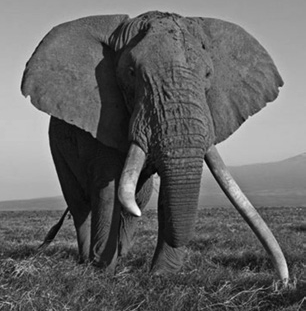
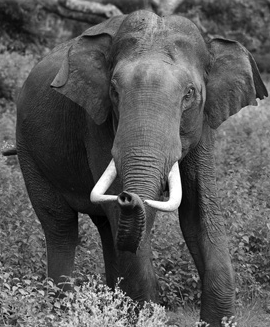
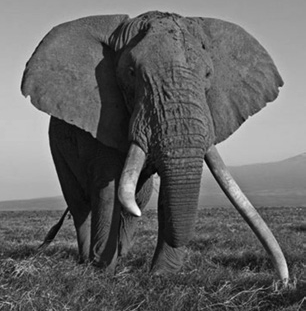
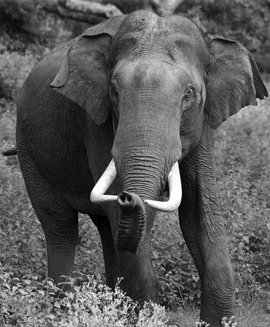
| African Elephant | Asian Elephant |
| IUCN Red List: Vulnerable | IUCNRedList: Endangered |
| CITES: Appendix-1 | CITES: Appendix-1 |