Noise Pollution
NOISE POLLUTION
Noise is any unwanted sound that annoys or hurts our ears.
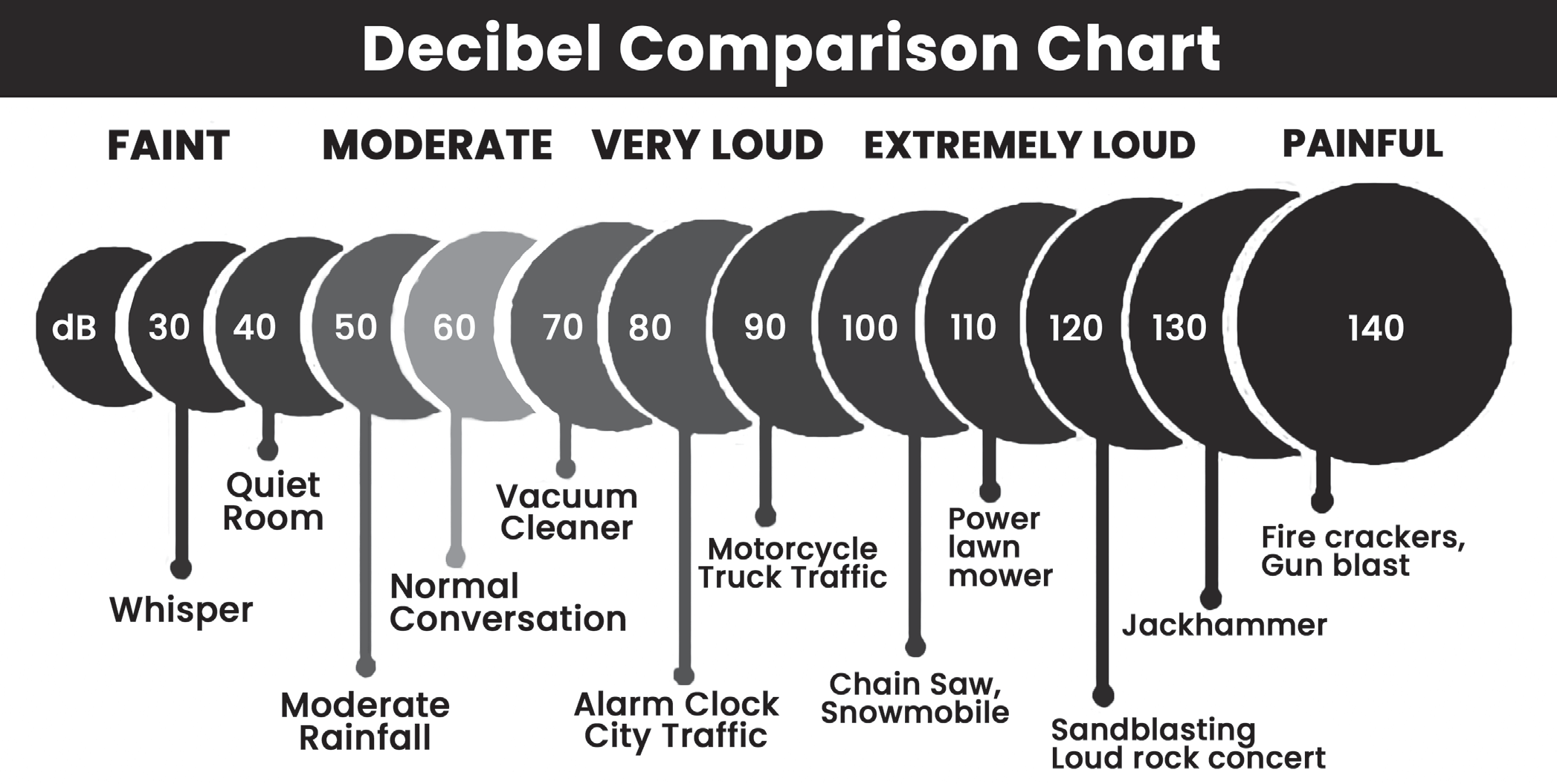
We measure noise in decibels (dB) to know how loud it is.
The World Health Organization says the best noise levels are 45 dB during the day and 35 dB at night.
Our ears can handle up to 85 dB without problems, but anything louder can harm us.
Sounds over 80 dB are loud and dangerous.
Sounds between 100-125 dB are uncomfortable.
In India, the Central Pollution Control Board sets limits on noise levels in different places.
Machines should be quiet enough to stay within these limits.
Permissible noise level in India
| ZONE | DAYTIME (DB) | NIGHT (DB) |
| Industrial Zone | 75 | 70 |
| Commercial Zone | 65 | 55 |
| Residential Zone | 55 | 45 |
| Silent Zone | 50 | 40 |
”Silent zone” refers to areas within 100 meters of places like schools, colleges, hospitals, and courts. These places are considered important for quiet and concentration.
Laws to control Noise Pollution
In the past, noise pollution and its sources were dealt with under the Air (Prevention and Control of Pollution) Act, 1981.
Now, they are regulated separately under the Noise Pollution (Regulation and Control) Rules, 2000, which fall under the Environment (Protection) Act, 1986.
Furthermore, noise standards for things like motor vehicles, air-conditioners, refrigerators, diesel generators, and certain construction equipment are set under the Environment (Protection) Act, 1986.
Noise from industries is regulated by State Pollution Control Boards (SPCBs) under the Air (Prevention and Control of Pollution) Act, 1981
Noise Pollution (Regulation and Control) Rules, 2000
In the Air (Prevention and Control of Pollution) Act, 1981, noise is considered an ‘air pollutant’, according to Section 2(a).
The Act specifies acceptable levels of ambient noise, designates silence zones, and imposes restrictions on activities like using loudspeakers, horns, sound-emitting construction equipment, and setting off fireworks.
Also, the Act assigns responsibility for enforcing these regulations.
SOURCES OF NOISE POLLUTION
Industrialization: The operation of heavy machinery like generators, mills, and large exhaust fans in industrial settings generates excessive noise.
Vehicles: The honking of horns and the increasing number of vehicles on roads contribute significantly to noise pollution, especially in urban areas.
Events: Loudspeakers used at weddings, public gatherings, and festivals to play music can produce unwanted noise that affects the surrounding areas.
Religious and political gatherings: The use of loudspeakers during religious ceremonies or political rallies can contribute to noise pollution.
Construction sites: Activities such as mining and construction of buildings involve heavy machinery and equipment, resulting in high levels of noise pollution.
IMPACT OF NOISE POLLUTION ON HEALTH
Hearing loss: The World Health Organization (WHO) warns that approximately 1.1 billion young people, aged between 12 and 35 years, are at risk of hearing loss due to exposure to excessive noise.
Sleep disturbance: Noise exposure during the night can lead to self-reported sleep disturbance. This disruption of sleep is recognized as a health issue by the WHO. Disturbed sleep can result in fatigue, accidents, and reduced performance.
Physical disorders: Prolonged exposure to high levels of noise can cause temporary deafness, headaches, and an increase in blood pressure among individuals.
It’s worth noting that the intensity of sound is measured in decibels (dB), with the faintest sound audible to the human ear being around 1 dB