Whatsapp 88106-52225 For Details
Get Free IAS Booklet
Get Free IAS Booklet
Non-Renewable Sources of Energy
Fossil fuels, including coal, petroleum, and natural gas, are essentially captured solar energy. Over millions of years, plants and other organisms converted sunlight into chemical energy through photosynthesis. When these organisms died and became buried under layers of sediment, geological processes transformed them into the fossil fuels we use today.
The Carboniferous Period, roughly 275-350 million years ago, is particularly significant for fossil fuel formation. Environmental conditions during this period were especially conducive to the creation of large deposits of these fuels.
Coal
Coal is a type of fossil fuel that originates from ancient plants and vegetation. Over millions of years, these plants and vegetation accumulated and were buried under layers of sediment. Under the intense pressure and heat deep within the Earth’s crust, this organic matter underwent a transformation, resulting in the formation of coal.
Coal is primarily composed of carbon and is categorized into three main grades based on its properties:
Lignite (brown coal)
Bituminous (soft coal)
Anthracite (hard coal)
Formation of Coal
Coal formation began with the accumulation of plant material in freshwater swamps around 300 million years
ago. As plants died and accumulated, they formed layers of organic matter known as peat. The swampy environment prevented the complete decay of this organic matter due to the lack of oxygen.
Over time, the swamps were submerged by oceans, and sediments from the sea were deposited over the peat layers. The weight of these sediments, combined with the heat and pressure from the Earth’s crust, gradually transformed the peat into coal.
Peat, which is the precursor to coal, is still used as a fuel source in some regions, although its high-water content makes it a low-grade fuel. Through centuries of compression by the weight of sediment layers, peat transforms into lignite, also known as brown coal. Lignite has a higher percentage of carbon compared to peat.
Continued pressure and heat further transform lignite into bituminous coal, which is softer and has a higher carbon content. Under even greater heat and pressure, anthracite coal, or hard coal, can form. Anthracite coal has the highest heat and carbon content among coal types.
The energy content of coal increases as it undergoes these transformations, with anthracite coal having the highest energy content and lignite having the lowest.
Note: The sulfur content of coal is significant because when coal with low sulfur content is burned, it emits less sulfur dioxide (SO2). This makes low sulfur coal more desirable as a fuel for power plants because it results in lower emissions of sulfur dioxide, which is a harmful air pollutant.
Problems with Coal Mining
While coal is indeed the most abundant fossil fuel on Earth, its extraction and use come with significant challenges. The problems associated with coal mining, transportation, and use are as follows:
Surface Mining:
Environmental Disruption: Surface mining alters the natural landscape, leading to deforestation and destruction of habitats for various plant and animal species, including endangered ones.
Air and Noise Pollution: Activities like digging, blasting, and removal of rocks and soil generate air and noise pollution, affecting both the environment and nearby communities.
Soil Erosion and Water Pollution: Surface mining can cause soil erosion and silt loading, contaminating streams, canals, and groundwater with sediments and pollutants, disrupting aquatic ecosystems.
Underground Mining:
Land Subsidence: Underground mining operations may result in land subsidence or collapse, leading to structural damage and safety hazards in the affected areas.
Acid Mine Drainage: Acid mine drainage, resulting from the exposure of mine waste to air and water, can pollute water bodies over extended distances, impacting aquatic life and water quality.
Coal Bed Methane: Methane gas trapped in coal seams poses a risk of fires and explosions in underground mines, endangering workers and causing environmental damage.
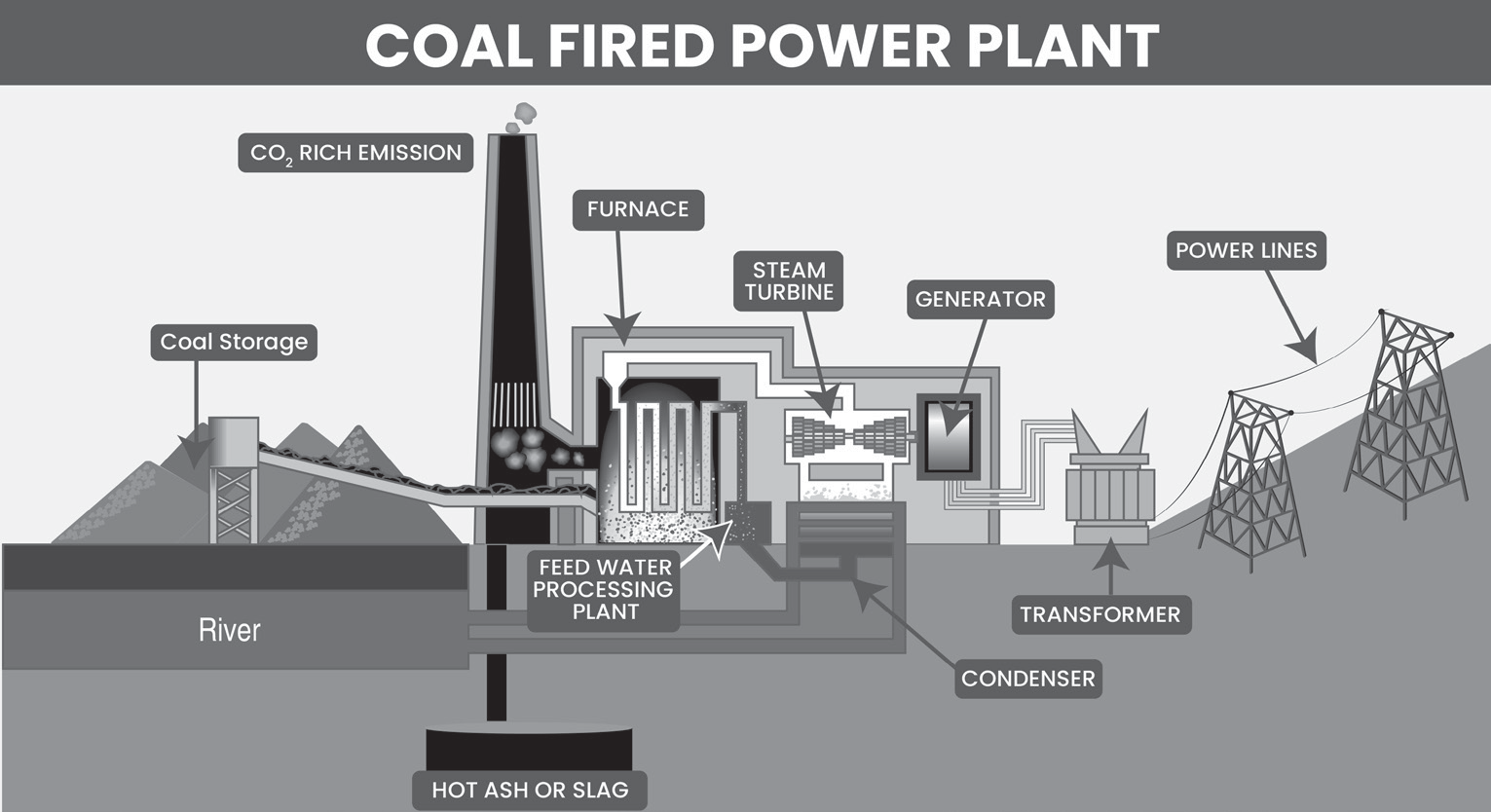
In addition to these mining-related issues, the combustion of coal in thermal power plants and industrial processes is a significant source of air pollution, contributing to environmental degradation and public health problems.
Petroleum or Mineral Oil
Petroleum, also known as mineral oil or crude oil, has its origins in the remains of marine plants and animals that were buried under sedimentary layers for millions of years.
Over millions of years, the remains of marine organisms were buried under layers of sediment, subject to high pressure and temperature. Under these conditions, organic matter gradually transformed into petroleum and natural gas.
Petroleum reservoirs are primarily found in geologically young tectonic belts located at plate boundaries, where large depositional basins are more common.
Crude oil is a thick, dark liquid composed of a mixture of hundreds of hydrocarbons, along with small amounts of sulphur, oxygen, and nitrogen impurities. It is often referred to as conventional or light oil.
Petroleum deposits are typically found trapped beneath the sea floor or within the Earth’s crust on land. After extraction, crude oil is transported to refineries via pipelines, trucks, or ships (tankers).
At refineries, crude oil undergoes heating and distillation to separate it into various components with different boiling points. These components include gases, gasoline, aviation fuel, kerosene, diesel oil, naphtha, grease, wax, and asphalt.
Some of the products derived from oil distillation, known as petrochemicals, serve as raw materials for the production of pesticides, plastics, synthetic fibers, paints, medicines, and other industrial products.
Natural Gas
Natural gas consists mainly of methane (CH4), typically making up 50 to 90% of its volume. In addition to methane, it contains smaller amounts of heavier hydrocarbons such as ethane (C2H6), propane (C3H8), and butane (C4H10). It also contains trace amounts of hydrogen sulfide (H2S), a highly toxic gas.
Similar to crude oil, natural gas is formed through geological processes involving the transformation of organic material over millions of years. However, the resulting hydrocarbons are more volatile than those found in oil.
Natural gas reservoirs are often found above crude oil reservoirs. While almost every oil well produces some natural gas along with liquid petroleum, there are also significant gas deposits that do not contain associated liquid petroleum.
Conventional Natural Gas
Conventional natural gas is typically found above most crude oil reservoirs and is accessed primarily through pipelines.
Often, the natural gas produced alongside oil is considered a byproduct and is flared off, which is seen as wasteful.
Unconventional Natural Gas
Unconventional natural gas is found in separate underground reservoirs and is more challenging and expensive to extract.
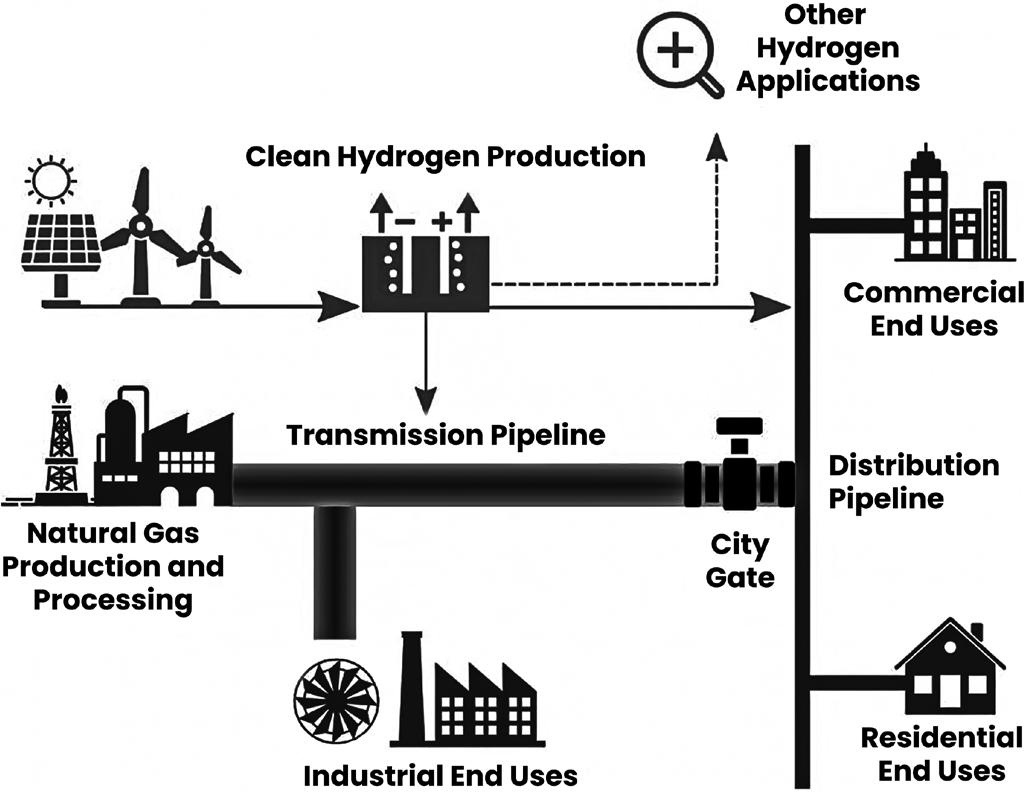
Propane and butane gases present in natural gas are liquefied to produce liquefied petroleum gas (LPG), commonly used as cooking gas.
Natural gas can also be converted to liquefied natural gas (LNG) at very low temperatures for easier transport and storage.
Methane from natural gas can be decomposed into carbon and hydrogen, with the carbon used to produce carbon black for tire manufacturing.
Problems Associated with Oil and Gas
Methane, a major component of natural gas, is a potent
greenhouse gas, contributing to global warming when leaked into the atmosphere.
Oil and gas extraction can cause land sinking or subsidence.
Onshore oil wells have historically produced large volumes of brine, which, if not properly managed, can contaminate freshwater aquifers.
Oil contamination of the ocean can occur from natural seepage as well as from oil well blowouts, pipeline breaks, and tanker accidents.
Liquefied Petroleum Gas (LPG)
Liquefied Petroleum Gas (LPG) primarily consists
of propane, butane, butylene, propylene, and other hydrocarbons in various mixtures.
It is typically produced as a by-product of natural gas processing and petroleum refining. These components of LPG are in gaseous form at normal temperature and pressure.
One challenge associated with LPG is its variability in composition, which can affect its performance and characteristics.
Additionally, since LPG is heavier than air, it tends to accumulate in poorly ventilated areas in the event of a leakage, posing a potential safety hazard.
To address safety concerns, LPG is odorless in its natural state. However, a strong odorant called Ethyl Mercaptan or Ethanethiol, which has a distinct smell, is added to LPG to facilitate the detection of leaks.
Liquefied Natural Gas (LNG)
Liquefied Natural Gas or LNG is natural gas stored as a
super-cooled liquid (cryogenic) (-120 to -170 C).
Advantage: takes up less space thereby extending range and reducing refuelling frequency.
Disadvantage: high costof cryogenic storage, transportation and dispensation.
LNG is used in heavy-duty applications in developed countries like the US, Japan, etc.
For many developing nations, using LNG is currently not a practical option.
India’s Target
Renewable Energy Sources:
India utilizes a variety of renewable energy sources:
Wind power
Solar power
Biopower (energy from biomass)
Small hydropower projects
Since 2019, large hydropower projects are also considered renewable.
Ocean energy sources like tidal, wave, and thermal conversion are also categorized as renewable and contribute to renewable purchase obligations (RPO).
Grid and Off-Grid Systems:
Renewable energy systems can be:
Grid-connected: Supplying electricity to the national power grid.
Off-grid: Providing power to remote areas or those unlikely to be connected to the grid soon.
Examples of off-grid systems include:
• Biomass-based power projects
• Industrial waste-to-energy projects
• Rooftop solar systems
As of July 2024, India's total grid-connected renewable power capacity (excluding hydro) is:
Wind power: 47.07 GW Solar power: 87.20 GW
Biomass/Co-generation: 10.35 GW
Small hydro power: 5.03 GW
Waste to energy: 0.60 GWAdditional Renewable Energy Targets:
Non-Fossil Fuel Capacity: Reach 40% of India’s electric power capacity from non-fossil fuel sources (solar, wind, hydro) by 2030.
Renewable Energy Capacity Installation (by 2022): Achieve a total installed capacity of 175 GW of renewable energy (excluding hydro), with specific breakdowns for each source:
100 GW from solar power
60 GW from wind power
10 GW from biopower
5 GW from small hydropower
Infrastructure Development for Renewables:
National Smart Grid Mission & Green Energy Corridor: This initiative aims to develop a smarter and more efficient electricity transmission and distribution network to better integrate renewable energy sources into the grid.
Policy Measures:
Determination of Green Tariff 2 under Electricity (Promoting Renewable Energy Through Green Energy Open Access) Rules, 2022, will incentivise the use of renewable energy by streamlining pricing.
Financing Mechanism:
Foreign direct investment worth US$6.1 billion was pumped into India’s renewable energy sector between April 2020 and September 2023. The surging private sector investment in large-scale renewables projects will boost manufacturing and drive innovation of critical renewable energy technologies, equipment, and raw materials supply chain.
Measures to Achieve 175 GW RE Target by 2022:
Ease of Doing Business: Promote transparency in bidding processes and facilitate the procurement of renewable energy power at competitive rates.
Policy Continuity: Ensure the stability of existing Power Purchase Agreements (PPAs) to encourage long-term investment in renewable energy projects. Revisions are only allowed if a clause permits it within the agreement or proven cases of corruption exist.
Land Allocation: The Ministry of New and Renewable Energy (MNRE) is establishing Ultra Mega Renewable Energy Parks to address land acquisition challenges faced by renewable energy projects. The first such park is planned for Dholera, Gujarat.