Water Pollution
Water Pollution
Water pollution occurs when undesirable substances are added to or are present in water, compromising its quality and rendering it unfit for various uses. These substances can be organic, inorganic, biological, radiological, or thermal in nature.
Natural sources of water pollution include processes like soil erosion, leaching of minerals from rocks (which can be exacerbated by acid rain), and the decomposition of organic matter.
Pollutants can Originate from point and non-point Sources:
Point source pollution refers to the discharge of pollutants from specific, identifiable locations, such as industrial effluents discharged directly into a water body through drainpipes.
Non-point source pollution, on the other hand, involves the discharge of pollutants from diffuse sources or over a broader area. Examples include runoff from agricultural fields, grazing lands, construction sites, and abandoned mines or pits.
CAUSES OF WATER POLLUTION
Ammonia Pollution
Ammonia pollution refers to the presence of excessive levels of ammonia in water bodies, surpassing acceptable limits and posing environmental concerns.
This often occurs due to various industrial activities, including the production of commercial fertilisers and other industrial applications.
Ammonia in Yamuna Water
Ammonia was found at elevated levels in the Yamuna River, with a concentration of 1.8 parts per million (ppm) in raw water.
This exceeds the acceptable limit for drinking water set by the Bureau of Indian Standards, which is 0.5 ppm.
Ammonia
Ammonia is a colourless gas with a distinctive odour that naturally occurs in the air, soil, water, plants, and animals, including humans.
Our bodies produce ammonia when breaking down protein-rich foods into amino acids.
Household cleaning products often contain ammonium hydroxide, known as household ammonia.
It’s been used for over 70 years in municipal water treatment to enhance the effectiveness of chlorine disinfection, reducing the formation of potentially carcinogenic chlorination by-products.
Also, ammonia is a key component of ammonium nitrate fertiliser, essential for plant growth.
However, high levels of ammonia in water can be toxic to fish, and ingestion of water containing ammonia levels above 1 ppm may harm human organs.
Sewage Water
Sewage water comprises waste discharged from homes and other establishments, containing human and animal waste, food remnants, cleaning products, detergents, and more.
It often carries harmful pathogens from human and animal excreta, posing risks to public health and the environment.
Dissolved Oxygen (DO)
Dissolved Oxygen (DO) in water refers to the amount of oxygen gas dissolved in water.
Presence of waste, both organic and inorganic, reduces DO levels in water.
Water with DO below 8.0 mg/L is considered contaminated, while levels below 4.0 mg/L indicate high pollution.
Adequate DO is crucial for aquatic life survival.
Various factors like water turbulence, photosynthesis, organism respiration, and organic matter decomposition influence DO levels.
Increased waste leads to faster decomposition and oxygen consumption, lowering DO content in water.
Biological Oxygen Demand (BOD)
Biological Oxygen Demand (BOD) is a measure of water pollution caused by organic wastes.
It represents the amount of dissolved oxygen required by bacteria to decompose the organic matter in water.
BOD is expressed in milligrams of oxygen per litre of water.
Higher BOD values indicate lower dissolved oxygen levels in water.
However, because BOD only accounts for biodegradable materials, it may not fully represent overall water pollution.
Chemical Oxygen Demand (COD)
Chemical Oxygen Demand (COD) is a more comprehensive method for assessing water pollution compared to BOD.
It quantifies the amount of oxygen, measured in parts per million (ppm), needed to oxidise both organic (biodegradable and non-biodegradable) and oxidisable inorganic compounds in a water sample.
Arsenic Pollution
Arsenic contamination in water and food has been confirmed in recent studies, particularly affecting rice, wheat, and potatoes.
High levels of arsenic in groundwater are found in countries like the US, India, China, and Mexico.
Most affected areas in India include the Ganga and Brahmaputra alluvial plains, such as Assam, Bihar, West Bengal, Punjab, and Uttar Pradesh.
Arsenic is a colourless, gray, silver, or white carcinogen that is extremely toxic to humans.
It lacks taste or odour and can occur naturally or in man- made forms.
Sources of Pollution
Arsenic poisoning is commonly found in areas with industrial activity.
Seepage from industrial and mining operations, as well as fly ash ponds from thermal power plants, can contaminate groundwater with arsenic.
Arsenic is often found in association with copper, iron, and silver ores.
Burning fossil fuels also releases arsenic into the environment.
Liquid waste from fertiliser plants may also contain arsenic.
Arsenic Poisoning
Drinking water contaminated with arsenic can lead to its accumulation in the body, causing various health issues such as skin lesions, rough skin, and eventually, skin cancer.
Chronic exposure to arsenic may result in conditions like black foot disease, a peripheral vascular disease-causing severe damage to blood vessels in the lower limbs and leading to gangrene.
Using arsenic-contaminated water for agriculture can increase arsenic levels in fruits and grains, posing a risk to humans.
Chronic arsenic poisoning can cause melanosis and keratosis, characterised by dark spots on the skin and hardening of the palms, respectively.
Long-term exposure to arsenic may also result in loss of appetite, weight loss, gastrointestinal problems, and an increased risk of skin cancer.
Bioremediation of Arsenic
To tackle arsenic contamination, certain bacteria like Bacillus flexus and Acinetobacter junii can help remove arsenic from contaminated soil.
B. flexus is resistant to arsenate, while A. junii is resistant to arsenite, two common forms of arsenic.
These bacteria possess specific genes that aid in detoxifying arsenic.
In addition to bacterial remediation, chemicals like bleaching powder and alum are also used to remove arsenic from contaminated areas.
Industrial Wastes
Industrial wastes refer to the wastewater discharged from various industries such as petroleum, paper manufacturing, metal extraction and processing, and chemical manufacturing.
These wastewaters often contain toxic substances, including heavy metals like mercury, cadmium, copper, lead, and arsenic, as well as various organic compounds.
Agricultural Sources
Agricultural sources contribute to water pollution through various means:
Agricultural Runoff: This contains dissolved salts like nitrates, phosphates, and ammonia, along with other nutrients and toxic metal ions and organic compounds. These substances can enter water bodies through runoff from agricultural fields.
Fertilisers: Commonly used fertilisers contain nitrogen, phosphorus, and potassium. Excessive use of fertilisers can lead to groundwater contamination through leaching or surface water contamination.
Pesticides: Agricultural practices involve the use of pesticides such as insecticides, fungicides, and herbicides. These chemicals, which include chlorinated hydrocarbons, organophosphates, and metallic salts, among others, can enter water bodies and persist for long periods, posing risks to aquatic life and human health.
Livestock Farms: Wastes from poultry farms, piggeries, and slaughterhouses can also contribute to water pollution through runoff, carrying pathogens, nutrients, and organic matter into water bodies.
Fertiliser Pollution
Fertiliser pollution is being addressed through initiatives like Soil Health Management (SHM), which is part of the National Mission for Sustainable Agriculture (NMSA).
Integrated Nutrient Management (INM): SHM promotes the balanced use of chemical fertilisers, secondary nutrients, and micronutrients, along with organic manures and biofertilisers. This approach ensures that crops receive the necessary nutrients while minimising excessive fertiliser application.
Soil Testing: The initiative emphasises the importance of
soil testing facilities to provide accurate recommendations to farmers based on the nutrient content of their soil. By using soil health cards, farmers can make informed decisions about fertiliser application, leading to more efficient use of fertilisers.
The implementation of Soil Health Management has resulted in a reduction of 8-10% in the use of chemical fertilisers, according to a study by the National Productivity Council. This indicates a positive step towards reducing fertiliser pollution and promoting sustainable agriculture practices.
Soil Health Card (SHC) Scheme
The Soil Health Card (SHC) Scheme, initiated in 2015, aims to provide farmers with vital information about the health of their soil.
The scheme’s primary goal is to equip farmers with Soil Health Cards every two years. These cards contain crucial details about the nutrient levels in their soil and recommendations for improving its health and fertility.
During Phase-I (2015-2017), 10.74 crore Soil Health Cards were distributed. In Phase-II (2017-2019), 11.69 crore cards were issued.
Also, numerous static and mobile soil health labouratories have been established across states to support the scheme.
Village farmers under 40 years of age are eligible to establish soil health labouratories. These labs, which cost up to Rs 5 lakhs, receive 75% funding from both the central and state governments.
The Soil Health Card Scheme empowers farmers with essential insights into their soil’s condition, enabling them to make informed decisions to enhance soil productivity and sustainability.
What does Soil Health Card Contain?
The Soil Health Card (SHC) provides farmers with comprehensive information about their soil’s condition.
It includes details about essential nutrients such as Nitrogen (N), Phosphorus (P), and Potassium (K), along with Sulphur (S) as secondary nutrient.
Micro-nutrients: The card also indicates levels of micronutrients like Zinc (Zn), Iron (Fe), Copper (Cu), Manganese (Mn), and Boron (Bo), which are crucial for plant growth.
Physical Parameters: Information on pH (acidity or alkalinity), Electrical Conductivity (EC), and Organic Carbon (OC) levels, which impact soil health and plant growth.
Based on this data, the SHC provides recommendations for fertilisers and soil amendments tailored to the specific needs of the farmer’s land.
Pesticides Management Bill 2020
The Pesticide Management Bill 2020, approved by the Union Cabinet, aims to promote the use of organic alternatives to chemical pesticides in India.
Farmers will have access to comprehensive digital information about pesticides, including their strengths, weaknesses, risks, and alternatives.
Farmers will be compensated for losses incurred due to the use of spurious or low-quality pesticides.
Anyone involved in importing, manufacturing, or exporting pesticides must register under the bill. They must provide detailed information about the pesticide’s claims, efficacy, safety, and stock infrastructure. Information on potential environmental effects will also be included.
The bill will regulate pesticide-related advertisements to prevent misleading claims by industries and manufacturers.
Need for a Fresh Law
The current regulatory framework for pesticides in India, governed by the Insecticides Act of 1968 and its associated rules (Insecticides Rules, 1971), is outdated and inadequate for addressing modern challenges.
The existing law fails to adequately consider scientific evidence regarding the harmful effects of synthetic pesticides on human health and the environment.
There’s a pressing need to address the alarming incidents of pesticide poisoning among farmers, which often result in fatalities or hospitalisations.
Toxic pesticides not only pose risks to humans but also threaten wildlife and livestock through inadvertent exposure.
A new law would provide an opportunity to modernise regulations, incorporate scientific advancements, and enhance protections for both human health and the environment.
Pesticides usage in India
India’s pesticide usage paints a significant picture of agricultural practices in the country.
India stands as the world’s fourth-largest producer of pesticides, showcasing the scale of its usage in agriculture.
Insecticides, fungicides, and herbicides are the primary types used, with insecticides being the most prominent.
The recent surge in pesticide usage is attributed to the higher adoption of herbicides, driven by the rising costs of manual weed control due to increased agricultural wages.
Eight states in India account for over 70% of the total pesticide consumption, with Maharashtra leading the list followed by Uttar Pradesh, Punjab, and Haryana.
Paddy cultivation consumes the highest share of pesticides (26-28%), followed by cotton (18-20%).
Concerns over Banned Pesticides: There are approximately 104 pesticides still produced and used in India that have been banned in two or more countries globally.
Recommendations
These recommendations aim to address the loopholes and concerns in pesticide regulation and usage in India:
Empower States: States should be granted authority to ban certain pesticides, allowing them to regulate based on their unique agricultural and ecological needs.
Ban Pesticide Promotion: Similar to pharmaceutical drugs, pesticides should not be promoted. All advertisements should be banned, and interactions between pesticide companies/dealers and farmers should be illegal.
Ban Class I Pesticides: Pesticides classified as extremely hazardous (Class Ia) and highly hazardous (Class Ib) by the World Health Organisation should be banned. This includes provisions to ban the sale and use of such pesticides.
Personal Protective Gear: Selling pesticides without providing personal protective equipment or safety gear should be illegal, ensuring the safety of users.
Polluter Pays Principle: Companies responsible for pesticide pollution should bear the costs. Transparent assessment procedures should be followed for pesticide registration.
Role of Health Ministry: Legislative powers to regulate pesticides should be transferred to the Union Ministry of Health and Family Welfare. This transfer aims to address health-related concerns without conflicts of interest.
Implementing these recommendations could lead to more responsible pesticide usage, better protection for farmers and the environment, and improved public health outcomes.
Endosulfan
Endosulfan is an insecticide primarily used in agriculture and as a wood preservative, categorised as a Persistent Organic Pollutant due to its long-lasting environmental impact.
India, once a major producer and consumer of endosulfan, banned its use after the toxic effects became evident, particularly in Kasargod District, Kerala, in 2001.
In 2011, the Supreme Court of India prohibited the production, distribution, and use of endosulfan nationwide, directing the Kerala government to compensate over 5,000 victims with Rs 500 crores.
Globally, endosulfan usage is banned under the Stockholm Convention on Persistent Organic Pollutants, reflecting its harmful effects and environmental persistence.
Under pressure from pesticide companies, India sought a 10-year reprieve from the ban, ultimately agreeing to phase out endosulfan usage by 2017.
Endosulfan is highly toxic and has a significant potential for bioaccumulation, posing risks to human health and the environment.
It adversely affects human genetic and endocrine systems, acting as an endocrine disruptor that interferes
with hormone function, leading to reproductive and developmental disorders in animals and humans.
Its neurotoxic properties can damage nerve cells, impacting neurological functions and potentially causing disorders such as autism.
About Persistent Organic Pollutants (POPs)
Persistent Organic Pollutants (POPs) are chemical substances characterised by their ability to persist in the environment, accumulate in the food chain, and pose significant risks to human health and the environment.
These chemicals are of global concern due to their potential for long-range transport, resistance to degradation, and ability to bio-magnify and bio-accumulate in ecosystems.
POPs include organochlorine pesticides like DDT and endosulfan, polychlorinated biphenyls (PCBs) used in electrical equipment, and dioxins produced as by-
products of combustion.
DDT, once widely used as a pesticide, was later identified as a POP and phased out in most developed countries due to its harmful effects.
Despite being banned for agricultural use in India, DDT is still used for mosquito control in some areas for disease prevention.
Stockholm Convention on Persistent Organic Pollutants
The Stockholm Convention on Persistent Organic Pollutants is a global environmental treaty established to address the
issue of persistent organic pollutants (POPs). Enacted in 2004, its primary objective is to eliminate or significantly reduce the production, use, and release of POPs into the environment.
Organochlorine
Organochlorines (OC) are a category of chlorinated compounds classified as persistent organic pollutants (POPs) due to their long-lasting presence in the environment.
These chemicals are commonly used in agriculture and mosquito control.
Notable examples include Dichlorodiphenyl- trichloroethane (DDT), frequently utilised in antimosquito fogging operations.
Chlorinated Hydrocarbons (Organochlorides)
Chlorinated hydrocarbons (CHCs), also known as organochlorides, are a group of hydrocarbon compounds where one or more hydrogen atoms have been substituted with chlorine atoms. Examples include DDT (dichlorodiphenyltrichloroethane), endosulfan, chloroform, carbon tetrachloride, among others.
Effects of Chlorinated Hydrocarbons (CHC)
Chlorinated hydrocarbons (CHCs) have significant environmental and health effects.
CHCs, like DDT, have a tendency to accumulate in the fatty tissues of organisms over time. This bioaccumulation
can result in higher concentrations of these compounds in organisms higher up the food chain.
DDT, for example, has been linked to eggshell thinning in certain bird species, which can lead to reproductive issues and population decline.
CHCs are known for their long-term persistence in the environment. Even decades after their use, residues of DDT can still be found on surfaces like walls and in the environment.
DDT residues have been detected globally, including in mammals and marine life. In Arctic regions, particularly high levels of CHCs have been found in marine mammals.
CHCs can be transferred from mother to offspring through lactation, leading to their presence in breast milk. While levels are generally higher in females, concentrations can vary depending on factors like diet and exposure levels.
Harmful Chemicals are Melting out from the Himalayas
Chemicals that are harmful to the environment and health are seeping out from the melting glaciers in the Himalayas due to climate change. These pollutants, which have been accumulating in the glaciers since the 1940s, include pesticides and other harmful substances.
As the glaciers melt, these chemicals flow into Himalayan lakes, posing a threat to the plants and animals that rely on these water sources, as well as to people who depend on them for drinking water and other needs.
Perfluoroalkyl Acids (PFAAs)
Perfluoroalkyl acids (PFAAs) are persistent pollutants that accumulate in glaciers, including those in the Himalayas.
Unlike some other pollutants, PFAAs do not break down over time and can persist for a long time in the environment.
Due to their proximity to heavily polluted regions in South Asia, Himalayan glaciers may contain higher levels of PFAAs compared to glaciers elsewhere.
As these glaciers melt, they release PFAAs into nearby lakes, where they can accumulate in fish. Consuming fish contaminated with PFAAs can have serious health consequences for humans.
Pesticide Regulatory Regime in India
In India, the regulation of pesticides is overseen by two main bodies: the Registration Committee (RC) and the Central Insecticides Board (CIB).
The RC is responsible for registering pesticides, while the CIB serves as an advisory body. These bodies operate under the Insecticides Act of 1968 and the Insecticides Rules of 1971.
Their goal is to regulate the import, manufacture, sale, transport, distribution, and use of insecticides to prevent risks to humans and animals.
Pesticides are registered based on data provided by
companies regarding their effectiveness, toxicity, and safety.
The Ministry of Agriculture has the authority to cancel registrations or ban pesticides based on recommendations from the RC.
2020 Notification on Draft Ban Order
In May 2020, the Ministry of Agriculture & Farmers’ Welfare released a draft ban order proposing to prohibit the manufacture, sale, and import of 27 pesticides in India.
Some of these pesticides fall under WHO Class I category, indicating their extreme hazard to human health and the environment.
Others are classified as probable human carcinogens and have documented toxicity to bees, fish, earthworms, and other organisms.
Several of the pesticides have been linked to fatal pesticide poisonings, whether through occupational exposure or accidental ingestion.
Out of the 27 pesticides, 24 are already banned in other
countries due to their harmful effects.
Many of these pesticides were identified as potentially harmful in the 2015 Anupam Verma Committee report, which reviewed 66 pesticides for potential bans.
Despite industry pressure, the Department of Chemicals & Petrochemicals used the Covid-19 pandemic as a justification for advancing the draft ban order.
Notable pesticides in the proposed list of 27 to be banned include:
Carcinogenic: Oxyflourfen and Pendimethalin. Pendimethalin is linked to causing Thyroid follicular cell adenoma.
Endocrine disruption: Dicofol, Carbofuran, and Oxyflourfen.
Eco-toxic: Carbofuran, Monocrotophos, and Oxyflourfen.
Deemed to be Registered Pesticides or DRPs
Deemed to be Registered Pesticides (DRPs) are pesticides that were in use before the Insecticides Act of 1968, and their registration was assumed once mandatory data on efficacy and toxicity were generated.
There are at least 51 such DRPs, with six withdrawn, eight banned, and five to be phased out by the end of 2020.
However, the list of DRPs is not readily available on any government website, leading to transparency issues.
Importantly, 17 of the 27 proposed-to-be-banned pesticides are DRPs, and the biosafety of these DRPs was never assessed.
Bio-safety data and review committee reports are kept secret, even under the Right to Information (RTI) Act.
These DRPs are considered registered regardless of the data submitted, making India unique in following such an arbitrary and unscientific regulatory practice.
Many of these DRPs have been banned in various countries, even decades ago.
Ban
The Union Cabinet approved the ratification of seven chemicals listed under the Stockholm Convention on Persistent Organic Pollutants (POPs). These chemicals are regulated under domestic provisions outlined in the Regulation of Persistent Organic Pollutants Rules, which were notified by the Ministry of Environment, Forest and Climate Change (MoEFCC) in 2018 under the Environment (Protection) Act, 1986.
The regulation prohibits the manufacture, trade, use, import, and export of seven chemicals:
Chlordecone
Hexabromobiphenyl
Hexabromodiphenyl ether and HeptaBromodiphenyl Ether (Commercial octa-BDE)
Tetrabromodiphenyl ether and Pentabromodiphenyl ether (Commercial penta-BDE)
Pentachlorobenzene
Hexabromocyclododecane
Hexachlorobutadiene
To streamline the procedure, the Cabinet has delegated its
Hydro-fracturing or Fracking
powers to ratify chemicals under the Stockholm Convention to the Union Ministries of External Affairs (MEA) and Environment, Forest and Climate Change (MEFCC) in respect of POPs.
Significance of Decision
The Cabinet’s approval for ratification of Persistent Organic Pollutants (POPs) signifies India’s dedication to fulfilling its international responsibilities concerning environmental and human health protection.
It reflects the government’s determination to address POPs by implementing control measures, devising action plans for unintentionally produced chemicals, creating inventories of chemical stockpiles, and conducting reviews.
Furthermore, the ratification process opens doors for India to access financial resources from the Global Environment Facility (GEF).
Britain Orders Immediate Moratorium on Fracking
Britain decided to halt fracking immediately due to concerns over induced seismic activity.
This decision marks a shift from the government’s prior support for the shale gas industry, aimed at reducing dependence on imported natural gas.
Fracking, the process of extracting gas from rock formations by injecting water and chemicals at high pressures, has faced opposition from local communities concerned about its environmental and seismic impacts.
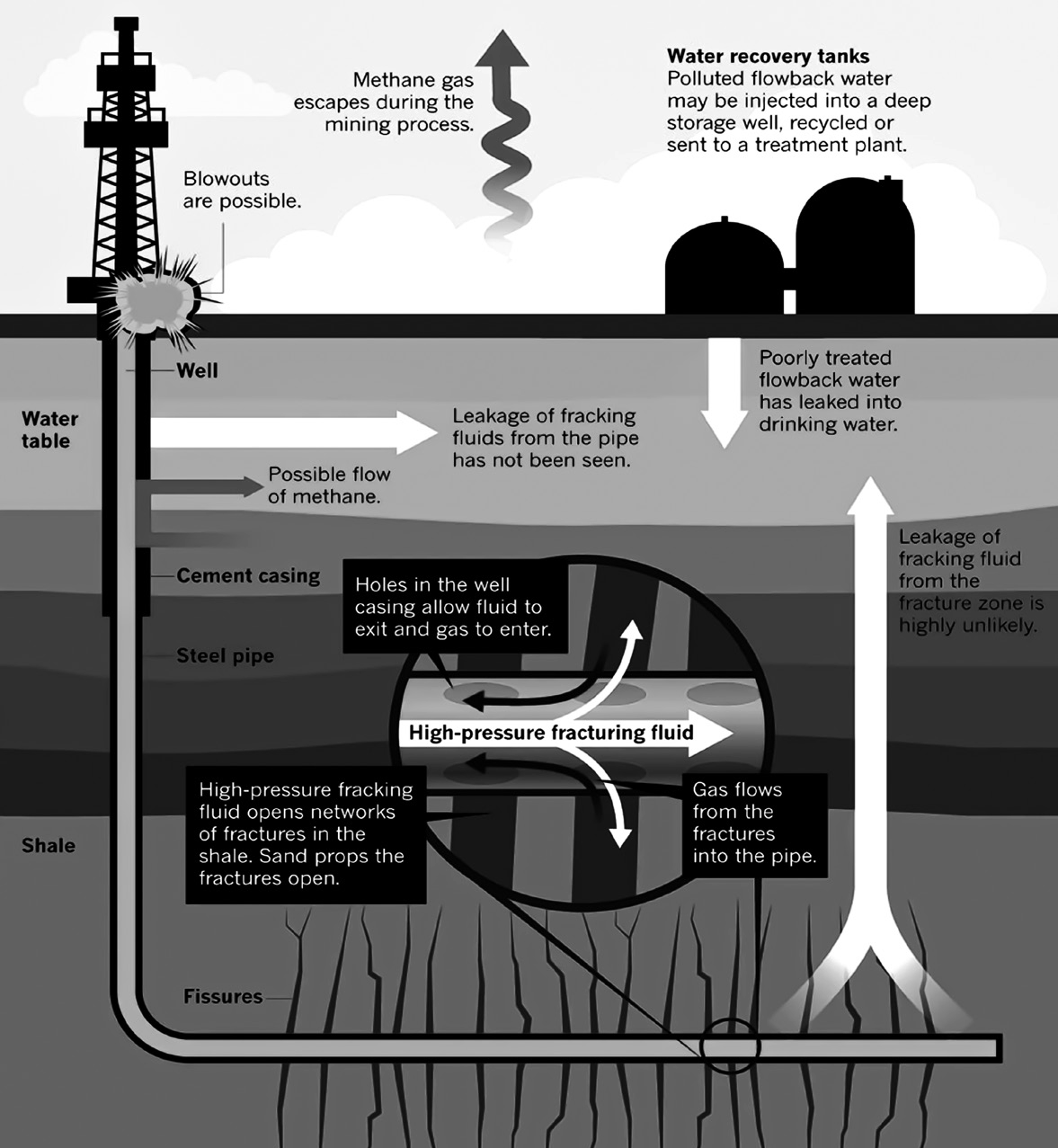
Hydraulic fracturing, commonly known as fracking, is a technique used to extract natural gas or oil from shale rock formations deep underground.
Shale rock formations are typically located around 3,000 meters below the Earth’s surface.
Vertical drilling is first conducted to reach the shale rock layer. Once reached, the drilling can then extend horizontally for long distances within the shale rock formation.
A mixture of water, chemicals, and sand, known as fracking fluid, is injected into the wellbore at high pressures.
The pressure causes the shale rock to fracture or crack, creating fissures that allow the trapped natural gas or oil to flow more freely.
The sand particles, known as proppants, enter the fractures to hold them open once the pressure is relieved, enabling the gas or oil to flow to the surface.
This process of using water to fracture the rock and release the gas or oil is referred to as hydraulic fracturing or fracking.
Freshwater Salinisation Syndrome (FSS)
A recent study indicates that freshwater sources are becoming saltier, posing a threat to drinking water quality.
Over the past 25 years, about one-third of the world’s streams and rivers have experienced increased salinity.
The study highlights the danger of exposure to various heavy metals in drinking water, particularly in developing countries.
In India, more than 57% of groundwater is contaminated with substances like nitrate, fluoride, and arsenic.
Saline water intrusion has compelled many farmers in Tamil Nadu’s Thoothukudi to migrate to cities for employment.
Surface water bodies are also at risk from pollutants released during oil and gas extraction and other resource extraction activities.
Relevance of the Findings:
While 70% of the Earth is covered by water, only 2.5% of it is freshwater.
The degradation of freshwater quality could lead to changes in its chemical, biological, and physical properties, affecting the ecosystem services it provides.
What is Freshwater Salinisation Syndrome (FSS)?
Freshwater Salinisation Syndrome (FSS) is when salty runoff contaminates freshwater ecosystems.
Normally, freshwater contains some salts due to natural processes like rock weathering and saline groundwater.
However, human activities are intensifying this process, leading to higher salt concentrations in freshwater bodies.
These are the reasons behind Freshwater Salinisation Syndrome (FSS):
The use of road salts for de-icing during snowy and icy conditions, which lowers the freezing point of ice on roads.
Accelerated weathering of infrastructure, rocks, and soils due to human activities.
Rising sea levels and intrusion of saltwater into freshwater sources.
Concentration of salt ions through evapouration caused by changes in hydrology and climate.
Disruption of vegetation and local groundwater systems.
Effects
Here are the effects of Freshwater Salinisation Syndrome (FSS):
Reduced biodiversity and a threat to human health due to the contamination of freshwater sources globally.
Toxicity to aquatic life in affected freshwater ecosystems.
Corrosion or degradation of built infrastructure due to increased salt concentrations in water bodies.
Solutions
Implementing uniform and comprehensive laws to regulate freshwater Salinisation in freshwater management.
Prioritising source control as the primary preventive strategy.
Opting for alternative de-icers and adapting road salt application methods to reduce salt runoff.
Establishing a national standardised database where local governments can report the quantity and concentration of road salts used for de-icing.
Identifying thresholds to determine the effects of ion- specific salt pollution and setting appropriate limits to protect human health, ecosystem functions, and services.
Thermal and Radiation Pollution Thermal Pollution
When factories and power plants use water to cool their machinery, they release hot water into rivers or oceans. This hot water can raise the temperature of the water around it by 10 to 15 degrees Celsius. Warmer water holds less oxygen, which is bad news for aquatic life. Fish and other water creatures can’t handle sudden changes in temperature like land animals can. Storing hot water in cooling ponds to let it cool down before releasing it into
the environment can help prevent this problem.
Radiation Pollution
During accidents at nuclear power plants, like the one in Fukushima, radioactive materials can leak into nearby water sources. This radiation can damage the DNA of marine life, potentially causing cancer. One type of
radioactive material, called radioactive iodine, can get absorbed by the thyroid gland in animals, leading to thyroid cancer.
Marine Plastic Pollution
Plastic trash in the ocean is causing about $13 billion in harm to marine life every year.
Estimation: By 2050, there could be more plastic in the ocean than fish.
Scientists have found plastic waste even in the deepest parts of the ocean.
The chemicals that leak out of plastic (Chemical Leaching) can interfere with the growth and health of important ocean bacteria called Prochlorococcus, which produce oxygen and are crucial for marine life.
Prochlorococcus
Prochlorococcus are tiny marine bacteria that can do photosynthesis, like plants. They’re super small, only about 0.5 micrometers in size, and there are a ton of them in the ocean.
Despite their size, they play a big role in making oxygen. In fact, they produce about 10% of all the oxygen we breathe!
Marine Pollution
The ocean ends up collecting all sorts of pollutants, both natural and human-made. Coastal cities often dump their sewage and garbage straight into the sea.
Ships also contribute by releasing oil, grease, detergents, sewage, garbage, and even radioactive waste into the water. Offshore oil drilling and accidents like oil spills also add to the pollution.
Oil Spills
Oil spills usually occur when oil leaks during transport on ships or from storage tanks underground. They can also occur during offshore oil drilling.
Impact of Oil Spills on Marine Life
When oil spills into the ocean, it forms a thin layer on the water surface, blocking oxygen from getting to plants and other organisms.
This suffocates them, leading to death within hours. Fish, shellfish, and plankton are particularly affected. Birds and sea mammals that eat these contaminated creatures also get poisoned and die.
Microbes to fight Oil Spillage in Oceans
Researchers discovered that they can break down crude oil using inexpensive and harmless leftover materials from farming.
What’s the Concern?
Lately, there’s been a big problem: More and more oil is being extracted from offshore drilling sites, leading to accidental spills.
Other worries include factories releasing pollutants and accidents causing harm to the marine environment.
Cleaning up oil spills from the ocean without hurting marine life is getting harder and harder.
Key Points
The National Institute of Ocean Technology (NIOT) developed a way to clean up oil spills using eco-friendly methods. They use marine microbes and wheat bran immobilised on agricultural residues.
Bioremediation means using microorganisms or their enzymes to clean up contaminants in the environment, like soil and water.
They found nine types of bacteria in ocean sediment 2,100 meters deep that can break down oil.
These bacteria don’t need oil to survive but can use it as
food, helping clean up spills.
Immobilised bacteria on wheat bran were more effective at degrading oil spills than free bacteria.
The immobilised bacteria removed 84% of oil in 10 days,
compared to 60% by free bacteria. • 2
This method is safe and effective for cleaning up accidental oil spills in the ocean.
Deep-sea microbial communities play a crucial role in breaking down oil spills.
Petroleum is a mix of natural gas, condensate, and crude oil, and its production and transportation increase the risk of spills.
Oil spills can harm the environment by entering the food chain and settling into sediment, affecting marine life.
CWC Report on Heavy Metals
The Central Water Commission (CWC) released a report on heavy metal pollution in Indian rivers. They focused on surface water and didn’t look into groundwater pollution.
Key Findings
Two-thirds of water quality stations had heavy metals exceeding safe limits set by the Bureau of Indian Standards.
Iron was the most common contaminant, with lead, nickel, chromium, cadmium, and copper also present.
Contamination varied by season, with Monsoon Period samples showing high levels of iron, lead, chromium, and copper, while Non-Monsoon Period samples had lead, cadmium, nickel, chromium, and copper.
Main sources of heavy metal pollution are mining, milling, plating, and surface finishing industries.
What’s the Concern?
Metals in drinking water are natural to some extent and are necessary for good health in small amounts.
But when they exceed safe limits, they can cause various health issues.
Long-term exposure to heavy metals can lead to physical, muscular, and neurological problems that resemble conditions like Alzheimer’s disease, Parkinson’s disease, muscular dystrophy, and multiple sclerosis.
What are Heavy Metals?
Heavy metals are types of metals that are dense, meaning they have a lot of mass packed into a small space. They also have high atomic weights or atomic numbers, which are
characteristics related to their structure at the atomic level.
Scientists often define heavy metals as metals with a density of more than 5 grams per cubic centimeter (g/cm3).
CWC
Established in 1945.
Responsible for starting and coordinating schemes introduced by the Ministry of Jal Shakti.
These schemes focus on conserving and managing water resources in India, including controlling water usage at both national and state levels.
The schemes cover areas like flood management, irrigation, providing drinking water, and generating hydroelectricity.
Contaminated Drinking Water
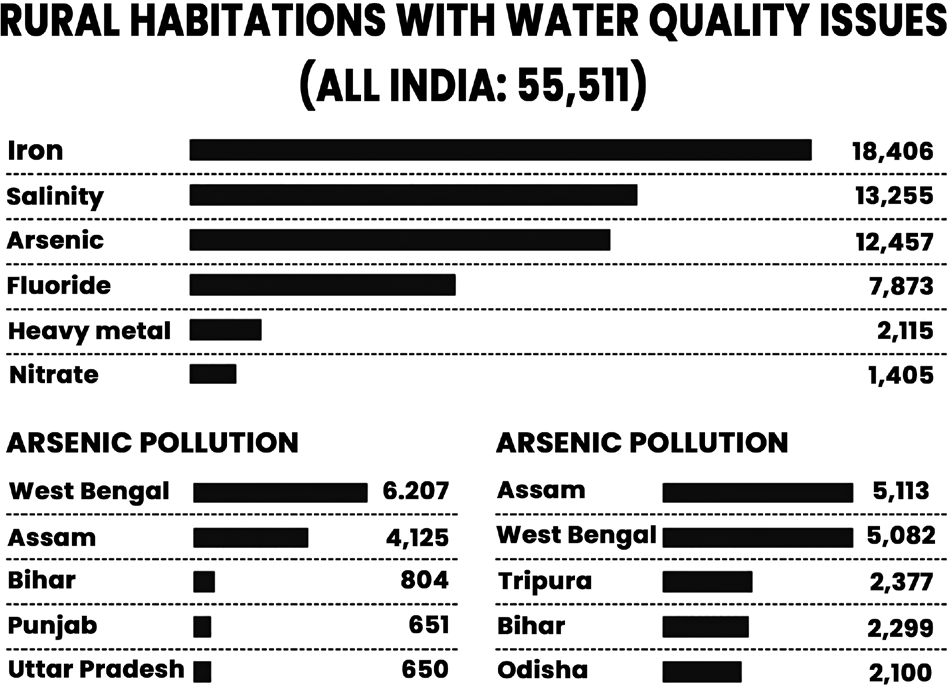
Many rural areas in Indian states struggle with poor- quality drinking water.
This year, around 3.22% of rural areas across all states and Union Territories faced drinking water quality issues, as reported by the Ministry of Jal Shakti in Parliament.
The most common contaminants include iron, salinity, arsenic, fluoride, and heavy metals.
Rajasthan has the highest number of rural areas affected by salinity contamination, while West Bengal and Assam are worst affected by arsenic and iron pollution.
Some states and Union Territories, like Andaman & Nicobar Islands, Goa, Gujarat, Himachal Pradesh,
Ladakh, Manipur, Mizoram, Nagaland, Puducherry, Sikkim, and Tamil Nadu, are not affected by any of these contaminants.
Uranium Contamination in Ground Water
Some areas in India have higher-than-safe levels of uranium in drinking water, exceeding 30 micrograms per liter (according to provisional guidelines from the World Health Organisation).
In Rajasthan and other parts of the northwest, uranium is often found in alluvial aquifers (underground water- bearing layers), while in southern regions like Telangana, it comes from rocks like granite.
When groundwater is pumped out excessively from these areas, it exposes the uranium to air, leading to its release into the water.
A report from the Central Ground Water Board shows that many states in northwestern and peninsular India have localised occurrences of high uranium levels in groundwater.
The Andhra Pradesh government is investigating complaints of groundwater pollution allegedly caused by uranium mining and processing by the Uranium Corporation of India Limited in Kadapa district.
The Impact of Uranium on Health
Uranium is slightly radioactive and stays that way for a really long time, about 4.5 billion years.
When we consume uranium, our bodies take about 15 days to get rid of half of it.
Drinking water with too much uranium might hurt our kidneys.
In places like Srikakulam district in Andhra Pradesh, where there’s a lot of uranium in the groundwater, people seem to have more kidney problems.
Guidelines in India
The Indian Standard IS 10500:2012 sets the maximum acceptable limits for radioactive residues in drinking water, including alpha and beta emitters.
If these limits are exceeded, the water is considered unsafe to drink.
These guidelines cover all radioactive elements, including uranium, but they don’t specify limits for individual elements.
The Bureau of Indian Standards (BIS) is working to include a maximum permissible limit for uranium in drinking water standards, aiming for 0.03 milligrams per liter (as per provisional guidelines from the World Health Organisation).
Underground Water Pollution
In India, groundwater is often at risk of pollution because industrial and municipal waste, sewage, and agricultural runoff can seep into it.
Common pollutants found in groundwater include fluorides, uranium, heavy metals, and nutrients like nitrates and phosphates.
Nitrates
Too much nitrate in drinking water can react with a substance called hemoglobin in our blood, forming a non-functional type called methemoglobin. This makes it hard for blood to carry oxygen, causing a condition known as methemoglobinemia or blue baby syndrome.
Methemoglobin is a type of protein in our blood that carries oxygen. Unlike normal hemoglobin, methemoglobin can’t carry oxygen effectively.
High levels of nitrates in water can also create substances that are linked to cancer and speed up eutrophication, which is when water becomes too rich in nutrients, leading to excessive plant growth and oxygen depletion in surface waters.
Trace Metals
Trace metals found in water include lead, mercury, cadmium, copper, chromium, and nickel.
These metals can be harmful to our health and may even cause cancer.
Fluoride
Drinking water with too much fluoride can lead to various health issues, including neuromuscular disorders, stomach problems, and deformities in teeth.
Excessive fluoride can also cause skeletal fluorosis, where bones become hard and joints become stiff and painful.
A condition called Knock-Knee syndrome can occur, characterised by pain in bones and joints and outward bending of legs from the knees.
Many states in India face the problem of fluorosis due to the consumption of water with high fluoride levels
Effects of Water Pollution
Effects of Water Pollution
Effects of Water Pollution on Human Health
Sewage from homes and hospitals contains harmful microorganisms. If not treated properly before disposal into water, it can cause serious diseases like typhoid and cholera.
Metals like lead, zinc, arsenic, copper, mercury, and cadmium in industrial wastewater harm humans and animals.
Drinking water contaminated with arsenic can lead to health issues like skin lesions, rough and thickened skin, and even skin cancer due to arsenic buildup in the body.
Mercury compounds in wastewater can turn into a highly toxic form called methyl mercury, causing numbness, deafness, vision problems, and mental disorders.
Mercury pollution in water can lead to Minamata disease, a neurological syndrome.
Lead poisoning, caused by lead in water, can lead to symptoms like anaemia, headaches, muscle weakness, and a bluish line around the gums.
Cadmium-contaminated water can cause itai-itai disease (ouch-ouch disease) , a painful bone and joint disorder, as well as lung and liver cancer.
Ocean Warming and Overfishing Increase Methylmercury toxin in Fish
The amount of methylmercury in seawater has decreased since the late 1990s.
However, methylmercury levels in fish higher up in the food chain have increased.
This increase is due to two main reasons: ocean warming and changes in fish diets caused by overfishing.
Overfishing leads to predatory fish relying more on larger fish for food, which tend to have higher concentrations of the toxin.
Fish metabolism depends on temperature. As ocean temperatures rise, fish metabolism increases, causing them to spend more energy on maintaining themselves rather than growing.
This results in higher concentrations of methylmercury in predatory fish.
Human exposure to the toxin from eating fish is likely to increase due to climate change.
Methylmercury
Methylmercury is a highly toxic form of mercury.
It’s used in things like fluorescent lights, batteries, and
PVC.
In nature, methylmercury forms when bacteria react with mercury in water, soil, or plants.
In Japan in the 1960s, there was a big mercury poisoning incident called Minamata disease. People got sick from eating fish contaminated with methylmercury from Minamata Bay.
Methylmercury poisoning can damage the brain and nervous system.
Unborn babies are particularly vulnerable to mercury exposure.
Effects of Water Pollution on the Environment
Microorganisms in sewage waste use up a lot of oxygen while breaking down organic matter. This depletes oxygen levels in the water, suffocating fish and other aquatic life.
Excessive nutrients in water can cause algal blooms, where planktonic algae grow rapidly. This can lead to the aging of lakes.
Certain toxic substances found in industrial wastewater can undergo biomagnification in the aquatic food chain. This means that toxins become more concentrated as they move up the food chain, posing a threat to higher-level predators.
High levels of DDT, for example, can disrupt calcium metabolism in birds. This causes their eggshells to become thinner and break prematurely, leading to a decline in bird populations.
Effects of Water Pollution on Aquatic Ecosystem
Industrial discharge of hot water into water bodies reduces the amount of dissolved oxygen (DO) in the water.
Pollution lowers the DO content, which can harm sensitive organisms like plankton, mollusks, and fish, leading to their elimination from the ecosystem.
However, some species like the Tubifex worm and certain insect larvae can survive in highly polluted water with low DO levels. These species are known as indicator species for polluted water.
Toxic substances like biocides, polychlorinated biphenyls (PCBs), and heavy metals can also eliminate sensitive aquatic organisms from the ecosystem.
Eutrophication – Ageing of Lakes
Lakes get water from surface runoff, bringing various chemicals and minerals.
Over thousands of years, lakes accumulate minerals and organic matter, gradually filling up. This aging process is natural.
Nutrient-rich lakes support the growth of algae, plants, and fauna, a process called natural eutrophication.
Human activities accelerate nutrient enrichment, causing cultural eutrophication.
Lakes are categorised based on their nutrient content: Oligotrophic (low nutrients), Mesotrophic (moderate nutrients), and Eutrophic (highly nutrient-rich).
Most lakes in India are eutrophic or mesotrophic due to nutrients from their surroundings or organic waste entering them.
Phytoplankton Biomass in Bay of Bengal
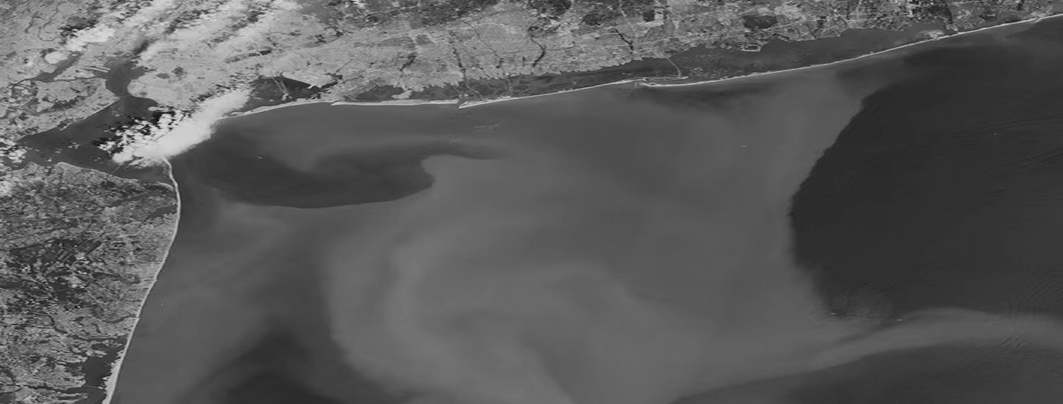
Researchers at the Indian National Centre for Ocean Information Services (INCOIS) have found a way to measure chlorophyll-a levels in the Bay of Bengal in real-time.
Here are their Findings:
They observed two peaks of chlorophyll-a:
The first peak occurs before the southwest monsoon due to recurrent phytoplankton blooms in coastal waters.
The second peak occurs at the end of the southwest monsoon and spreads to offshore areas.
Phytoplanktonblooms contribute to inc reased chlorophyll-a levels in nearshore waters.
These algal blooms reduce oxygen levels in the water, which disrupts the ocean ecosystem.
Consequently, marine life such as fish populations are severely affected, leading to a decline in fish catch.
Phytoplanktons
Phytoplankton are tiny plants found in the ocean.
They are crucial indicators of ocean health and play a vital role in regulating marine life.
Phytoplankton contain chlorophyll, which allows them to capture sunlight and convert it into energy through photosynthesis.
They help maintain the balance of carbon dioxide and oxygen in the ocean by consuming CO2 and releasing oxygen.
While all phytoplankton perform photosynthesis, some also obtain energy by consuming other organisms.
Phytoplankton are responsible for more than half of the oxygen we breathe and play a key role in regulating Earth’s climate by absorbing carbon dioxide.
They form the base of the aquatic food chain, providing food for various marine organisms.
Chlorophyll
Chlorophyll is a green pigment found in plants, algae, and cyanobacteria.
It absorbs light mostly in the blue and red parts of the sunlight spectrum, which gives plants their green colour.
It’s responsible for trapping light energy from the sun, which plants use to convert carbon dioxide and water into sugars through photosynthesis.
Chlorophyll is crucial for photosynthesis, the process by which plants make energy from light.
Chlorophyll molecules are arranged in special structures called photosystems, found in the membranes of chloroplasts, where photosynthesis takes place.
Chlorophyll a: Found in all higher plants, algae, and cyanobacteria.
Chlorophyll b: Found in higher plants and green algae.
Chlorophyll c: Found in diatoms, dinoflagellates, and brown algae.
Chlorophyll d: Found exclusively in red algae.
Source and Credits Eutrophication and Algal Bloom
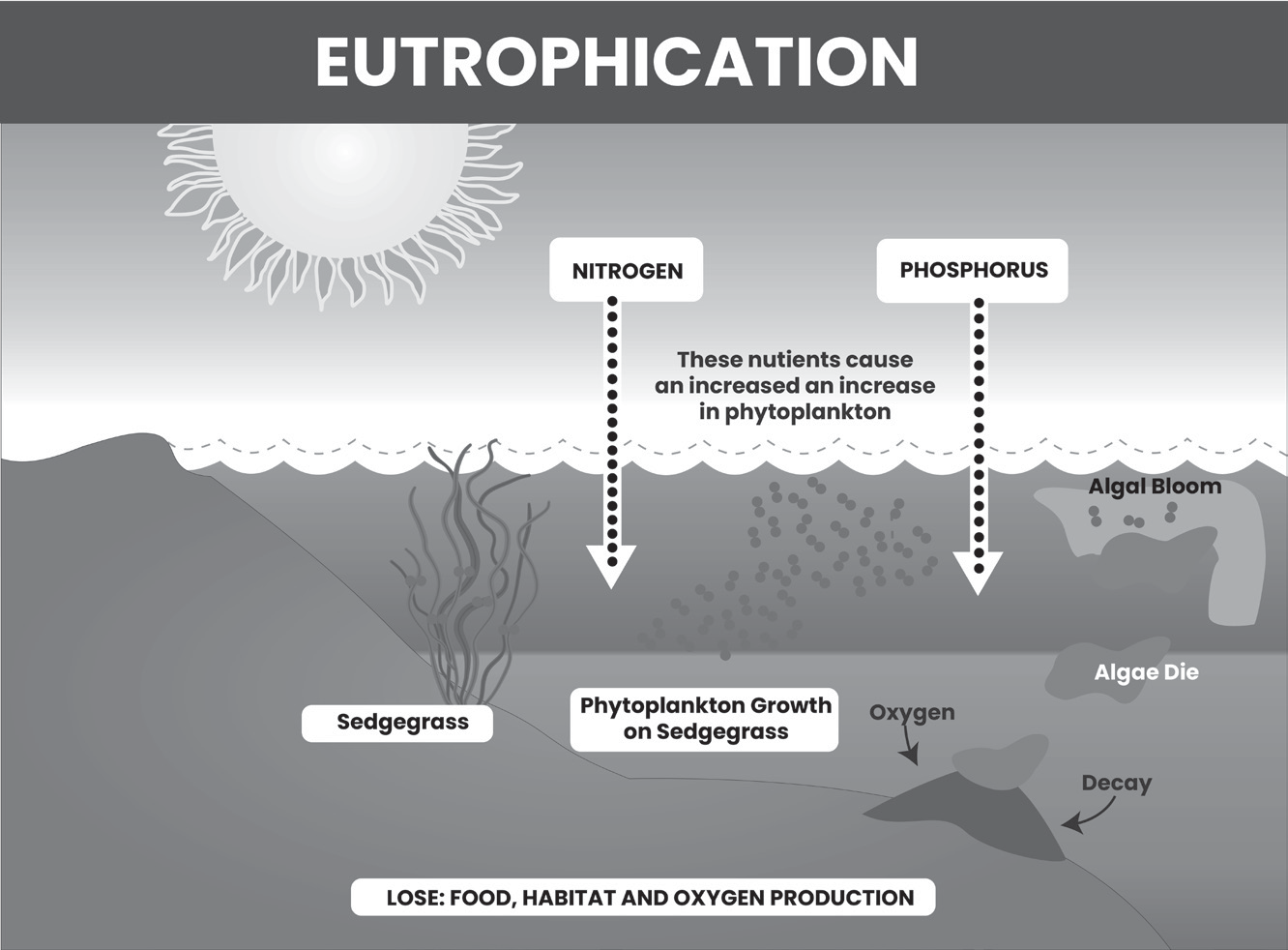
Eutrophic Water Body: A eutrophic water body is rich in nutrients, which supports a dense plant population. This dense plant growth leads to an abundance of organic matter, which, when decomposed, consumes oxygen and can lead to the death of animal life due to oxygen depletion.
Eutrophication occurs when nutrients like nitrates and phosphates are added to a water body, either naturally or through human activities like fertilisation.
Phytoplankton, including algae and blue-green bacteria, thrive on these excess nutrients, leading to a rapid increase in their population.
This sudden growth of phytoplankton, called an algal bloom, covers almost the entire surface layer of the water body.
Mechanism
Phytoplankton perform photosynthesis during the day, adding oxygen to the water.
However, at night, they respire aggressively, consuming more oxygen than they produce.
Algal blooms lead to rapid oxygen depletion due to the high population of phytoplankton.
Lack of oxygen kills small fish, disrupting the food chain.
Microorganisms consume more oxygen during the decomposition of dead algae, plants, and fish.
Anaerobic conditions thus created, promote the growth of bacteria like Clostridium botulinum, which produce toxins harmful to aquatic life, birds, and mammals.
Warmer water temperatures also contribute to algal blooms.
Algal blooms can appear in various colours, with red or brown being the most common, often referred to as red or brown tides.
Harmful Algal Blooms
While most algal blooms are harmless, some produce toxins and are called Harmful Algal Blooms (HABs).
Toxicity: Certain HABs release neurotoxins and hepatotoxins, which can kill aquatic organisms and pose a threat to humans. For example, shellfish poisoning.
HAB events negatively impact commercial and recreational fishing, tourism, and important habitats.
Effects of Eutrophication
Algal blooms block sunlight, leading to the death of aquatic plants and reducing oxygen replenishment in water.
Invasion of new species: Eutrophication alters nutrient levels, promoting the growth of different species and changing the ecosystem’s composition.
Loss of freshwater lakes: Eutrophication leads to the accumulation of detritus, shallowing of water bodies, and transformation into marshes.
Loss of coral reefs: Decreased water transparency caused by increased turbidity harms coral reefs.
Navigation problems: Increased turbidity affects navigation, causes discolouration and odours in water, and promotes the growth of harmful phytoplankton and algae.
World’s Oceans Have Less Oxygen Today
A study by IUCN found that the world’s oceans have less oxygen now than they did in the 1960s, with a decrease of around 2 percent from 1960 to 2010.
The main reasons for this decline are eutrophication and nitrogen deposition resulting from the burning of fossil fuels, along with the widespread effects of ocean warming.
Warmer oceans lead to less oxygen because it’s less soluble in warm water, and temperature-driven stratification occurs.
Ice melt and glacial runoff create less salty and less dense layers that float on top of the ocean, inhibiting the upwelling of nutrients.
This stratification hampers the supply of nutrients
to the upper layer of the ocean, where most oceanic photosynthesis, such as by phytoplankton, takes place.
The decrease in nutrient supply is likely to reduce rates of photosynthesis in the surface ocean.
Ocean Deoxygenation
Ocean deoxygenation refers to the expansion of oxygen minimum zones (OMZs) in the world’s oceans, which is caused by human activities like the emission of carbon dioxide.
OMZs (Oxygen Minimum Zones) occur in regions where a combination of physical factors, like ocean stratification, and biological processes, such as reduced photosynthesis, result in the formation of areas with low oxygen concentrations, often referred to as anoxic zones.

Effects of Deoxygenation of Oceans
Increased acidity: Deoxygenation leads to ocean acidification, which can degrade the shells of shellfish and other marine organisms.
Disruption of element cycling: Deoxygenation can disrupt the cycling of essential elements like carbon, nitrogen, and phosphorus, which are crucial for marine life.
Decline in fish populations: Reduced oxygen levels can result in the death of fish in large numbers, as there may be less phytoplankton for them to feed on.
Elephant Deaths in Botswana
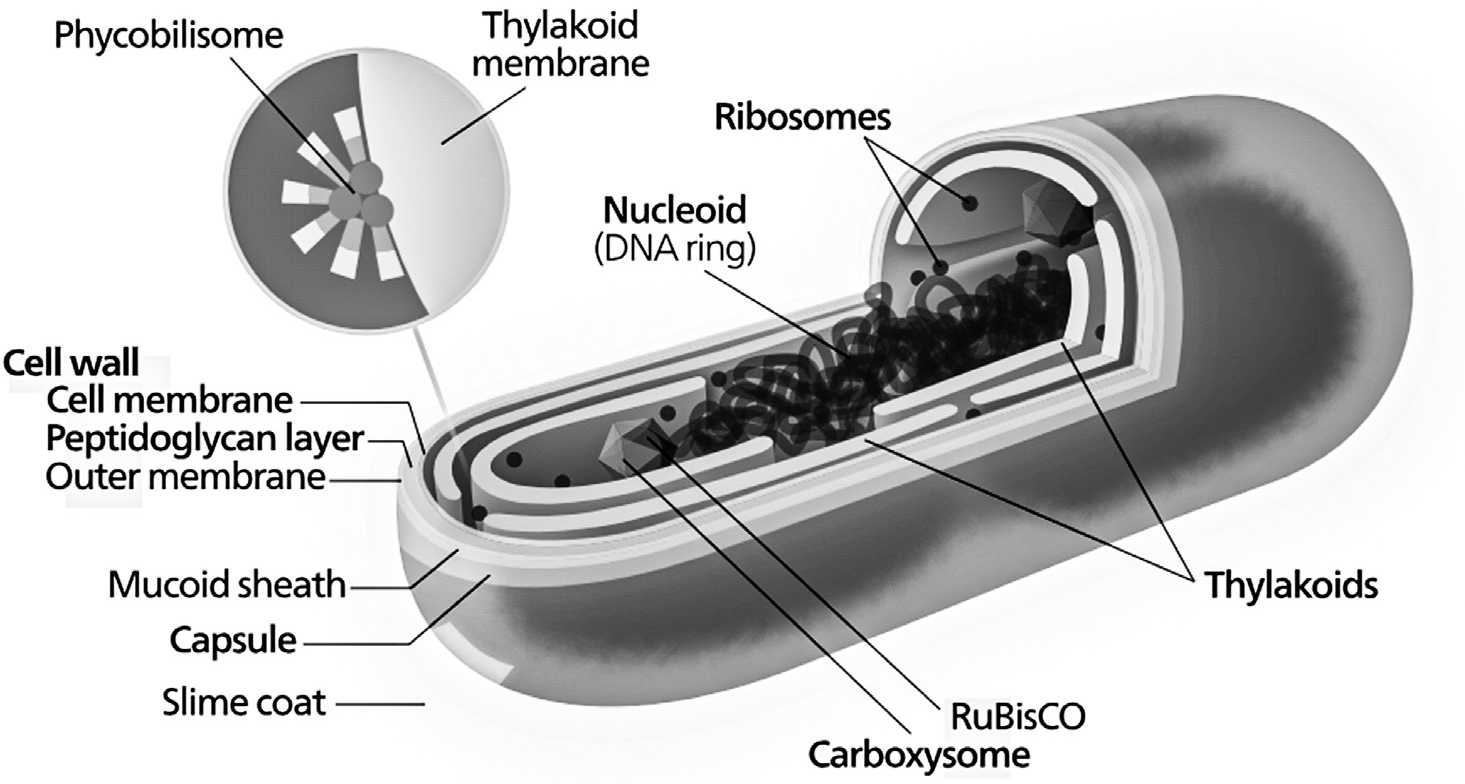
Cyanobacteria are tiny organisms commonly found in water and occasionally in soil. In a recent incident in Botswana, toxins produced by cyanobacteria in the water led to the deaths of over 300 elephants.
Cyanobacteria
Cyanobacteria are aquatic and photosynthetic microorganisms.
They are typically unicellular but can form colonies visible to the naked eye. Remarkably, they are among the oldest known fossils, dating back more than 3.5 billion years.
Cyanobacteria are one of the largest and most significant groups of bacteria on Earth.
They play a crucial role in providing nitrogen fertiliser for crops like rice and beans. Often referred to as “blue-green algae,” cyanobacteria have contributed significantly to
the origin of plants.
In fact, the chloroplasts within plant cells, responsible for photosynthesis and food production, are believed to have originated from cyanobacteria living symbiotically within plant cells.
Algal Bloom
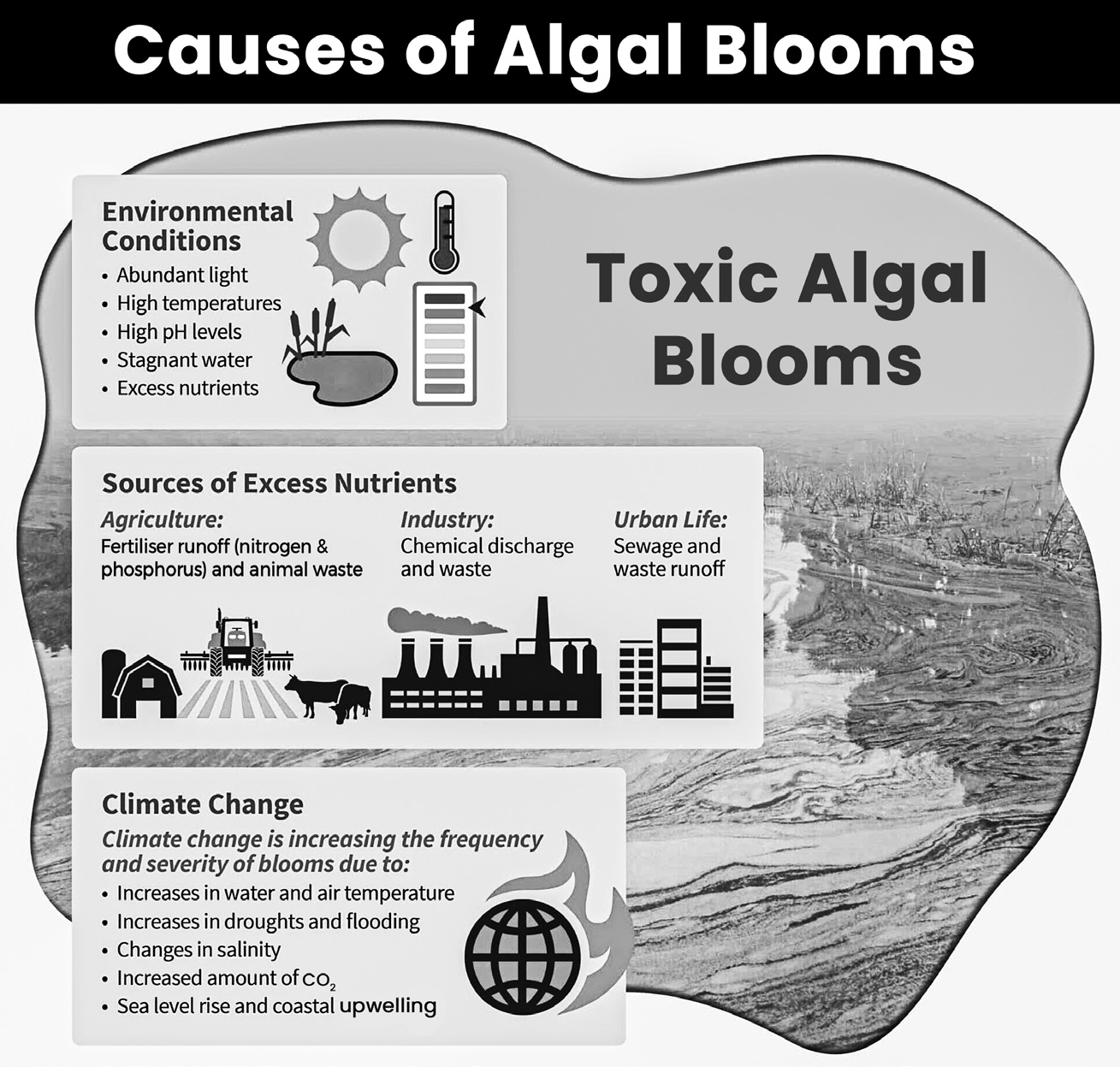
An algal bloom, also known as a marine bloom or water bloom, is a rapid increase in the population of algae in an aquatic system.
These blooms can occur in both freshwater and marine environments.
While there isn’t an officially recognised threshold level, algal blooms typically occur when algae concentrations reach hundreds to thousands of cells per milliliter, depending on the species involved.
Algal blooms can display various colours, including green, yellowish-brown, red, and bright green. Bright green blooms are often caused by blue-green algae, which are actually bacteria known as cyanobacteria.
Excessive nutrients, particularly phosphorus and nitrogen, can trigger algal blooms by fueling the rapid growth of algae and aquatic plants.
As these organisms grow and eventually die, they become food for bacteria, which decompose the organic matter. However, this decomposition process consumes dissolved oxygen in the water, leading to a decrease in oxygen levels.
Low oxygen levels can be harmful to fish and other aquatic life, creating dead zones where many organisms cannot survive. Also, some algal blooms can be toxic, producing neurotoxins that can have severe biological impacts on wildlife. These toxic algal blooms are known as Harmful Algal Blooms (HABs).
Dead Zones
Dead zones, also known as biological deserts, are areas in coastal delta and estuarine regions characterised by very low oxygen concentrations, creating hypoxic conditions. These zones can occur naturally due to factors like the upwelling of nutrients, but human activities can also create or them.
These zones typically arise when an influx of chemical nutrients, such as nitrogen and phosphorus, promotes the rapid growth of algae. As the algae die and decompose, the process consumes oxygen, leading to hypoxic conditions in the water column. Dead zones are usually found in the saltwater layer between 200 and 800 meters below the surface.
The low oxygen levels in dead zones are harmful to animal life. Most marine organisms either die or migrate away from these areas in search of oxygen-rich waters.
One of the largest dead zones occurs annually in the Gulf of Mexico, particularly during spring. This phenomenon is largely attributed to agricultural runoff, where fertilisers from farms are washed into streams and rivers by rain, eventually reaching the Gulf of Mexico and fueling algal blooms.
Also, a dead zone has been identified in the Gulf of Oman, and it appears to be expanding.
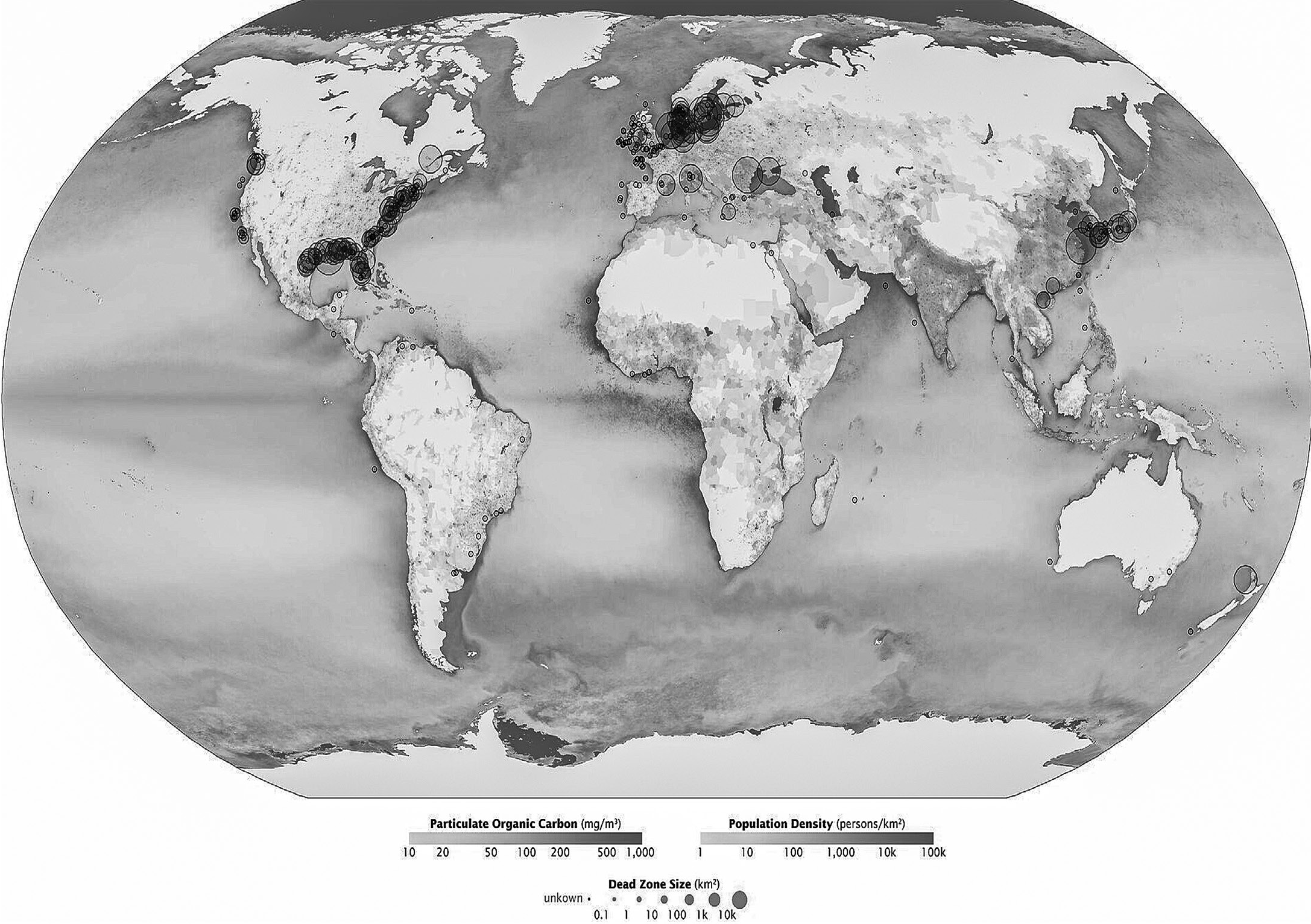
The red circles on the map show where dead zones were observed in 2010. The black dots represent dead zones, but we don’t know their exact size. The dark blue regions on the map indicate areas where the water is very fertile, meaning it has a lot of nutrients.
Mechanism of Formation of Dead Zones
Eutrophication
Eutrophication is when a body of water becomes overly rich in nutrients, like nitrates and phosphates. This leads
to a rapid growth of algae & plants, which can be so dense that it prevents sunlight from reaching other organisms below.
When these plants die and decompose, they use up oxygen in the water, leading to low oxygen levels.
This lack of oxygen can suffocate animals living in the water. Eutrophication can happen naturally, but human activities like using fertilisers and releasing sewage can also cause it to occur more quickly and severely.
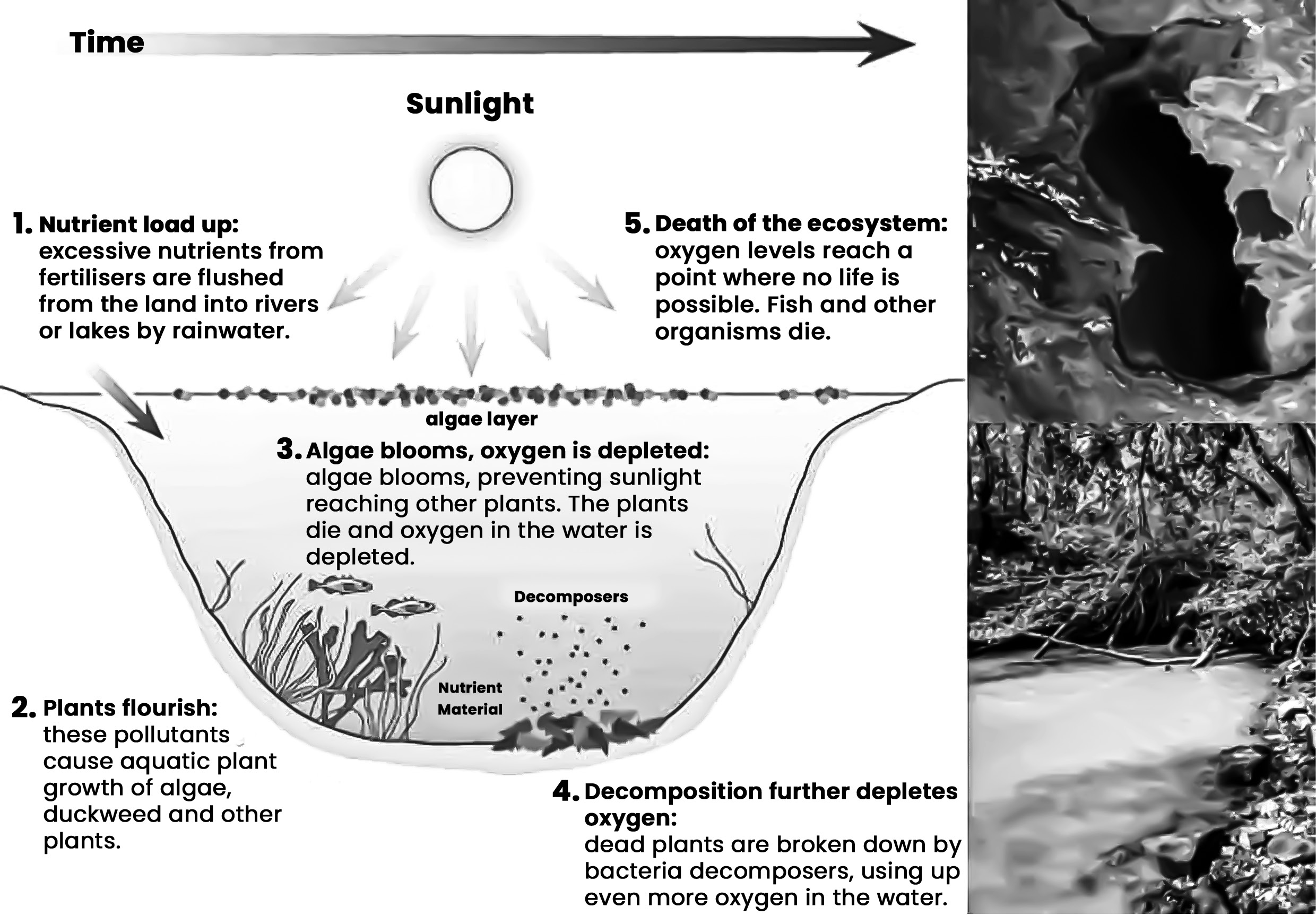
Hypoxic Condition
Hypoxic conditions occur in water when there’s a severe depletion of oxygen. This often happens due to a combination of factors, including the aggressive respiration of phytoplankton, especially during nighttime when they consume more oxygen than they produce through photosynthesis.
Algal blooms, which involve a rapid increase in phytoplankton populations, aggravate this oxygen depletion. As a result, small fish and other primary consumers can die due to lack of oxygen.
Also, the decomposition of organic matter, such as dead algae and fish, further consumes oxygen, worsening the hypoxic conditions. The separation between freshwater and saltwater layers can also contribute to the persistence of hypoxic conditions by preventing vertical mixing that
would otherwise help replenish oxygen levels.
Blue Tide
A blue tide, or bioluminescent tide, is a phenomenon where the sea appears deep blue due to the presence of luminescent marine life. This spectacle is created by phytoplankton, specifically dinoflagellates, which are microscopic marine plants capable of producing light through chemical reactions in proteins.
When waves disturb these single-celled organisms, they release blue light, giving the ocean a radiant blue glow.
The occurrence of blue tides is influenced by factors such as wind patterns and the temperature of the ocean.
What is Bioluminescence?
Bioluminescence is the ability of living organisms to produce and emit light. This phenomenon is observed in various organisms including animals, plants, fungi, and bacteria. In marine environments, bioluminescence is particularly common among organisms such as bacteria, algae, jellyfish, crustaceans, sea stars, fish, and sharks. Typically, deep-living and planktonic organisms exhibit higher levels of luminescence compared to shallow-water species.
The glow produced by bioluminescent organisms serves several purposes. One key function is as an antipredatory response. When threatened by predators, these organisms emit light, which can startle and deter predators, causing them to hesitate or retreat. This serves as a form of predator intimidation, helping the bioluminescent organisms evade predation.
Also, bioluminescence can aid in gathering and forming colonies. By emitting light, organisms can attract mates or signal to members of the same species, facilitating reproduction and social interactions within the colony.
Is the Blue Tide Harmful?
Smaller blooms of bioluminescent phytoplankton may be harmless and simply create a mesmerising visual spectacle.
However, larger, slow-moving blooms can negatively impact deep-sea fishing activities. These blooms can disrupt marine ecosystems, affecting the abundance and distribution of fish populations.
Experts suggest that the Blue Tide phenomenon may serve as an indicator of climate change. Changes in ocean temperature, nutrient levels, and other environmental factors can influence the occurrence and intensity of bioluminescent events.
The presence of bioluminescent phytoplankton can also indicate degraded water quality. Factors such as low dissolved oxygen levels and high nitrogen concentrations in seawater may contribute to the proliferation of these organisms.
Bioluminescence could be triggered by various factors, including heavy rainfall, runoff of fertilisers from agricultural lands, discharge of sewage, and other forms of pollution
Ground Water Pollution
Ground Water Pollution
Groundwater Depletion & its Effects on Crops
A recent study suggests that if groundwater continues to decrease in India, it could lead to a significant drop in food crop production. Across the country, there could be a 20% decrease in food crops, and in areas with the lowest groundwater levels by 2025, the reduction could be as high as 68%.
Central Pollution Control Board on pollution of river stretches
In 2025, the Central Pollution Control Board has identified 296 polluted river stretches across 271 rivers in 32 states and Union Territories—shows the decline from the 351 stretches recorded in 2018, but still remains high in its scale. It indicates the ineffective efforts made in the direction to mitigate pollution from the rivers of India. It also shows the requirement of effective management of Namami Ganga project. A stringent strategy is still required to achieve pollutant free rivers.
As per the (CPCB) 2025 report on ‘Polluted River Stretches for Restoration of Water Quality', two polluted river stretches have been identified in Maharashtra, one in Assam and four in Gujarat
Findings
India ranks as the second-largest producer of wheat globally. However, severe groundwater depletion could lead to a reduction in cropping intensity for winter crops, including wheat, barley, mustard, and peas. By 2025, the cropping intensity for these winter crops may decrease by up to 20%.
Approximately 13% of villages where farmers cultivate winter crops are located in regions facing critically low groundwater availability.
The study highlights that India may experience more frequent flash droughts by the end of the century,
exacerbating the challenges faced by agricultural communities.
Even if regions currently reliant on depleted groundwater for irrigation transition to canal irrigation systems, the study suggests that cropping intensity may still decline by 7% nationally.
Status of Groundwater in India
The Groundwater Situation in India is Concerning:
Approximately 85% of rural water supply relies on groundwater.
Excessive extraction has led to a significant decline in the water table in many areas, posing a threat to groundwater sustainability.
Regions like the Indo-Gangetic Plain, Northwestern, Central, and Western parts of India heavily depend on groundwater for irrigation.
In these regions, particularly Western India and the Indo- Gangetic Plain, over 90% of the irrigated area relies on groundwater.
Even a small drop in groundwater levels could
significantly increase India’s total carbon emissions.
Causes for Depletion
Unsustainable water usage, including excessive pumping from the ground, surpassing the natural recharge rate.
Low-intensity rainfall during the monsoon season, reducing natural replenishment.
High agricultural demands, particularly for irrigation purposes.
Aggravation of groundwater depletion due to increasingly hot and dry monsoon seasons.
Historical factors such as the Green Revolution, promoted intensive rice cultivation in regions like Punjab and Haryana, leading to heavy groundwater extraction.
Limited storage facilities due to the challenging terrain, especially in central India characterised by hard rock formations.
Effects
The effects of groundwater depletion in India include:
Reduction in the depth of large water bodies due to declining groundwater levels.
Negative impacts on food supply and human populations as large aquifers are depleted.
Limitations on biodiversity due to reduced groundwater availability.
Formation of dangerous sinkholes resulting from the depletion of aquifers.
Annual Groundwater Quality Report 2025
Published by: Central Ground Water Board (CGWB)
Findings:
100% of ground water samples in North-Eastern States are in excellent category for irrigation
About 20% of samples nationwide exceed the safe limit of 45 mg/L for nitrate
Around 8% to 9% of tested samples exceed the
permissible limits for fluoride
Delhi recorded highest contamination of lead
Measures Taken by India for Managing its Ground Water Resources
The National Water Policy (2012), formulated by the Department of Water Resources, emphasises rainwater harvesting and water conservation, promoting the direct use of rainfall to increase water availability.
Also, the Central Ground Water Authority (CGWA) has mandated rainwater harvesting under the Environment Protection Act, 1986, for all target areas in the country, including Union Territories.
Furthermore, the Central Ground Water Board (CGWB) developed a document titled “Master Plan for Artificial Recharge to Ground Water in India,” which aims to construct 1.11 crore rainwater harvesting and artificial recharge structures across the country. These structures will harness surplus monsoon runoff to enhance groundwater resources.
The Ministry of Housing & Urban Affairs issued the Model Building Bye-laws, 2016, recommending Rainwater Harvesting for all buildings with plot sizes of 100 sq. m or more.
The Government of India also approved the Atal Bhujal Yojana (Atal Jal), a Rs. 6000 Crore Central Sector Scheme, aimed at sustainable management of groundwater resources with community participation in water-stressed blocks across several states.
Also, the National Aquifer Mapping and Management (NAQUIM) initiative has been launched to map and develop aquifers for the sustainable development of groundwater resources. Schemes for Aquifer Rejuvenation are being implemented in select overexploited blocks on a pilot basis under the ‘Ground Water Management and Regulation’ scheme.
Furthermore, a joint Action Plan has been developed with the Ministry of Rural Development to effectively implement water conservation and artificial recharge structures in convergence with the Mahatma Gandhi National Rural Employment Guarantee Scheme (MGNREGS).
Artificial Recharge and Rainwater Harvesting are also being implemented under various government schemes such as the Pradhan Mantri Krishi Sinchayee Yojana (PMKSY), MGNREGS, Integrated Watershed Management Programme (IWMP), and Command Area Development & Water Management (CAD&WM) Programme.
Various schemes and programs have been launched under Ministry of Jal Shakti including the Jal Jeevan Mission (JJM), which aims to provide piped water supply to all rural households by 2024. Additionally, the Jal Shakti Abhiyan focuses on water conservation, particularly in 1,592 “water-stressed” blocks across 257 districts.
Other initiatives include the Pradhan Mantri Krishi Sinchayi Yojna, which promotes efficient water usage in agriculture, and the Micro Irrigation Fund under NABARD, which provides financial support for micro- irrigation projects. These efforts collectively aim to improve water availability, usage, and conservation across the country.
Measures Required
Implement policies to expand irrigation infrastructure in eastern India to boost agricultural productivity and relieve pressure on north-western states.
Develop water resource management plans that consider the impacts of climate change to accurately forecast future water supplies.
Revitalise traditional water conservation and harvesting techniques such as constructing farm ponds, check dams, gully plugging, dug wells, borewells, artificial glaciers in Ladakh, and Tamaswada Pattern nallahs treatment in Maharashtra.
Strengthen regulations and enforce strict penalties to ensure compliance with water conservation measures.
Encourage farmers to adopt micro-irrigation techniques like drip irrigation and micro-sprinklers through government schemes such as the DRIP programme, more
crop per drop, and Krishi Sinchai Yojana.
Facilitate artificial recharge of tube wells, promote water reuse, afforestation, and employ scientific agricultural methods to optimise water usage.
Conduct studies to understand aquifer geometry, including establishing saline-fresh interfaces in coastal areas and assessing the impact of glacier melting on aquifer recharge in the Ganga basin and transboundary
aquifer systems, especially in arid and semi-arid regions.
Arsenic Bioremediation using two Soil Bacteria
Bioremediation involves utilising microorganisms like bacteria and fungi to break down environmental pollutants into less harmful forms. These microorganisms can even be engineered for this purpose using genetic techniques.
In the case of arsenic contamination, using water contaminated with arsenic for agriculture can lead to toxic levels of arsenic in crops. Researchers from CSIR- National Botanical Research Institute (CSIR-NBRI) in Lucknow have demonstrated that certain bacteria, namely Bacillus flexus and Acinetobacter junii, can help remove arsenic from contaminated soil.
In their study, these bacteria were exposed to different concentrations of arsenate and arsenite, which are the toxic forms of arsenic. Bacillus flexus showed resistance to arsenate, while Acinetobacter junii exhibited resistance to arsenite. Both bacteria possess specific genes that aid in detoxifying arsenic, making them effective agents for bioremediation.
The Bacteria can Also Promote Plant Growth
Both Bacillus flexus and Acinetobacter junii were capable of solubilising phosphorus, a crucial nutrient for plant growth. Phosphate-solubilising bacteria are known to improve the availability of phosphate to plants, thereby promoting their growth.
Furthermore, these bacterial strains were found to produce siderophores and ACC deaminase enzyme. Siderophores play a role in increasing the bioavailability of iron and other metal ions in polluted soil, while ACC deaminase is an enzyme known for promoting plant growth.
In arsenic-contaminated soils, these bacteria can establish a symbiotic relationship with plant roots. They assist plants in obtaining necessary nutrients without causing toxicity, thereby contributing to their overall health and growth.
In Situ Bioremediation
In situ bioremediation involves treating contaminated material directly at the site where the contamination occurred.
Bioventing: Nutrients are supplied to contaminated soil through wells to stimulate the growth of bacteria.
Biosparging: Air is injected under pressure below the water table to increase oxygen levels in groundwater,
helping bacteria degrade contaminants.
Bioaugmentation: Microorganisms are introduced to the
contaminated site to boost the degradation process.
An example of in situ bioremediation is TERI’s development of a bacteria mixture called ‘Oilzapper and Oilivorous-S,’ which breaks down pollutants in oil- contaminated sites without leaving harmful residues
behind.
Ex-Situ Bioremediation
Ex-situ bioremediation involves removing contaminated material from its original location to be treated elsewhere.
Landfarming: Contaminated soil is excavated and spread over a prepared bed, then regularly tilled to stimulate natural microorganisms to degrade pollutants.
Bioreactors: Contaminated solid material or water is processed through a contained system where microorganisms break down the pollutants.
Composting: Organic materials are decomposed naturally to create compost, which can help remediate contaminated soil.
Advantages of Bioremediation
Effective against a wide range of contaminants.
Can specifically target and destroy pollutants.
Cost-effective compared to other methods.
Environmentally friendly.
Disadvantages of Bioremediation
Limited to compounds that can be broken down by microorganisms.
Takes longer compared to some other treatment methods.
Phytoremediation
Phytoremediation involves using plants to clean up contaminants from soil and water.
Natural phytoremediation occurs with plants like mangroves and wetland vegetation.
Phytoextraction or phytoaccumulation is when plants absorb contaminants into their roots and aboveground parts.
Sewage Water Treatment for Domestic Use
During the treatment of drinking water, various substances are removed including suspended solids, bacteria, algae, viruses, fungi, and minerals like iron and manganese.
The removal processes include physical methods like settling and filtration, chemical processes such as disinfection and coagulation, and biological methods like slow sand filtration.
Coagulation / Flocculation
In water purification, coagulation involves adding substances like alum (Aluminium Sulphate) to untreated water. These substances cause tiny particles of dirt in the water to stick together, forming larger particles called flocs. Flocs are easier to remove by settling or filtration, resulting in cleaner water.
Sedimentation
During sedimentation, water containing floc particles moves into sedimentation basins where it flows slowly. This slow movement allows the heavier floc particles to settle to the bottom of the basin. The collected floc, known as sludge, is then piped to drying lagoons. In direct filtration, the sedimentation step is skipped, and the floc is removed solely by filtration.
Filtration
In filtration, water passes through a filter specially designed to trap particles present in the water. These filters typically consist of layers of sand, gravel, and sometimes crushed anthracite (coal). Filtration effectively removes suspended impurities from the water and improves the efficiency of disinfection processes.
Disinfection
Disinfection is the process of treating water before it enters the distribution system to ensure that any disease- causing bacteria, viruses, and parasites are destroyed.
Chlorine is commonly used for disinfection because it
is highly effective, and residual concentrations can be maintained to prevent biological contamination in the distribution system. This process is called chlorination.
Chlorine, however, can react with certain naturally occurring organic compounds in water, forming potentially harmful by-products like chloroform. The risk of this is minimised when chlorine is added after coagulation, sedimentation, and filtration.
Alternatively, ozone gas may be used for disinfection. While ozone effectively disinfects water without causing taste or odour issues, it is more expensive than chlorination because it cannot be stored and must be produced on-site.
Also, ozone leaves no residue in the water, making it challenging to monitor its continued effectiveness as water travels through the distribution system.
Fluoridation
Water fluoridation is the process of adjusting the fluoride concentration in community water supplies to the ideal level for reducing dental cavities or tooth decay.
Fluoride occurs naturally in water, but at high levels, it can cause a condition called fluorosis, which damages bones. To prevent this, the Bureau of Indian Standards has set limits for fluoride in drinking water.
To remove excess fluoride from water at home, you can treat it with substances like alum, lime, sodium carbonate, or bleaching powder, depending on the water’s alkalinity and fluoride content.
pH Correction
Adding lime to filtered water helps to adjust the pH level and stabilise the naturally soft water. This process reduces the risk of corrosion in the distribution system and in the plumbing systems of customers.
Removal of Iron
In many areas of India, excess iron in drinking water is a common problem, particularly in the North-East regions. High iron levels can cause unpleasant taste and odour in the water.
The Bureau of Indian Standards recommends a desirable limit for iron concentration in drinking water as 0.3 mg/l.
To address this issue, aeration and oxidation processes are used. The water is treated with oxidising agents, such as limestone, to convert the dissolved iron into insoluble ferric hydroxide. This insoluble iron compound can then be easily removed from the water through filtration.
Removal of Arsenic
In certain areas of West Bengal, groundwater contains arsenic, which is highly toxic. The Bureau of Indian Standards recommends a desirable limit for arsenic concentration in drinking water as 0.05 mg/l. To remove arsenic from water, substances like bleaching powder and alum are used. These
substances help neutralise or remove arsenic, making the water safer for consumption.
Bio-Toilets
Regular toilets on trains often lead to the direct discharge of human waste onto the tracks, causing corrosion and significant costs for track replacement.
Bio-toilets are installed beneath the lavatories on trains. These toilets use special bacteria that break down human waste, turning it into harmless water that doesn’t corrode the tracks. The Indian Railways, in collaboration with DRDO, designed
these bio-toilets for use on Indian trains.
Bio-Toilets Terminology
Bio-digesters: These are steel shells used for the anaerobic digestion of human waste, breaking it down into harmless components.
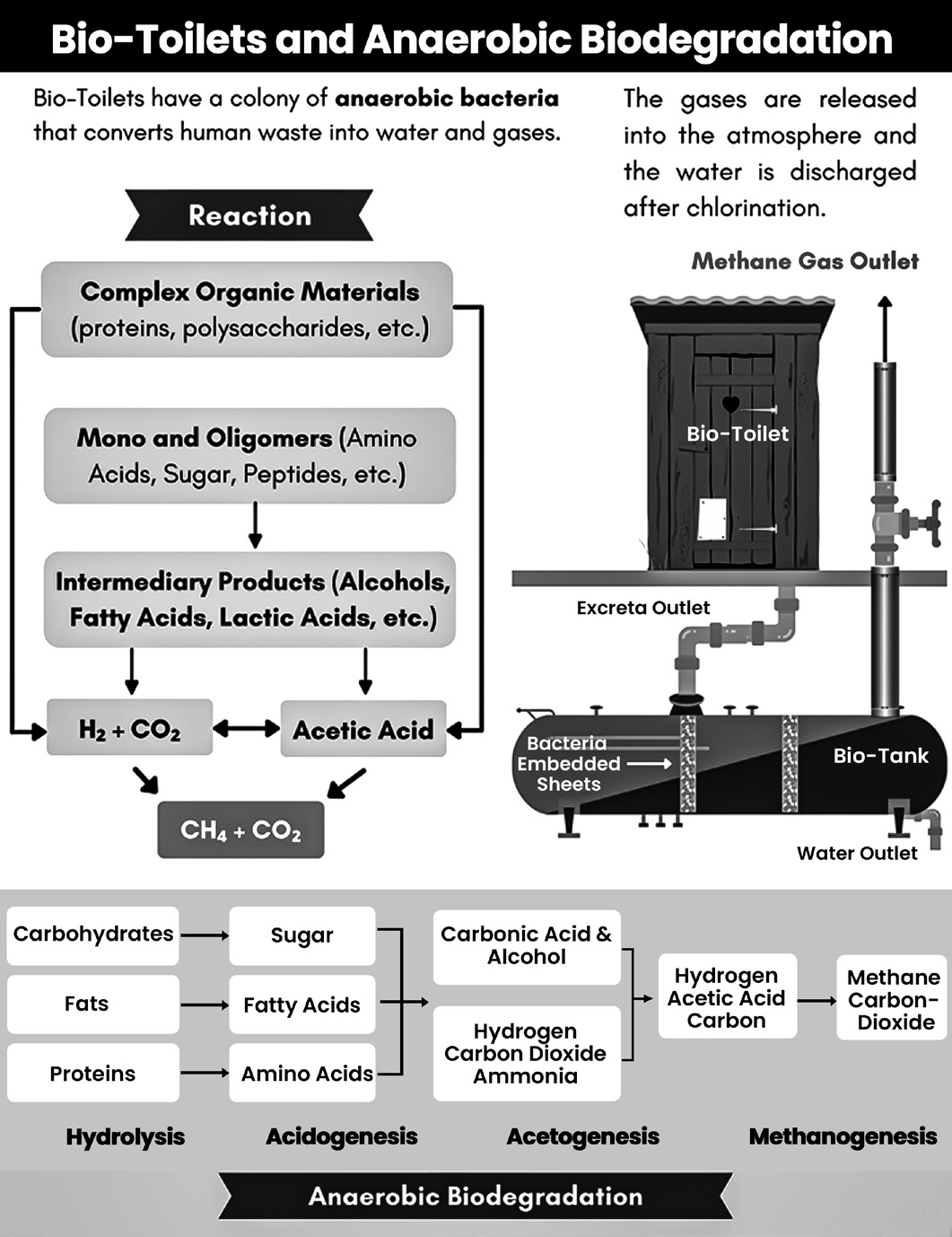
Bio-tank: Concrete tanks designed for the anaerobic digestion of human waste, similar to bio-digesters.
Aerobic Bacteria: Bacteria that thrive in the presence of oxygen and consume organic matter, oxidising it into stable end products.
Anaerobic Bacteria: Bacteria that thrive in the absence of oxygen and break down organic matter into stable end products, often producing foul-smelling gases like hydrogen sulfide and methane.
Facultative Bacteria: Bacteria that can function either aerobically or anaerobically, depending on the environment.
Anaerobic Microbial Inoculums: A mixture of bacteria responsible for breaking down complex polymers in human waste into simple sugars, which are then converted into biogas.
Anaerobic Biodegradation System
Anaerobic digestion is a process where microorganisms break down biodegradable material without using oxygen. This process produces methane and carbon dioxide as byproducts.
Anaerobic Gas Lift Reactor (AGR)
The Anaerobic Gas Lift Reactor (AGR) is a technology developed by CSIR-Indian Institute of Chemical Technology (IICT) for treating organic waste. It generates renewable energy in the form of biogas and produces bio-manure as a
byproduct.
Benefits
Odour-free: The AGR incorporates a high-rate anaerobic digester, ensuring there’s no foul smell during the waste treatment process.
High Methane Yield: The reactor produces a significant amount of methane, which can be used as a renewable energy source.
Comprehensive Waste Management: It provides an end- to-end solution for managing solid waste effectively.
Environmentally Friendly: AGR is a green method for reducing greenhouse gas emissions.
Scalability: The system can be designed to handle varying amounts of organic solid waste, ranging from 500 kg to 10 tons per day.
Disadvantages of Aerobic Biodegradation:
Needs constant aeration, which uses a lot of energy.
Incomplete aeration can cause bad smells.
Can’t handle detergents well.
Produces a lot of sludge.
Requires regular addition of bacteria or enzymes.
Maintenance and ongoing costs are high.
Advantages of Anaerobic Biodegradation:
Doesn’t need aeration.
Works in fully anaerobic conditions.
Kills over 99% of pathogens.
Can break down detergents and cleaning agents.
Produces very little sludge.
Only needs bacteria added once.
Requires minimal maintenance and no ongoing costs.
EcoSan Toilets
EcoSan toilets, short for ecological sanitation, are a sustainable way to manage human waste using dry composting toilets. These toilets offer a practical, clean,
efficient, and affordable solution to waste disposal.
By composting human waste, EcoSan toilets turn it into a valuable resource, such as natural fertiliser, instead of just discarding it.
Mitigation of Eutrophication
Wastewater Treatment: Treating industrial and domestic sewage to remove nutrient-rich sludge through wastewater processing.
Riparian Buffers: Creating buffer zones along waterways, farms, and roads to filter pollution. These buffers help prevent sediments and nutrients from reaching water bodies, depositing them on land instead.
Efficient Fertiliser Use: Increasing the efficiency of nitrogen and phosphorus fertilisers and using them at appropriate levels to minimise runoff.
Nitrogen Testing and Modeling: Using techniques like N-testing to determine the optimal amount of fertiliser needed for crops, reducing nitrogen loss to surrounding
areas.
Promoting Organic Farming: Encouraging farming practices that rely on organic fertilisers instead of chemical ones.
Reducing Nitrogen Emissions: Implementing measures to reduce nitrogen emissions from vehicles and power plants, which contribute to nutrient pollution in water bodies.
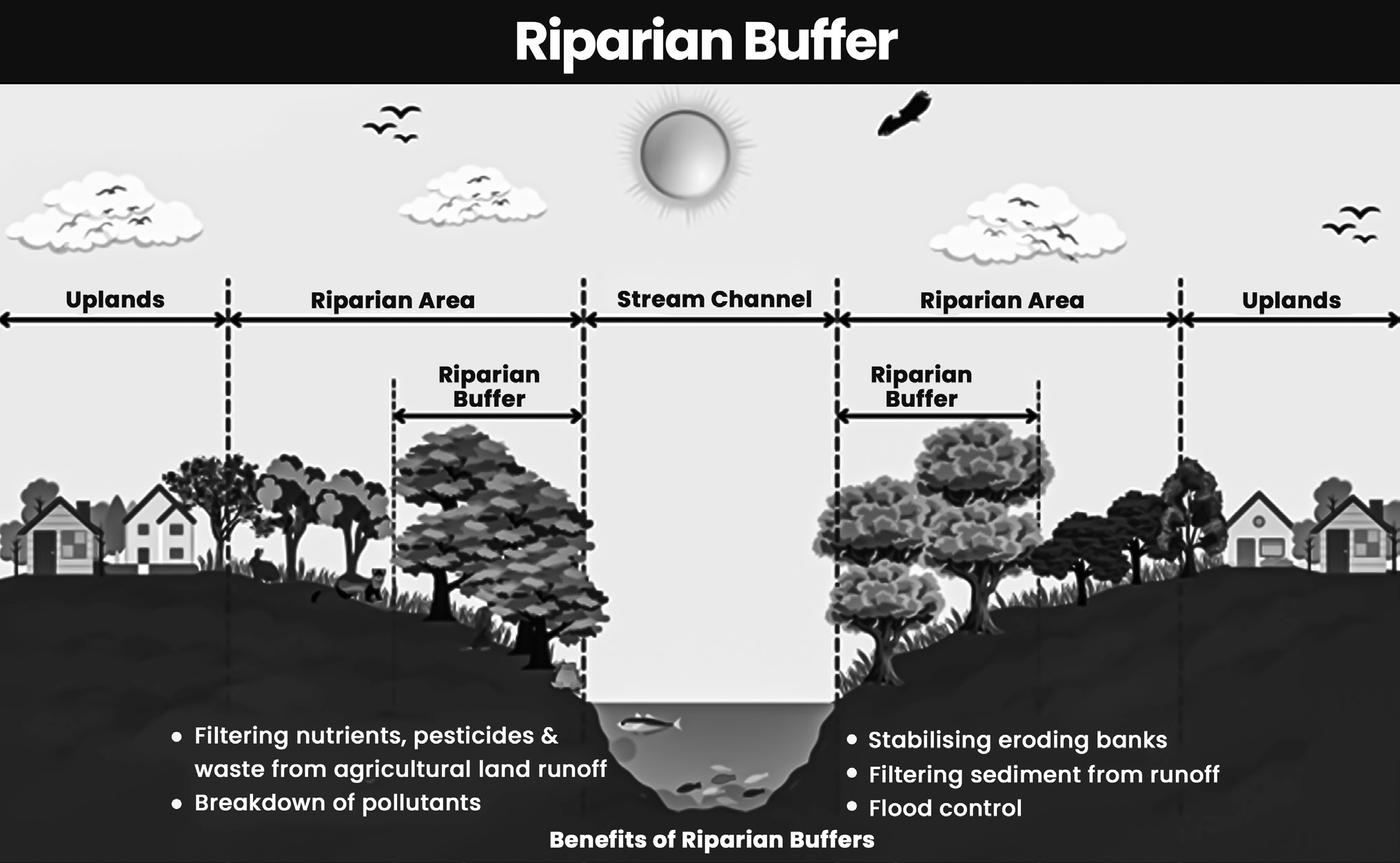
Swachh Bharat Mission
The Government of India launched the second phase of the Swachh Bharat Mission (SBM II). This phase, which will run from 2020-21 to 2024-25, has an estimated budget of approximately Rs 52,000 crore, which will be shared between the central and state governments.
SBM II will focus on achieving Open Defecation Free Plus (ODF Plus) status, which means sustaining ODF status and effectively managing solid and liquid waste.
This phase will also involve collaboration with schemes like MGNREGA for greywater management and will complement the newly launched Jal Jeevan Mission.
The funding arrangement between the Centre and States will vary:
For North-Eastern States, Himalayan States, and the Union Territory of Jammu and Kashmir, the ratio will be 90:10 (Centre: State).
For other States, it will be 60:40.
For Union Territories, the Centre will bear the entire cost.
Swachh Bharat Mission
The Swachh Bharat Mission (SBM) was launched on October 2, 2014, with the goal of achieving universal sanitation coverage by ensuring that all Gram Panchayats become Open Defecation Free (ODF).
The Ministry of Drinking Water and Sanitation is responsible for implementing SBM.
Under SBM, incentives are provided to households,
including both Below Poverty Line (BPL) and Above Poverty Line (APL) households, with a focus on marginalised groups such as Scheduled Castes (SCs), Scheduled Tribes (STs), physically handicapped individuals, and women-headed households. These incentives are shared between the Centre and States, with the ratio being 75% from the Centre and 25% from the
states.
In the case of North Eastern States and Special Category States, the central share of incentives is higher at 90%, indicating greater financial support from the central government.
Performance of the Mission
Since the launch of the Swachh Bharat Mission in 2014, significant progress has been made:
Sanitation coverage in the country has increased from
38.7% in 2014.
Over 10 crore individual toilets have been built across the nation.
ODF+ refers to all villages in the state that have toilet facilities as well as solid and liquid waste management facilities. As of September 2023, 4.4 lakh (75%) villages across the nation have declared themselves ODF Plus. The Centre has committed to having all villages ODF+ by 2024-25
Swachh Iconic Places
Swachh Iconic Places (SIP) is a program initiated by the Ministry of Drinking Water and Sanitation as part of the
Swachh Bharat Mission (SBM). It aims to enhance the cleanliness and sanitation standards of iconic places and their surroundings.
Implementation involves collaboration with other central ministries such as Urban Development, Culture, and Tourism, as well as the concerned states.
The initiatives under SIP include various improvements such as sewage infrastructure, sanitation facilities, water vending machines, solid and liquid waste management, lighting, beautification of parks, road maintenance, and better transportation facilities in approach and access areas, in addition to the main sites.
Marine Pollution
Marine Pollution
Marine pollution occurs when harmful chemicals are released into the ocean, causing damage to marine life. These chemicals often attach to small particles, which are then consumed by plankton and other sea creatures. As these creatures are eaten by larger animals, the toxins accumulate up the food chain. This can ultimately affect the food we get from animals like fish and livestock.
To address marine pollution and manage the use of the oceans worldwide, countries have created two important agreements: the Convention on the Dumping of Wastes at Sea and the United Nations Convention on the Law of the Sea (UNCLOS).
Convention on Dumping of Wastes at Sea
The Convention on the Dumping of Wastes at Sea, also known as the London Convention, was established during an inter-governmental conference held in London
in November 1972.
Its purpose is to globally regulate and prevent marine pollution caused by deliberate disposal of wastes into the ocean.
Dumping, as defined by the Convention, refers to the intentional disposal of wastes or materials from various sources such as vessels, aircraft, and man-made structures into the sea. However, it does not cover wastes resulting from seabed mineral resource exploration and exploitation.
Over time, several amendments were made to the Convention to address specific issues. For instance, the 1978 amendment focused on regulating the incineration of wastes at sea, while the 1993 amendments prohibited the dumping of low-level radioactive wastes into the seas. Furthermore, these amendments phased out the dumping of industrial wastes by 1995 and called for an end to incinerating industrial wastes at sea.
Initially, the Convention permitted the dumping of low-level radioactive wastes and industrial wastes, as well as the incineration of wastes at sea. However, with evolving environmental concerns, the 1996 Protocol was adopted on November 7, 1996, reflecting a shift in approach towards stricter regulations and environmental protection
1996 Protocol
The 1996 Protocol, which came into force in 2006, supersedes the 1972 Convention and imposes stricter regulations on marine pollution. Unlike the previous Convention, which allowed dumping under certain conditions, the Protocol takes a more restrictive approach.
Under the 1996 Protocol, preventive measures must be taken to avoid harm from wastes thrown into the sea, even in the absence of conclusive evidence linking inputs to their effects.
Also, the Protocol emphasises the principle that the polluter should bear the cost of pollution and aims to prevent pollution from being shifted from one part of the environment to another.
The Protocol prohibits the dumping of wastes or any other matter except for those listed in Annex 1, which includes materials like dredged material and sewage sludge. However, incineration of wastes at sea is strictly prohibited under the Protocol, contrary to the permissions granted by the 1972 Convention.
Furthermore, the Protocol prohibits the export of wastes or other matter to other countries for dumping or incineration at sea. The International Maritime Organisation (IMO) is tasked with Secretariat duties
related to the Protocol.
2006 Amendments to the Protocol
The 2006 Amendments to the Protocol, which came into effect in 2007, introduced regulations to govern carbon capture and storage (CCS) in sub-sealed geological formations.
These amendments are part of efforts to combat climate change and ocean acidification by promoting the development of low-carbon energy sources, particularly those with significant CO2 emissions.
Under these amendments, carbon dioxide (CO2) can be stored beneath the seabed, but strict regulations are imposed on the sequestration of CO2 streams derived from CO2 capture processes.
This means that while storing CO2 underground is allowed, it must be done in a controlled manner to prevent environmental harm.
The United Nations Convention on Law of the Sea
The United Nations Convention on the Law of the Sea (UNCLOS) sets out rules to protect the marine environment and ensure freedom for scientific research on the open seas.
It also establishes guidelines for managing resources in
deep-sea areas beyond any country’s jurisdiction.
This is overseen by the International Seabed Authority, which has numerous member states including India.
UNCLOS can also hold countries responsible for any harm caused by failing to meet their international duties to prevent ocean pollution.