Emotions
Emotions
Emotion is an affective state of consciousness in which joy, sorrow, fear, hate, love or the like, is experienced, as distinguished from cognitive and volitional states of consciousness.
An emotion is a complex human state that involves three distinct components - a subjective experience, a physiological response, a behavioural or expressive response.
Whereas, the term ‘affective’ is defined as something pertaining to feeling or emotions, especially pleasurable or unpleasurable aspects of a mental process.
Emotions can be Differentiated
• Feelings : These are a person’s internal perception of emotions, unique to the individual experiencing them.
• Moods : A mood refers to a person’s mental or emotional state at a particular moment. Unlike emotions, which are intense but short-lived, moods are usually less intense but last longer.
• For instance, after a disagreement with a friend about politics, you may feel briefly angry.
• In contrast, a mood is often milder than an emotion but persists for a longer duration.
• Sometimes, a mood can arise without an obvious cause, such as feeling low for several days without a clear reason.
• Affect : This is a broad term that encompasses emotions, feelings, and moods, though it is often used synonymously with emotion.
How Emotions Operate?
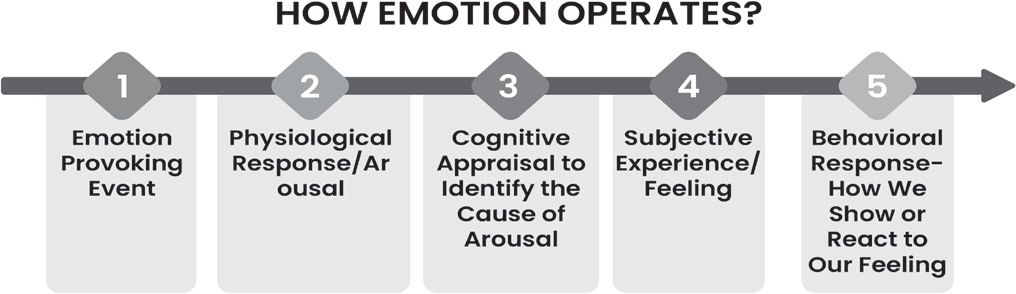
Types of Emotions
• Types of Basic Emotions : In 1972, psychologist Paul Eckman identified six fundamental emotions that are universally experienced across human cultures.
• Fear: A distressing feeling triggered by perceived danger, harm, or uncertainty.
• Disgust: A strong sense of aversion or disapproval,
often causing feelings of loathing or nausea.
• Anger : An intense emotion of displeasure, often accompanied by hostility.
• Surprise: A reaction of astonishment or wonder, usually in response to something unexpected.
• Happiness: A state of joy, contentment, or overall emotional well-being.
• Sadness : A feeling of emotional pain associated with loss, despair, grief, or disappointment.
• Expanded List of Emotions: In 1999, Eckman broadened his list to include additional emotions such as embarrassment, excitement, contempt, shame, pride, satisfaction, and amusement. These emotions can also blend in various ways for instance, happiness and anticipation together may result in excitement.
Functions of Emotions
• Influence on Thoughts and Behavior : Emotions significantly impact how we think and act. They can be brief, like a momentary irritation with a colleague, or persistent, such as prolonged sadness after a relationship ends.
• Motivation for Action : Emotions drive us to take action.
• For instance, emotions inspire charitable acts.
• Figures like Bill Gates and Azim Premji have donated their wealth due to emotional motivation.
• India has undertaken humanitarian missions like Operation Rahat and Operation Insaniyat out of compassion.
• Impact on Performance : Emotions influence our performance, as demonstrated by the Yerkes-Dodson curve, which shows the relationship between arousal and performance levels.
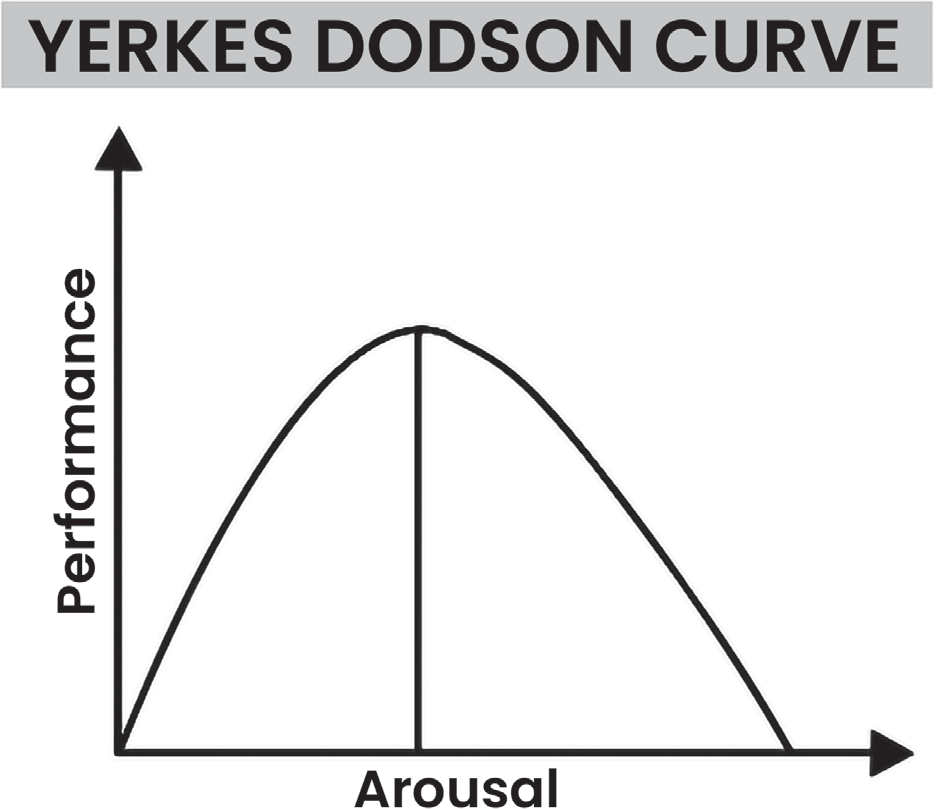
Figure: Yerkes Dodson Curve on Arousal and Performance
• Survival and Adaptation : Emotions help us respond to threats and opportunities. Charles Darwin
Intelligence Quotient vs Emotional Quotient
suggested that emotions are evolutionary adaptations aiding survival and reproduction.
• Anger prompts us to confront threats.
• Fear encourages us to escape danger.
• Role in Decision-Making : Emotions guide our choices, influencing everything from daily decisions, like selecting a meal, to significant choices, such as voting in elections.
• Enhancing Social Communication : Emotions help convey our feelings to others, allowing for better understanding and interaction in social settings.
Intelligence
• Intelligence is a set of cognitive abilities which allow us to acquire knowledge, to learn and to solve problems.
• IQ, (from “intelligence quotient”), a number used to express the relative intelligence of a person. It is one of many intelligence tests.
• According to Psychologists, there are four types of Intelligence:
• Intelligence Quotient (IQ)
• Emotional Quotient (EQ)
• Social Quotient (SQ)
• Adversity Quotient (AQ)
| 1. Intelligence Quotient (IQ): this is the measure of your level of comprehension. You need IQ to solve mathematics, memorize things, and recall lessons. | 2. Emotional Quotient (EQ): this is the measure of your ability to maintain peace with others, keep to time, be responsible, be honest, respect boundaries, be humble, genuine and considerate. EQ represents your Character. |
| 3. Social Quotient (SQ): this is the measure of your ability to build a network of friends and maintain it over a long period of time. Manual labour, Sports and Arts, etc help develop SQ. SQ represents your Charisma. | 4. Adversity Quotient (AQ): The measure of your ability to go through a rough patch in life, and come out of it without losing your mind. When faced with troubles, AQ determines to never give up, remain with family, and never consider suicide. |
Emotional Quotient
• EQ is the measurement of a person’s ability to monitor his or her emotions, to cope with pressure and demands and to control one’s own thoughts and actions.
•
It is an indicator of the accomplishment in the formation, maintenance and enrichment of both personal and professional relationships which manifests through various aspects of individual.
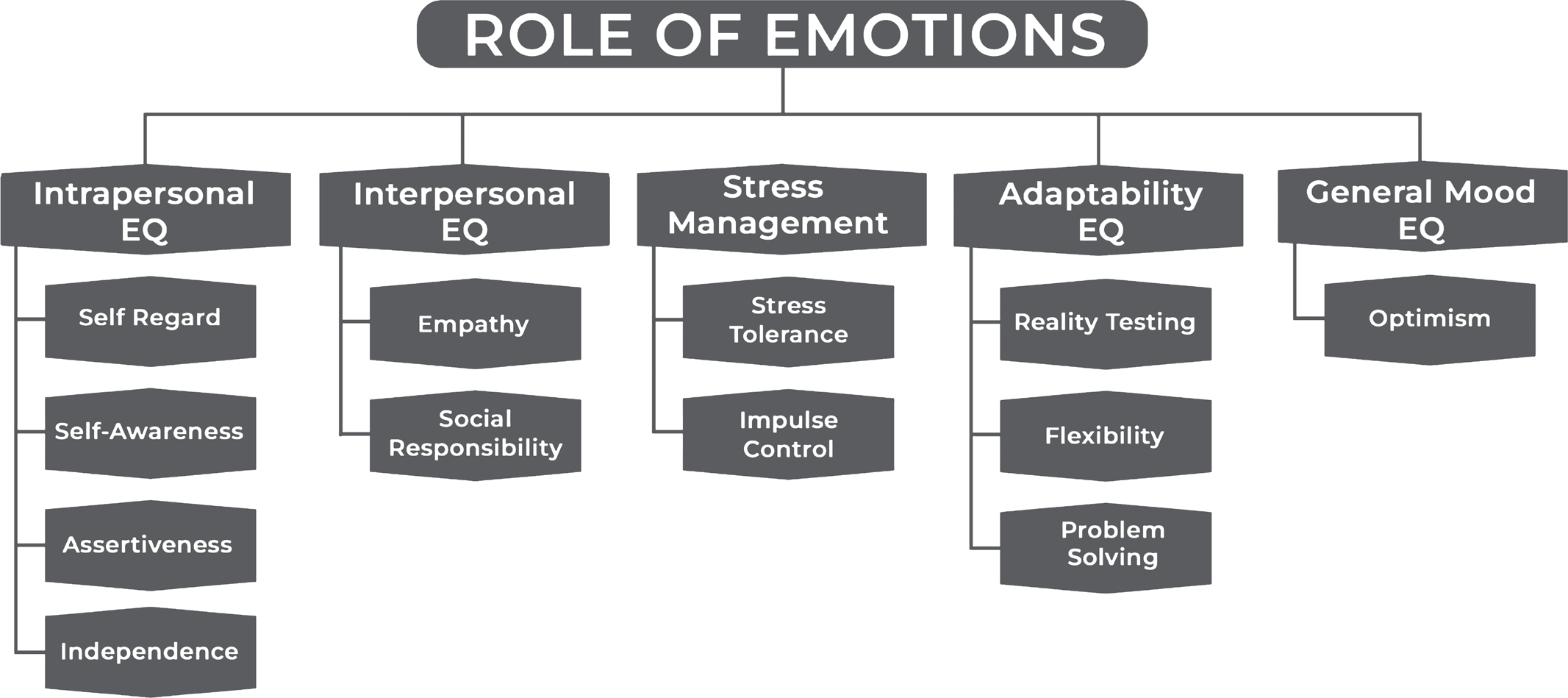
• Understanding Emotional Intelligence (EQ): Emotional intelligence (EQ) is a measure of a person’s ability to recognize, understand, and manage their own emotions, as well as to respond effectively to the emotions of others. It also involves handling stress, adapting to challenges, and exercising self-control over thoughts and behaviors in different situations.
• Influence on Personal and Professional Life : EQ plays a significant role in shaping both personal and professional success. It determines how well an individual builds, sustains, and enriches relationships while managing social interactions effectively. Several key areas of life are influenced by EQ, including:
• Physical Health : Managing stress and emotions positively impacts overall well-being and reduces the risk of stress-related illnesses.
• Mental Well-being : High EQ contributes to better emotional stability, reducing anxiety and depression.
• Relationships : Understanding and responding to emotions appropriately strengthens interpersonal connections and fosters trust.
• Conflict Resolution: The ability to regulate emotions and empathize with others helps in peacefully resolving conflicts.
• Success : Individuals with high EQ tend to make better decisions, stay motivated, and perform well in their careers.
• Leadership: Strong emotional intelligence is essential for effective leadership, as it enables leaders to inspire, guide, and connect with their teams.
•
Importance of EQ Over IQ : According to psychologist Daniel Goleman, emotional intelligence is a key factor in achieving success, happiness, and personal growth. He emphasizes that while IQ measures cognitive abilities, it is EQ that determines a person’s ability to navigate life’s challenges, build meaningful relationships, and achieve long-term goals.
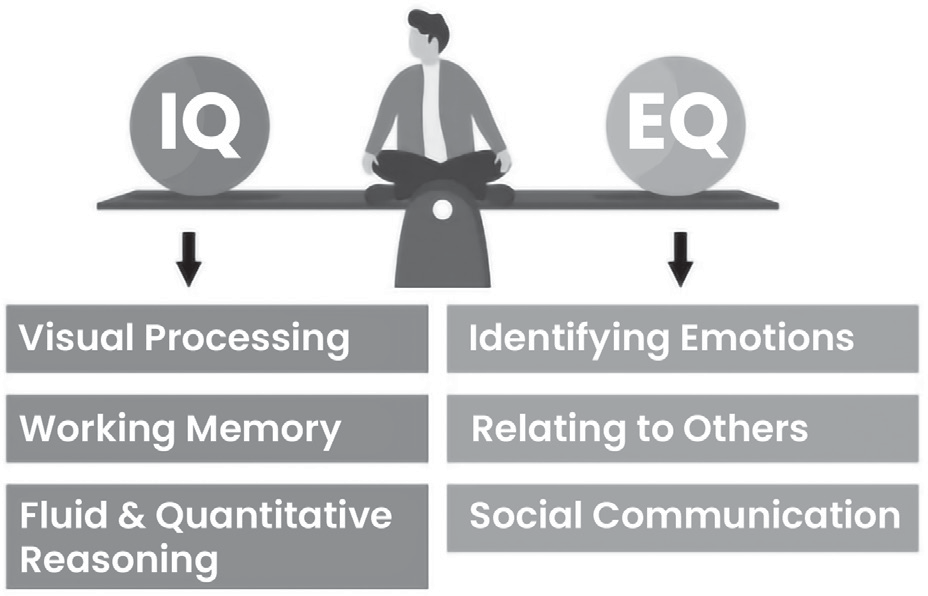
• IQ vs. EQ – IQ measures logical reasoning, vocabulary, and math skills, while EQ assesses emotional and creative abilities.
• Social Skills and EQ – A person with a high IQ may struggle to form relationships, while someone with a high EQ excels at building and maintaining social bonds.
• Development of EQ – IQ remains stable throughout life, but EQ can be improved through self- awareness, confidence, and emotional regulation.
• Holistic Development – Schools focus more on IQ development, often overlooking EQ and SQ, even though they are crucial for overall success.
• Success and Intelligence – People with higher EQ and SQ often achieve greater success in life compared to those with only a high IQ.
• Workplace Hierarchy – A highly intelligent person may work under someone with high EQ and SQ, as leadership requires emotional intelligence.
• Self-Reliance in Education – Schools should focus on producing well-rounded individuals capable of independent thinking and decision-making.
• Chris Argyris’ Perspective – IQ alone cannot build group intelligence in an organization, as it lacks the depth and focus provided by EQ.
• Emotional Significance – Without emotions, life would feel dull and meaningless, as emotions bring depth and purpose to experiences.
• Role of Emotions in Society – Without emotions, individuals would lack concern for themselves and others, making concepts like "public interest" meaningless.
Emotional Intelligence
• Emotional Intelligence (EI) – EI is the ability to recognize, understand, and manage both one’s own emotions and those of others.
• Core Aspects of EI – It involves perceiving, assessing,
and utilizing emotions to support thinking, understanding emotional dynamics, and regulating emotions for personal and intellectual growth.
• Understanding EI – Emotional intelligence is about being aware of, evaluating, managing, controlling, and effectively using emotions in different situations.
• Balance of Emotion and Reason – EI is not the opposite of intelligence or a conflict between emotions and logic; rather, it is the integration of both for better decision-making and personal development.
• Emotional Intelligence is about being intelligent about emotions (perceive, evaluate, regulate, manage, control and use).
• EI is not the opposite of intelligence. It is not the victory of the heart over the head. It is the unique intersection or combination of both.
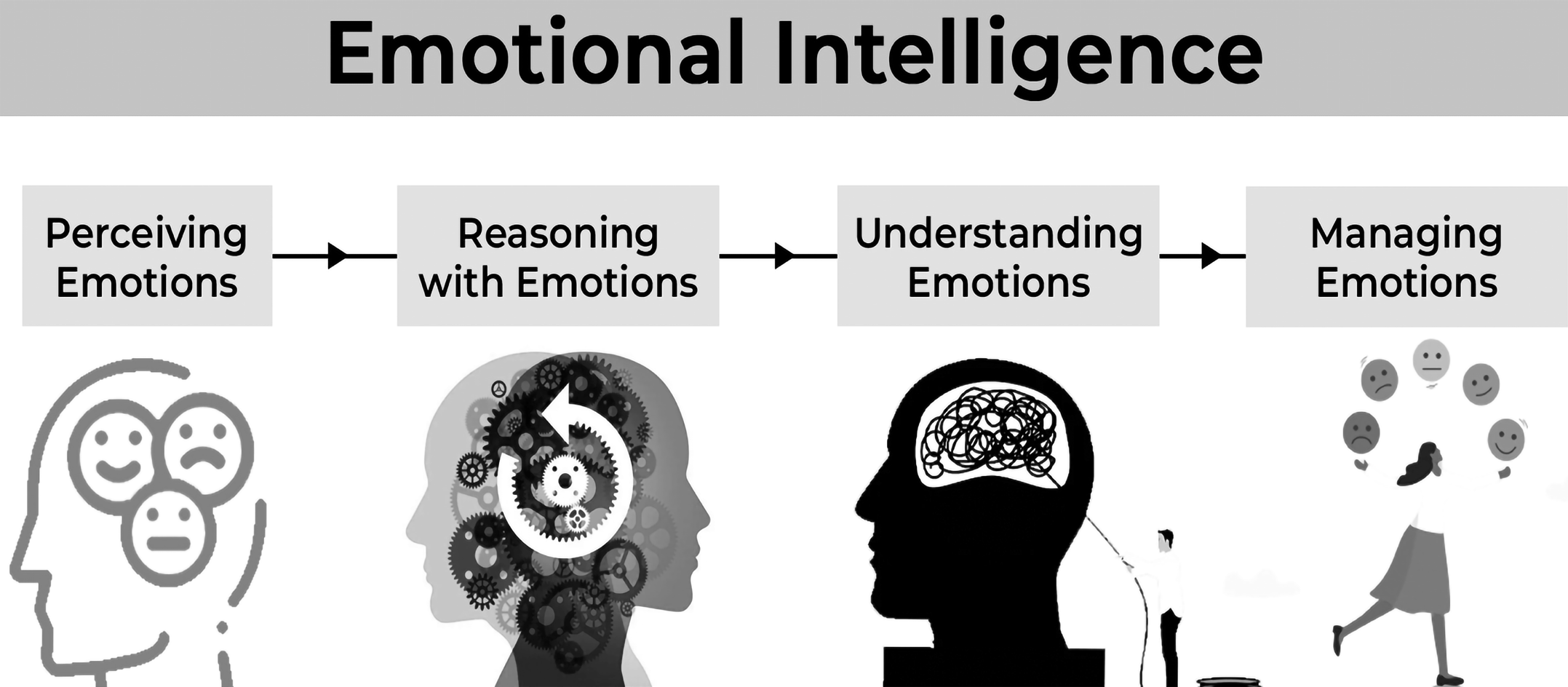
Mayer and Salovey’s Ability Model of Emotional Intelligence
• Accurately recognizing emotions is the first step, which involves interpreting nonverbal cues such as facial expressions and body language.
• Example: Identifying fake tears or an artificial laugh.
• Emotions play a role in cognitive processes and help prioritize attention by directing focus toward significant matters.
• Example: Loud yelling, irritating voices, or conflicts drawing immediate focus.
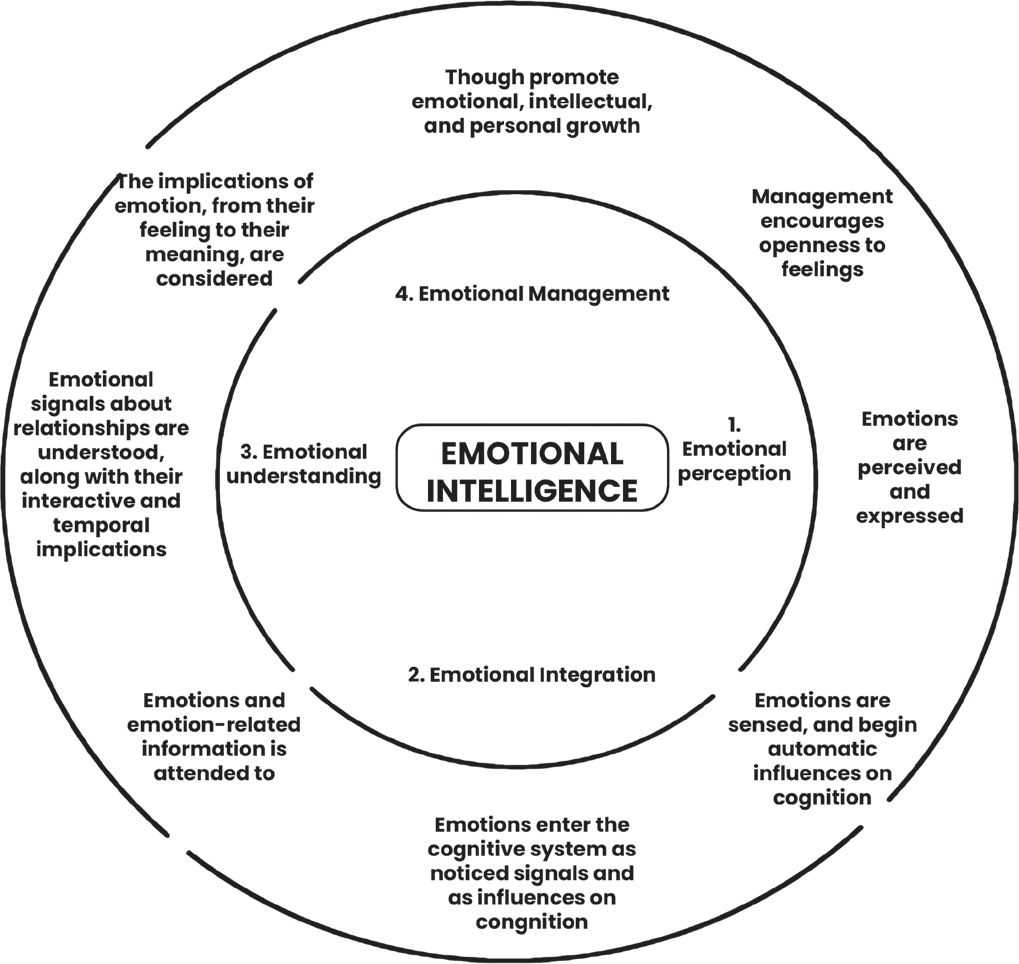
Figure: Emotional Intelligence
• Emotions can have various meanings at a deeper level, making it essential to correctly interpret their causes.
• Example: A child’s anger may stem from hate, dissatisfaction, or a recent argument.
• Regulating emotions before expressing them and responding appropriately to others based on intensity and context is crucial.
• Example: Changing the topic, controlling breathing, or handling cognitive dissonance in relationships like between a father and son.
Daniel Goleman’s Framework of Emotional Intelligence
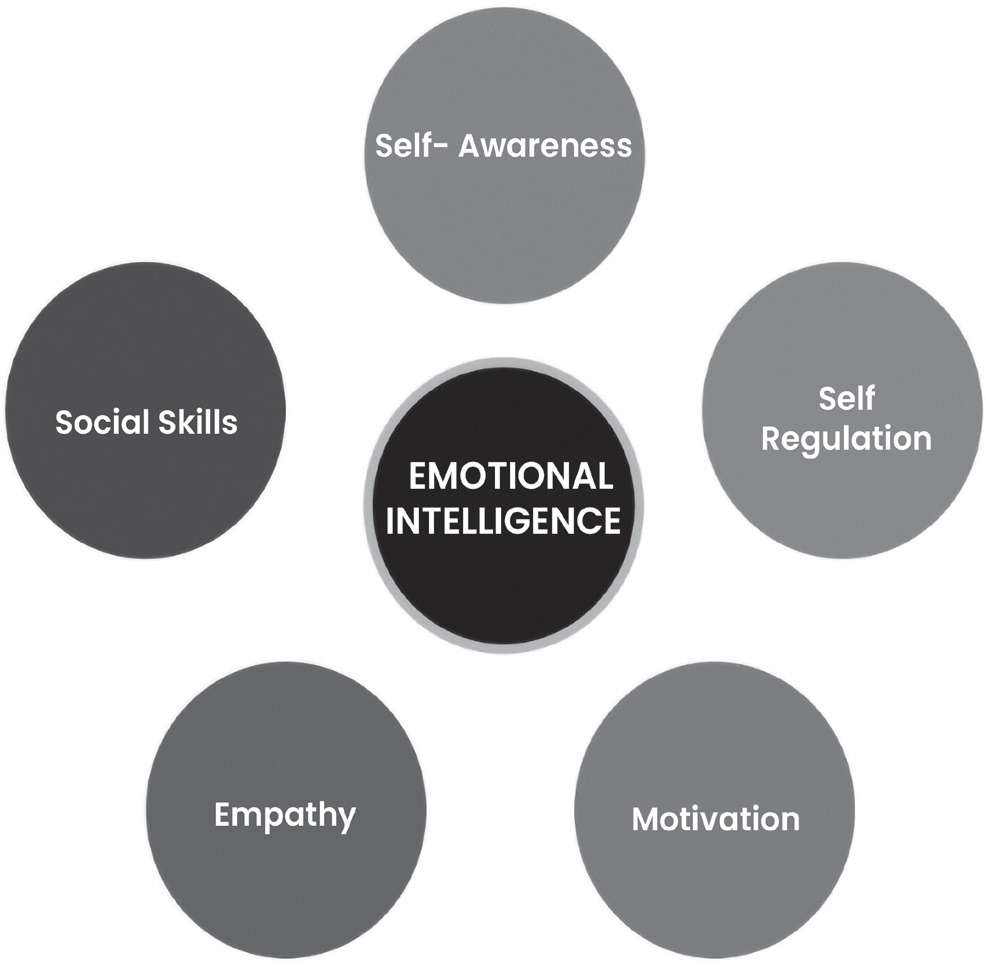
Figure: Goleman’s Model of Emotional Intelligence
•
Daniel Goleman introduced a framework with five key components of emotional intelligence, known as the ‘Mixed Model,’ emphasizing competencies and skills that enhance leadership performance.
• Self-Awareness – Being self-aware means recognizing and understanding one’s emotions, experiences, values, strengths, and weaknesses in real-time, preventing impulsive reactions and external influences from taking control.
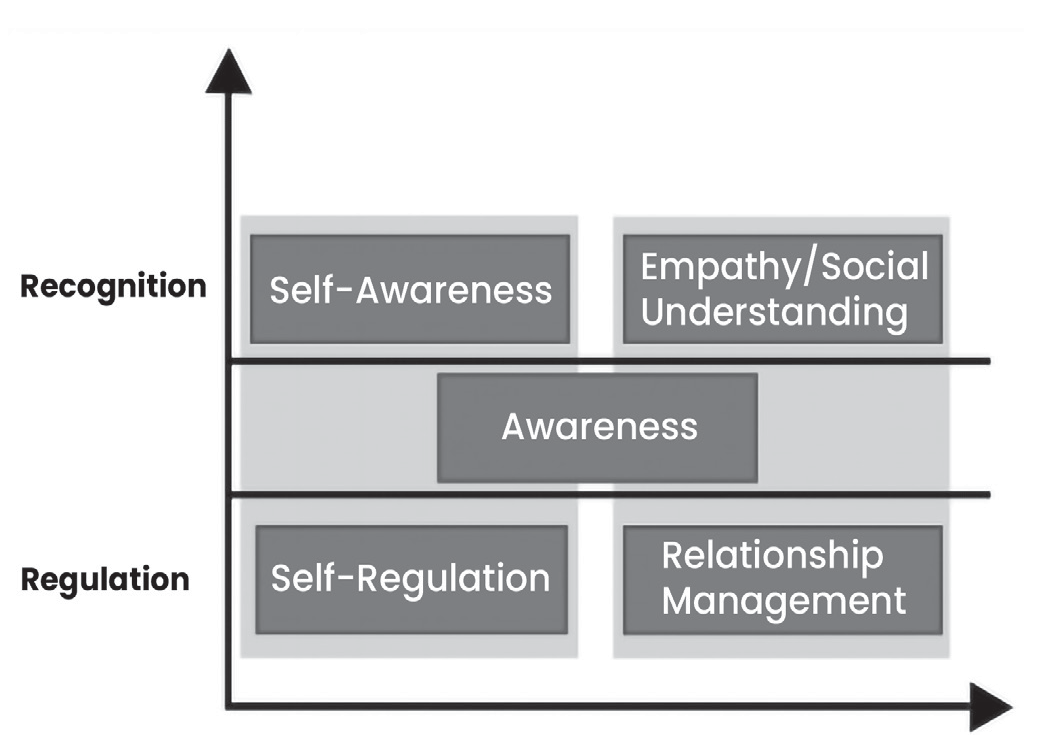
Figure: Matrix of Awareness
• Self-awareness is crucial in leadership, ensuring a clear understanding of personal abilities while fostering humility in decision- making and interactions.
• Various techniques help develop self- awareness, including introspection, emotional literacy, and metacognition to assess the rationality and objectivity of one’s thought process.
• Engaging in discussions with trusted friends, receiving regular workplace feedback, and participating in sensitivity training enhance emotional awareness.
• Emotional awareness and self-confidence are integral aspects of self-awareness, allowing individuals to navigate emotions effectively.
• Self-Regulation – The ability to manage emotions by controlling their intensity and expression, striking a balance between suppression and
excessive reactions.
• Continuous practice of emotional regulation enables individuals to handle challenges and setbacks with resilience and adaptability.
• Effective self-regulation leads to better emotional stability, helping individuals respond to situations thoughtfully rather than react impulsively.
• Practice Forgiving Yourself and others for mistakes.
• Practice being Calm and Stress Management techniques like laughter, talking to family and good trusted positive friends, go in the
nature.
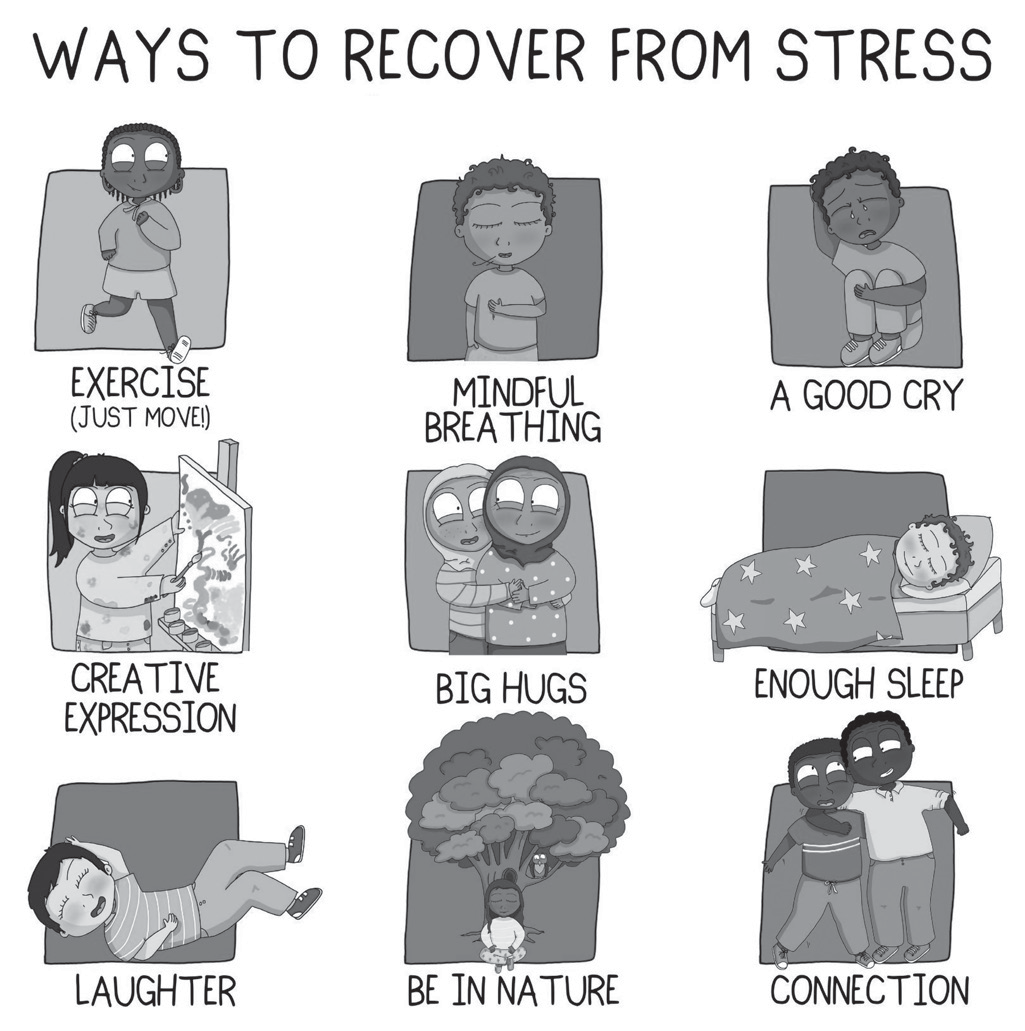
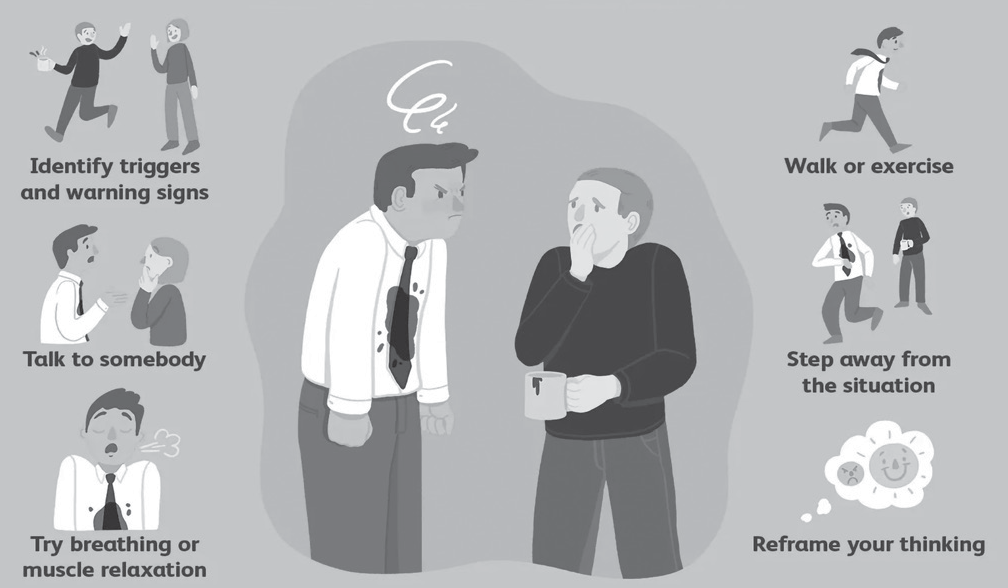
Figure: How to Manage Your Anger
• How can you improve your ability to self-regulate?
• Knowing your core values.
• Maintaining Self-control – managing one’s disruptive impulses.
• Ensuring Trustworthiness – maintaining standards of honesty (i.e. not disposed to cheat or defraud i.e. not deceptive or fraudulent) and integrity.
• Practice Adaptability and Openness.
• Remain Conscientious.
Figure: Ways to Recover from Stress
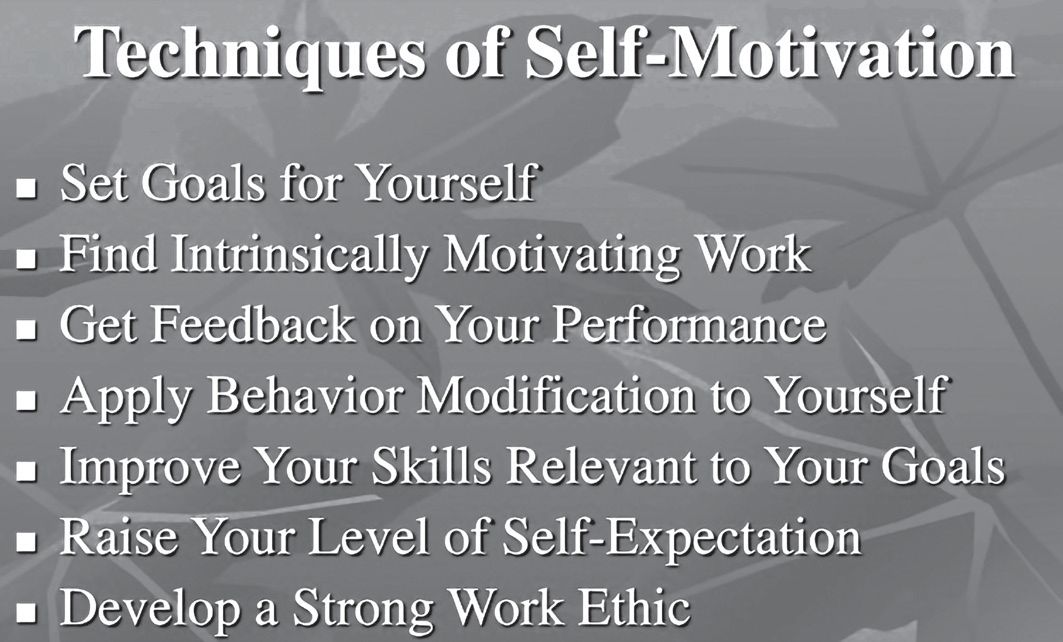
• Self-Motivation: It is about marshalling our emotions in pursuit of the goal leads to accomplishment of the goal.
• It is made up of commitment, initiative, optimism, achievement drive and ability to delay gratification and avoid temptations, struggling with boredom and fatigue, make solution plan and stifle inappropriate desires.
• These are important skills and emotional control is essential through balanced schedule, help and share in your group or write for auto suggestion.
• Self-motivated leaders work consistently toward their goals, and they have extremely high standards for the quality of their work.
• How can you improve your motivation?
• Re-examine why you are doing your job.
• Know your stand.
• Be hopeful and find something good.
• Empathy (Recognising Other’s Emotions): The ability to recognize how people feel is important to success in your life and career.
• The more skillful you are at discerning the feelings behind others’ signal the better you can control the signals you send them.
• People’s Skills are based on capacity for empathy and ability to stay tuned to emotions of others and utilise them for right decisions and evaluating
others by putting oneself in his/her shoes.
• It kindles altruism and lies at the basis of professions dealing with caring others like teaching, healing etc.
• For instance, asking money from father when in good mood, thinking before criticising someone.
• For leaders, having empathy is critical to managing a successful team or organisation. Leaders with empathy have the ability to put themselves in someone else’s situation. They help develop the people on their team, challenge others who are acting unfairly, give constructive feed and listen to those who need it.
•
Handling Relationships (Social Skills): The development of good interpersonal skills is tantamount to success in your life and career. It is done by managing emotions of others for oneself and other’s benefit indicating interpersonal effectiveness and social competence and leadership skills to achieve success and get innovative insights.
• For instance, positive solutions, appropriate feedback, flexible working relationships, group or team work (non-interference and credit), work
allocations and evaluations.
• In today’s always-connected world, everyone has immediate access to technical knowledge.
• Thus, “people skills” are even more important now because you must possess a high EQ to better understand, empathize and negotiate with others in a global economy.
• Leaders are great communicators. They are just as open to hearing bad news as good news, and they are expert at getting their team to support them and be excited about a new mission or project.
• Leaders who have good social skills are also good at managing change and resolving conflicts diplomatically.
• These leaders are rarely satisfied with leaving things as they are, but they don’t sit back and make everyone else do the work: they set an example with their behaviour.
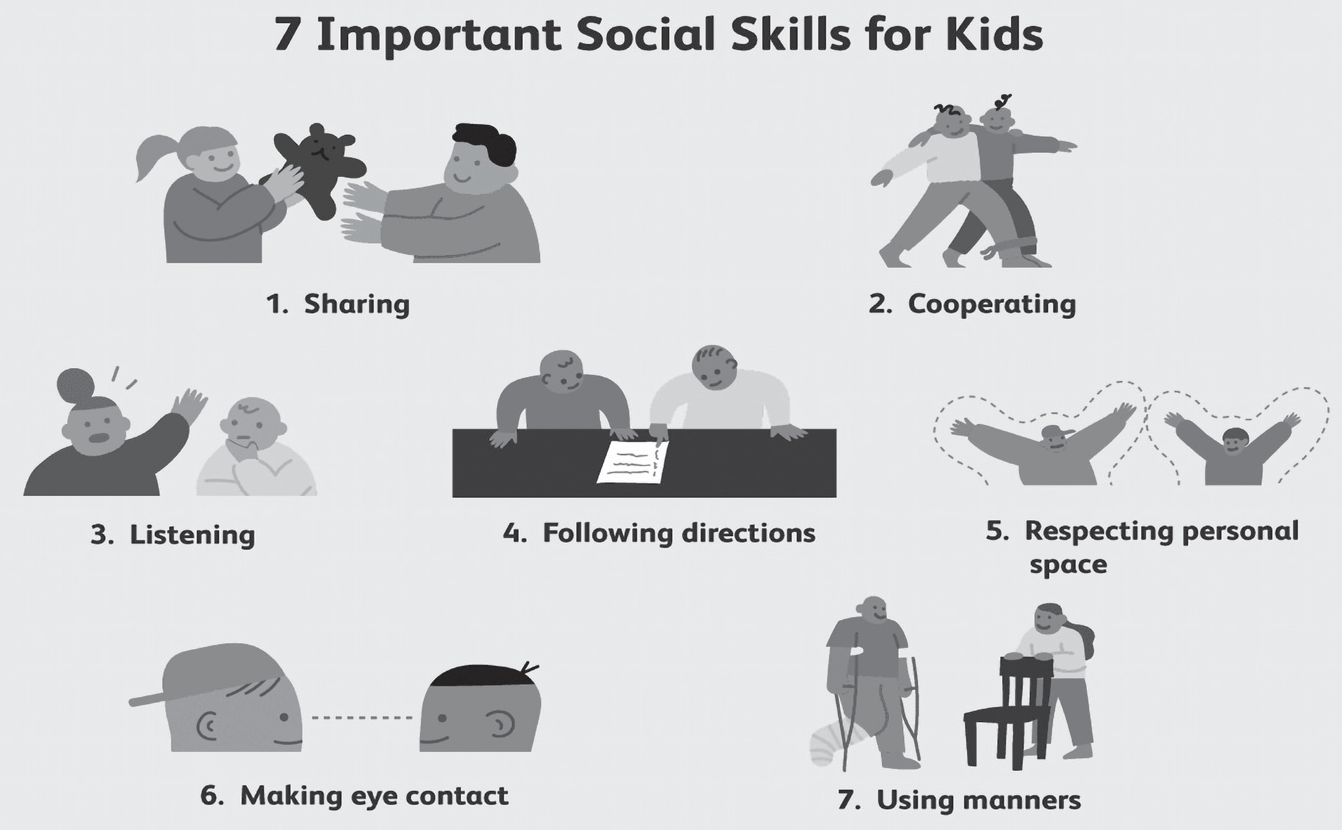
• How can you Build Social Skills?
• Learn conflict resolution
• Improve your communication skills
• Learn how to praise others
Importance of Emotional Intelligence
Importance of Emotional Intelligence
Physical Health: Managing stress and maintain ning overall well-being are closely linked to emotional intelligence, as it helps individuals take better care of their bodies.
Mental Well-Being: Emotional intelligence influences one’s mindset, reducing anxiety, preventing mood swings, and promoting a positive outlook on life.
Relationships: The ability to accurately interpret others’ emotions and expressions enhances communication, leading to healthier and more constructive interactions.
Conflict Resolution: Understanding and empathizing with others' emotions allows for better conflict management, improving negotiation skills and preventing disputes before they escalate.
Success: Higher emotional intelligence boosts self- motivation, minimizes procrastination, enhances focus, and strengthens resilience in overcoming challenges.
Leadership: Effective leaders use emotional intelligence to understand and motivate others, fostering strong relationships and improving workplace performance and satisfaction.
Challenges Faced by Civil Servants
Civil servants operate in an environment filled with complex challenges, contradictions, and rapid changes.
Society is undergoing fast-changing social structures and evolving values.
Widening regional, economic, and digital disparities, along with rising population and unemployment, pose significant governance challenges.
Basic necessities such as housing, drinking water, and infrastructure remain inadequate for many citizens.
Thereisa coexistence of well-informed individuals and marginalized, voiceless populations who struggle to be heard.
•
Information technology has enhanced governance but also increased pressure on the government to maintain a perception of efficiency and control.
• Issues get politicized rapidly, with social media and sensational journalism amplifying controversies.
• There is a growing tendency toward agitation and aggression, where minor incidents can escalate into large-scale disturbances.
• Decentralization through the 73rd and 74th Amendments has increased demands for responsiveness, transparency, and greater citizen participation in governance.
• Internal conflicts and dissent regarding policies, programs, and their implementation have become more visible and intense.
• The administrative system faces numerous hurdles, including political interference, corruption, outdated procedures, excessive centralization, and limited opportunities for
professional growth.
Attributes of an Emotionally Intelligent Administrator
• An emotionally intelligent administrator can resolve conflicts effectively, encouraging dialogue and collective problem-solving, such as in communal disputes through panchayat meetings.
• They can remain detached from personal attacks and recognize public anger, like officials treating farmer protests as a legitimate democratic right.
• They are adaptable to uncertainty and change, as seen in the integration of computers in administration and the push for transparency through the Right to Information Act, 2005.
• They uphold core values and principles, ensuring neutrality by providing honest and impartial advice to political leaders regardless of government changes.
• They demonstrate empathy and fairness by prioritizing the needs of the most vulnerable, such as assisting a destitute elderly woman over a privileged corporate executive.
• They inspire and mobilize people toward a shared vision, as seen in efforts to eradicate caste-based discrimination through symbolic and inclusive actions.
• They effectively handle difficult or hostile individuals, such as managing an angry mob through a stepwise approach involving dialogue, warnings, and appropriate actions.
Significance and Application of Emotional Intelligence
in Governance
• Government and Governance: Governance refers to how resources are managed for national development. Effective governance relies on strong relationships, which are built on trust and emotional intelligence (EI). Without emotionally intelligent individuals, governance cannot function properly.
• Emotional Intelligence in the Workplace: EI plays a crucial role in shaping workplace behavior, fostering job satisfaction, organizational commitment, work-life balance, and overall job performance. It enhances decision-making, leadership effectiveness, and emotional regulation, leading to a more productive work environment.
• Interpersonal Skills for Administration: Strong interpersonal skills, driven by EI, enable administrators to handle stress, conflicts, and changing work pressures. They help in maintaining commitment, trustworthiness, and resilience while ensuring long-term, holistic decision-making.
• Application of EI in the Workplace: Emotional intelligence is essential in recruitment, performance prediction, and negotiation. By incorporating EI in hiring and performance assessments, organizations can ensure better teamwork and long-term success.
• Social Capital and Governance: Social capital,
which refers to mutual respect and trust among community members, is often more valuable than financial or human capital. Public administrators who fail to invest in social capital risk losing legitimacy, fostering distrust, and reducing citizens' willingness to accept necessary reforms.
• Emotional Intelligence and Legal Decisions: EI helps in managing community sensitivities and legal rulings. For example, emotionally intelligent engagement can help communities understand that legal decisions, such as those against Khap panchayats, aim to uphold individual rights rather than undermine traditions.
• Civil Service Values: Empathy, compassion, tolerance, and impartiality are fundamental values in civil services, all of which require emotional intelligence. Additionally, upholding constitutional principles like democracy, secularism, and social justice is easier when civil servants apply EI in governance and policymaking.
• Conflict Resolution in Governance: Emotional intelligence ensures that sensitive issues, such as religious disputes or community conflicts, are handled with diplomacy and patience. A well- thought-out resolution, rather than hasty decision- making, fosters communal harmony.
• EI and Leadership in Public Administration: Leadership today demands more than technical skills—EI is crucial in managing teams, resolving conflicts, and inspiring people. Emotionally competent leaders foster a collaborative environment, where authority is exercised with mutual respect rather than control.
• Growing Importance of EI in Leadership: Research suggests that emotional competencies contribute more to organizational success than intelligence or technical expertise. Leaders who manage their emotions effectively can create inclusive and highly motivated teams.
• Principle of ‘Power With’ vs. ‘Power Over’: EI helps leaders adopt a collaborative approach rather than exerting dominance. Emotionally intelligent leaders work alongside their teams, fostering a culture of cooperation rather than authoritarian control.