Introduction to Social Sector
Introduction:
The Constitution of India has clearly articulated the social justice and economic development as the major goals of the state and has specified agents for achieving the promised social revolution.
Good Governance would transform the social, political and economic life of the people, within the framework of democracy.
Traditionally, the Social Sector is considered to comprise education, health and nutrition. However, according to some writers, the social sector should also include poverty alleviation programmes and aspects of social security. These sectors provide basic social services and add to social or human development.
Education sometimes includes skill development under Vocational Education as well which plays a crucial role in the development of Human Resource so that a citizen becomes a productive member of the society.
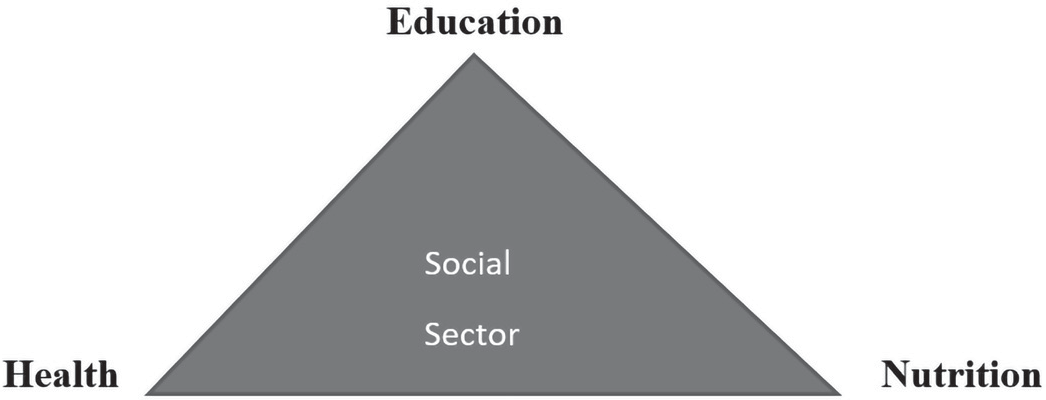
Figure: Major Aspects of Social Sector/ Services
For inclusive growth and employment, expenditure on social services as a proportion of GDP and investment in social infrastructure is of paramount importance. Social sector pursues both social and economic goals and engages in the delivery of social services for disadvantaged groups and communities whether in urban or rural area.
• Broad Issues related to the development and management of Social Sector/Services in India include:
•
The challenge of providing both healthcare access and quality healthcare across the country.
• Access to education at all levels both in rural and urban areas with necessary reforms in education system encouraging professional development.
• Scaling up of the efforts to impart necessary skills to cope with 4th Industrial Revolution which is a blend of physical, digital and biological worlds.
• Percentage of achieving houses of pucca structure
in the rural and the urban areas.
• Acceleration of progress on water conservation activities in water-stressed districts of India.
• Endeavours required to ensure piped water supply to all rural households by 2024, and solid waste management in every village.
• Fundamental changes in the design of the policies/ schemes required to reach out to all sections of the society.
• Equitable expansion of the reach through people’s participation, awareness generation, technology use, and direct benefit transfer.
• The increase in total formal employment in the economy.
Conceptual Framework of the Social Sector
• The social sector can be looked at either from a human resources viewpoint or from a human development viewpoint. The two approaches differ in the way they look at how the services of this sector.
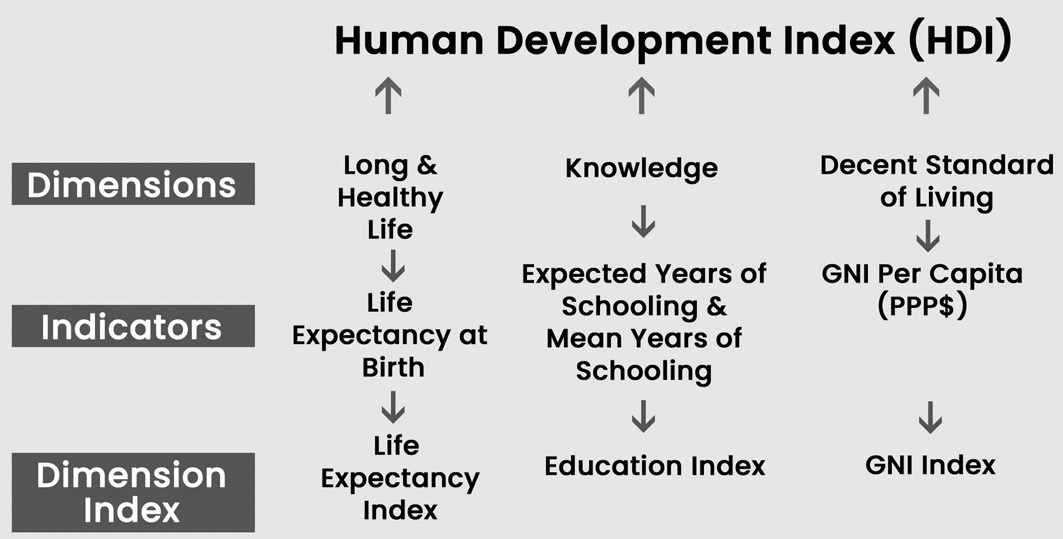
• Since 1990, Human Development Reports (HDRs) have been published by the Human Development Report Office in collaboration with the United Nations Development Programme (UNDP). India rises to rank 130 in the 2025 Human Development Index, showing progress in life expectancy/ education and income in the latest data.
• Major Indicators of Human Development Index include
• Life expectancy at birth
• Education (Mean years of schooling and Expected years of schooling)
• Gross National Income (GNI) per capita.
• UNDP annually releases the HDR with 5 composite indices, which are:
• Human Development Index
• Inequality-adjusted Human Development Index (considers ‘Inequality’ as the fourth pillar)
• Gender Development Index
• Gender Inequality Index
• Multidimensional Poverty Index
While, on the other hand, the Human Resources viewpoint holds that the services of the social sector, like education, health care and nutrition improve the productivity of workers, makes them more efficient, and thus increases the human resource development.
Social Sector Development
• According to Gore, ‘the concept of social development is inclusive of economic development but differs from it in the sense that it emphasises the development of the society in totality that is, in its economic, political, social and cultural aspects’.
• In a narrower sense, it would be used with reference to the human welfare aspects of development, that is improving the physical quality of life and more equitable distribution of material and cultural goods.
• In the broadest sense, “it signifies all aspects of development that are of collective nature that is to say pertaining to society as a whole’’.
• Changes in system of stratification and in degrees
of mobility.
• United Nations (UN) provides a Unified Approach to Social Development. It states:
•
No segment of the population should be excluded from the process of change and development.
• Social development must drive structural changes and engage all sections of society in the development process.
• There should be a fair and equitable distribution of income and wealth.
• Human development should be given high priority, focusing on vocational and technical training, creating employment opportunities, and addressing the needs of marginalized groups.
Development and Management of Health Sector
Development and Management of Health sector
According to World Health Organization (WHO), Health is defined as “a state of complete physical, mental and social well-being and not merely the absence of disease or infirmity.”
According to NITI Aayog’s India@75 report,Public Health is defined as the science of keeping communities healthy through the prevention of disease and promotion of health and wellness.
• In 1948 Universal Declaration of Human Rights also recognized health as the standard of living as per Article 25.
• Disciplines working locally, nationally, and globally, to attain optimal health for people, animals and our environment”.
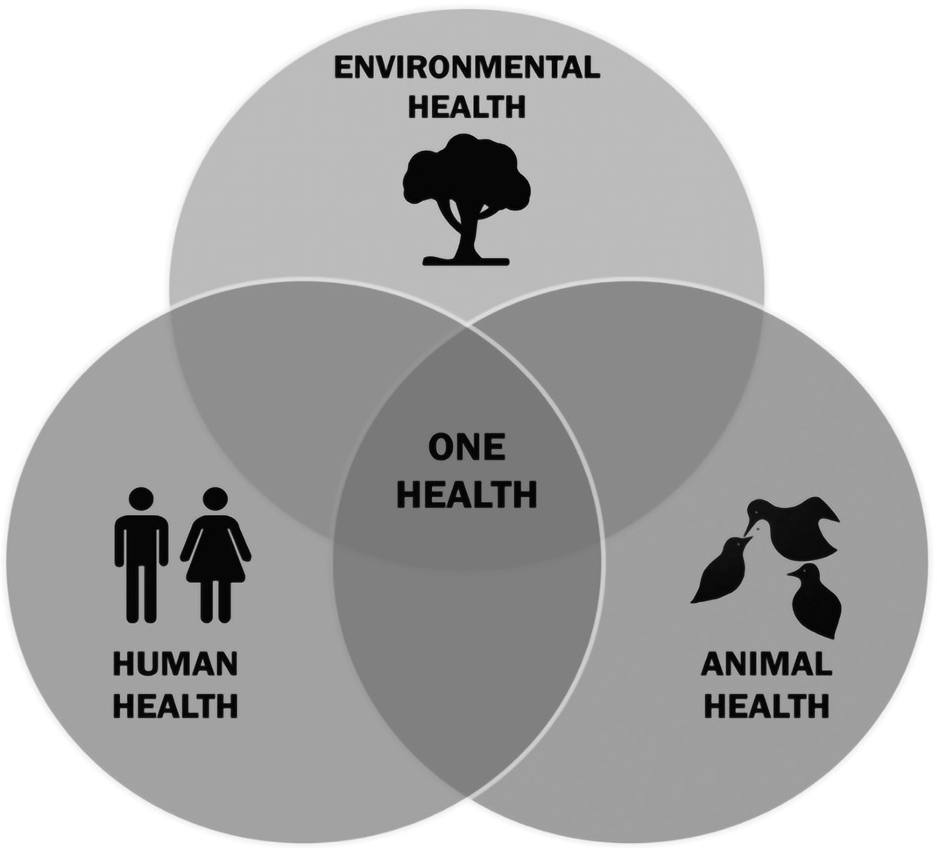
Figure: One Health Concept
• It developed in response to evidence of the spreading of zoonotic diseases between species and increasing awareness of “the interdependence of human and animal health and ecological
change”.
• According to World Health Organization, ‘One
Health’ is an integrated, unifying approach to balance and optimize the health of people, animals and the environment. It is particularly important to prevent, predict, detect, and respond to global health threats such as the COVID-19 pandemic and issues of global health instability like:
• Between 2014 and the onset of the COVID-19 pandemic, the number of people facing hunger and food insecurity steadily increased. The war in Ukraine has further disrupted global food supply chains, leading to the most severe global food crisis since World War II.
•
The pandemic has had a profound impact on essential health services.
• As a result, immunization rates dropped for the first time in a decade, and deaths from TB and malaria increased.
United Nations Sustainable Development Goals (2015- 2030)
• United Nations has highlighted Sustainable Development Goal 3 under Global Health Agenda 2030 as “ensuring good health and promoting well- being for all ages”.
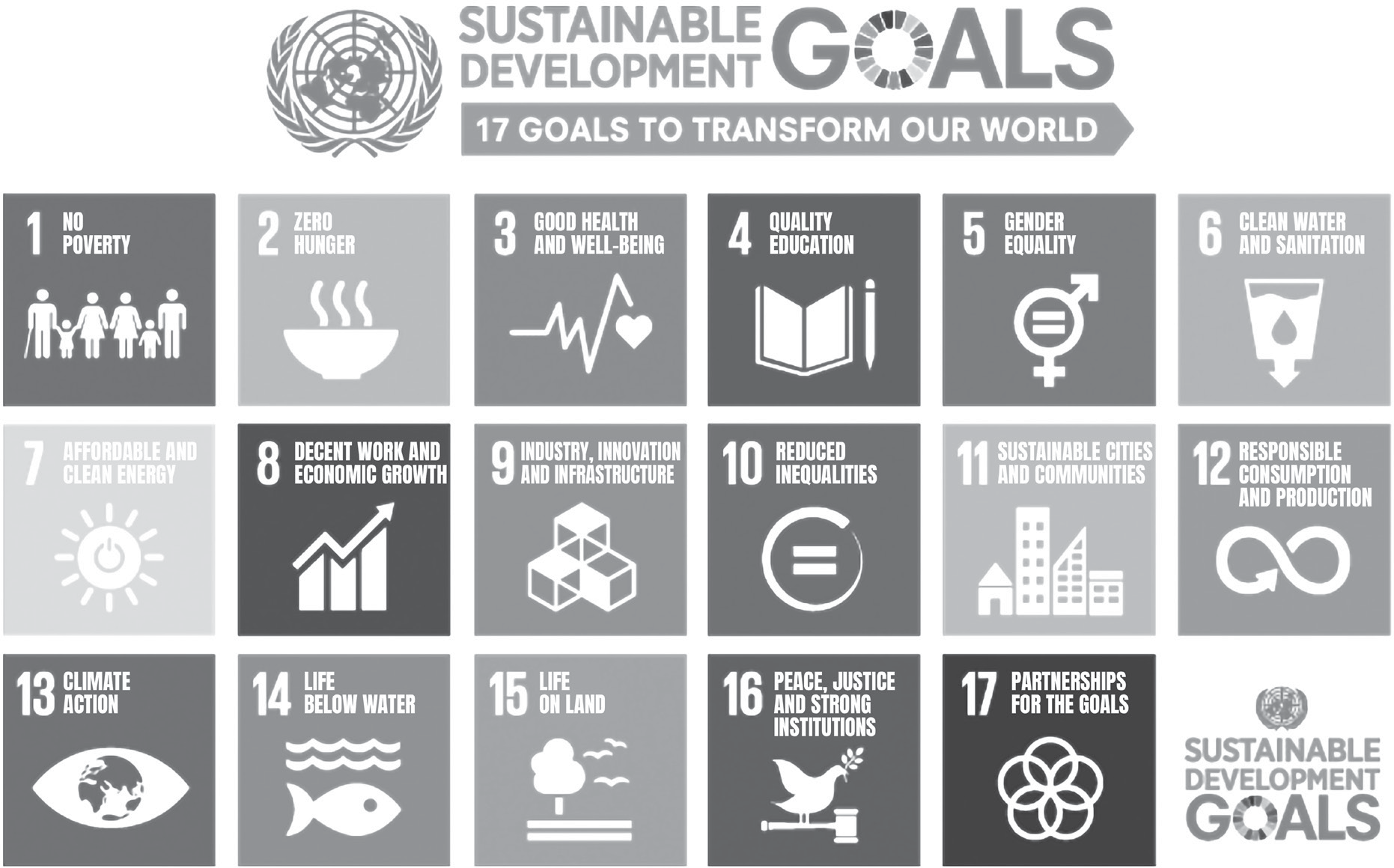
Figure: Sustainable Development Goals
• The UN has defined 13 Targets and 28 Indicators for SDG 3.
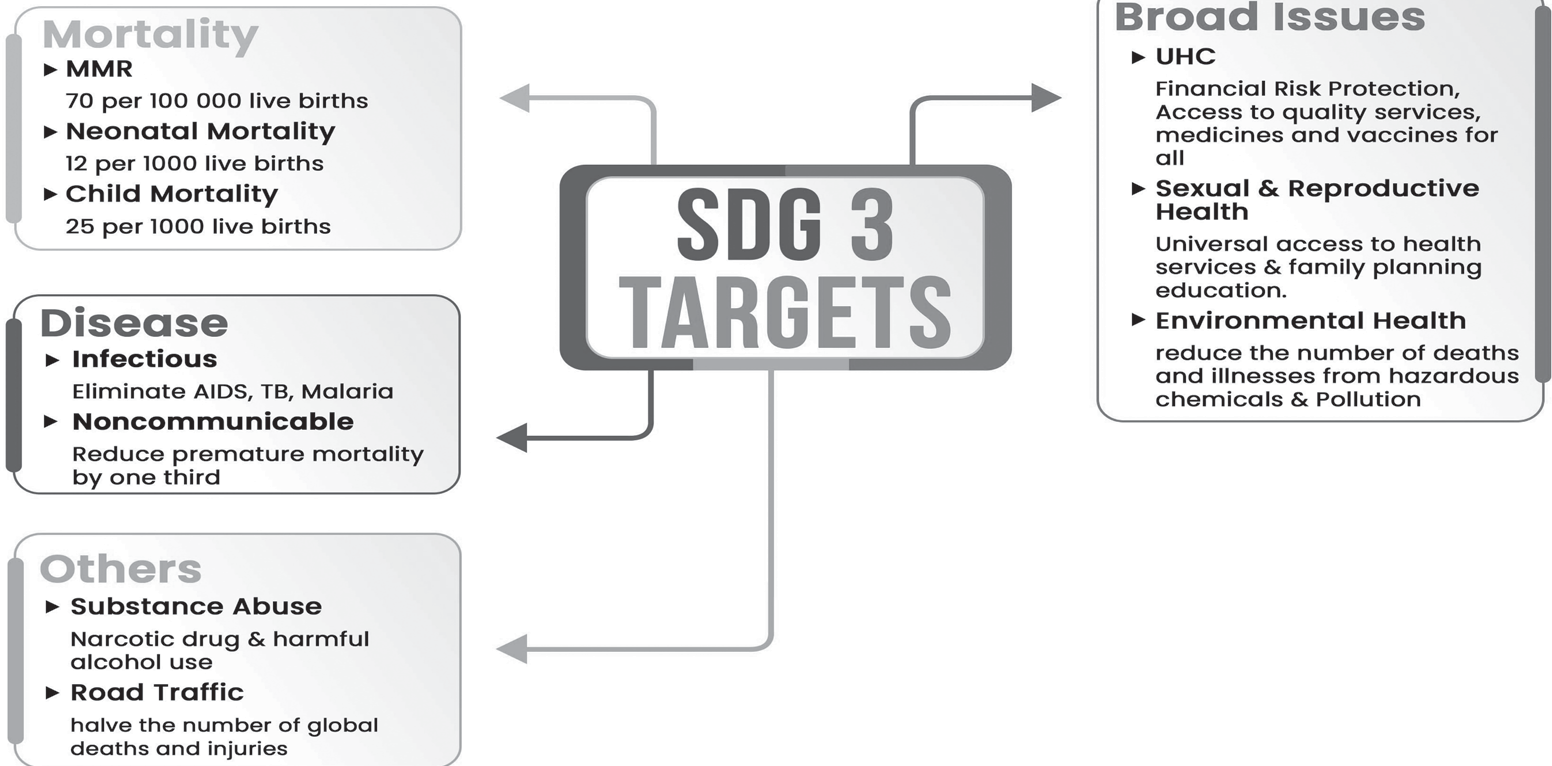
Figure: Targets under SDG3 Health and Wellbeing
• Mortality related
• Maternal mortality by 2030, reduce the global maternal mortality ratio to less than 70 per 100 000 live births.
• Neonatal and child mortality by 2030, end preventable deaths of newborns and children under 5 years of age, with all countries aiming to reduce neonatal mortality to at least as low as 12 per 1000 live births and under-5 mortality to at least as low as 25 per 1000 live births.
Disease related
• Infectious diseases by 2030, end the epidemics of AIDS, tuberculosis, malaria and neglected tropical diseases, and combat hepatitis, waterborne diseases and other communicable diseases.
• Noncommunicable diseases by 2030, reduce by one third premature mortality from noncommunicable diseases through prevention and treatment, and promote mental health and well-being.
• Other Factors
• Substance abuse Strengthen the prevention and treatment of substance abuse.
• Road traffic by 2020, halve the number of global deaths and injuries from road traffic accidents.
• Broader Issues
• Sexual and Reproductive Health by 2030.
• Universal Health Coverage (UHC).
• Environmental Health By 2030, substantially reduce the number of deaths and illnesses from hazardous chemicals.
• Goal 3 – Means of implementation for the targets
• Tobacco control Strengthen the implementation of the WHO Framework Convention on Tobacco Control in all countries, as appropriate.
• Medicines and vaccines support the research and development of vaccines and medicines for the communicable and noncommunicable diseases especially in developing countries. Provide access to affordable essential medicines and vaccines in accordance with the Doha Declaration on TRIPS and Public Health, which affirms the right of developing countries regarding flexibilities to protect public health and, in particular, provide access to medicines for all.
•
Health financing and workforce Substantially increase health financing and the recruitment, development, training and retention of the health workforce in developing countries, especially in least developed countries and small island developing States.
• Emergency preparedness Strengthen the capacity of all countries, in particular developing countries, for early warning, risk reduction and management of national and global health risks.
• Another health related goal is Sustainable Development Goal 2 which says, “End hunger, achieve food security and improved nutrition and promote sustainable agriculture». It is about creating a world free of hunger by 2030.
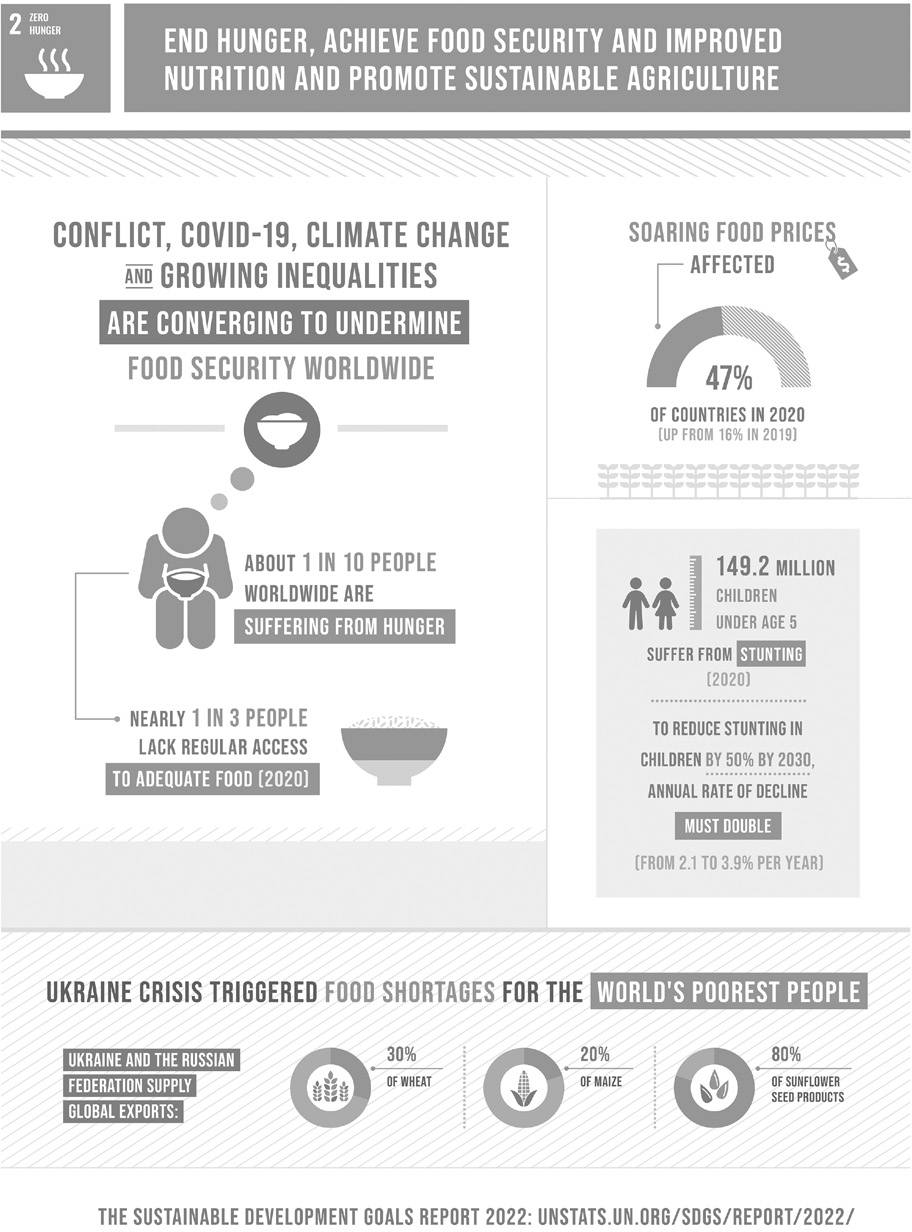
• Target 2.1 Universal Access To Safe And Nutritious Food: people in vulnerable situations, including infants, to safe, nutritious and sufficient food all year round.
• Target 2.2: End All Forms Of Malnutrition
• By 2030, eliminate all forms of malnutrition, including meeting the internationally agreed targets on stunting and wasting in children under 5 years of age by 2025.
• Target 2.3: double the productivity and incomes.
• Target 2.4: sustainable food production and resilient agricultural practices
• Target 2.5: maintain the genetic diversity in food production
• Means of Implementation include
• Target 2.a: invest in rural infrastructure, agricultural research, technology and gene banks
• Target 2.b: prevent agricultural trade restrictions, market distortions and export subsidies
• Target 2.c: ensure stable food commodity markets and timely access to information
• Also, health relates to Sustainable Development Goal
• 6 which calls for “ensure availability and sustainable management of water and sanitation for all.”
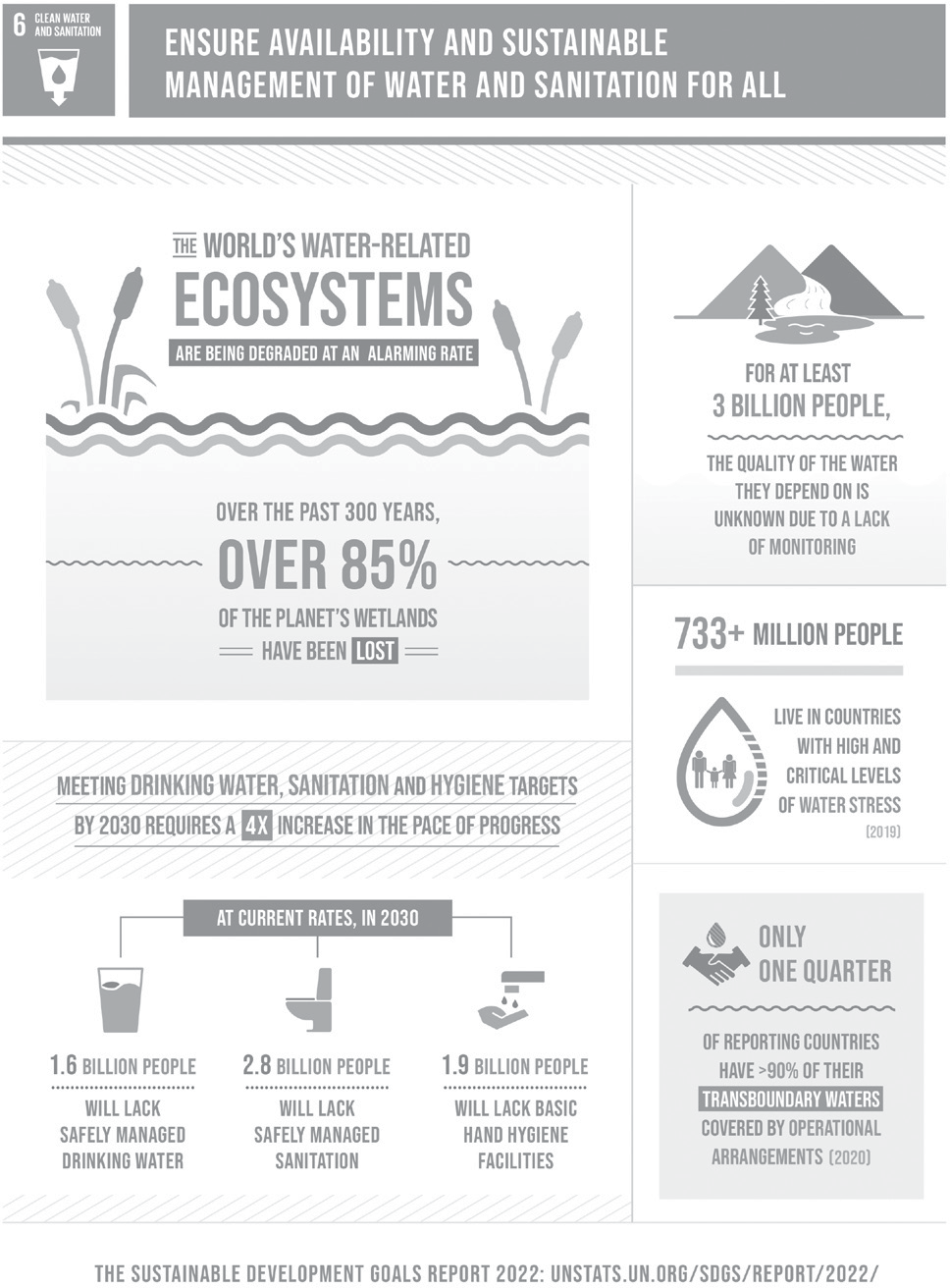
• Target 6.1: Safe and Affordable Drinking Water
• Target 6.2: End Open Defecation and Provide Access To Sanitation and Hygiene
• Target 6.3: improve water quality, wastewater treatment and safe reuse
• Target 6.4: increase water-use efficiency and ensure freshwater supplies
• Target 6.5: implement integrated water resources management
• Target 6.6: protect and restore water-related ecosystems
• Means of Implementation include
• Target 6.a: expand water and sanitation support to developing countries
• Target 6.b: support local engagement in water and sanitation management
Constitutional and Legal Status of Rights
Constitutional and Legal Status of Rights-based approach to Health in India
• Fundamental Rights: Article 21 of the Constitution of India guarantees a fundamental right to life & personal liberty. The right to health is inherent to a life with dignity.
• Directive Principles of State Policy: Articles 38, 39, 41, 42, 43, & 47 put the obligation on the state in order to ensure the effective realization of the right to health.
• Article 38: State to secure a social order for the promotion of welfare of the people.
• Article 39 The State shall, in particular, direct its policy towards securing—
• (e) that the health and strength of workers, men and women, and the tender age of children are not abused and that citizens are not forced by economic necessity to enter avocations unsuited to their age or strength;
• (f) that children are given opportunities and facilities to develop in a healthy manner and in conditions of freedom and dignity and that childhood and youth are protected against exploitation and against moral and material abandonment.
• Article 41 imposes duty on state to provide public assistance in cases of unemployment, old age, sickness and disablement etc.
• Article 42: The State shall make provision for securing just and humane conditions of work and for maternity relief.
• Article 43: The State shall endeavour to secure, by suitable legislation or economic organisation or in any other way, to all workers, agricultural, industrial or otherwise, work, a living wage, conditions of work ensuring a decent standard of life
• Article 47: The State shall regard the raising of the level of nutrition and the standard of living of its people and the improvement of public health.
• Presently, ‘Health’ is under the State List of the Seventh Schedule under the Constitution.
• Judicial Pronouncements:
• Hon’ble Supreme Court in Paschim Banga Khet Mazdoor Samity case (1996) held that in a welfare state, the primary duty of the government is to secure the welfare of the people and moreover it is the obligation of the government to provide adequate medical facilities for its people.
• Also, in its landmark judgment in Parmanand Katara Vs Union of India (1989), Supreme Court had ruled that every doctor whether at
a government hospital or otherwise has the professional obligation to extend his services with due expertise for protecting life.
International Conventions:
• The Universal Declaration of Human Rights (1948) by the United Nations, is divided into five sections:
• 1) The Preamble;
• 2) The basis of extent of Human Rights (Articles 1-2);
•
3) Outline of Civil and Political Rights ( Article3-21);
• 4) An outline of Economic, Social and Cultural rights (Articles 22-27);
• 5) A conclusion that outlines the conditions necessary for the exercise of the rights (Articles 28- 30);
• India is a signatory of the Article 25 of the Universal Declaration of Human Rights (1948) by the United Nations that
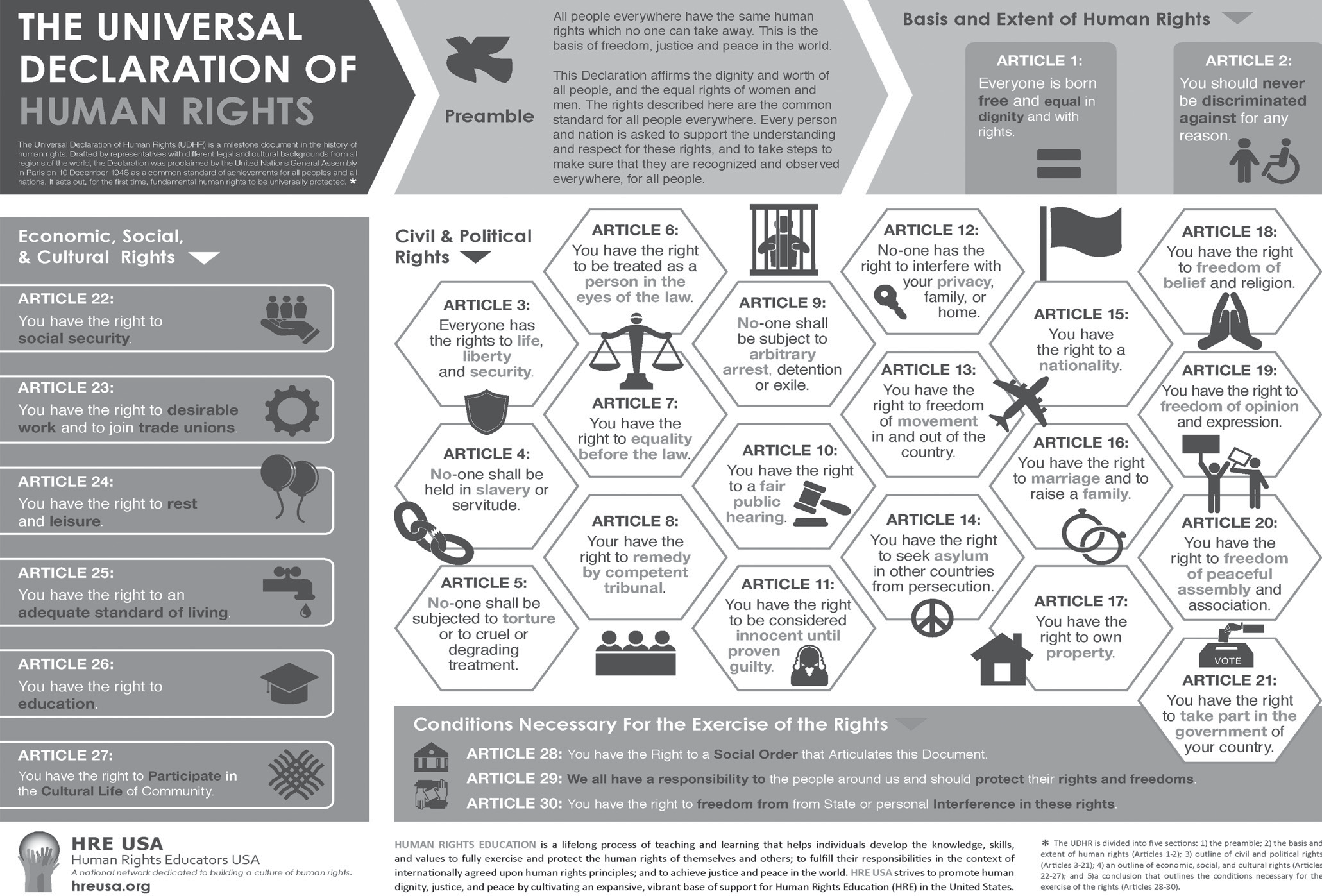
• The WHO Constitution (1946) envisages “… the highest attainable standard of health as a fundamental right of every human being.”
• Rome Declaration at Global Health Summit 2021:
• Italy, the Presidency of G20, in partnership with the European Union, organised the Global Health Summit 2021 in Rome. It comprises 16 mutually agreed principles that aim at guiding joint action to prevent future health crises and to build a safer, fairer and more equitable and sustainable world.
• Focus on Sustainable Development Goal 3 of ‘Ensure healthy lives and promote wellbeing for all and at all the stages ’
• Bridge the funding gap of the Access to
COVID-19 Tools Accelerator (ACT-A) and agreed to extend its mandate to the end of 2022.
• Stress was on equitable access to vaccines to low and middle-income countries
• Early warning information, surveillance and trigger systems to be well prepared for any forth-coming virus and its mutants.
• Key Features:
• Support and enhance the existing multilateral health architecture, multilateral trading system and global supply chains related to health emergencies,
• Ensure equitable, affordable, timely global access to high- quali ty, safe, effective prevention, detection and response tools Assist low and middle-income countries to build expertise and develop local and regional manufacturing capacities for tools through investment in the worldwide healthcare human resource.
• Facilitate data sharing, capacity building, licensing agreements among stakeholders. Further, it aims to facilitate voluntary technology and know-how transfers on mutually agreed terms.
• Raise effectiveness of preparedness and response measures by promoting inclusive dialogue with local communities,
• Ensure the effectiveness of financing mechanisms.
WHO Framework Convention on Tobacco Control (FCTC) 2003
It is the first treaty negotiated under the auspices of the World Health Organization (WHO) under Article 19 of WHO Constitution, adopted in 2003 and enforced in 2005.
The FCTC is an evidence-based, multilateral and
legally binding treaty that reaffirms the right of all people to the highest standard of health.
It seeks “to protect present and future generations from the devastating health, social, environmental and economic consequences of tobacco consumption and exposure to tobacco smoke” by enacting a set of universal standards stating the dangers of tobacco and limiting its use in all forms worldwide. To this end, the treaty’s provisions include rules that govern the production, sale, distribution, advertisement, and taxation of tobacco.
Doha Declaration on Trade Related Aspects of
Intellectual Property Rights (TRIPS) and Public Health 2001
It was adopted by the World Trade Organization (WTO) Ministerial Conference of 2001.
It affirms the right of developing countries regarding flexibilities to protect public health and, in particular, provide access to essential medicines for all, through circumventing patent rights.
Some Key Health Statistics
Some Key Health Statistics/Potential of the Sector
• The Indian healthcare sector is expected to record a three-fold rise, growing at a Compound Annual Growth Rate (CAGR) of 22% between 2016–22 to reach USD 372 billion in 2022 from USD 110 billion in 2016.
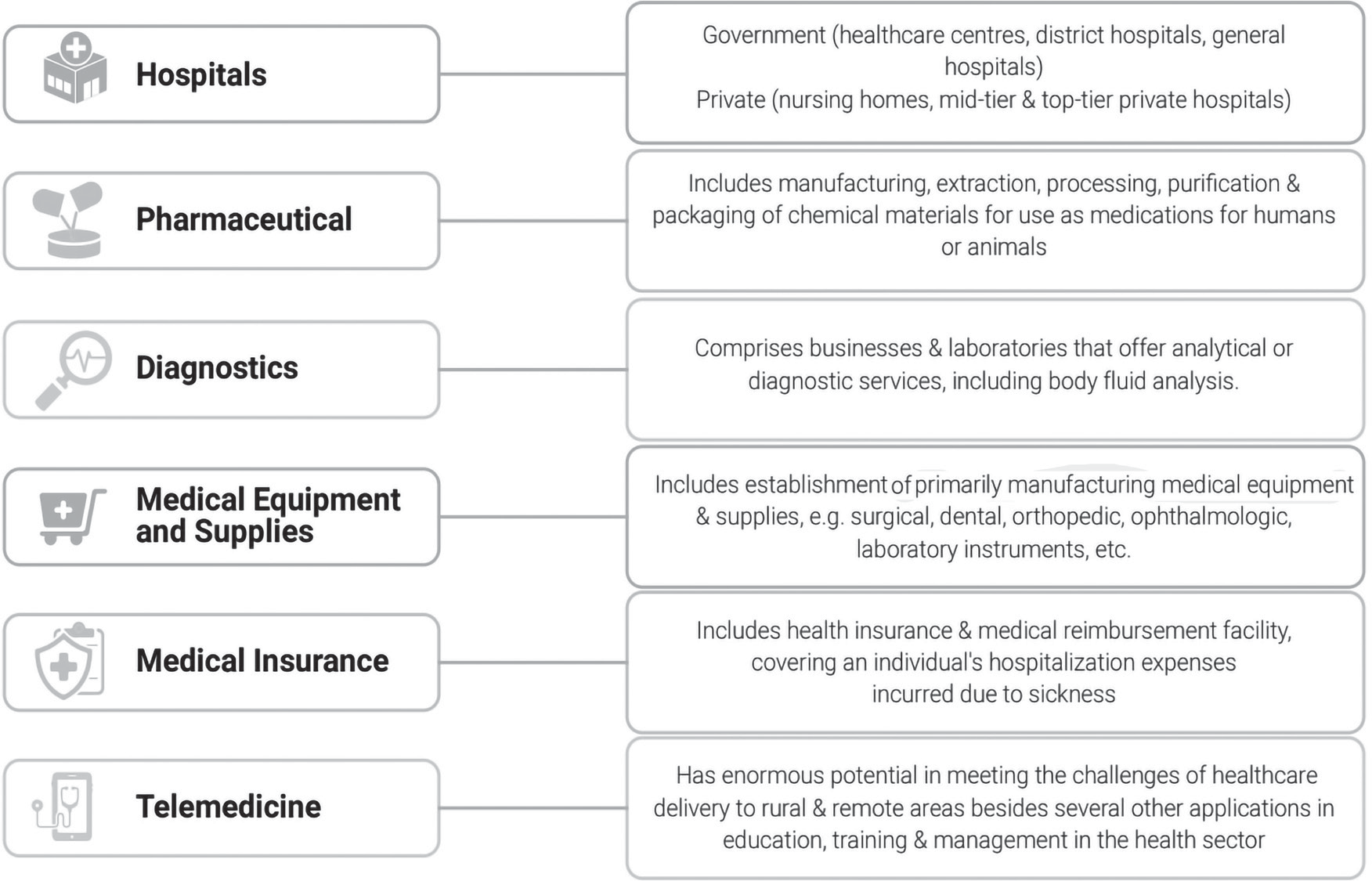
Figure: Key Parameters of Health Sector
• As per the World Health Organisation (WHO), India ranks 179 (out of 189 countries) in public health spending. India is the most privatised healthcare market in the world (implying diminished affordability especially for low-income patients).
• The Indian medical tourism market was valued atUSD 2.89 billion in 2020 and is expected to reach USD13.42 billion by 2026.
• Industry estimates place the medical tourism market at about USD 8.7 billion in 2025, with projections of USD 16.2 billion by 2030.
• The global Medical Value Travel market was valued at about USD 115.6 billion in 2022. It is projected to reach around USD 286.1 billion by 2030. The market is growing at a compound annual growth rate (CAGR) of about 10.8%.
• According to the Medical Tourism Index 2020–21:
• India ranks 10th among the top 46 medical tourism destinations globally
• 12th among the world’s top 20 wellness tourism markets.
• Telemedicine by 12.63 billion by 2031
Generic Drugs
Generic Drugs: India is the world's largest producer of generic drugs, yet the domestic generics market remains relatively small.
• When a drug is first developed, the producer can be granted a patent, providing a production monopoly for up to 20 years.
• A generic drug is a pharmaceutical product that contains the same chemical substance as the original drug, which was initially protected by a patent. Generic drugs can be sold once the patent on the original drug expires. Since the active chemical substance is the same, generic drugs offer comparable medical effectiveness.
• While generic drugs contain the same active pharmaceutical ingredient (API) as the original, they may differ in aspects such as manufacturing process, formulation, excipients, colour, taste, and packaging.
• Generic drugs are typically 30%–80% cheaper than branded drugs, offering more affordable and accessible treatment options for patients.
Steps Taken by India:
• The Patents Act 1970 removed composition patents for foods and drugs, and though it kept process patents, these were shortened to a period of five to
seven years. The resulting lack of patent protection created a niche in both the Indian and global markets that Indian companies filled by reverse- engineering new processes for manufacturing low- cost drugs.
• The Code of Ethics issued by the Medical Council of India in 2002 calls for physicians to prescribe drugs by their generic names only.
• India is a leading country in the world’s generic drugs market, with Sun Pharmaceuticals being the largest pharmaceutical company in India. Indian generics companies exported US$17.3 billion worth of drugs in the 2017–18 (April–March) year.
• Since 2017, all generic drugs of certain classes, irrespective of age, require bioequivalence to be approved.
• According to Aspire Circle, the Indian healthcare sector is expected to reach $744 billion by 2030, driven by greater access to insurance, better health awareness, lifestyle diseases, and rising income.
• With 4.7 million workers as of 2021, the Indian healthcare industry is one of the country’s largest employers.
• India’s public expenditure is 1.9% of GDP in the budget 2026-27
• One-third of the children born are undernourished due to the nutrition deprivation during the pre-natal stage, resultant to the poor nutrition conditions made available to the mothers.
• According to NITI Aayog’s India@75 report, of the total current expenditure on health classified by healthcare functions, preventive care accounts for
6.7 per cent and curative care is 51 per cent of the expenditure with the remaining money being spent on pharmaceuticals, other medical goods and patient transportation.
• India has achieved eradication of diseases like
• Small Pox in 1979
• Plague in 1994
• Guinea Worm in 2000
• Leprosy (Hansen’s disease) in 2005
• Polio in 2014
• Neonatal Tetanus in 2015
• Yaws in 2016
• Latest Targets of Elimination of the following diseases
• Measles and Rubella, Kala-Azar by 2023
• Tuberculosis by 2025
• Malaria, Lymphatic Filariasis (Elephantiasis), HIV, Viral Hepatitis by 2030
• Sickle Cell Anaemia by 2047
• According to Census 2011 (For Comparison with the upcoming Census 2021)
• Sex Ratio is the number of females per thousand males.
• Sex ratio in India is 940 which was 933 in 2001. Kerala is the only state where the number of females is more than that of males. It has sex ratio of 1084. Haryana lies at the bottom with 879 females per thousand males.
• Child Sex Ratio in India is defined as the number of females per thousand males in the age group of 0–6 years in the human population.
• Child Sex Ratio in India is 918 which is lowest since independence. Punjab, Haryana, Himachal Pradesh, Gujarat, Tamil Nadu, Mizoram, and Andaman and Nicobar Islands are observing an increasing trend in the Child Sex Ratio. The rest of the states show declining trend over the 2001 census.
• Total Fertility Rate (TFR) is the total number of children born or likely to be born to a woman in her lifetime if she were subject to the prevailing rate of age-specific fertility (15-49 years) in the population.
• India’s Total Fertility Rate (TFR) has dropped to 1.9, according to the recently released Sample Registration System (SRS) Statistical Report 2024.
• High-TFR States: Bihar (2.9), Uttar Pradesh (2.6), Madhya Pradesh (2.4)
• The Crude Birth Rate (CBR) dropped from 21.0 in 2014 to 18.3 in 2024, reflecting a steady decline in birth rates.
• The Crude Death Rate (CDR) marginally declined to 6.4 in 2024
• Death rate: The crude death rate is the annual number of death per 1,000 population.
• It has witnessed a significant decline over the last four decades from 14.9 in 1971 to 7.2 in 2011 to 6.2 in 2018.
• The decline has been steeper in rural areas.
• As per the Special Bulletin on Maternal Mortality Rate (MMR) released by the Registrar General of India (RGI), based on statistics derived from Sample Registration System (SRS), the country has witnessed a progressive reduction in MMR From 93 in 2019-21, 88 in 2020-22, 88 in 2021-23
•
Significant Health Indicators of India
• Malnutrition refers to deficiencies or excesses in nutrient intake, imbalance of essential nutrients or impaired nutrient utilization.
• India faces Triple Burden of Malnutrition – Undernutrition, Hidden Hunger (Micronutrient Deficiency) and Overweight
• A National Sample Survey report indicated about 5% of the total population in India sleeps without two square meals a day. This section of the population could be called as “hungry”.
• Undernutrition manifests in four broad forms:
• Wasting (low weight for height) It often indicates recent and severe weight loss, although it can also persist for a long time.
• Stunting (low height for age) It is the result of chronic or recurrent undernutrition.
• Underweight (low weight for age) A child who is underweight may be stunted, wasted or both.
• Micronutrient deficiencies- a lack of vitamins and minerals that are essential for body. Iron deficiency leads to Anaemia.
• The estimated number of underweight, malnourished and severely malnourished children under 5 years of age is obtained under National Family Health Survey (NFHS) conducted by the Ministry of Health & Family Welfare.
• As per the recent report of NFHS-6 (2023-24), thenutrition indicators for children under 5 years in India has improved as compared with NFHS-5
(2019-21).
• Stunting among children under five years
declined from 35.5% to 29.3%.
• Severe wasting declined from 7.7% to 5.2%.
• Underweight prevalence declined from 32.1% to 31.8%.
• Overweight children have reduced from 3.4% to 1.3%.
• Anaemia: The incidence of anaemia in under-5 children (from 58.6 to 67%), women (53.1 to 57%) and men (22.7 to 25%) has worsened in all States of India (20%-40% incidence is considered moderate). Barring Kerala (at 39.4%), all States are in the “severe” category(>40%).
• At the international level, above performance is corroborated where India has ranked 107 out of 121 countries. IIndia ranks 102nd out of 123 countries in the 2025 Global Hunger Index (GHI)
• The Global Hunger Index (GHI) is a tool for
comprehensively measuring and tracking hunger at global, regional, and national levels.
• GHI scores are based on the values of four component indicators:
• Undernourishment
• Child stunting
• Child wasting
• Child mortality
• The GHI score is calculated on a 100-point scale reflecting the severity of hunger - zero is the best score (implies no hunger) and 100 is the worst.
• The GHI is prepared by European NGOs of Concern Worldwide and Welthungerhilfe.
Key Health Indicator Findings of NFHS-5 2019-20
• The NFHS-5 has captured the data during 2019-20 and has been conducted in around 6.1 lakh households.
• Sex Ratio: NFHS-5 data shows that for the first time in India, there were 1,020 women for 1000 men in the country in 2019-2021.
• This is the highest sex ratio for any NFHS survey as well as since the first modern synchronous census conducted in 1881.
• In the 2005-06 NFHS, the sex ratio was 1,000 or women and men were equal in number.
• Sex Ratio at Birth: Sex ratio at birth (SRB) is defined as the number of female births per 1,000 male births. The SRB is a key indicator of a son’s preference vis-à-vis daughters.
• The Sex Ratio at Birth (SRB) improved slightly to 918 females per 1,000 males during the 2022– 24 period (As per SRS - 2024).
• Total Fertility Rate (TFR): The TFR has also come down below the threshold at which the population is expected to replace itself from one generation to next.
• TFR was 1.9 in 2023-24, below the replacement fertility rate of 2.1.
• In rural areas, the TFR is still 2.1 but in urban areas it is 1.5
• A decline in TFR, which implies that a lower number of children are being born, also entails that India’s population would become older.
• Immunization: India continues to make strong progress towards universal immunization coverage. Full vaccination coverage among children age 12-23 months based on vaccination cards, increased from 83.8% to 87.1%.
• 95.6% of children received most vaccinations through public health facilities reaffirming the trust of community towards public healthcare system
Institutional Births: IInstitutional healthcare access strengthened further, with 95.4% of live births occurring in hospitals or healthcare institutions in 2024. The percentage of institutional deliveries in urban areas was 97.9 as against about 94.6 percent recorded in rural areas.
The C-Section Surge: Surgical Caesarean deliveries experienced an uncharacteristically sharp spike nationwide, jumping from 21.5% to 27.2%, far exceeding the WHO's optimal threshold of 10–15%.
Breastfeeding Practices: 95.6% of infants under six months are exclusively breastfed.
Women Empowerment: Women's empowerment indicators portray considerable improvement at all India level.
Significant progress has been recorded between NFHS-5 and NFHS-6 in regard to women operating bank accounts from 79% to 89% at all-India level.
The proportion of women who have never usedthe internet nearly doubled, jumping from 33.3% (NFHS-5) to 64.3% (NFHS-6)
Child Mortality Rates: While India has seen a consistent decline in IMR and U5MR, they are still among the highest in the developing world.
Neonatal Mortality Rate (NMR): It is defined as the ‘number of deaths during the first 28 completed days of life per 1,000 live births in a given year or period’.
The country’s average NMR stands at 24.9 per 1,000 live births which includes an average 27.5 deaths for rural and 18 for urban areas.
As per the SRS 2024, NMR stands at 13 per 1000 live births.
Infant Mortality Rate (IMR) is defined as the ‘number of deaths of children under the age of 1 year per 1000 live births for a given year.
The country’s average IMR stands at 35.2 per 1,000 live births which includes an average 38.4 deaths for rural and 26.6 for urban areas.
As per SRS data 2024, IMR stands at 24 per live births.
Under-five mortality rate (U5MR) The under-five mortality rate refers to the probability of dying before age of 5 years per 1,000 newborns in a year.
The country’s average IMR stands at 41.9 per 1,000 live births which includes an average 38.4 deaths for rural and 26.6 for urban areas.
• As per SRS 2024, U5MR stands at 28 per 1000 live births.
National Health Policy of India
National Health Policy of India
• The National Health Policy of 1983 and the National Health Policy of 2002 have served well in guiding the approach for the health sector in the Five-Year Plans.
• National Health Policy 1983 aimed at
• The policy emphasized on preventive, promotive public health and rehabilitation aspects of healthcare.
• The policy stresses the need of establishing comprehensive primary health care services to reach the population in the remote area of the country.
• National Health Policy-2002 aimed at:
• Achieving better health care and unmet goals has been brought out by government of India- National Health Policy 2002.
• Objectives of NHP 2002 include
• Primary Health Care Approach
• Decentralized public health system
• Convergence of all health programme under single field umbrella
• Strengthening and extending public health services.
• Enhanced contribution of private and NGO sector in health care delivery.
• Increase in public spending for health care.
• The National Health Policy, 2017 (NHP, 2017) seeks to reach everyone in a comprehensive integrated way to move towards wellness. It aims at achieving universal health coverage and delivering quality health care services to all at affordable cost.
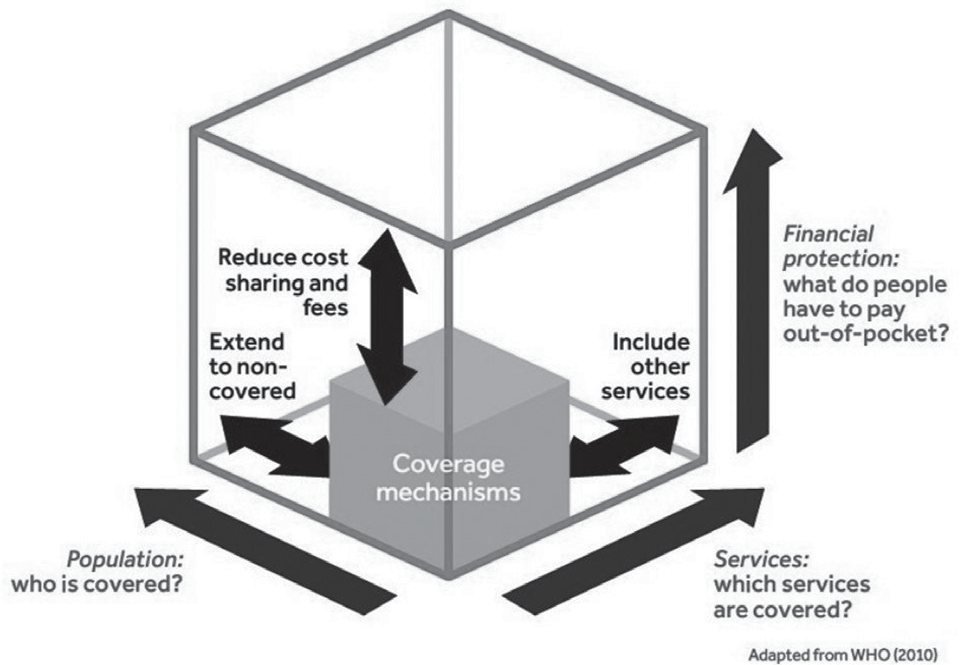
Figure: Universal Health Coverage
• Goal: The policy envisages highest possible level of health and well-being for all at all ages, through a preventive and promotive health care and universal access to good quality health care services through increasing access, improving quality and lowering the cost of healthcare delivery.
•
National Health Policy 2017 thrusts upon three key aspects like
• Ensuring Adequate Investment - The policy proposes a potentially achievable target of raising public health expenditure to 2.5% of the GDP in a time bound manner.
• Preventive and Promotive Health - The policy identifies coordinated action on seven priority areas for improving the environment for health:
• The Swachh Bharat Abhiyan
• Balanced, healthy diets and regular exercises.
• Addressing tobacco, alcohol and substance abuse
• Yatri Suraksha – preventing deaths due to rail an d road traffic accidents
• Nirbhaya Nari – action against gender violence
• Reduced stress and improved safety in the work place
• Reducing indoor and outdoor air pollution
• Organization of Public Health Care Delivery - The policy proposes seven key policy shifts in organizing health care services.
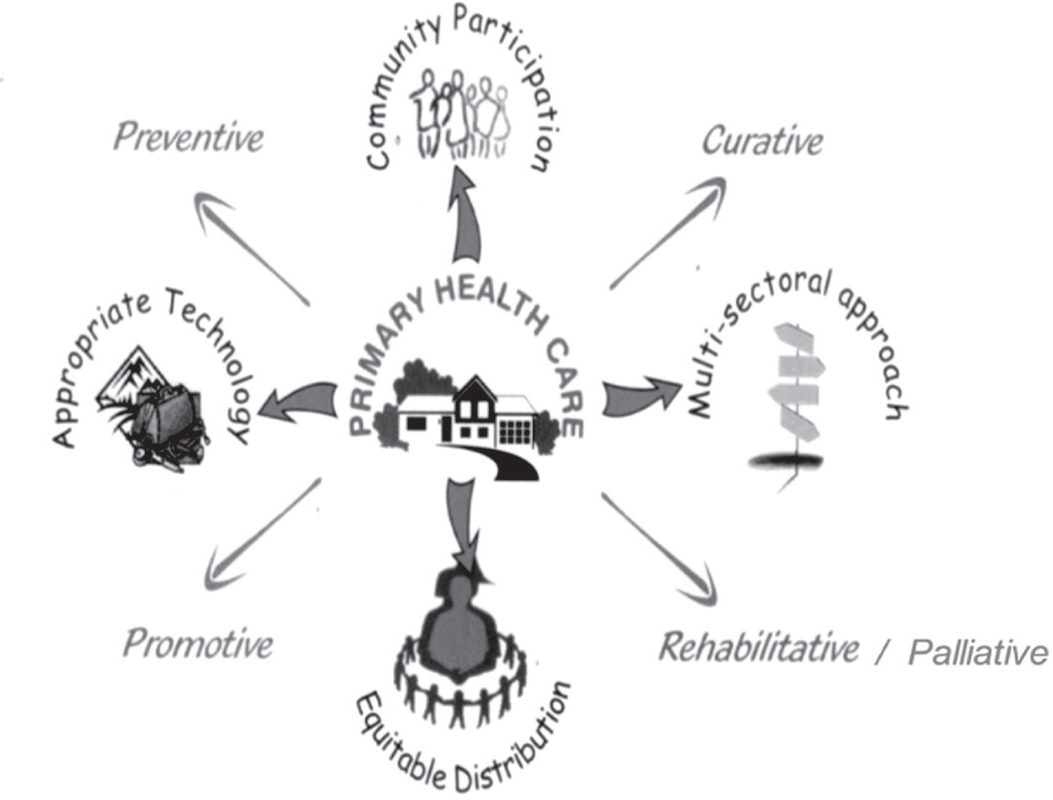
Figure: Primary Health Care Approaches
• Objectives: Improve health status through concerted policy action in all sectors and expand preventive, promotive, curative, palliative and rehabilitative services provided through the public health sector with focus on quality.
• Key Targets under National Health Policy 2017 include
• Life Expectancy and healthy life
• Increase Life Expectancy at birth from 67.5 to 70 by 2025.
• Establish regular tracking of Disability
Adjusted Life Years (DALY) Index as a measure of burden of disease and its trends by major categories by 2022.
• Reduction of Total Fertility Rate (TFR) to 2.1 at national and sub-national level by 2025.
• Mortality by Age and/ or cause
• Reduce Under Five Mortality Rate (U5MR) to
23 by 2025
• Maternal Mortality Rate (MMR) from current levels to 100 by 2020.
• Reduce Infant Mortality Rate (IMR) to 28 by
2019.
• Reduce Neo-natal Mortality Rate (NMR) to 16 by 2025
• Still Birth Rate (SBR) to “single digit” by 2025.
• Reduction of disease prevalence/ incidence
• Achieve global target of 2020 which is also termed as target of 90:90:90 target for Human Immunodeficiency Virus (HIV/AIDS)
• 90% of all people living with HIV know their HIV status,
• 90% of all people diagnosed with HIV infection receive sustained antiretroviral therapy
• 90% of all people receiving antiretroviral therapy will have viral suppression.
• Achieve and maintain elimination status of Leprosy by 2018, Kala-Azar by 2017 and Lymphatic Filariasis in endemic pockets by 2017.
• To achieve and maintain a cure rate of >85% in new sputum positive patients for Tuberculosis (TB) and reduce incidence of new cases, to reach elimination status by 2025.
• To reduce the prevalence of blindness to 0.25/ 1000 by 2025 and disease burden by one third from current levels.
• To reduce premature mortality from cardiovascular diseases, cancer, diabetes or chronic respiratory diseases by 25% by 2025.
TARGETS FOR HEALTH SYSTEM IN INDIA
• Coverage of Health Services
• Increase utilization of public health facilities
by 50% from current levels by 2025.
• Antenatal care coverage to be sustained above 90% and skilled attendance at birth above 90% by 2025.
• More than 90% of the newborn are fully immunized by one year of age by 2025.
• Meet need of family planning above 90% at national and sub national level by 2025.
•
80% of known hypertensive and diabetic individuals at household level maintain “controlled disease status” by 2025.
Cross Sectoral goals related to health
Relative reduction in prevalence of current tobacco use by 15% by 2020 and 30% by 2025.
Reduction of 40% in prevalence of stunting of under-five children by 2025.
Access to safe water and sanitation to all by 2020 (Swachh Bharat Mission).
Reduction of occupational injury by half from current levels of 334 per lakh agricultural workers by 2020.
National/ State level tracking of selected health behaviour.
Health Systems strengthening
Health finance
Increase health expenditure by Government
as a percentage of GDP from the existing 1.15
% to 2.5 % by 2025.
Increase State sector health spending to > 8% of their budget by 2020.
Decrease in proportion of households facing catastrophic health expenditure from the current levels by 25%, by 2025.
Health Infrastructure and Human Resource
Ensure availability of paramedics and doctors as per Indian Public Health Standard (IPHS) norm in high priority districts by 2020.
Increase community health volunteers to population ratio as per IPHS norm, in high priority districts by 2025.
Establish primary and secondary care facility as per norm s in high priority districts (population as well as time to reach norms) by 2025.
Health Management Information
Ensure district - level electronic database of information on health system components by 2020.
Strengthen the health surveillance system and establish registries for diseases of public health importance by 2020.
Establish federated integrated health information architecture, Health Information Exchanges and National Health Information Network by 2025.
Critical Analysis of Performance of the Policy
• As per the special SRS bulletin on Maternal Mortality Rate (MMR) India has achieved 87/lakh live births in 2022-24, crossing National Health Policy (NHP) target of 100 for MMR and 8 States achieve Sustainable Development Goal (SDG) target for MMR, due to strategic investments under National Health Mission (NHM), Pradhan Mantri Surakshit Matritva Abhiyan and Labour Room Quality Improvement Initiative (LaQshya), Janani Shishu Suraksha Karyakram and Janani Suraksha Yojana. Additionally, flagship schemes by MoWCD such as the Pradhan Mantri Matru Vandana Yojana (PMMVY) and Poshan Abhiyan target nutrition delivery for vulnerable populations, particularly pregnant and nursing women and children.
• There has been sustained decline since 2014, as revealed by SRS 2024, in IMR,U5MR and NMR since 2014 towards achieving the Sustainable Development Goals (SDG) targets by 2030.
• Old Targets and New Deadlines: The targets of IMR, elimination of diseases like leprosy, Kala-Azar and lymphatic filariasis, none of which could be achieved yet.
• It fails to make Health a justiciable right: The policy advocates a progressively incremental assurance- based approach, with assured funding to create an enabling environment for realising health care as a right in the future”.
• The policy explicitly rejects the idea of legislation on the right to healthcare, thus also negating the rights-based approach to health care.
• Policy also states that “Right to health cannot be perceived unless the basic health infrastructure like doctor-patient ratio, patient -bed ratio, nurses- patient ratio, etc. are near or above threshold levels and uniformly spread-out across the geographical frontiers of the country”.
• Income tax, luxury tax and service tax in hospitals and VAT on drugs goes contrary to the government policy of making health a fundamental right.
• Problem of meager public funding: The policy has a reluctant and hesitant approach towards enhancing health expenditure - a mere increase to 2.5% of GDP is being proposed despite the policy itself acknowledging that with 4 to 5% of GDP, a real impact can be made in the health sector.
• A large part of allocation of funds is spent on pay and allowances, pensions, transport and establishments.
•
Small-scale institutions: Small players move the national health indices, however Government policy seems to ignore the sector and giving undue importance to corporate sector.
• Less focus on preventive and rehabilitative care: despite recent reports indicating rising burden of non- communicable diseases.
• Health as a Subject: Health is exclusively State subject even though both Union and State governments equally responsible to protect the right to health of the people.
• Whether Health should continue to be in the State List, or in the Concurrent List is not answered in the policy.
• Lack of Manpower: Although a major capacity expansion to produce MBBS graduates took place between 2009 and 2015, this is unlikely to meet policy goals since only 11.3% of registered allopathic doctors were working in the public sector as of 2014.
• The policy ignored introducing Indian Medical Service just like the IAS, IRS for inculcating better managerial skills;
• Low focus on Public-funded Healthcare: Public sector equally spend out-of-pocket, same amount as in private due to sheer non availability of diagnostics and essential drugs in the public sector.
• Too much focus on Health Insurance: The failure of the American model of insurance-driven healthcare, government-run insurance systems (like in Canada), and Managed Care (such as the NHS in the UK) highlights the greater success of India's well- established primary healthcare delivery system.
India’s Healthcare System
INDIA’S HEALTHCARE SYSTEM
• Healthcare industry comprises hospitals, medical devices, clinical trials, outsourcing, telemedicine, medical tourism, health insurance and medical equipments.
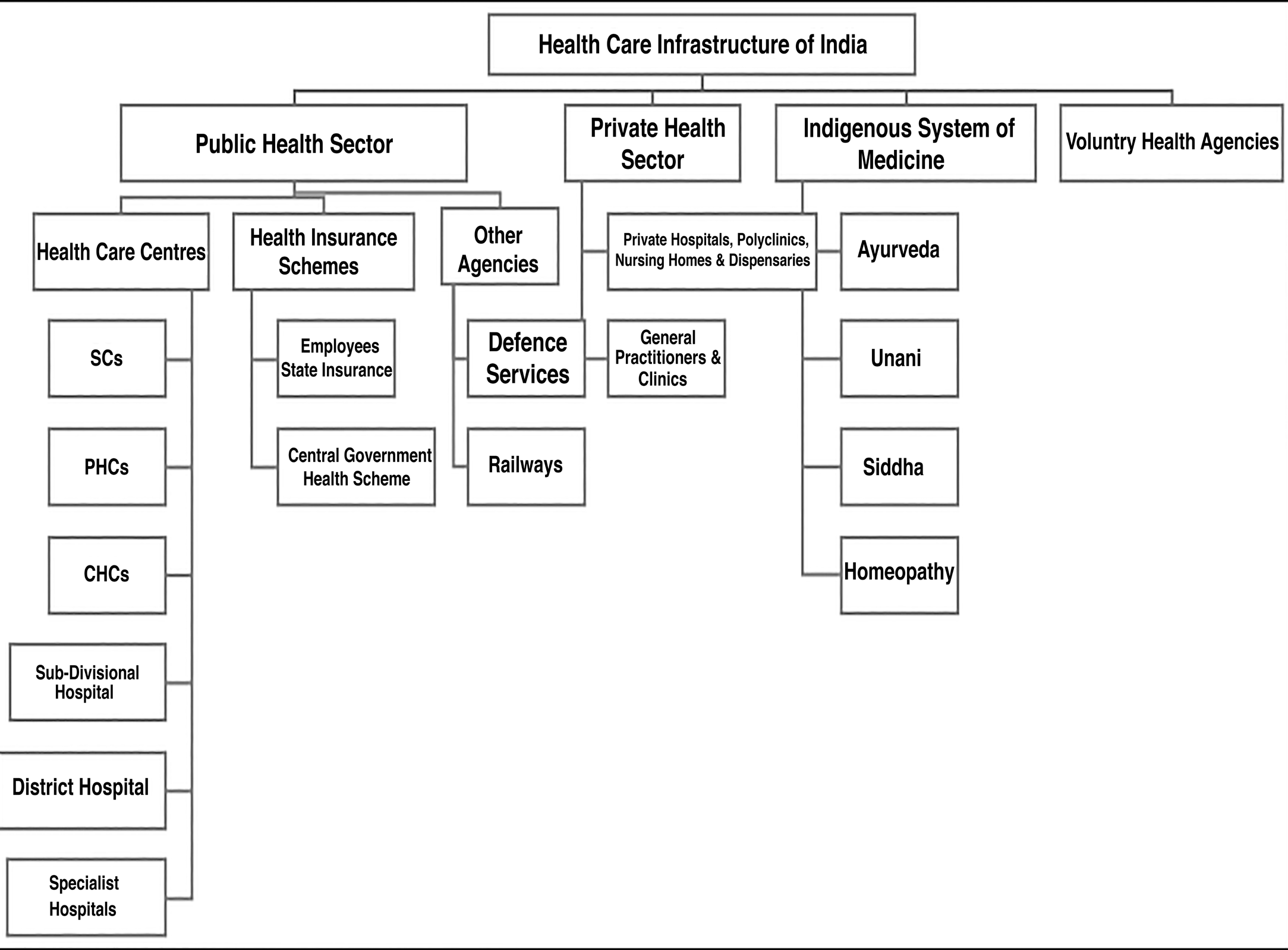
• India’s Healthcare Delivery System is categorised into two major components - public and private.
• The government (public healthcare system), comprises limited secondary and tertiary care institutions in key cities and focuses on providing basic healthcare facilities in the form of Primary Healthcare Centres (PHCs) in rural areas.
The private sector provides a majority of secondary, tertiary, and quaternary care institutions with major concentration in metros, tier-I and tier-II cities
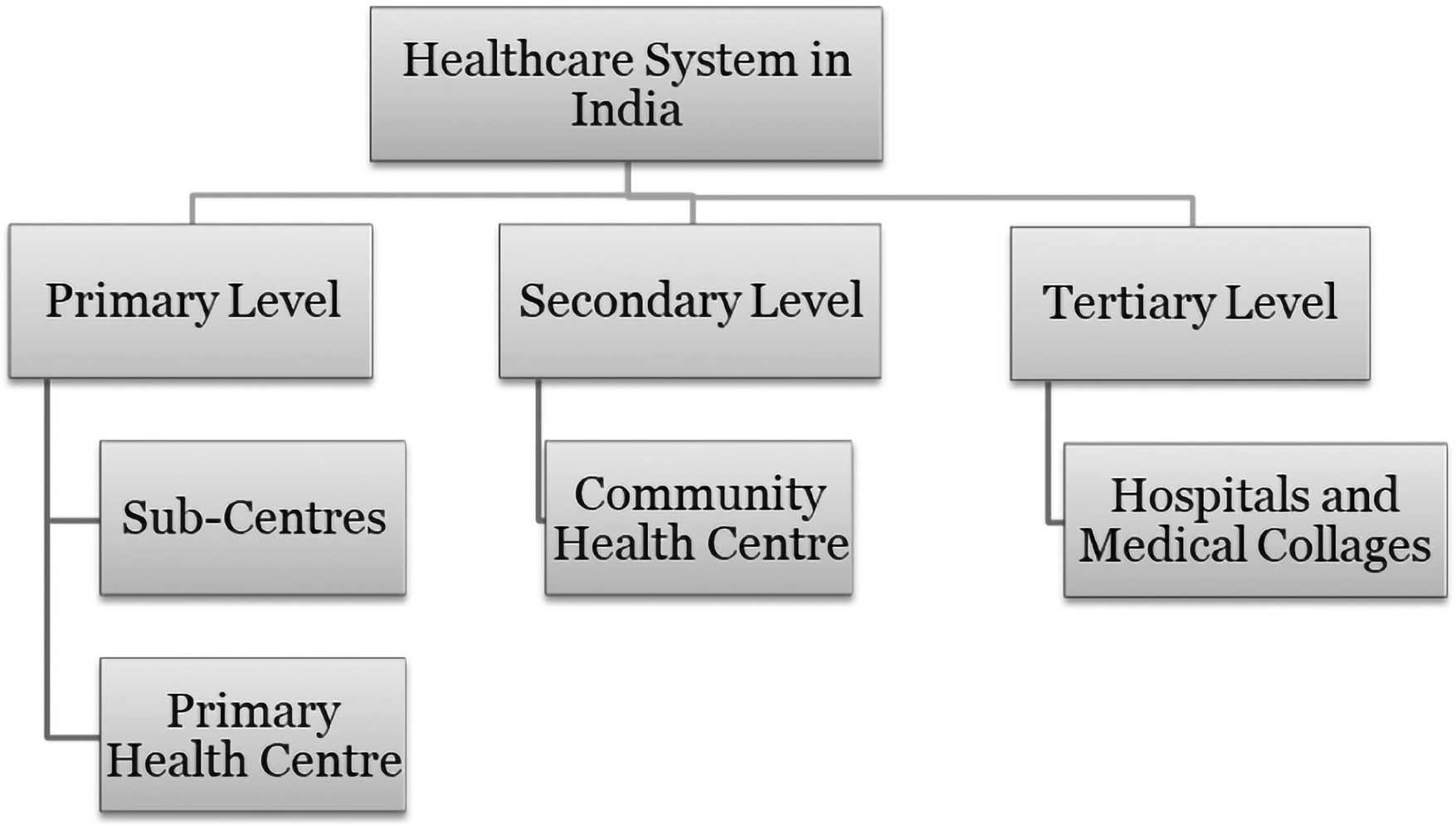
• Major Structural Divisions of Health Care
Figure: Health Care Infrastructure of India
• Primary Healthcare: Primary healthcare denotes the first level of contact between individuals and families with the health system.
• According to Alma Atta Declaration of 1978, Primary Health care was to serve the community, included care for mother and child which included family planning, immunization, prevention of locally endemic diseases, treatment of common diseases or injuries, provision of essential facilities, health education, provision of food and nutrition and adequate supply of safe drinking water.
• The Alma-Ata definition of Primary Health Care that emphasises the principles of social justice, equity, self-reliance, appropriate technology, decentralization, community involvement, intersectoral collaboration, and affordable cost.
• In India, Primary Healthcare is provided through a network of Primary Health Centres (PHCs) and Sub Centres (SCs) in rural areas, whereas in urban areas, it is provided through Health posts and Family Welfare Centres.
• The Primary Health Centre (PHC), staffed by Medical Officer and other paramedical staff serves every 30000 population in the plains and 20,000 persons in hilly, tribal and backward areas. Each PHC is to supervise 6 Sub centres.
• The Sub Centre (SC) consists of one Auxiliary
Nurse Midwife (ANM) and Multipurpose Health worker and serves a population of 5000 in plains and 3000 persons in hilly and tribal areas.
• Secondary Health Care: Secondary Healthcare refers to a second tier of health system, in which patients from primary health care are referred to specialists in higher hospitals for treatment.
• In India, the health centres for secondary health care include District hospitals and Community Health Centre (CHC) at block level.
• Tertiary Health Care: Tertiary Health care refers to a third level of health system, in which specialized consultative care is provided usually on referral from primary and secondary medical care.
• Specialised Intensive Care Units(ICU), advanced diagnostic support services and specialized medical personnel are the key features of tertiary health care.
• In India, under public health system, tertiary care service is provided by medical colleges and advanced medical research institutes.
Key Issues of Healthcare in India
Although India’s healthcare sector has made significant progress in terms of health indicators, it still has some serious flaws in service delivery due to various issues which include:
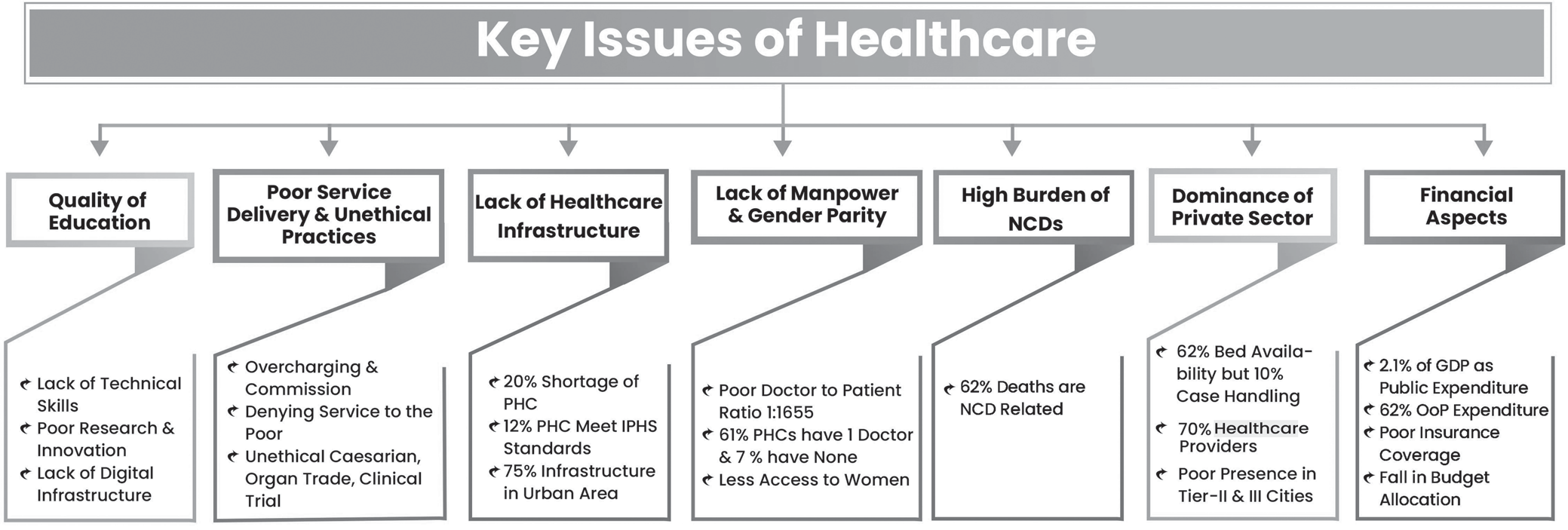
Figure: Key Issues of Healthcare
• Quality of Education in Healthcare
• Lack of skills: Though the institutes are managing to hire professors and lecturers, there is a lack of technical skills. There are very few faculty development programs for upskilling the existing lot. This has left a big gap among the faculties as they are lacking key skills of pedagogy and unable to deliver in the changed scenario of 4th Industrial
Revolution and emergence of pandemics and rising burden of ‘lifestyle’ diseases or non- communicable diseases.
Lack of research and innovation: There haven’t been much ground-breaking research in the medical field. Additionally, since the industry-academia partnership is not available, hence innovation also takes a back seat. This has hurt the heath care sector
badly. Vast number of medical devices and key pharmaceutical ingredients are import-dependent from USA, China, etc. This has raised India’s import bill and put pressure on finances.
• Lack of digital learning infrastructure: The gap in digital learning infrastructure is currently the biggest challenge the sector is facing. This has made the present education pedagogy as obsolete in times of tele-medicine, remote operations, robotic use, use of applications for diagnosis and monitoring, etc.
• Poor Service Delivery
• Despite private hospitals accounting for 62 percent of the total hospital beds as well as ICU beds and almost 56 percent of the ventilators, they are handling only around 10 percent of the workload. The reason being poor services and negligence as visible in recent cases of Artemis Hospital, Medanta, Fortis Hospital, etc.
• Private hospitals are reportedly denying treatment to the poor. Cases of overcharging patients are also being reported in private hospitals. Recent cases indicate this in Chhattisgarh, Maharashtra etc.
• According to the NHRC, Mental Healthcare Institutions are illegally keeping patients long after their recovery violating Article 21 and various obligations under International Covenants relating to rights of persons with disabilities which have been ratified by India.
• Lack of Healthcare Infrastructure
• As per the OECD data available for 2017, India reportedly has only 53 beds per 1,00,000 people (in contrast to 63 in Pakistan, 79.5 in Bangladesh, 415 in Sri Lanka and 1,298 in Japan). This was manifested acutely during COVID-19 pandemic lockdown.
• Inadequate capacity of the health system: Multiple months waiting period at big centres like AIIMS, most patients are forced to go to private clinics and hospitals. This has increased their out-of-pocket expenditure and consequent poverty.
• There is a shortage of PHCs (22%) and sub-health centres (20%), while only 7% sub-health centres and 12% primary health centres meet Indian Public Health Standards (IPHS) norms.
• In the northern States, first mile connectivity to a sub centre and primary healthcare centre is broken. For eg, in Uttar Pradesh there is one PHC for every 28 villages.
• This not only causes loss of lives and decreases
standard of living but also causes serious health insecurity.
• Over 75% of the healthcare infrastructure and 78% doctors is concentrated in metro cities, where only 27% of the total population resides—the rest 73% of the Indian population lack even basic medical facilities.
• Limited government seats: The number of seats available for medical education in India is far less than the number of aspirants who leave school with the dream of becoming doctors. This has also increased cutthroat competition among the students but also increases the fee structure and consequent corruption in the medical education through management quota due to high demand for the premium seats.
• Lack of Manpower and Gender Parity
• No. of doctors-Deficiency: India's Doctor Population Ratio estimated at 1:811 based on availability of Allopathic and AYUSH practitioners as against WHO norm of 1:1000 clearly shows the deficit of MBBS.
• India had 123.3 physicians per 1,00,000 people in 2022-23
• As informed by Indian Nursing Council (INC), there are 39.40 lakh nursing personnwl in the country and assuming 80% active, resulting in a nurse to population ratio of 2.23 nurses per thousand population.
• Lack of filling of posts causes the underutilization of medical resources and infrastructure apart from long queues and high waiting time to get medical services reducing
Ease of Healthcare.
• 61% PHCs have just one doctor, while nearly 7% are functioning without any.
• 33% of PHCs do not have a lab technician, and 20% don’t have a pharmacist. This causes the patients to get tests done in the private labs which are expensive and this promotes doctor-lab nexus for commission and corruption.
• Rising Disease Burden of Non-Communicable Diseases
• According to the study report ‘India State- Level Disease Burden Initiative’ in 2017 by the Indian Council of Medical Research (ICMR), it is estimated that the proportion of deaths due to Non-Communicable Diseases (NCDs) in India has increased from 37.9% in 1990 to 61.8% in 2016. Non-communicable diseases like cancer, diabetes, hypertension and heart diseases are the major causes of ill health, disability and death in the country today.
• Mental health problems were already a major contributor to the burden of illness in India which usually gets unnoticed.
• According to a report by Frontiers in Public Health, more than 33% of the individuals are still suffering from infectious diseases out of the total ailing population in India.
• Dominance of Private sector in the healthcare
• Overall, 31,846 hospitals (17,434 public and 14,412 private) have been officially empaneled under the scheme as of 3rd April 2025.
• Lack of transparency and unethical practices in the private sector like
• In 2018 Delhi’s Max hospital where a live baby was declared dead,
• Unethical caesarean operations in pregnancy: One out of every five pregnant women who didn’t medically need a C-section still went ahead and got one, according to International Institute for Population Sciences (IIPS) study.
• Involvement of senior doctors of Apollo and Hiranandani hospitals in organ trade racket.
• Doctors of government hospitals doing private practice and charging patients hefty fees.
• For a hefty commission, doctors prescribe more tests than necessary, to be done at preferred in- house or outside labs.
• Sometimes tests are not even conducted on the samples taken, instead, fake results are given.
• Nexus between doctors and pharmaceutical firms are rampant, thus doctors prescribe expensive medicines or vaccines when cheaper, quality substitutes and generics are easily available.
• Unethical Clinical trials without consent like Jaipur’s Malpani Hospital.
• Quacks are although healthcare providers in rural inaccessible areas, but are dangerous to patients
• Gender Disparities:
• Women in India face significant health disparities, including limited access to healthcare, higher rates of maternal mortality, and gender-based violence.
• According to the World Economic Forum 2021, India consistently ranks among the five worst countries in the world for the health and survival of females.
• As per the World Economic Forum's Global Gender Gap Report, India ranked 131st out of 148 counties with a parity score of 64.1%. The report (supported by data from the National Family Health Survey)
highlights severe nutritional challenges, notably that roughly 57%of Indian women aged 15-49 is anaemic.
• Financial Aspects:
• India's public expenditure is 1.9% of GDP in the budget 2026-27. India’s public expenditure on healthcare stood at 2.1% of GDP in 2021-22 against 1.8% in 2020-21 and 1.3% in 2019-20. However, this is much lower than the average health of 5.2% in Lower- and Middle-Income Countries (LMIC).
• India has among the lowest per capita healthcare expenditures globally, and the health budget has remained stagnant in real terms. This has strained healthcare infrastructure and research, leading to a growing reliance on the private sector. Issues such as delayed salaries, insufficient investment, and a lack of essential facilities and medicines have contributed to a decline in the overall quality of healthcare.
• High Out of pocket expenditure: Out-of-
Pocket Expenditure as percentage of Total health Expenditure has declined from 62.6% in 2014-15 to 39.4% in 2021-22. Majority of this expenditure goes into medicines and lab tests. This has severely increased rate of poverty in India.
• A report from Brookings India based on NSSO surveys claims that ~7% of India’s population is pushed into poverty every year due to healthcare expenses.
• Despite availability of Generic Medicines which are much cheaper, their accessibility is very limited, substandard quality, faces leakages and goes against the vested interests of the vast branded pharmaceutical market and commission based nexus among medical fraternity.
• Poor insurance penetration: Government contribution to insurance stands at roughly 32 percent, as opposed to 83.5 percent in the UK.
• The high out-of-pocket expenses in India stem from the fact that 76 percent of Indians do not have health insurance.
• Numerous Schemes and its limitations:
• The Government has launched many policies and health programmes but success has been partial at best.
• The overall situation with the National Health Mission (NHM), India’s flagship programme in primary health care, continues to be dismal.
• The NHM’s share in the health budget fell from 73% in 2006 to 50% in 2019 in the absence of uniform and substantial increases in health spending by States.
• The Union Budget allocated Rs. 39,390 Crore to the National Health Mission (NHM) for 2026-
27. This represents a 6.17% increase over the
previous year's revised estimates of Rs. 37,100 Crore.
• Healthcare without holistic approach:
• There are a lot of other determinants for better health like improved drinking water supply and sanitation; better nutritional outcomes, health
and education for women and girls; improved air quality and safer roads which are outside the purview of the Health Ministry.
Key Paradoxes of Healthcare in India:
• Healthcare is a fundamental right, but it is not fundamentally right in India: Though the right to health is inherent to a life with dignity under Article 21 of the constitution, yet the expenditure on healthcare is one of the lowest in the world.
• Among the cheapest in the world, yet unaffordable
for most locally: Though globally cheap, yet India
has one of the world’s highest rates of out-of-pocket spending in healthcare. Millions in India cannot afford these procedures in their own country.
• Less health infrastructure, but medical tourism booms: There is a dearth of medical schools and clinicians. Most hospitals in India are overburdened, understaffed, and ill-equipped. However, still private medical tourism facilities are available on the plank of ‘world-class service at low cost’.
• Low Global Population share but High Disease Burden: Although India accounted for only 18 per cent of the global population in 2016, we accounted for 34 per cent of the global tuberculosis burden and 26 per cent of the premature mortality due to diarrhoea, lower respiratory and other common infectious diseases along with non-communicable diseases (NCDs), causing 55 per cent morbidity and premature mortality.
Urban vs Rural Healthcare
URBAN HEALTH CARE
Rural-urban disparity: Until recently, Union government mostly focused on rural healthcare. Ex: expenditure on urban areas was ₹850 crore in 2019-20, compared to nearly ₹30,000 crore for rural.
Lack of health infrastructure: Against a norm-based target of 9,072 urban primary health centres (UPHCs), only 5,190 are operational.
Most states do not have urban sub-centres (SCs), people’s first point of access for healthcare services. There are only 3,000 urban SCs compared to over 150,000 in rural areas.
Problem of ‘overhospitalization’ of basic care, ideally done in clinics.
Lack of devolution of functions by state government and inadequate role clarity among various health-related agencies
Poor financial condition of ULBs, and low priority accorded to health.
PROPOSED REFORMS OF HEALTHCARE IN INDIA
RURAL HEALTH CARE
Poor Service Quality and Infrastructure: Only 11% sub- centres, 13% Primary Health Centres (PHCs) and 16% Community Health Centres (CHCs) in rural India meet the Indian Public Health Standards (IPHS).
Patients when in emergency sent to the tertiary care hospital.
Lack of Capacity: Only one allopathic doctor is available for every 10,000 people and one state run hospital is available for 90,000 people.
Most of the centres are run by unskilled or semi-skilled paramedics and doctor in the rural setup is rarely available.
In many rural hospitals, the number of nurses is much less than required.
Corruption and Exploitation: Innocent and illiterate patients or their relatives are exploited, and they are allowed to know their rights. In urban areas, they get more confused and get easily cheated by a group of health workers and middlemen.
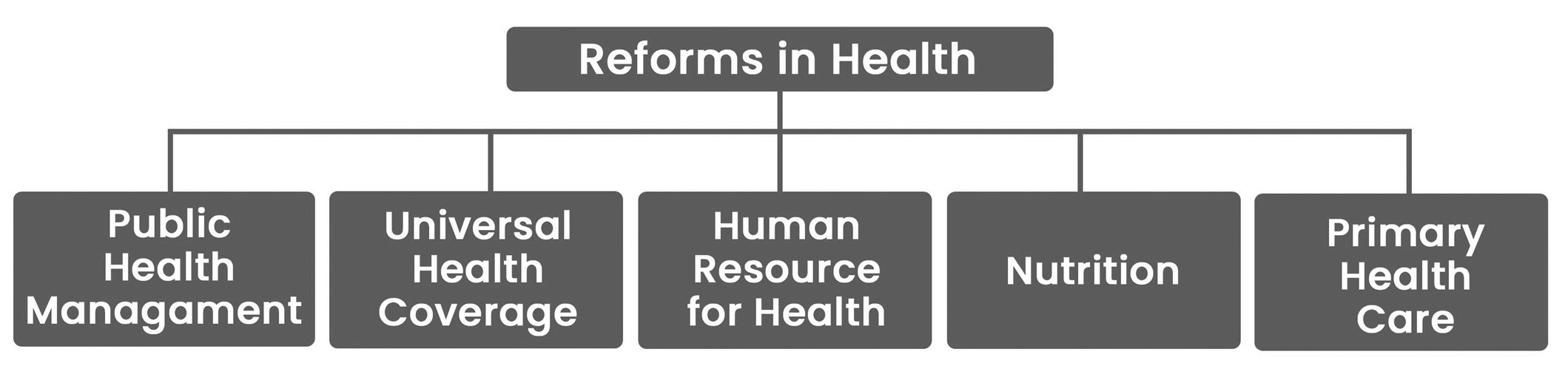
Figure: Reforms in Health
• Fifteenth Finance Commission Chairman N.K. Singh
recommended the following:
• Health should be shifted to the Concurrent list under the Constitution. Presently, ‘Health’ is under the State List.
• He also pitched for a Developmental Finance Institution (DFI) dedicated to healthcare investments.
• Increase the government spending on health to
2.5% of GDP by 2025.
• Primary healthcare should be a fundamental commitment of all States in particular and should be allocated at least two-thirds of health spending.
• To have a standardisation of Health Care Codes for both the Centre and states on the lines of Labour Codes.
• Forming an All India Medical and Health Service.
• Given the inter-state disparity in the availability of medical doctors, it is essential to constitute the Service as is envisaged under Section 2A of the All-India Services Act, 1951.
• Emphasised the importance of universalising healthcare insurance, as a large section of the society still remain uncovered.
According to NITI Aayog’s India@75 report, various recommendations of reforms include
• Public Health Management and Action
• To revamp radically the public and preventive health system in the nation through the following strategic interventions:
• Mobilize public health action through an integrated, inter-sectoral and pan-stakeholder approtargeted at communities and individuals as well as grassroots organizations, aimed at creating an unprecedented people-led movement for health and wellness.
• Operationalize vital enablers –
• a) Public Health and Management Cadre,
• b) Public Health Agency with capacitated supporting institutions
• (c) municipalities and panchayati raj institutions.
• Institute a public health and management cadre in states Incentivize state governments to invest in creating a dedicated cadre for public health at the state, district and block levels.
• Create a focal point for public health at the central level with state counterparts
• Explore the need for a Public Health Act to legislatively empower and, if necessary, institutionalise the Public Health Agency
•
Comprehensive Primary Health Care
• Accelerate the establishment of a network of 150,000 Health and Wellness Centres (HWC) on priority by 2022-23 in order to ensure sufficient coverage of affordable primary care and lower the burden on secondary and tertiary care.
• HWCs should provide services such as screening and management of non-communicable diseases; screening and basic management of mental health ailments; care for common ophthalmic and ENT problems; basic dental health care; geriatric and palliative health care, and trauma care and emergency care.
• Human Resources for Health (HRH)
• Reform the governance of medical, nursing, dentistry and pharmacy education in the country
• Establish a Council for Allied Health Professionals to ensure standardization of education and putting in place quality control mechanisms for educational institutions, teaching methods, clinical protocols and workforce management.
• Enhance production of doctors (especially specialists and super- specialists)
• Develop a comprehensive Human Resources for Health Policy in states
• Skill and deploy non-physicians and other health providers
• Generate data on HRH, track progress
• Engage private sector for skilling and training HRH
• Universal Health Coverage
• Roll out PM-Jan Arogya Yojana
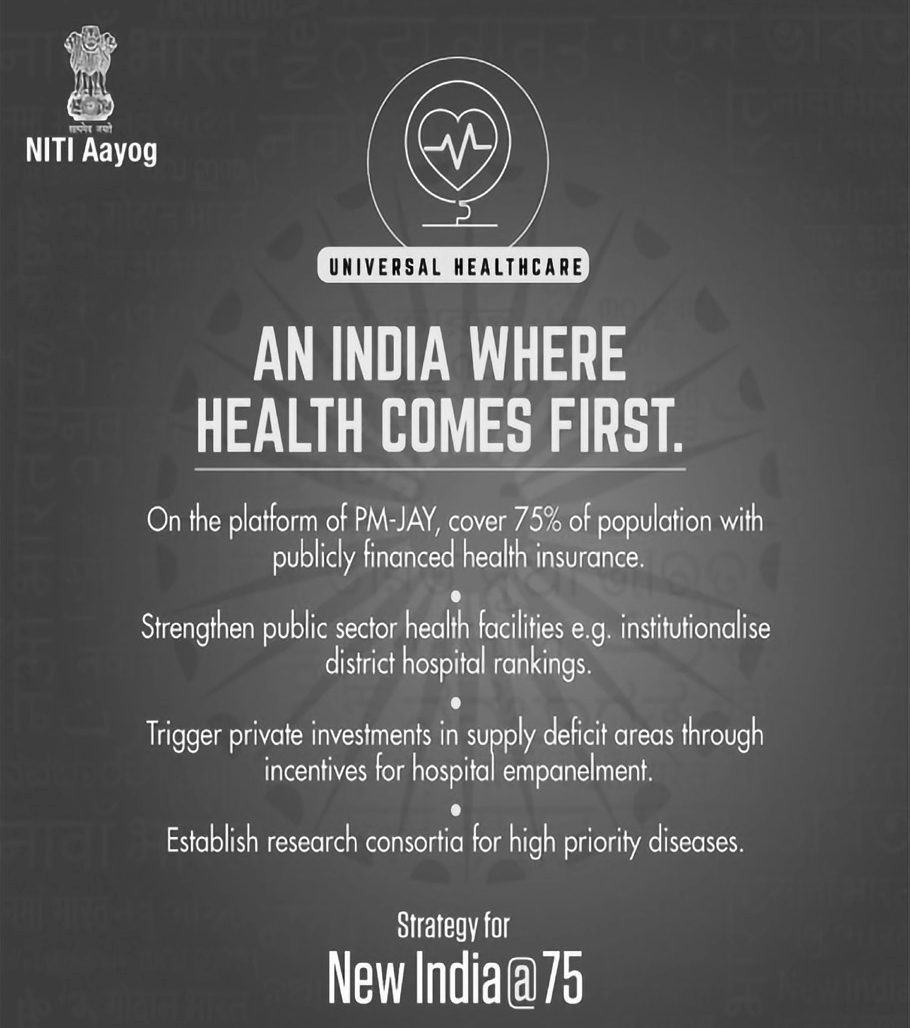
• Galvanize health facilities in the public sector and engage the private sector
• Ensure access to affordable drugs and medical devices
• Institute a new Drug Price Control Order (DPCO), which ensures rational drug prices by reducing trade margins.
• Strengthen health research capacity
• Nutrition
• Provide greater flexibility to states under the POSHAN Abhiyaan to adapt programmes for context-specific implementation and to experiment with innovative approaches to attain high coverage, quality, equity and better outcomes.
• Implement POSHAN Abhiyaan in mission mode action in districts with a high burden of malnutrition.
• Make ‘POSHAN Abhiyaan’ a Jan Andolan, a community-led movement with adequate political backing.
• Develop and implement Annual Integrated Health, Nutrition and Swachh Bharat Mission (SBM) action plans for all districts under the POSHAN Abhiyaan.
• Fortification: Consider mandatory fortification of staples produced in the organized sector and provide incentives to the industry to do so.
• Research: Create a national nutrition surveillance system to track food quality and consumption patterns and nutritional deficiency profiles for all age groups in different regions.
• Scale-up nutrition MIS and strengthen monitoring mechanisms by rolling out the Common Application Software (CAS) developed by the Ministry of Women and Child Development on a countrywide basis.
• Water, Sanitation and Hygiene (WASH)
• Drinking-water encompasses water used for drinking, cooking and personal hygiene. Water safety and quality are fundamental to human development and well-being. Providing access to safe water is one of the most effective instruments in promoting health and reducing poverty.
• Health risks:
• Risks may arise from consumption of water that is contaminated with infectious agents, toxic chemicals, and radiological hazards.
• Contaminated water and poor sanitation are linked to transmission of diseases such as cholera, diarrhoea, dysentery, hepatitis A, typhoid, and polio.
•
Absent, inadequate, or inappropriately managed water and sanitation services expose individuals to preventable health risks.
In 2010, the UN General Assembly explicitly recognised the Human Right to Water and Sanitation.
• Everyone has the right to sufficient, continuous, safe, acceptable, physically accessible, and affordable water for personal and domestic use.
• Sustainable Development Goal target 6.1 calls for universal and equitable access to safe and affordable drinking-water.
• The target is tracked with the indicator of “safely managed drinking-water services” – drinking- water from an improved water source that is located on premises, available when needed, and free from faecal and priority chemical contamination.
• World Health Organization(WHO) leads global efforts to prevent transmission of waterborne disease, advising governments on the development of health- based targets and regulations.
• WHO produces a series of water quality guidelines, including on drinking-water, safe use of wastewater, and safe recreational water environments.
• Shanta Kumar Committee 2016 on Food Corporation of India (FCI)
• It aimed at streamlining the functioning and restructuring or unbundling of FCI to improve its financial management and operational efficiency in procurement, storage and distribution of food grains.
• Important recommendations made:
• Reduce the number of beneficiaries under the Food Security Act—from the current 67 per cent to 40 per cent.
• Allow private players to procure and store food grains.
• Stop bonuses on minimum support price (MSP) paid by states to farmers, and adopt cash transfer system so that MSP and food subsidy amounts can be directly transferred to the accounts of farmers and food security beneficiaries.
• FCI procurement only in poor states: In the case of those states which are performing well, like Haryana, Punjab, Andhra Pradesh, Chhattisgarh, Madhya Pradesh and Odisha, the states should do the procurement.
• Abolishing levy rice: Under levy rice policy, government buys certain percentage of rice (varies from 25 to 75 per cent in states) from the
mills compulsorily, which is called levy rice. Mills are allowed to sell only the remainder in the open market.
• Deregulate fertiliser sector and provide cash fertiliser subsidy of Rs 7,000 per hectare to farmers.
• Outsource of stocking of grains: The committee calls for setting up of negotiable warehouse receipt (NWR) system.
• Clear and transparent liquidation policy for buffer stock:
Other Committee Recommendations
• Presently, the goal of Universal Health Care (UHC) for all in India by the year 2030.
• Bhore Committee 1946.
• It laid emphasis on integration of curative and preventive medicine at all levels.
• Development of Primary Health Centres(PHC) in 2 stages :
• a. Short-term measure – one primary health centre as suggested for a population of 40,000, manned by 2 doctors, one nurse.
• b. A long-term programme (also called the 3 million plan) of setting up primary health units with 75 – bedded hospitals for each 10,000 to 20,000 population and secondary units with 650 – bedded hospital, again regionalised around district hospitals with 2500 beds.
• Major changes in medical education which includes 3 - month training in preventive and social medicine to prepare “social physicians”.
• Mudaliar Committee 1962.
• PHC, already established should be strengthened before new ones are opened.
• An All-India Health service should be created to replace the erstwhile Indian Medical service.
• Mukherjee Committee on Family Planning 1965.
• The separate family planning assistants were to undertake family planning duties only.
• Jungalwalla Committee, 1967.
• It called for Integration of health services, abolition of private practice by doctors in government services, and the service conditions of doctors.
• Kartar Singh Committee 1973.
• Various categories of peripheral workers should be amalgamated into a single cadre of multipurpose workers (male and female).
• One health supervisor (male or female respectively).
•
Shrivastav Committee on Medical Education 1975.
• Creation of bonds of paraprofessional and semi- professional health workers from within the community itself.
• Establishment of 3 cadres of health workers namely – multipurpose health workers and health assistants between the community level workers and doctors at PHC.
• Development of a “Referral Services Complex”
• Due to this committee, Rural Health Service was launched.
• Bajaj Committee, 1986.
• Formulation of National Health Manpower Policy.
• Establishment of an Educational Commission for Health Sciences (ECHS) on the lines of UGC.
• Establishment of Health Science Universities in various states and union territories.
• Establishment of health manpower cells at centre and in the states
• Vocationalisation of education at 10+2 levels as regards health related fields with appropriate incentives.
Carrying out a realistic health manpower survey
Steps Taken by the Government in Health Sector
steps taken by the Government in health sector
• Recent steps taken by the government to address the issues and challenges along with to improve Indian healthcare system include:
• At the Policy Level
• National Health Policy 2017:
• It was based on the idea of achieving Universal Health Coverage and to achieve Sustainable Development Goals (SDG) for India, both by 2030.
• National Nutrition Strategy 2017:
• It was based on National Nutrition Policy, 1993 which had some salient features like
• National Nutrition Policy was divided into direct strategies (short term) and indirect strategies (long term). Direct strategies demanded focus on the following:
• Ensuring proper nutrition of the target groups
i.e. the vulnerable section of the society (children, adolescent, pregnant and nursing women, etc.)
• Expanding the safety net for children (i.e. expanding the policy to rural slums along with urban slums),
• Food fortification,
• Provisions for low-cost nutrition food, and
• Combating micro-nutrition deficiency in the vulnerable groups
• Launched by NITI Aayog in 2017, National Nutrition Strategy is committed to ensuring that every child, woman and adolescent girl especially from vulnerable sections of society attains optimal nutrition through Mid-Day Meal or PM POSHAN Abhiyan. It aims to achieve improvement in nutritional status of children from 0-6 years, Adolescent Girls, Pregnant Women and Lactating Mothers in a time bound manner through components like ICT Application, Convergence, Community Mobilization, Behavioural Change & Jan Andolan, Capacity Building, Incentives and Awards and Innovations.
• The focus will be on reducing undernutrition, especially in the first three years of the life cycle.
•
Along with reducing malnutrition in India, National Nutrition Strategy focuses towards achieving the vision of Kuposhan Mukt Bharat by 2022(now till 2023) under Vision 2020-25.
• Another objective of this scheme is gradually augmenting interventions under Integrated Child Development Services (ICDS) supported by the
World Bank.
• Specific targets set up by National Nutrition Mission are
• Reduce stunting by 2% /year.
• Reduce undernutrition by 2% /year.
• Reduce anaemia by 3% /year.
• Reduce low birth weight by 2% /year.
• Decrease in the rate of underweight children below 5 years from 35.7% to 20.7 % by 2022.
• Decrease in Anemia cases in kids (6-59 months) from 58.4 % to 19.5% by 2022
• Decrease in Anemia cases in women and girls (15-49 years) from 53.1% to 17.7% by 2022.
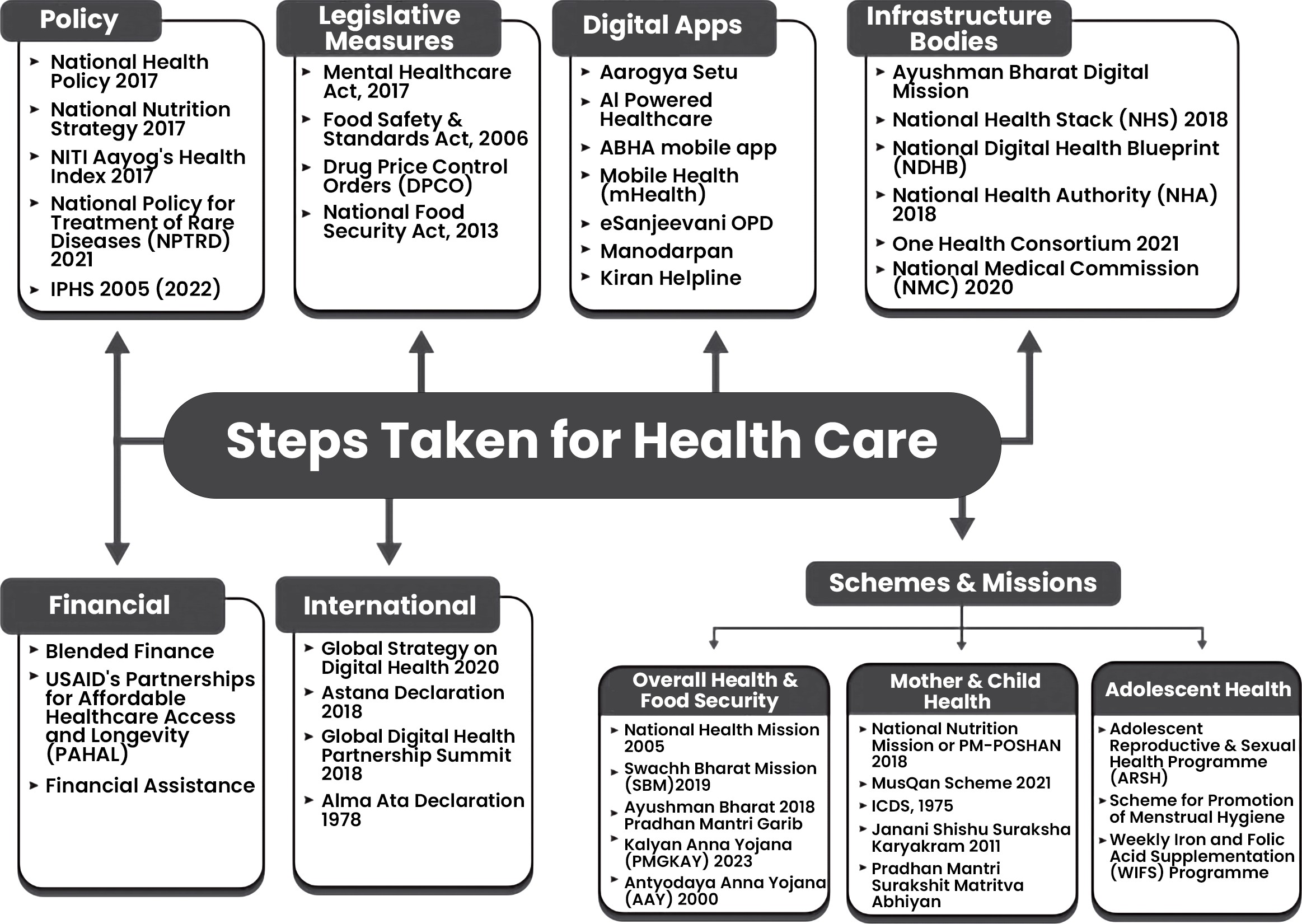
Figure: Steps Taken for Health
Stunting among children under five years decined from 35.5% to 29.3%.
Severe wasting declined from 7.7% to 5.2%
Underweight prevalence declined from 32.1% to 31.8%
Overweight children have reduced from 3.4% to 1.3%
Coverage: Under POSHAN Abhiyaan, all the districts of 36 States/UTs have been covered for roll- out.
Technology: Procurement of Smart phones and Growth Monitoring Devices has been coordinated through Government e-Marketplace (GeM) Portal. Till date, 11.03 lakh Smart Phones and 11.94 lakh GMDs have been procured by the States/UTs.
Tracking and Monitoring: A robust ICT Application “Poshan Tracker” has been conceptualised which is an overarching system, providing facilities, services and inter-linkages, and thereby also promote real time data with analytics. Around 12.63 lakh AWCs have started using the ICT Application.
Awareness Campaigns: Approx. 40+ crore Jan Andolan based activities have been conducted since the launch of the Abhiyaan. Total three (4) Poshan Pakhwadas and four (4) Poshan Maahs have been conducted since the launch of the Abhiyaan.
Community Based Events (CBEs) are organized
Finance: 50 Innovative projects and implementation of Flexi Fund based activities.
Community Based Events (CBEs) are organized
• These positive outcomes were achieved through greater political commitment, with a systematic push given to the Jandhan Yojana and initiatives like Mission Indradhanush and Janani Suraksha Yojana under the National Health Mission, Swachh Bharat Abhiyan, Ujjawala Scheme, Beti Bachao Beti Padhao and women’s self-help groups.
Areas that still need attention: Despite notable progress in maternal and child health services, including antenatal care (ANC), child immunizations, and diarrheal management—factors that, along with nutrition, directly impact maternal and child nutrition—there are still significant challenges. Improvements in addressing underlying causes of undernutrition, such as enhanced sanitation and women's empowerment indicators (e.g., lower fertility rates, 10 years of schooling, mobile phone and bank account ownership, access to clean cooking fuel, later marriages, and reduced spousal violence), have been achieved. However, many obstacles remain.
Only one in 10 children above 6 months receives an adequate diet in line with the recommended frequency of semi-solids fed 3-4 times a day at 6-8 months made of items from at least four food groups.
• Every third child under five and a fifth of women is undernourished, and a quarter of women are overweight while more than every second child, adolescent and woman is anaemic.
• Lack of essential nutrition interventions during the first 1,000 days of life (270 days of pregnancy and 730 days 0-24 months).
• No maternal nutrition policy and weak implementation of infant and young child feeding policy
• Despite Infant and Young Child Feeding (IYCF) policy since 2000, Caregivers are not well-informed about what, when and how often to feed a child over six months, contributing to obesity, micronutrient deficiencies and increased chances of adult-onset non-communicable diseases.
• Behavioural Changes: Some studies show that 20% of undernourished children are from communities with the highest wealth index which highlights that the main reason behind these issues is a failure to effect behavioural problems and lack of awareness.
• Nutrition care is divided into prevention and care between our health system and ICDS: ICDS is the main government program to improve the nutritional status, but has no opportunities for direct contact with the young mother to influence nutrition practices.
• NITI Aayog’s Health Index 2017
• The State Health Index is an annual tool developed with technical assistance from the World Bank and consultation with the Ministry of Health and Family Welfare (MoHFW), to assess the performance of states and UTs, which is weighted composite index based on 24 indicators grouped under the domains of ‘Health Outcomes’, ‘Governance and Information’, and ‘Key Inputs/ Processes’.
• Health Index has been developed as a tool to leverage cooperative and competitive federalism to accelerate the pace of achieving health outcomes.
• It would also serve as an instrument for “nudging” States & Union Territories (UTs) and the Central Ministries to a much greater focus on output and outcome-based measurement of annual performance than is currently the practice.
• With the annual publication of the Index and its availability on public domain on a dynamic basis, it is expected to keep every stakeholder alert to the achievement of Sustainable Development Goals
(SDGs) Goal number 3.
• Health Outcomes: It includes parameters such as neonatal mortality rate, under-5 mortality rate, sex ratio at birth.
• Governance and Information: It includes parameters such as institutional deliveries, average occupancy of senior officers in key posts earmarked for health.
• Key Inputs/Processes: It consists of proportion of shortfall in health care providers to what is recommended, functional medical facilities, birth and death registration and tuberculosis treatment success rate.
• Fiscal Health Index 2026
• NITI Aayog released the second edition of the Fiscal Health Index (FHI) 2026 to evaluate the fiscal performance of Indian states. The index provides a data-driven framework to assess fiscal sustainability, compare state finances, and guide reforms.
• It evaluates states across five key pillars: Quality of Expenditure, Revenue Mobilisation, Fiscal Prudence, Debt Index, and Debt Sustainability.
• It analyses fiscal trends over a decade from FY 2014-15 to FY 2023-24 providing a longitudinal perspective on how states are progressing or regressing.
• The second edition expands coverage from 18 General Category States to also include 10 North-
Eastern and Himalayan States, making the index more inclusive of India's diverse fiscal landscape.
• 18 Major States
• Achievers (Top Performers): Odisha, Goa, Jharkhand.
• Odisha continues to lead the rankings, driven by controlled deficits, stable revenues, and improving scores year-on-year.
• Achiever states share common traits: own-tax shares above 60%, capital outlay of around 4–5% of Gross State Domestic Product (GSDP), fiscal deficits below 3% of GSDP, moderate debt levels under 25% of GSDP, and contained interest burdens.
• Front-Runners: Gujarat, Maharashtra, Chhattisgarh, Telangana, Uttar Pradesh, Karnataka.
• Performers: Madhya Pradesh, Haryana, Bihar, Tamil Nadu, Rajasthan.
• Aspirational (Bottom Performers): West Bengal, Kerala, Andhra Pradesh, Punjab.
• North-Eastern and Himalayan States
• Achievers:A runachalPradesh and Uttarakhand.
• Performers: Assam, Meghalaya, Mizoram, Sikkim, Tripura.
• Aspirational: Himachal Pradesh, Manipur, Nagaland
• India Newborn Action Plan (INAP) 2014
• Its aim was to reduce preventable newborn deaths and stillbirths in the country with strategic interventions.
• It defines six pillars of interventions:
• Pre-conception and antenatal care
• Care during labour and childbirth
• Immediate newborn care
• Care of healthy newborn
• Care of small and sick newborn
• Care beyond newborn survival
• National Policy for Treatment of Rare Diseases (NPTRD) 2021
• It offers financial support for one-time treatment of up to Rs. 20 lakh, introduces a crowdfunding mechanism, creates a registry of rare diseases and provides for early detection.
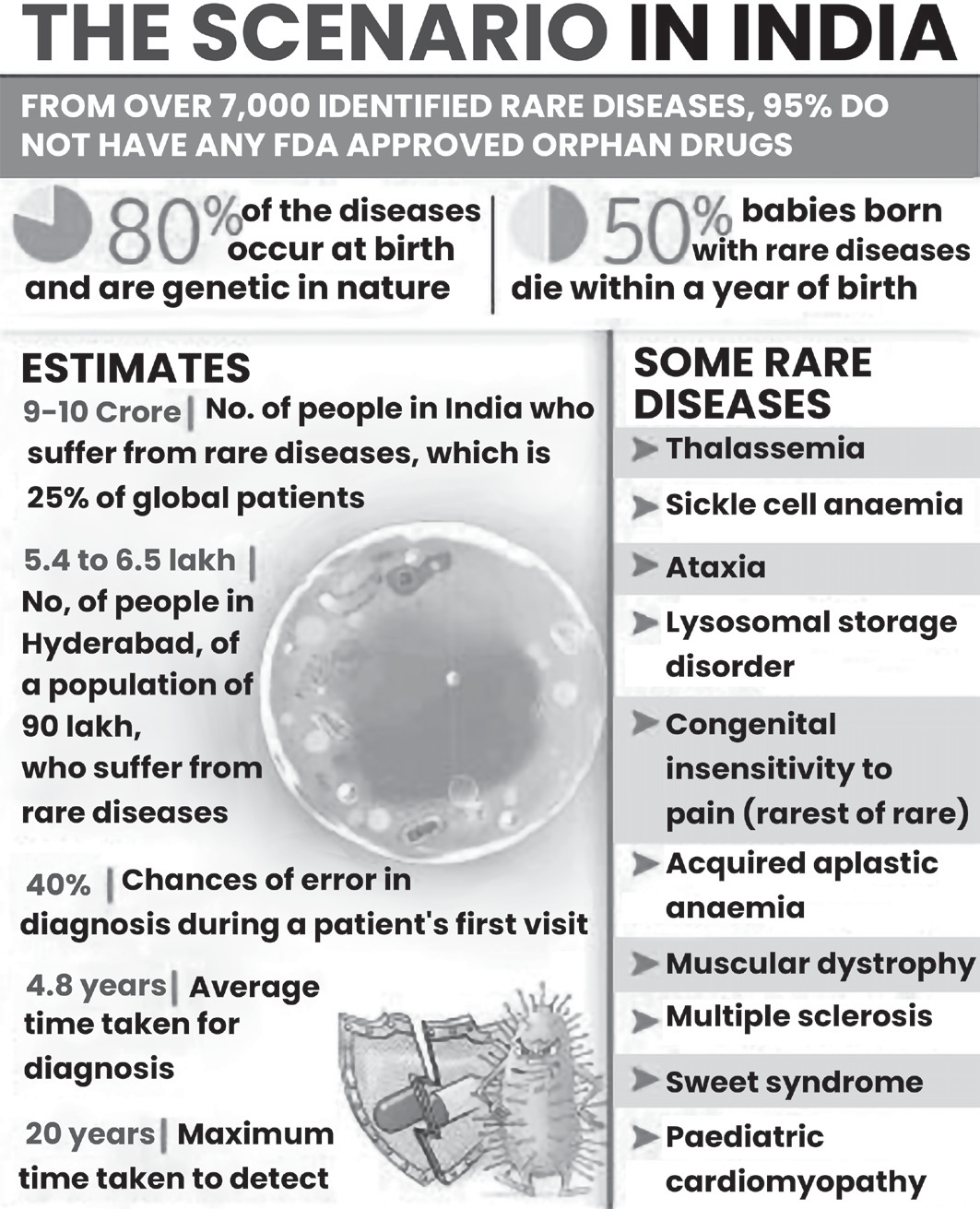
Figure: Scenario of Rare Diseases in India
• It categories ‘rare disease’ into three groups.
• Group 1: Disorders amenable to one-time curative treatment up to Rs. 20 lakh and treated in government tertiary care hospital, under the umbrella scheme of Rashtriya Arogya Nidhi (RAN) for below poverty line (BPL) and who are suffering from major life threatening diseases.
• Group 2: Diseases requiring long term/ lifelong treatment having relatively lower cost of treatment and benefit and frequent surveillance is required with special diets or hormonal supplements.
• Group 3: Diseases for which definitive treatment is available but challenges are to make optimal patient selection for benefit, very high cost and lifelong therapy.
• The government would notify selected Centres of Excellence and provided a one-time grant to a maximum of Rs. 5 crore each for infrastructure development for screening, tests, treatment.
• National Strategy and Roadmap for Medical and Wellness Tourism 2022
• In order to provide impetus to the growth of Medical Value Travel and wellness tourism
in India and maintain India’s competitive advantage, a comprehensive strategy and roadmap have been prepared, to accelerate the country’s development and attaining the objective of Aatmanirbhar Bharat.
• The National Strategy aims at providing an institutional framework, strengthening the ecosystem for medical and wellness tourism, developing a brand and ensuring quality assurance.
• National Population Policy, 2000 (NPP 2000): The policy was formulated based on the recommendations of Dr. MS Swaminathan Expert Group. It affirms the commitment of government towards voluntary and informed choice and consent of citizens while availing of reproductive health care services, and continuation of the target free approach in administering family planning services.
• Medium-term objective of the NPP 2000 was to reduce the Total Fertility Rate (TFR) to replacement levels at 2.1 children per woman by 2010.
• Long-term objective is “to achieve a stable population by 2045, at a level consistent with the requirements of sustainable economic growth, social development, and environmental protection.”
• Other Targets include
• Making school education free and compulsory up to the age of 14 years and also reducing the dropout rates of both boys and girls.
• Decreasing the Infant Mortality Rate (IMR) to under 30 per 1000 live births in the country (to be achieved by 2010 as prescribed when the NPP was brought out).
• Reducing the Maternal Mortality Rate (MMR) to under 100 per 1 lakh live births (to be achieved by 2010 as prescribed when the NPP was brought out).
• Achieving universal immunization for all children against vaccine preventable diseases. Encouraging delayed marriage forgirls (p referably before 18 years and above 20 years). Achieving 80 percent institutional deliveries and 100 percent deliveries by trained persons
.
• Attaining 100% registration of pregnancies, births, deaths and marriages.
Performance Analysis of National Population Policy
• Achievements in Family Planning: Overall Contraceptive Prevalence Rate (CPR) has increased substantially from 54% to 67% at all-India level except of Punjab.
• Use of modern methods of contraceptives has also increased in almost all States/UTs and unmet needs of Family Planning have witnessed a significant decline from 13% to 9% at all-India level.
• The unmet need for spacing which remained a major issue in India in the past has come down to less than 10% in all the States except Jharkhand (12%), Arunachal Pradesh (13%) and Uttar Pradesh (13%).
• However, increased awareness among people has led to a decrease in the birth rate and controlled TFR among women.
• Failure to Meet Goals: Undoubtedly, the government has failed to achieve goals by 2010—or even by 2020 for that matter.
• Narrow Perspective: The NPP had a narrow perspective, give much importance to contraception and sterilisation.
• Misplaced Priorities: The basic prerequisite of controlling population includes poverty alleviation, improving the standards of living and the spread of education.
• Issue of Publicising: On national scale the policy was not publicised and failed to generate mass support in favour of population control.
• Lack of Infrastructure: We have insufficient infrastructure owing to the lack of trained staff, lack of adequate aptitude among the staff and limited use or misuse of the equipment for population control resulted in failure of the policy
• Lack of Public Trust: The use of coercion during the Emergency (1976-77) caused a serious resentment among the masses. This made the very NPP itself
very unpopular.
Indian Public Health Standards (IPHS) 2005 (revised in 2022)
At the Legal level
Mental Healthcare Act, 2017: An Act to provide for mental healthcare and services for persons with mental illness and to protect, promote and fulfil the rights of such persons during delivery of mental healthcare and services.
Performance Analysis of National Population Policy
This Act defined Mental Illness as “a substantial disorder of thinking, mood, perception, orientation, or memory that grossly impairs judgment, behaviour, capacity to recognize reality or ability to meet the ordinary demands of life, mental conditions associated with the abuse of alcohol and drugs.”
It also provides the right of patients to access
facilities that include rehabilitation services in the hospital, community, and home, sheltered and supported accommodation.
• It regulates the research on PMI (Person with Mental Illness) and the use of neurosurgical treatments.
• Attempt to Commit Suicide not an Offence:
• A person who attempts to commit suicide will be presumed to be “suffering from severe stress’’ and shall not be subjected to any investigation or prosecution.
• The act envisages the establishment of Central Mental Health Authority and State Mental Health Authority.
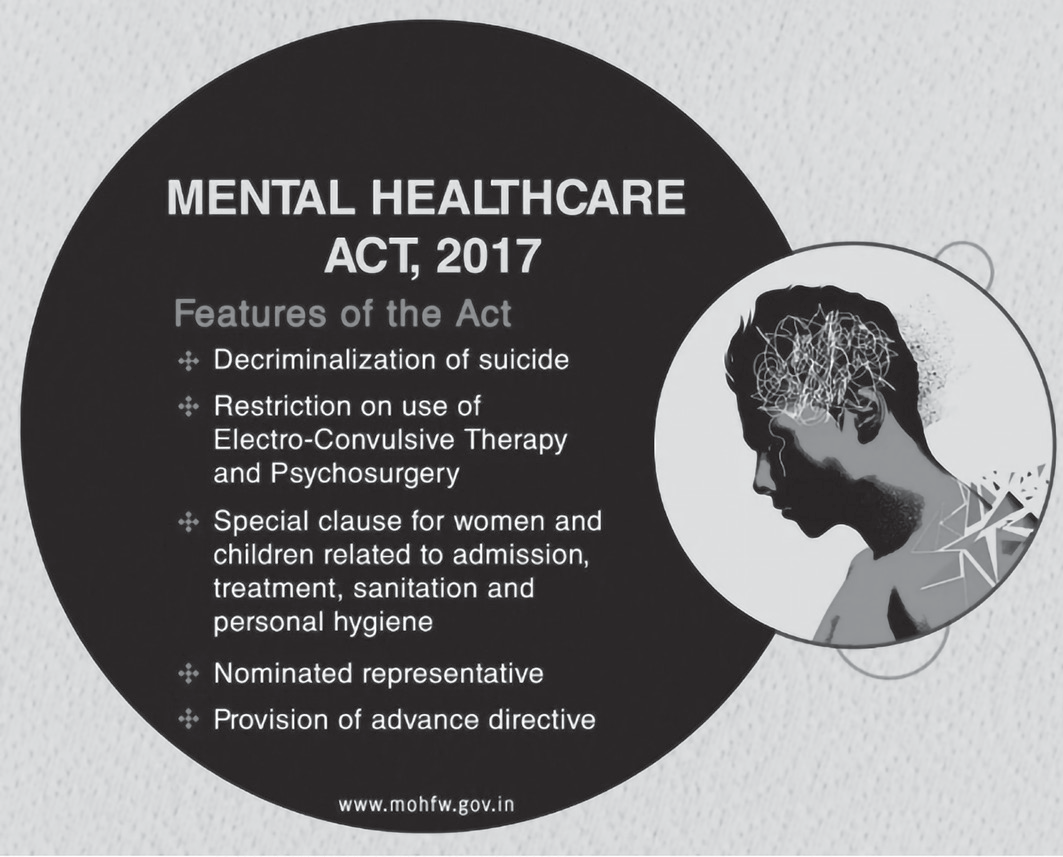
Figure: Mental Healthcare Act, 2017
• Rights of Patient under MHA:
• Right to Make an Advance Directive (on how to be treated or not to be treated for the illness).
• Right to Access to Healthcare Services.
• Right to free of cost healthcare services.
• Right to live in a community.
• Right to protection from cruel, inhuman and degrading treatment.
• Right not to be treated under prohibited treatment.
• Right to equality and non-discrimination.
• Right to information.
• Right to confidentiality.
• Right to legal aid and complain.
• Food Safety and Standards Act, 2006:
• The Act seeks to unify food-related laws and establish the Food Safety and Standards Authority of India.
• National Food Security Act, 2013:
• To provide for food and nutritional security in the human life cycle approach, by ensuring access to adequate quantities of quality food at affordable prices to people to live a life with dignity.
• It aims to provide at least 5 kg of food grains per month at a subsidized price to around 75% of the rural population and 50% of the urban population.
• Under the Targeted Public Distribution System (TPDS), foodgrains were sold at highly subsidized prices of Rs. 1/-, Rs. 2/- and Rs. 3/- per kg for nutri-cereals, wheat and rice respectively.
• This Act also aims to provide nutritional support to pregnant women and lactating mothers along with children aged 6 months to 14 years, under Integrated Child Development Services (ICDS) and Mid-Day Meal (MDM) schemes.
• Benefits:
• Priority household category is entitled to 5 kg per person per month.
• Antyodaya Anna Yojana (AAY) families are entitled to 35 kg per family per month.
• Maternity Benefit: Pregnant women and lactating mothers will also be entitled receive maternity benefit of not less than Rs. 6,000 as per scheme to be formulated by the Central government.
• Grievance Redressal and Vigilance Mechanism: at the District and State levels.
• Food Security Allowance: In case of non-supply of entitled foodgrains or meals.
• Penalty: In case of failure to comply with the relief recommended by the District Grievance Redressal Officer.
• Centre’s Covid-19 package announced in 2020.
• About 81 crore NFSA beneficiaries were entitled to get free of cost 5 kg foodgrain per person in a month over and above their monthly entitlements at subsidised rate.
Analysis of National Food Security Act
• Problem of Ignorance about Nutrition:The United Nations Children’s Fund (UNICEF) India has reported that 61 million children suffer from chronic undernutrition, while 8 million face severe acute malnutrition. Therefore, it is essential for the Act to incorporate the Right to Adequate Nutrition.
• Intergenerational Cycle of Malnutrition: Small women are at greater risk of delivering an infant with low birth weight, contributing to the intergenerational cycle of malnutrition.
• An LBW baby is also likely to be exposed to further environmental stressors after birth, trapping him in a “Cycle of Malnutrition” that spills over into the next generation.
• No timeframe for Universalisation or Right to Food: It continues the targeted PDS, thereby excluding 33% of the population from accessing it as a right, leading to a larger exclusion of the poor in the country as a whole.
• Exclusion of Mothers outside 'Two Children Norm': Binding the maternal entitlements to conditions such as the two-child norm discriminates mothers with more children.
• Exclusion of Vulnerable States: The states of Uttar Pradesh, Jharkhand, Orissa etc. are drought prone areas, but would not be given this right to food when needed the most.
• Marginalization of Small and Marginal Farmers: Unions had also opposed the act, citing the reasons that it would lead to nationalisation of agriculture, designating the Government as the biggest buyer, hoarder and seller of food grains. It would also
• Other Acts like The Epidemic Disease Act 1897, Tobacco Control Act 2003, Drugs and Cosmetics act ,1940, Central Excise Act (for a permit to use and store spirit) 1944, Pharmacy Act 1948, The Drugs Control Act 1950.
Government Schemes and Missions on Health Sector
• Government Schemes and Missions on health sector
• National Health Mission 2005:
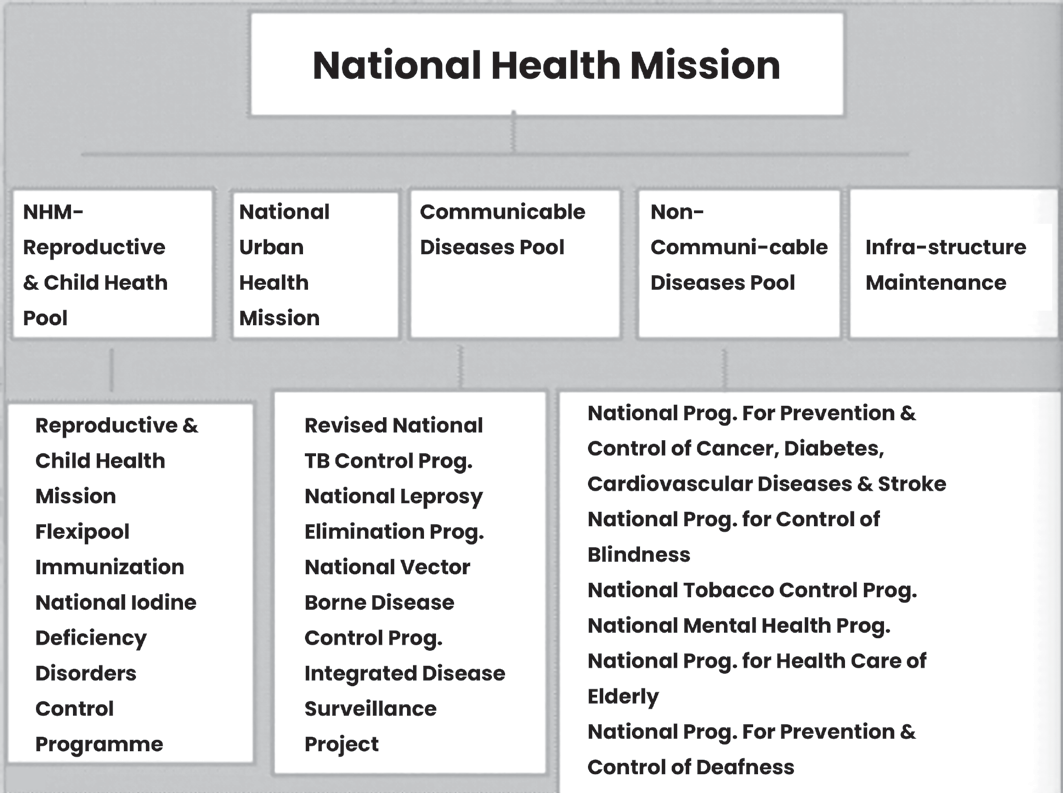
• National Health Mission (NHM) encompasses its two sub-missions, the National Rural Health Mission (NRHM) and National Urban
Health Mission (NUHM).
• The key principles of NHM are:
• Universal Coverage
• Achieving Quality Standards.
• Continuum of Care: Organic linkages between health facilities with medical colleges leading for skill up-gradation.
• Decentralised Planning: Flexibility to States and Districts in planning.
• The main programmatic components include-
• Health System Strengthening in rural and urban areas,
• Reproductive-Maternal Neonatal-Child and Adolescent Health (RMNCH+A) and
• Communicableand Non-Communicable diseases.
India has achieved 87/lakh live births in 2022-24, U5MR stands at 28 per 1,000 live births.
• Disease incidence improved TB incidence reduced from 237 per 1,00,000 population in 2015 to 195 in 2023; TB mortality rate decreased from 28 to 22 in the same period. India achieves 97.98% Coverage in Measles-Rubella Vaccination Campaign. Kala Azar Elimination targets successfully met. PM National Dialysis Programme has benefited over 4.53 lakh dialysis patients in FY 2023-24
• Growth in Public Health Facilities: Ayushman Arogya Mandir Centers reach 1.72 lakh mark by FY 2023-24.
• LaQshya: 202 Labour Rooms & 141 Maternity Operation Theatres are State LaQshya certified and 64 Labour Rooms & 47 Maternity Operation Theatres are National LaQshya certified.
• Equitable Development: There was also a sustained focus on the health of tribal populations, those in Left Wing Extremism areas, and the urban poor.
• Aspirational Districts programme, in which 115 districts across 28 states, with weak social and human development indicators have been identified for allocation of additional resources and capacity enhancement to catch up with more progressive districts.
• National Ambulance Services: So far, 20,990 Emergency Response Service Vehicles are operational under NRHM for providing “free pickup and drop back” facilities to pregnant women and sick infants.
• Human Resource Augmentation: NHM supports states for engaging service delivery HR such as doctors, nurses and health workers and also implements the world’s largest community health volunteer programme through the Accredited Social Health Activists (ASHAs). More than 10 lakhs ASHAs and ASHA facilitators are engaged under NHM.
• Addressing high Out-of-Pocket Expenditure (OOPE): through Free Drugs and Free Diagnostics Services Initiatives,National List of Essential Medicines (NLEM) and the Essential Diagnostics Lists have been notified and are periodically updated.
• National Nutrition Mission or PM’s Overarching Scheme for Holistic Nourishment (PM-POSHAN) Abhiyan 2018
• The Mid-Day Meal Scheme 1995 is a school meal programme in India designed to better the nutritional standing of school-age children nationwide. The name of the scheme has been
changed to PM-POSHAN (Pradhan Mantri PoshanShaktiNirman)Scheme,in2021,byMoE (Ministry of Education), which is the ministry responsible for the scheme. The programme supplies free lunches on working days for children in government primary and upper primary government schools, government aided Anganwadis, Madarsa and Maqtabs.
• Midday Meal Scheme is the largest of its kind in the world.
• In 2022, Mission POSHAN 2.0 shall focus on Maternal Nutrition, Infant and Young Child Feeding Norms
• These other schemes include the Pradhan Mantri
Matru Vandana Yojana (PMMVY), Janani
Suraksha Yojana, Scheme for Adolescent Girls (SAG), Swachh Bharat Abhiyaan, PDS, National Health Mission, etc.
• For Anganwadi centres, the mission envisages the following:
• Giving incentives to Anganwadi Workers (AWWs) for using IT-based tools and elimination of registers used by AWWs.
• Measuring the height of children at Anganwadi centres.
• Scaling up of Integrated Child Development Services (ICDS) Systems assisted by World Bank.
• Digital “Poshan Tracker” via National e-Governance Division will ensure transparency in nutrition delivery support systems via identification and last mile tracking.
• National Council on India’s Nutritional Challenges or National Council on Nutrition (NCN), set up under the Poshan Abhiyaan, has the Vice Chairperson of NITI Aayog as its Chairperson.
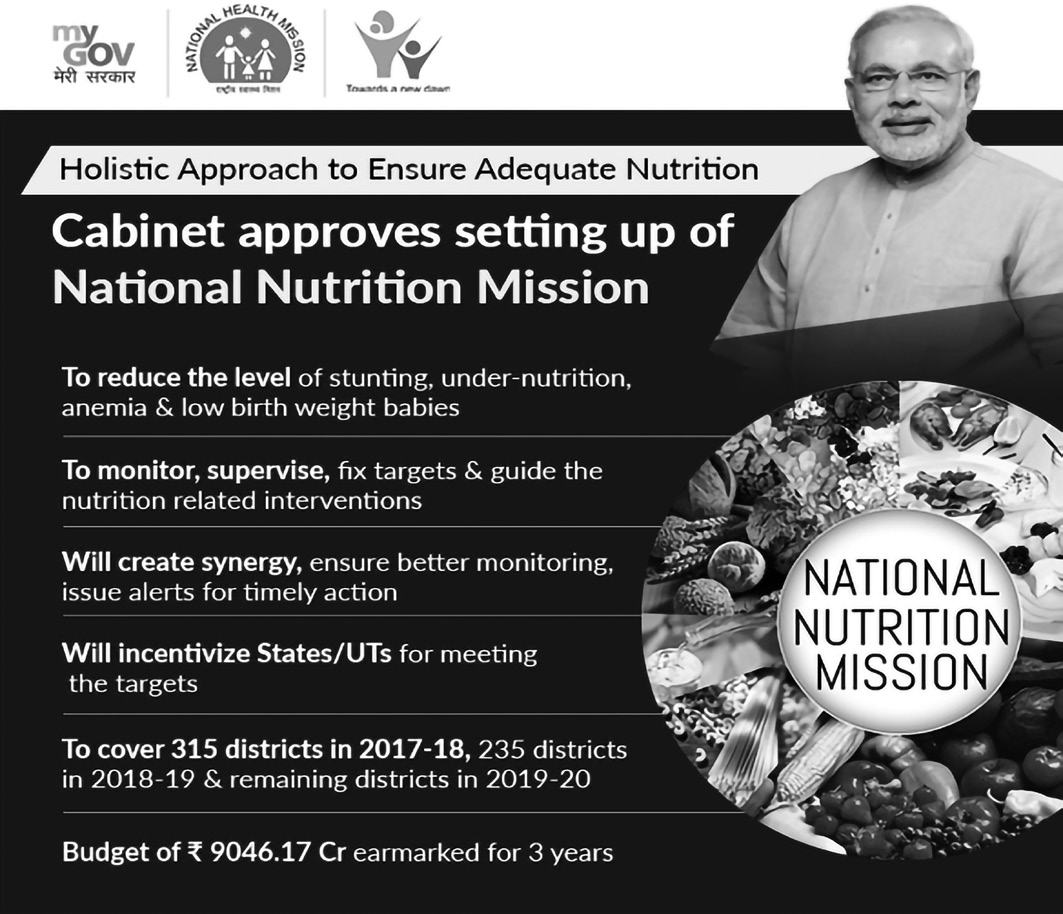
Figure: National Nutrition Mission
• The NCN offers policy directions to address nutritional challenges and review programmes for the same.
• It is a national-level coordination and convergence body on nutrition.
• Ayushman Bharat 2018: The scheme offers eligible families an insurance cover of Rs. 5 lakh per annum per family. This amount is intended to cover all secondary and most tertiary care expenditures incurred. There is no cap on family size and age under the scheme, to ensure that nobody is left behind. It has two components-
• Health and Wellness Centre which will provide Comprehensive health care and will be responsible for providing free essential Drug and diagnostics Services, and
• National Health Protection Mission which will subsume the on-going centrally sponsored schemes– Rashtriya Swasthya Bima Yojana (RSBY) and the Senior Citizen Health Insurance Scheme.
• Integrated Child Development Services (ICDS), 1975:
• It provides food, preschool education, primary healthcare, immunization, health check-up, and referral services to children under 6 years of age and their mothers.
• One Nation One Ration Card (ONORC) 2019:
• It was rolled out by the Ministry of Consumer Affairs, Food and Public Distribution in 2019. It is a scheme that will nationalise a beneficiary’s ration card by a process called Aadhaar Seeding (Aadhaar Number with her/ his ration card)
ensures that the beneficiary can pick up her or his entitled foodgrain from any fair price shop in the country ensuring portability of food security benefits all across the nation.
Aim: To ensure hassle-free delivery of subsidised food grains to all migratory beneficiaries anywhere in the country through nation-wide portability under National Food Security Act (NFSA).
It empowers all National Food Security Act (NFSA) migrant beneficiaries to access foodgrains from any Fair Price Shop (FPS) of their choice anywhere in the country by using their same/existing ration card with biometric authentication.
A card bearing 10-digit number will be issued to the complaint state’s BPL card holders which will be linked to the Aadhar database.
Electronic point of sale: Beneficiaries can get their entitled foodgrains from any electronic point of sale (ePoS) enabled FPS in the country through portability.
MERA RATION mobile application: The mobile app is providing a host of useful real time information to the beneficiaries and is available in 13 languages.
Features
The poor migrant workers will be able to buy subsidised rice and wheat from any ration shop in the country but for that their ration cards must be linked to Aadhaar.
Migrants would only be eligible for the subsidies supported by the Centre, which include rice sold at Rs. 3/kg and wheat at Rs. 2/kg, It would not include subsidies given by their respective state government in some other state.
This scheme will ensure that no poor person is deprived of subsidised grains.
The scheme can be implemented as already 77% of the ration shops across the country have PoS machines and more than 85% of people covered under the National Food Security Act (NFSA) have their cards linked to Aadhaar.
For remaining beneficiaries, all the States have been given one more year to use point of sale (PoS) machines in the ration shops and implement the scheme.
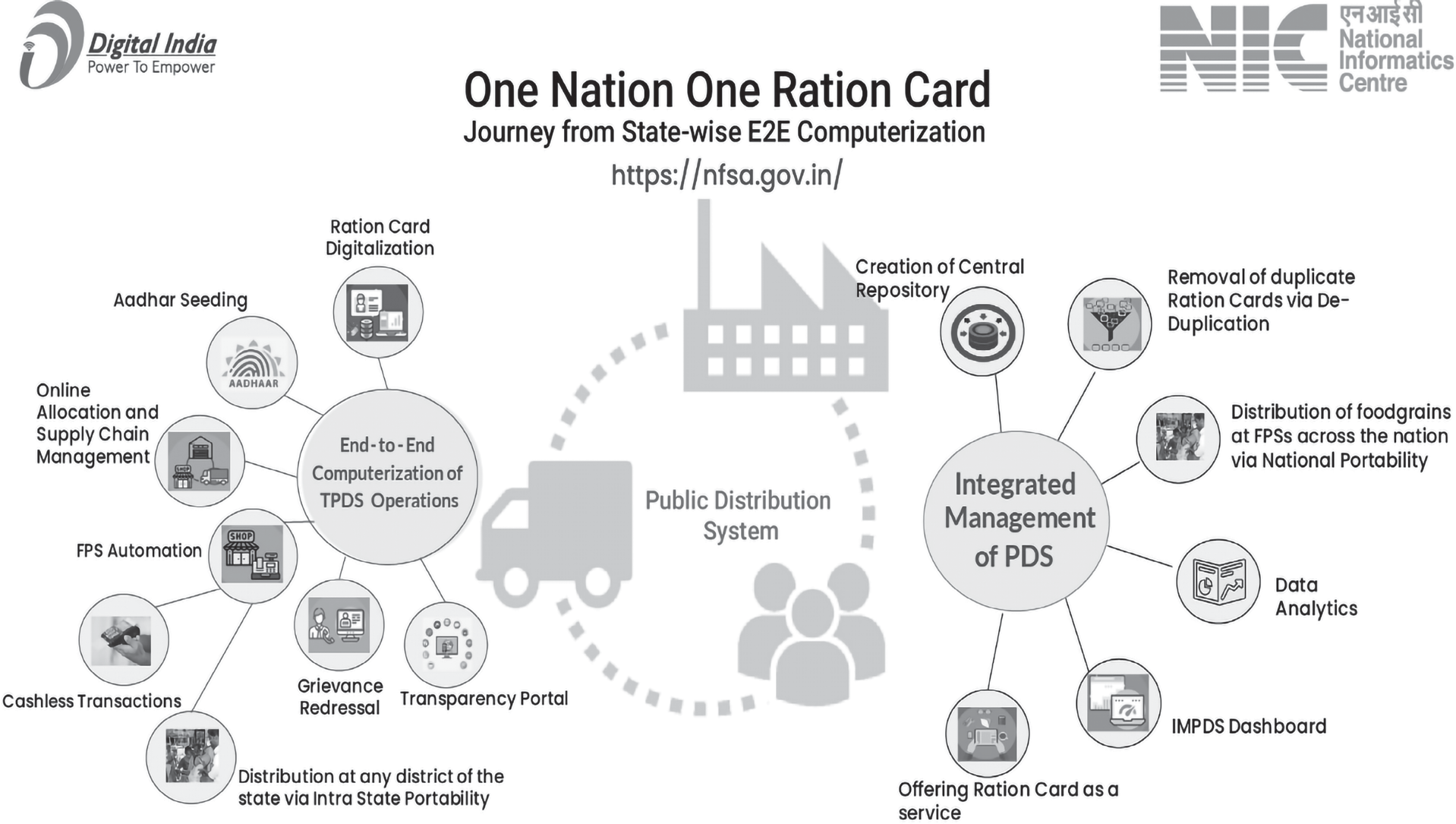
Figure: One Nation One Ration Card
primary, secondary and tertiary care services.
It will provide support to 17,788 rural Health and Wellness Centres in 10 ‘high focus’ states and establish 11,024 urban Health and Wellness Centres across the country.
The mission is anchored by the National Institution for One Health in Nagpur and implemented by the Indian Council of Medical Research (ICMR), utilizing a two-tiered governance structure comprising an Executive Committee (policy-focused) and a Scientific Steering Committee (technical-focused).
Objectives:
To ensure a robust public health infrastructure in both urban and rural areas, capable of responding to public health emergencies or disease outbreaks.
To establish an IT-enabled disease surveillance system through a network of surveillance laboratories at block, district, regional and national levels.
All the public health labs will be connected through the Integrated Health Information Portal, which will be expanded to all states and UTs.
National Ayush Mission 2014, under Ministry
of Ayush, responsible for the development of
Pradhan Mantri-Ayushman Bharat Health Infrastructure Mission (PM-ABHIM) 2021 to strengthen India’s health infrastructure and improve the country’s
Traditional & Non-Conventional Systems of Health Care and Healing in India, as a centrally sponsored scheme, now until 2026.
• AYUSH means Ayurveda, Yoga, Naturopathy, Unani, Siddha, Sowa-Rigpa and Homoeopathy
• The scheme involves expansion of the AYUSH sector to promote holistic health of Indians.
• The Mission addresses the gaps in health services particularly in vulnerable and far- flung areas.
• Jan Aushadhi:
• Pradhan Mantri Bhartiya Jan Aushadhi Pariyojana Kendra has been set up to provide generic drugs, which are available at lesser prices but are equivalent in quality and efficacy as expensive branded drugs. This will help to reduce out of pocket expenditure.
• Pradhan Mantri Swasthya Suraksha Yojana (PMSSY):
• It aims to correct regional imbalances in the availability of affordable/reliable tertiary healthcare services and also to augment facilities for quality medical education in the country.
• Janani SurakshaYojana (JSY) 2005
• It is a safe motherhood intervention under the National Health Mission. It aims to reduce maternal and neonatal mortality by promoting institutional delivery among poor pregnant women.
• It aims to enable women especially from the The scheme provides conditional cash assistance to pregnant women for giving birth in a government health facility by providing access to skilled birth attendance and emergency obstetric care.
• The scheme is under implementation in all States and Union Territories (UTs) with a special focus on Low Performing States (LPS). Around 9 lakh Accredited Social Health
Activists (ASHAs) are working as an effective
link between the government and poor pregnant women who get financial incentive to promote institutional delivery.
• Janani Shishu Suraksha Karyakram (JSSK) 2011
• To complement JSY, JSSK was launched. It aims to provide completely free and cashless services to pregnant women and sick newborns in government health institutions in both rural and urban areas.
• It aims to eliminate out of pocket expenditure for pregnant women and sick new-borns and infants on drugs, diet, diagnostics, user charges, referral transport, etc.
•
The scheme entitles all pregnant women delivering in public health institutions to absolutely free and no expense delivery including Caesarean section.
• Rashtriya Bal Swasthya Karyakram (RBSK)
• It is an innovative initiative under the National Health Mission.
• It envisages Child Health Screening and Early Intervention Services, which is a systemic approach of early identification and link to care, support and treatment.
• It includes early detection and management of a set of 30 health conditions prevalent in children less than 18 years of age.
• These conditions are 4Ds broadly:
• Defects at birth
• Diseases in children,
• Deficiency conditions
• Developmental delays including Disabilities
• Child Health Screening and Early Intervention Services also aims at reducing the extent of disability, at improving the quality of life and enabling all persons to achieve their full potential.
• MusQan Scheme 2021
• It aims to provides high-quality and safe Child-Friendly Services in Public Health Facilities and contribute to preventable new born child mortality and morbidity.
• It makes the child-friendly services accessible and available to patients and their parents.
• Surakshit Matritva Aashwasan (SUMAN)
• It provides assured, dignified, respectful and quality healthcare at no cost and zero tolerance for denial of services for every woman and newborn visiting public health facilities to end all preventable maternal and newborn deaths.
• Pradhan Mantri Surakshit Matritva Abhiyan (PMSMA)
• It provides pregnant women a fixed day, free of cost assured and quality antenatal check up by a Specialist/Medical Officer on the 9th day of every month.
• Monthly Village Health, Sanitation and Nutrition Day (VHSND)
• It is an outreach activity at Anganwadi centers for provision of maternal and child care including nutrition in convergence with the ICDS.
• Delivery Points
• Over 25,000 ‘Delivery Points’ across the
country have been strengthened in terms of infrastructure, equipment, and trained manpower for provision of comprehensive RMNCAH+N services
• AdolescentReproductive and Sexual Health Programme (ARSH)
• Adolescents (10-19 years) constitute about one- fifth of India’s population
• This scheme focuses on reorganizing the existing public health system to ensure improved service delivery for adolescents
• ARSH programme provides spectrum of programmatic approaches:
• Facility based health services- Adolescent Friendly Health Clinics;
• Counselling- Dedicated ARSH and ICTC counsellors;
• Community based interventions- Outreach activities
• Capacity Building for service providers.
• Weekly Iron and Folic Acid Supplementation (WIFS) Programme
• It aims to meet the challenge of high prevalence and incidence of anaemia amongst adolescent girls and boys.
• The long-term goal is to break the intergenerational cycle of anaemia, the short-term benefits is of a nutritionally improved human capital.
• The programme, implemented across the country both (rural and urban areas) will cover 10.25 crore adolescents.
• The key interventions under this programme are as follows:
• Administration of supervised Weekly Iron- Folic Acid Supplements
• Screening of target groups
• Biannual de-worming
• Information and counselling for improving dietary intake
• Centrally Sponsored Pilot Scheme on “Fortification of Rice & its Distribution under Public Distribution System” is being implemented in 15 states (one district
per state).
• Scheme for Promotion of Menstrual Hygiene
• It aims for promoting Menstrual Hygiene among adolescent girls in the age group of 10-19 years in rural areas.
•
Key activities under the scheme include:
• Community based Health education and outreach in the target population to promote menstrual health;
• Ensuring regular availability of sanitary napkins to the adolescents;
• Sourcing and procurement of sanitary napkins
• Storage and distribution of sanitary napkins to the adolescent girls;
• Training of ASHA and nodal teachers in Menstrual Health and
• Safe disposal of sanitary napkins.
• National Mental Health Program (NMHP):
• To tackle the significant burden of mental disorders and the shortage of qualified professionals in mental health, the government has been running the National Mental Health Program (NMHP) since 1982.
• The Program was re-strategized in 2003 to include two schemes.
• PM National Dialysis Programme:
• The programme was announced by the Ministry of Health & Family Welfare in 2016 under the National Health Mission (NHM) in PPP (Public- Private Partnership) model. It aims to provide free dialysis services to the poor.
• Targeted Public Distribution System (TPDS) 1997
• The Targeted Public Distribution System (TPDS) evolved as a system of management of food scarcity through distribution of foodgrains at affordable prices.
• Over the years, PDS has evolved into Revamped PDS in 1992, to Targeted PDS in 1997, an important part of Government’s policy for management of food economy in the country.
• PDS is only supplemental for a household or a section of the society.
• PDS is operated under the joint responsibility
of the Central and the State/UT Governments.
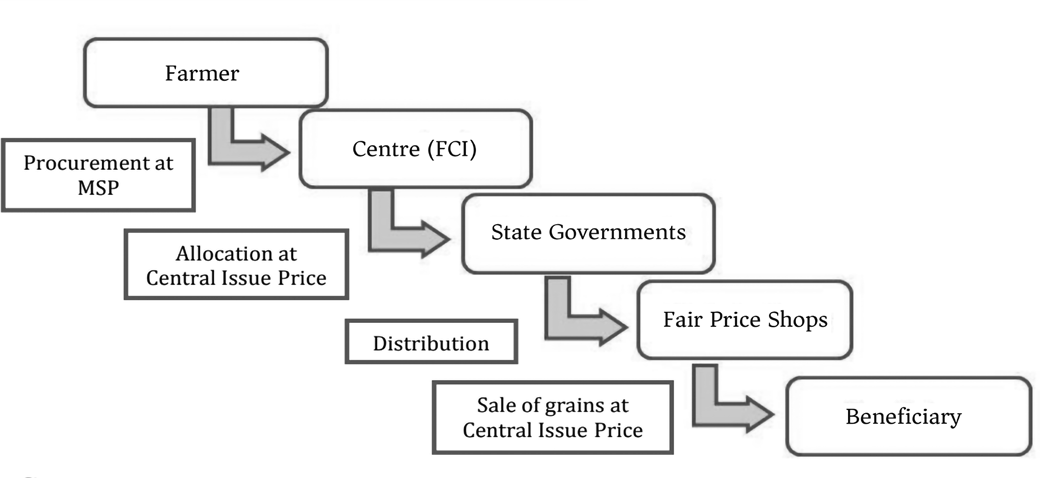
Figure: Public Distribution System
• The Central Government, through Food Corporation of India (FCI), has assumed the responsibility for procurement, storage, transportation and bulk allocation of food grains to the State Governments.
• The operational responsibility including allocation within State, identification of eligible families, issue of Ration Cards and supervision of the functioning of Fair Price Shops (FPSs) etc., rest with the State Governments.
• Under the PDS, presently the commodities namely wheat, rice, sugar and kerosene are being allocated to the States/UTs for distribution.
Crore ration cards have been weeded out by States/ UTs during the period 2013 to 2020 (08.12.2020), enabling the States/UTs to better utilise their respective coverage for achieving rightful targeting of eligible beneficiaries.
Challenges include:
• Identification of beneficiaries:
• 2009 expert group indicated that PDS suffers from nearly 61% error of exclusion and 25% inclusion of beneficiaries, i.e. the misclassification of the poor as non-poor and vice versa.
• Food Grain Loss: An estimated 61,824 tonnes of foodgrains have been damaged between 2011-12 & 2016-17.
• Various reasons for the damage of food grains, including pest attacks, leakages in godowns, procurement of poor-quality stocks, exposure to rains, floods, and negligence.
• Foodgrain Diversion or Leakages:
• Refers to the proportion of grain that does not reach beneficiary households due to Transportation leakages, Black Marketing, corruption, illegal sale of PDS grain, losses due to spoilage by Fair Price Shop (FPS) owners between FCI Godowns to ration shops and open market.
• In an evaluation of TPDS, the erstwhile Planning Commission found 36% leakage of PDS rice and wheat at the all-India level.
• The wheat leakage is much higher than rice accounts 63% and 47% respectively.
• Issue with procurement:
• Open-ended Procurement i.e., all incoming grains accepted even if buffer stock is filled, creates a shortage in the open market.
• Issues with storage:
• A CAG report has revealed a serious shortfall in the government’s storage capacity.
• Given the increasing procurement and incidents of rotting food grains, the lack of adequate covered storage is bound to be a cause for concern.
Antodaya Anna Yojana (AAY) 2000
• AAY was a step in the direction of making TPDS aim at reducing hunger among the poorest segments of the BPL population. In order to make TPDS more focused and targeted, the “Antyodaya Anna Yojana” (AAY) was launched for one crore (now 2.5 crore) poorest of the poor families.
• AAY provided them food grains at a highly subsidized rate of Rs.2/- per kg. for wheat and Rs.3/- per kg for rice.
• Pradhan Mantri Garib Kalyan Anna Yojana (PMGKAY) 2020 ( extended later for another 5 years )
• The new integrated food security scheme for providing free food grains to Antodaya Anna Yojna (AAY) & Primary Household (PHH) beneficiaries, is rolled out from April 2020 during Ist Wave of Covid-19.
• The integrated scheme is expected to strengthen the provisions of NFSA, 2013 in terms of accessibility, affordability and availability of foodgrains for the poor.
• Free foodgrains for 2023: Keeping in view welfare of the beneficiaries and in order to maintain uniformity across the States, free foodgrains will be provided under PMGKAY for the year 2023 as per entitlement under NFSA.
• Th Ministry of Consumer Affairs, Food and Public Distribution and state-run Food Corporation of India (FCI) along with state
governments will look out for smooth roll out
of the new scheme.
• In the new scheme, the government has done away with the subsided prices and is providing food grains free of cost for a year.
• Swachh Bharat Mission (SBM)2019
• Swachh Bharat Abhiyan, or Clean India Mission is a country-wide campaign launched by the Government of India in 2 October 2019, the 150th anniversary of the birth of Mahatma Gandhi
• The mission aim is to eliminate open defecation and improve solid waste management.
• It is a restructured version of the Nirmal Bharat Abhiyan launched in 2009 that failed to achieve its intended targets.
• Phase 1 The objectives of the first phase of the mission also included eradication of manual scavenging, generating awareness and bringing about a behavior change regarding sanitation practices, and augmentation of capacity at the local level.
• Phase 2 will be implemented between 2020–21 and 2024-25. The second phase of the mission aims to sustain the open defecation free status and improve the management of solid and liquid waste.
•
The mission is aimed at progressing towards Sustainable Development Goal 6 established by the United Nations in 2015.
• The mission was split into two: rural and urban. In rural areas “SBM – Gramin” was financed and monitored through the Ministry of Drinking Water and Sanitation; whereas “SBM – urban” was overseen by the Ministry of Housing and Urban Affairs.
Digital Health Applications and Helplines
• Digital Health Applications and Helplines
• Aarogya Setu, a mobile application aimed to connect health services and we the people of India in our combined fight against COVID-19.
• ABHA mobile app enables users to link health records created at Ayushman Bharat Digital Mission-compliant health facility and view them in smartphones using Belrium Blockchain technology to improve security and privacy of health data, as well as streamline healthcare processes through transparent way to storing and sharing information with reducing errors, fraud, and administrative costs.
• AI Powered Healthcare: Artificial intelligence
(AI) is being increasingly used in healthcare to analyze large amounts of data, make diagnoses, and predict health outcomes with higher accuracy and speed and reducing costs.
• EPaarvai app developed by Tamil Nadu e-Governance Agency uses AI to allow health care workers to identify cataracts on the spot with 91% accuracy.
• Reproductive and child health (RCH) portal
• It is a name-based web-enabled tracking system for pregnant women and new born so as to ensure seamless provision of regular and complete services to them including antenatal care, institutional delivery and post-natal care.
• Mobile Health (mHealth): mHealth involves the use of mobile devices and apps to deliver healthcare services in remote areas. It can help manage chronic conditions and communicate with healthcare providers more easily.
• Kilkari, Mobile Academy, M-cessation and TB Missed Call initiatives for public health launched in 2016.
• eSanjeevaniOPD - the National Teleconsultation Service of Ministry of Health and Family Welfare, Government of India aims to provide healthcare services to patients in their homes. eSanjeevaniOPD enables free of cost, safe & structured video based clinical consultations between a doctor and a patient.
• Emergency Response Support System (ERSS) is a Pan-India single number (112) based emergency response system for citizens in emergencies.
• Kiran Helpline: In 2020, the Ministry of Social
Justice and Empowerment launched a 24/7 toll- free helpline ‘Kiran’ to provide support to people facing anxiety, stress, depression, suicidal thoughts and other mental health concerns.
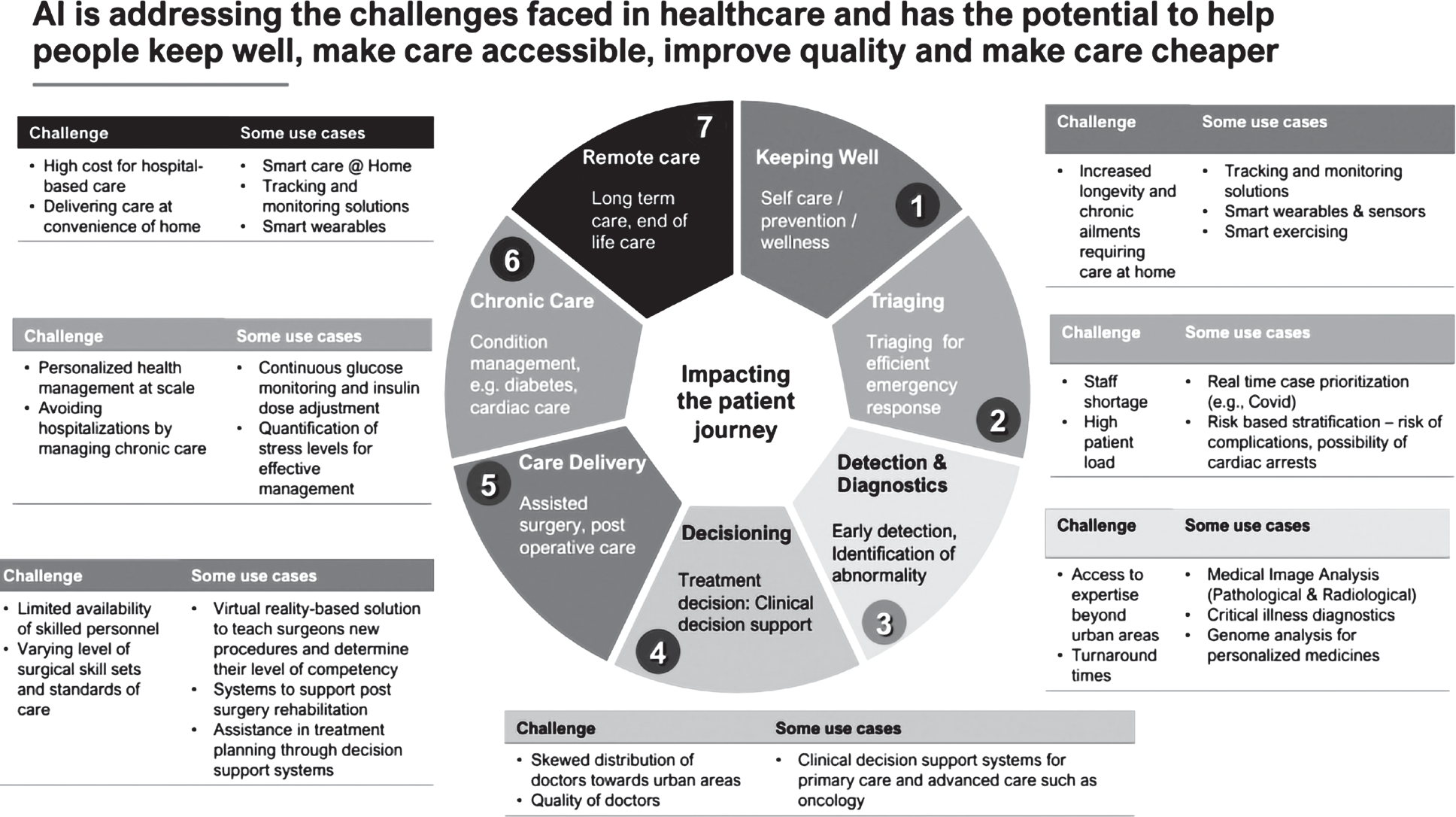
Figure: Role of AI in Health Care
• Manodarpan: The Ministry of Human Resources Development (Now, Ministry of Education) (MHRD) launched it under Atmanirbhar Bharat Abhiyan. It is aimed to provide psychosocial support to students, family members and teachers for their mental health and well-being during the times of Covid-19.
• At the Infrastructure/ Bodies level
• The Ayushman Bharat Digital Mission (previously known as National Digital Health Mission) is an agency of the Government of India. Major goals of ABDM include
• Universal Health Coverage
• Health and Well-being for All
• Citizen-Centric Real-time Services
• Qualify Care
• Accountability for Performance
• Creation of comprehensive and holistic health eco-system
• The digital platform will be launched with key features:
• Digital Health ID (Randomly generated 14-digit number used to identify people and
thread their health records uniquely)
Personal Health Records
Digi Doctor
Health Facility Registry
Healthcare Professionals Registry (HPR)
Telemedicine
E-pharmacy
National Health Stack (NHS) 2018: NHS is digital infrastructure built with the aim of making the health insurance system more transparent and robust, while factoring in the uniqueness of India’s health sector, and the political realities of federalism. There are five components of NHS:
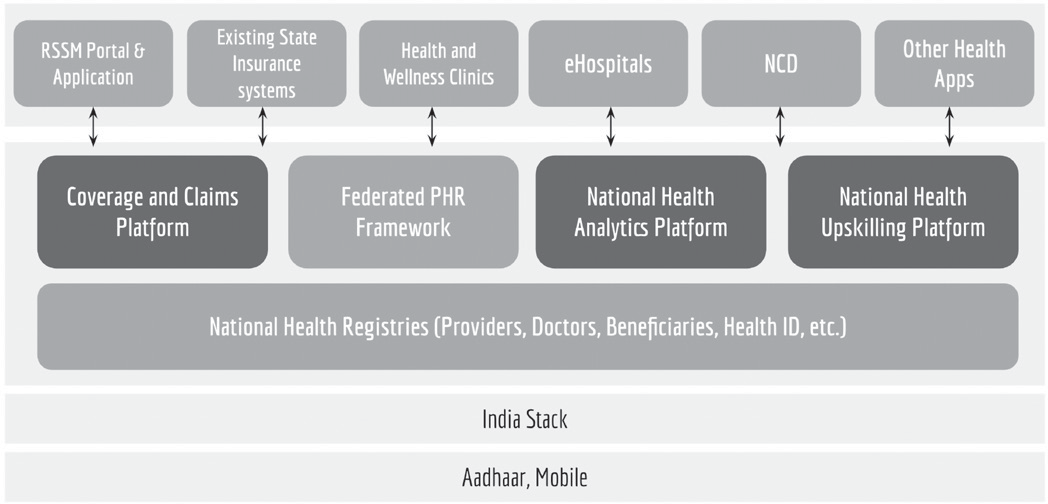
Figure: National Health System
An electronic national health registry that would serve as a single source of health data for the nation;
A coverage and claims platform to allow for the horizontal and vertical expansion of schemes like Ayushman Bharat by states, and enable a robust system of fraud detection;
A federated personal health records (PHR) framework to serve the twin purposes of access to own health data by patients, and for medical research.
Anational health analytics platform that would provide a holistic view combining multiple health initiatives for smart policymaking, via predictive analytics;
Other horizontal components including a unique digital health ID, health data dictionaries and supply chain management for drugs, payment gateways, etc., shared
across all health programmes.
National Digital Health Blueprint (NDHB)
Formulated to provide universal healthcare to all citizens of India based on digital technologies for achieving higher efficiency and effectiveness, with a holistic, comprehensive and interoperable digital architecture.
The NDHB is the architectural document for the implementation of the National Health Stack and National Digital Health Mission (NDHM) that can facilitate the implementation of the blueprint, to support and simplify the development of a national digital health ecosystem.
The key features of this blueprint include a unified architecture, a five-layered structure of architecture, a Unique Health ID (UHID), privacy and consent control, national portability, and health analytics. It also aims to deploy Artificial Intelligence (AI) in leveraging health records
The national health authority and Commissions
The National Health Authority
(NHA) 2018 has been constituted as an autonomous entity under the Society Registration Act, 1860 for effective implementation of Ayushman Bharat or PM-Jan Arogya Yojana.
The NHA is governed by a Governing Board chaired by the Union Minister for Health and Family Welfare and is headed by a full-time Chief Executive Officer (CEO) supported by Deputy CEO and Executive Directors.
The CEO of the NHA functions as the Member Secretary of the Governing Board. The Governing Board comprises Chairperson and 11 members.
• National Commission for Homoeopathy (NCH) 2021
• NCH was set up by NCH Act, 2020 enforced in 2021 after repealing the Homoeopathy Central Council Act, 1973 and applies to whole of India.
• The 2020 Act replaced the Council with a National Commission of Homoeopathy for regulating homoeopathic education and practice.
• The Act is having the provision for having interface between Homoeopathy, Indian system of Medicine and Modern system of Medicine to promote medical pluralism.
• It also provides provision for the State Government to take necessary measures to address various issues related to health including promotion of public health through Homoeopathy.
• The Commission shall consist
• A chairperson;
• Seven ex officio Members; and
• Nineteen part-time Members.
• Functions of the National Commission for Homoeopathy:
• Framing policies for regulating medical institutions and homoeopathic medical professionals.
• Assessing the requirements of healthcare related human resources and infrastructure.
• National Commission for Allied and Healthcare Professions 2021
• Established by Act of 2021 to provide for regulation and maintenance of standards of education and services by allied and healthcare professionals, assessment of institutions, maintenance of a Central Register and State Register and creation of a system to improve access, research and development and adoption of latest scientific advancement.
• National Commission for Indian System of Medicine 2021
• The Act 2020 enforced in 2021, provides for the constitution of a National Commission with four autonomous boards entrusted with conducting overall education of Ayurveda, Unani, Siddha & Sowarigpa under the Board of Ayurveda, Unani, Siddha and Sowa-Rigpa respectively.
• Further, a teacher’s eligibility test to assess the standard of teachers before appointment and promotions.
• Establishes two common boards— board of assessment and rating to assess and grant permission to educational institutions of Indian systems of medicine; and a board of ethics and registration of practitioners of Indian systems of medicine to maintain a National Register and deal with ethical issues.
• National Council on India’s Nutrition Challenges 2018
• Established under POSHAN Abhiyaan formed by the Ministry of Women and Child Development (MoWCD)
• Chaired by Vice Chairperson, NITI Aayog.
• It formulates overall policies and guidelines, and monitors all nutrition-based schemes, highlighting a life-cycle approach.
• One Health Consortium 2021:
• Launched by Department of Biotechnology,
Ministry of Science and Technology and consist a total of 27 organizations.
• Aim of this consortium is to study the prevalence of ten selected zoonotic diseases (throughout the country) and five trans-boundary animal diseases (mainly from northeast) and analyse risks so as to provide forewarning to stakeholders.
• Vision is to initiate cross-cutting collaborations between animal, human and wildlife health professionals.
• Objectives of this consortium are
• to establish a network of laboratories at centralized and field level,
• estimation of prevalence and burden of selected diseases,
• detection of pathogens by serological (antigen) or molecular tests especially in clinical cases and
• modelling of data for disease forecasting as well as risk assessment.
• National Medical Commission (NMC) 2020
• As per the gazette notification issued by the Ministry of Health and Family Welfare which dissolved the Medical Council of India by repealing Indian Medical Council Act, 1956 and replaced by National Medical Commission Act 2019 enforced in 2020.
• The change is aimed at bringing in reforms in the medical education sector and especially aimed at replacing the MCI, which was tainted by corruption and other problems.
• The NMC will function as the country’s top regulator of medical education. It will have four separate autonomous boards for:
• Undergraduate medical education.
• Postgraduate medical education.
• Medical assessment and rating.
• Ethics and medical registration.
• MedicalEducation: Therea re threeCentrally Sponsored Schemes under Medical Education, namely,
• Establishment of new Medical Colleges attached with existing district/referral hospitals,
• Upgradation of existing State Government/ Central Government medical colleges to increase MBBS seats in the country and
• Strengthening and upgradation of State Government Medical colleges for starting new PG disciplines and increasing PG seats.
• ‘National Medical & Wellness Tourism Board’ to promote medical and wellness tourism in India.
• National Population Commission (NPC) 2000
• NPC was established to review, monitor and give direction for implementation of the National Population Policy with the view to achieve the goals set in the Population Policy
• It is functioning under Ministry of Health.
• Chaired by the Prime Minister with the Deputy Chairman NITI Aayog as vice chairman. Chief ministers of all states, ministers of the related central ministries, secretaries of the concerned departments, eminent physicians, demographers and the representatives of the civil society are members of the commission.
• The commission has the mandate
• promote synergy between health, educational environmentalanddevelopmentalprogrammes so as to hasten population stabilization
• promote inter sectoral coordination in planning and implementation of the programmes through different sectors and agencies in center and the states
• develop a vigorous peoples programme to support this national effort
• At the Finance level
• Blended Finance: Atal Innovation Mission (AIM), NITI Aayog, for joining hands with Sustainable Access to Markets and Resources for Innovative
Delivery of Healthcare (SAMRIDH) initiative Health Blended Finance Facility, supported by USAID India, to strengthen India’s health systems with blended financing solutions.
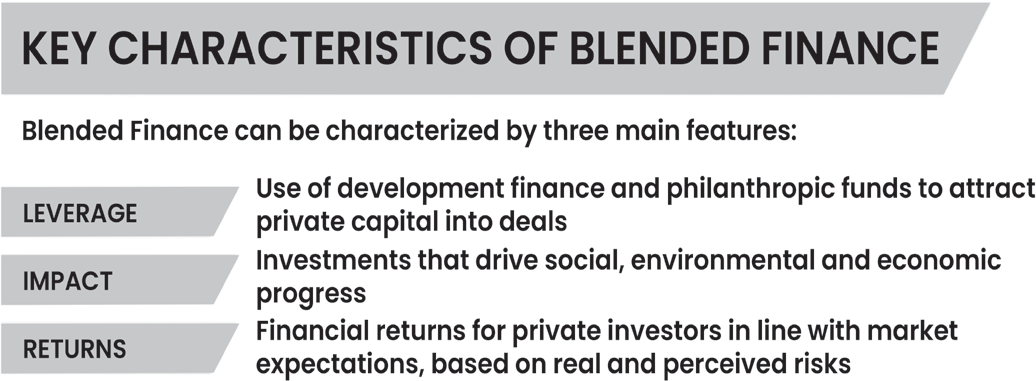
• USAID’s Partnerships for Affordable Healthcare
Access and Longevity (PAHAL) project
• Financial assistance: Financial assistance is provided to the States/UTs for selection and training of Accredited Social Health Activists (ASHA), who act as a link between community and healthcare facilities.
• At the International level
India was a signatory to the Alma Ata Declaration in 1978 that assured ‘health for all’ by the year 2000.
Later in 2018, 120 UN members including India have recently signed the Astana Declaration, which vows to strengthen primary healthcare and achieve universal health coverage by 2030.
• Global Digital Health Partnership Summit 2018
• The event was organized by the Ministry of Health and Family Welfare in collaboration with the World Health Organization (WHO) and the Global Digital Health Partnership (GDHP).
• The GDHP is a global alliance of governments, government agencies, and multinational organizations focused on enhancing the health and well-being of their populations by effectively utilizing evidence-based digital technologies.
• MoU between India and Denmark on cooperation in health and medicine. The agreement will focus on joint initiatives and technology development in the health sector, to improve the public health status of the population of both countries.
• Global Strategy on Digital Health 2020 by the World Health Assembly, presents a roadmap to link the latest developments in innovation and digital health to improve health outcomes.
Recent Initiative in Health Sector
Recent initiative in health sector
National e-Health Authority (NeHA)
It is a proposed regulatory body, tasked with overseeing the digitisation of health information and it will be the nodal authority for Integrated Health Information System (including Telemedicine and mHealth) in India.
It will be responsible for
enforcing the laws and regulations relating to the privacy and security of the patients health information and records
promoting standardization of Electronic Health Records (EHRs) and facilitate its exchange across facilities in a secured manner
It will be to regulate the emerging usage of electronic mediums in healthcare, especially for maintenance of e-Health records and digital health information across India.
To ensure development and promotion of e-Health ecosystem in India for enabling, organizing, managing and providing people- centred health services to all in an efficient, cost-effective and transparent manner.
Composition: One chairman and four full- time members with a standing consultative committee having representations from
ministry of health, directorate general of health services, NASSCOM, IRDA, WHO, MCI and consumer rights activists among others. child and man—body, mind and spirit.” He added “Education must be based on ethics and morality.”
• The COVID-19 outbreak, however, has caused a global education crisis. Most education systems in the world have been severely affected by education disruptions and have faced unprecedented challenges. School closures brought on by the pandemic have had devastating consequences for children’s learning and well-being.
• It is estimated that 147 million children missed more than half of their in-class instruction over the past two years. This generation of children could lose a combined total of $17 trillion in lifetime earnings in present value.
• School closures have affected girls, children from disadvantaged backgrounds, those living in rural areas, children with disabilities and children from ethnic minorities more than their peers.
The UN has defined 10 Targets for SDG 4.
Development and Management of Education Sector
Development and Management of Education sector
• According to United Nations, Education is the process of facilitating learning or the acquisition of knowledge, skills, values, beliefs and habits.
• According to Mahatma Gandhi, “By education I mean an all-round drawing out of the best in the
child and man—body, mind and spirit.” He added “Education must be based on ethics and morality.”
United Nations Sustainable Development Goals (2015- 2030)
• It highlighted “ensuring inclusive and equitable quality education and promoting lifelong learning opportunities for all.” as a goal to achieve which is listed as SDG Goal 4 under Global Education Agenda 2030.
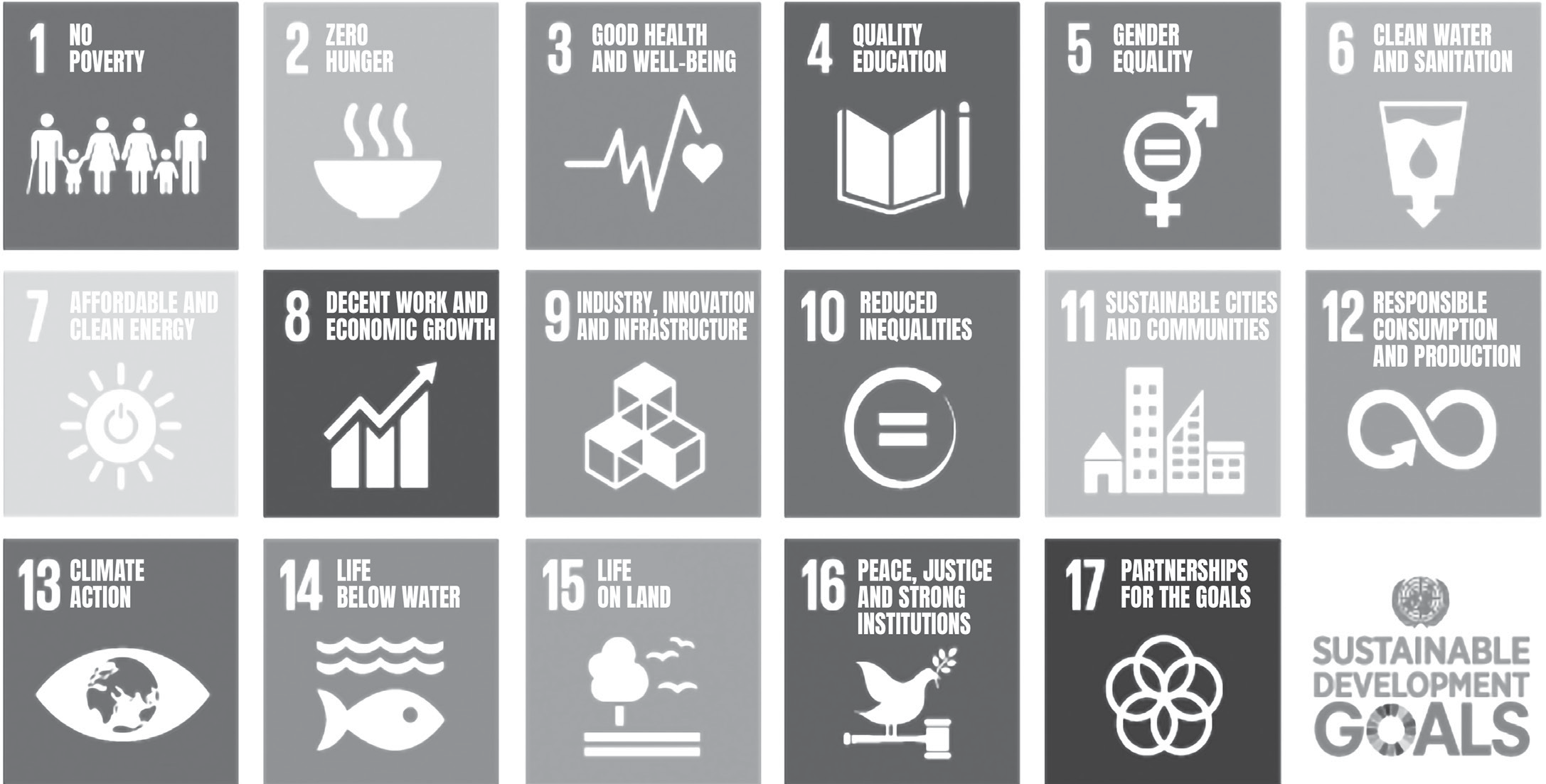
Figure : Sustainable Development Goals
• The COVID-19 outbreak, however, has caused a global education crisis. Most education systems in the world have been severely affected by education disruptions and have faced unprecedented challenges. School closures brought on by the pandemic have had devastating consequences for children’s learning and well-being.
• It is estimated that 147 million children missed more than half of their in-class instruction over the past two years. This generation of children could lose a combined total of $17 trillion in lifetime earnings in present value.
• School closures have affected girls, children from disadvantaged backgrounds, those living in rural areas, children with disabilities and children from ethnic minorities more than their peers.
• The UN has defined 10 Targets for SDG 4.
Constitutional and Legal Status of Rights-based approach to Education in India
• Fundamental Rights: The Constitution (Eighty-sixth
Amendment) Act, 2002 inserted Article 21-A in the Constitution of India to provide free and compulsory education of all children in the age group of six to fourteen years as a Fundamental Right in such a manner as the State may, by law, determine.
• Directive Principles of State Policy: The following put the obligation on the state in order to ensure the effective realization of the right to education.
• Article 41: Right to work, to education and to public assistance in certain cases.
• Article 45: The State shall endeavour to provide early childhood care and education for all children until they complete the age of six years.
• Fundamental Duty: Article 51A of the Constitution includes education related duties like
• Clause (h): Develop scientific temper, humanism and the spirit of inquiry and reform
• Clause (k): Provide opportunities for education to his child or ward between the age of six and
fourteen years. (86th Constitutional Amendment Act, 2002.)
Presently, ‘Education’ is under the Concurrent List of the Seventh Schedule under the Constitution.
• Right to Education Act 2009 was passed by the Parliament to give legal backing to the Fundamental Right to Education.
• Judicial Pronouncements: Supreme Court in Mohini Jain v. State of Karnataka (1992) and Unni Krishnan
• State of Andhra Pradesh (1993) recognized the Right to Education was recognised as a fundamental right that followed the Right to Life under Article-21A of the Indian Constitution.
• International Conventions:
• Article 13 and 14 under International Covenant on Economic, Social and Cultural Rights also mandate Right to Education.
• India is a signatory of the Article 26 of the Universal Declaration of Human Rights (1948)
Some Key Education Statistics/ Potential of Education Sector in India
• The Education sector in India was estimated to be worth US$ 117 billion in FY20 and is expected to reach US$ 225 billion by FY25 and US$ 313 billion by FY30 according to India Brand Equity Foundation (IBEF).
• The India online education market size was valued at USD 3.64 Billion in 2025 and is projected to reach USD
23.90 Billion by 2034, exhibiting a CAGR of 23.28% during the forecast period 2026-2034.
• According to Economic Survey 2023-24, totaleducation outlay, including both national and statelevel expenditure, added up to 2.7 per cent of thecountry’s GDP (2023-24 BE)
• According to Census 2011 data,
• Literacy rate in India is 74.04%. Compared to the adult literacy rate, here the youth literacy rate is about 9% higher.
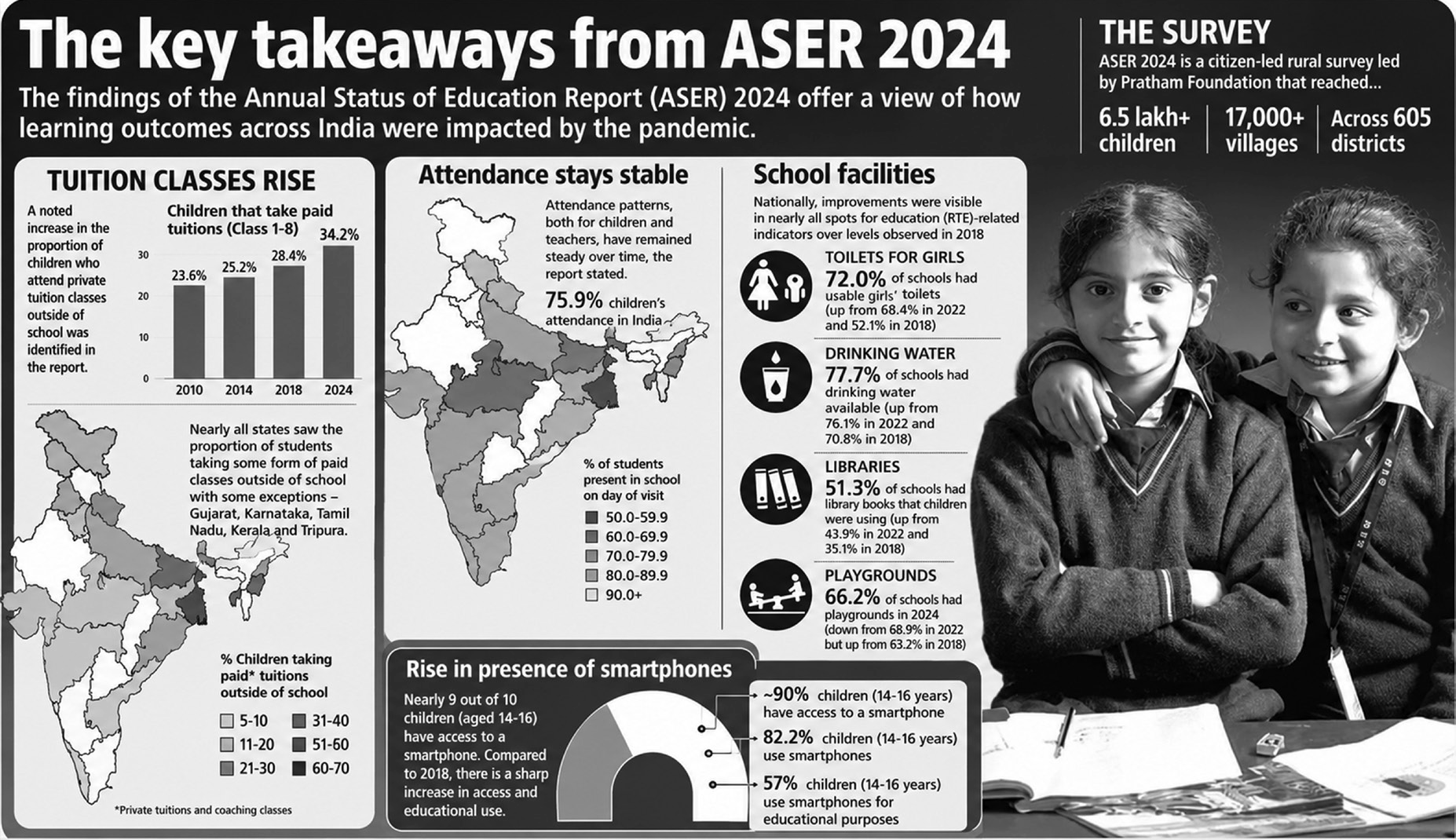
Figure: Aser 2022 Report
• Significant Education Indicators of India
• As per Unified District Information System For Education (UDISE), the pupil-to-teacher ratio at national level for elementary schools is 24:1.
• Annual Status of Education Report (ASER) report 2024 published by NGO Pratham provided representative estimates of the enrolment status of children aged 3-16 and the basic reading and arithmetic levels of children aged 5-16 at
the national, state and district level.
Reading
Std III: The percentage of Std III children able to read Std II level text was 20.9% in 2018. This figure increased to 23.4% in 2024.
Std V: The proportion of Std V children in government schools who can read a Std II level text fell from 44.2% in 2018 to 38.5% in 2022 and then recovered to 44.8% in 2024.
• Std VIII: Reading levels increased among children enrolled in Std VIII in government schools, which fell from 69% in 2018 to 66.2% in 2022 but then rose to 67.5% in 2024.
• Arithmetic
• For Std III-classThis figure has increased to 33.7% in 2024. Among government school students, this figure went from 20.9% in 2018 to 27.6% in 2024. For private school students, this number showed a smaller improvement since 2022.
• For Std V- This figure was 27.9% in 2018 and then rose to 30.7% in 2024.
•
For Std VIII - basic arithmetic remains similar to earlier levels, going from 44.1% in 2018 to 45.8% in 2024
• Proportion of Girls not Enrolled: The decrease in the proportion of girls not enrolled or dropout rate in schools for the age group 11-14 from 4.1% in 2018 to 2.3% in 2024 is a significant improvement and a positive development.
• This indicates that efforts to promote gender equality in education have been effective and have helped to increase the enrolment of girls in schools.
| Key Parameters in ASER Report 2018 2024 Trend | 2018 | 2022 | Trend |
| Overall Enrollment (Age Group 6-14) 98.4% Positive | 97.2% | 98.1% | Positive |
| Enrollment in Government School (6-14) 72.9% Positive | 65.6% | 66.8% | Positive |
| Girls not enrolled in School (11-14) 2% Positive | 4.1% | 2.3% | Positive |
| Children in Std I-VIII Paid Private Tuition 30.5% Positive | 26.4% | Not applicable | - |
| Children in Std III Able to read at Std II 20.5% Negative | 20.9% | 23.4% | Positive |
| Children in Std III able to subtract 25.9% Negative | 28.2% | 33.7% | Positive |
| Children in Std V able to divide 25.6% Negative | 27.9% | 30.7% | Positive |
| Government Schools < 60 Students 29.9% Negative | 29.4% | 52.1% | Positive |
| Average Teacher Attendance 87.1% Positive | 85.4% | 87.5% | Positive |
| Schools with Useable Girls’ Toilets 68.4% Positive | 66.4% | 72% | Positive |
| Schools with Drinking Water Availability | 74.8 | 77.7% | Positive |
Education Policy of India
Education Policy of India
• Education is fundamental for achieving full human potential, developing an equitable and just society, and promoting national development.
• The National Education Policy of 1968 and the National Education Policy of 1985 have served well in guiding the approach for the education sector in the Five-Year Plans.
• National Educational Policy 1968
• The policy provided for “radical restructuring” and equalization of educational opportunities to achieve national integration and greater cultural and economic development.
• Three-language formula: state governments should implement the study of a modern Indian language, preferably one of the southern languages, apart from Hindi and English in the Hindi-speaking states, and of Hindi along with the regional language and English in the non- Hindi speaking states. Hindi was encouraged uniformly to promote a common language for all Indians.
•
National Educational Policy 1986
• The policy aimed at the removal of disparities and to equalize educational opportunities, especially for women, SC and ST.
• Launching of “Operation Blackboard” to improve primary schools nationwide.
• IGNOU, the Open University, was formed.
• Adoption of the “rural university” model.
The current context has however changed in some major ways:
• A major development since the last Policy of 1986/92 has been the Right of Children to Free and Compulsory Education Act 2009 which laid down legal underpinnings for achieving universal elementary education.
• With the rise of big data, machine learning, and artificial intelligence, requirement of a skilled workforce, particularly involving mathematics, computer science, and data science, in conjunction with multidisciplinary abilities.
• With climate change, increasing pollution, and
depleting natural resources, growing emergence of epidemics and pandemics willalsocallforcollaborative research in infectious disease management and development of vaccines and the resultant social issues heightens the need for multidisciplinary learning.
• Declining morality and rising corruption in society.
• High aspirations of becoming Knowledge Society.
• Rising Need for Reinstating Pride of being an Indian.
The National Education Policy, 2020 (NEP, 2020)
• This policy was formulated based on the recommendations of the eminent scientist Dr K. Kasturirangan Committee 2017 report.
• Vision: This National Education Policy envisions an education system rooted in Indian ethos that contributes directly to transforming India, that is Bharat, sustainably into an equitable and vibrant knowledge society, by providing high-quality education to all, and thereby making India a global knowledge superpower.
• The Policy envisages that the curriculum and pedagogy of our institutions must develop among the students a deep sense of
• respect towards the Fundamental Duties and Constitutional values,
• bonding with one’s country
• conscious awareness of one’s roles and responsibilities in a changing world.
• deep-rooted pride in being Indian, not only in thought, but also in spirit, intellect, and deeds, as well as to
• develop knowledge, skills, values, and dispositions that support responsible commitment to human rights, sustainable development and living, and global well-being, thereby reflecting a truly global citizen.
• The purpose of the education system is to develop good human beings capable of rational thought and action, possessing compassion and empathy, courage and
resilience, scientific temper and creative imagination, with sound ethical moorings and values. It aims at producing engaged, productive, and contributing citizens for building an equitable, inclusive, and plural society as envisaged by our Constitution.
• Objectives: Built on the Five Foundational Pillars of
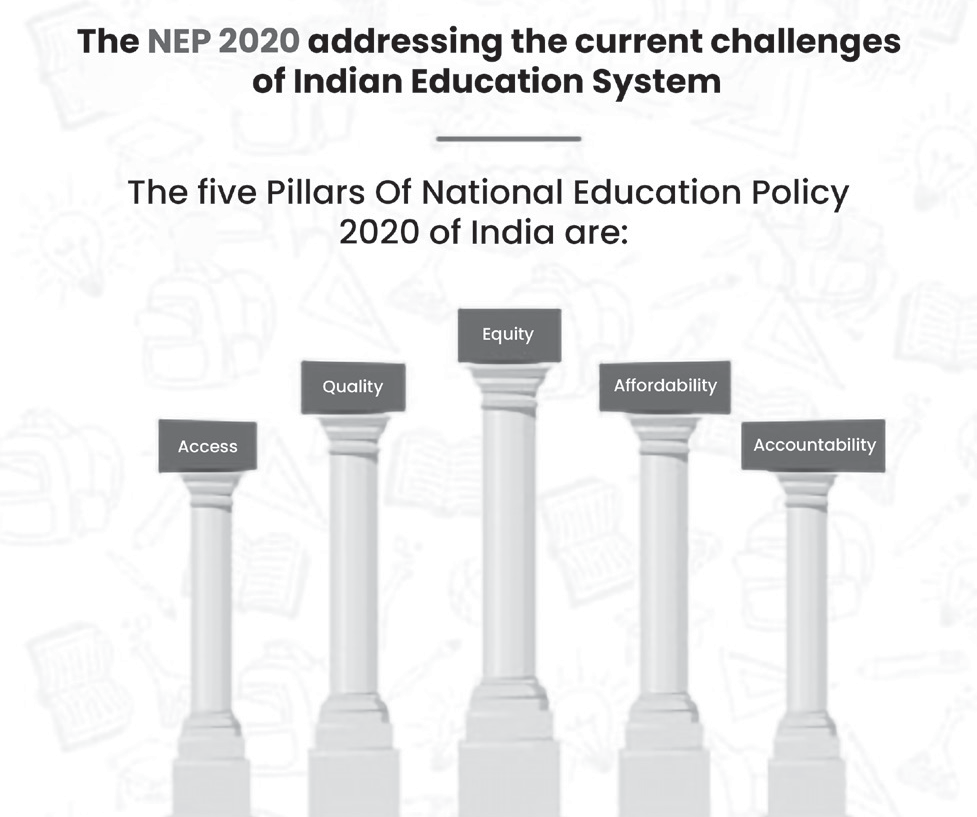
Figure: Pillars of NEP 2020
• Access: all children, irrespective of caste, creed, gender and socio-economic background.
• Equity: no child should be left behind in terms of educational opportunity because of their background and socio-cultural identities.
• Quality: focus on conceptual understanding.
• Affordability: Free and compulsory education for 3-18 years students.
• Accountability: It is the collection of policies and procedures used to hold schools and districts accountable for educational outcomes.
• This policy is aligned to the Education 2030 Agenda and aims to transform India into a vibrant knowledge society and global knowledge superpower by making both school and college education more holistic, flexible, multidisciplinary, suited to 21st century needs and aimed at bringing out the unique capabilities of each student.
• The Policy believes that the education system
should develop good human beings with rational thinking,compassion, empathy, courage, resilience, scientific temper, creative imagination,
and ethical values.
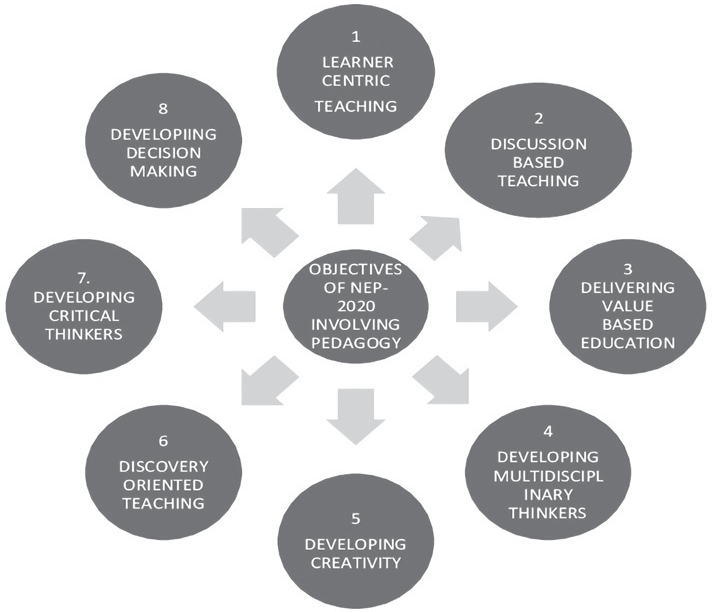
Figure: Objectives of NEP 2020
• Key Principles under National Education Policy 2020: The fundamental principles that will guide both the education system at large, as well as the individual institutions within it are:
• Recognizing, Identifying, and Strengthening the unique capabilities of each student
• Promoting each student’s holistic development in both academic and non-academic spheres
• Achieving Foundational Literacy and Numeracy in all students by Grade 3
• Emphasis on conceptual understanding rather than rote learning and learning-for-exams; Creativity and critical thinking to encourage logical decision-making and innovation;
• Ethics and human & Constitutional values like empathy, respect for others, cleanliness, courtesy,
democratic spirit, spirit of service, respect for public property, scientific temper, liberty, responsibility, pluralism, equality, and justice;
Flexibility for learners to choose their learning trajectories and programs, and thereby choose their paths as per their talents and interests
Multi-disciplinary and a holistic education across the sciences, social sciences, arts, humanities, and sports to ensure the unity and integrity of all knowledge
Promotion of Multilingualism and the Power of Language in learning and teaching; Respect for diversity and respect for the local context in all curriculum, pedagogy, and policy, always keeping in mind that education is a concurrent subject;
Life Skills such as communication, teamwork, cooperation, and resilience
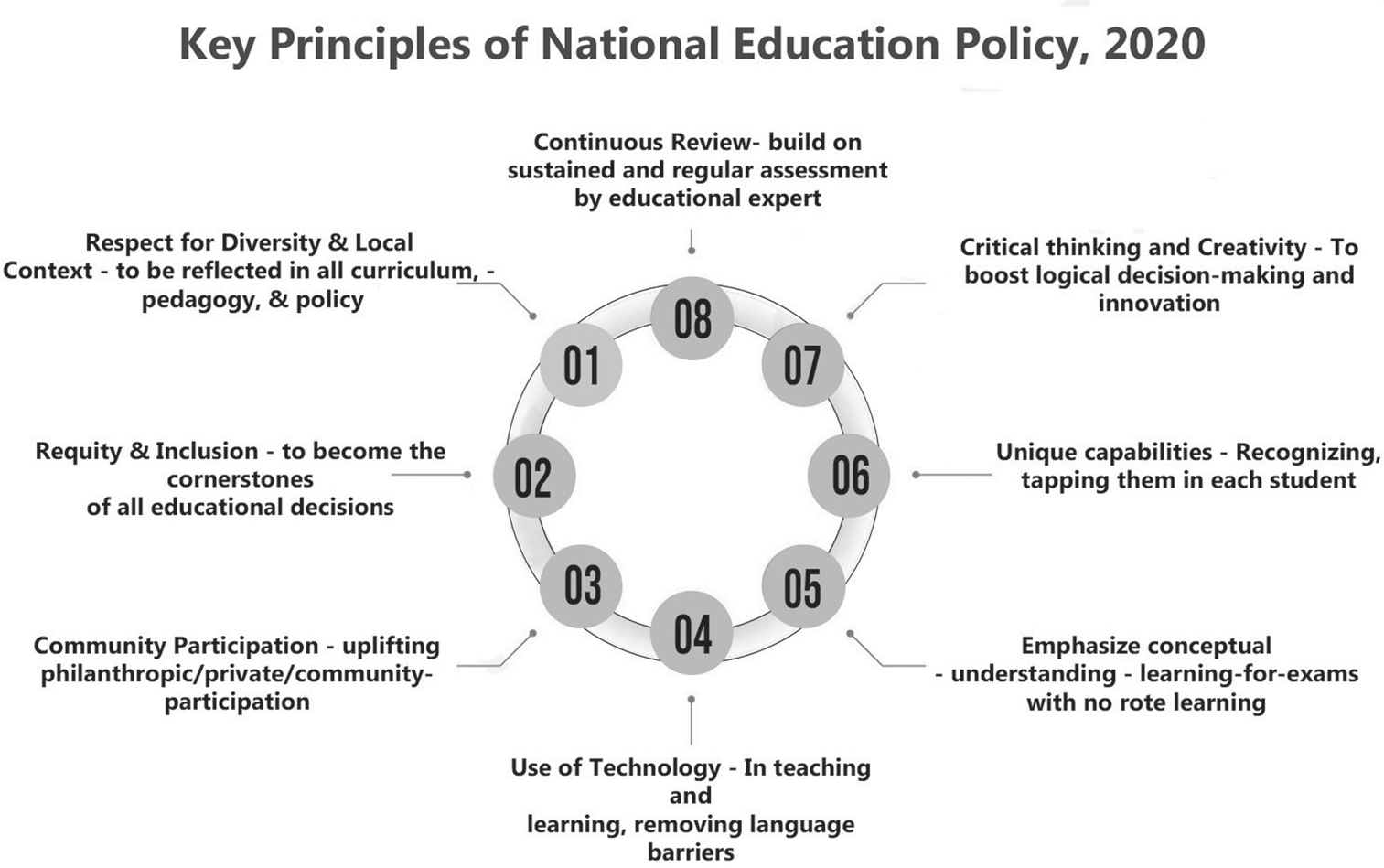
Figure: Key Principles of National Education Policy 2020
• Regular Formative Assessment for learning instead of summative assessment
• Full Equity and Inclusion as the basis of all educational decisions
• Teachers and Faculty as the heart of the learning process
• ‘Light but Tight’ regulatory framework to promote integrity, transparency and resource efficiency of the educational system
• Encouraging innovation and out-of-the-box ideas through Autonomy, Good Governance and Empowerment
• Extensive use of technology in teaching and learning, removing language barriers, increasing access for Divyang students, and educational planning and management;
•
Full equity and inclusion as the cornerstone of all educational decisions to ensure that all students are able to thrive in the education system;
• Synergy in curriculum across all levels of education from early childhood care and education to school education to higher education;
• Outstanding research as a corequisite for outstanding education and development;
• Substantial investment in a strong, vibrant public education system as well as the encouragement and facilitation of true philanthropic private and community participation.
• Salient features of NEP 2020 are as follows-
• School Education
• The current ‘10+2’ structure covering ages 6-18 to be replaced by a new Pedagogical and Curricular Structure of ‘5+3+3+4’ corresponding to ages 3-18
• Instead of annual examinations every year, students will now only attend exams in Class 3, 5 and 8
• Vocational Education and coding from Class 6
• Mother tongue or regional language to be the medium of instruction at least up to Class 5 and preferably till Class 8
• Shift Focus from the curriculum to core concepts
• Universalization of education from Early Childhood Care Education (ECCE) to Secondary Level
• Achieving 100% Gross Enrolment Ratio (GER) in school education by 2030
• New National Curriculum Framework for Early Childhood Educator (ECE), schools, teachers and adult students
• Open Schooling System to bring two crore ‘Out Of School Children’ back into the mainstream
• Deployment of counselors and social workers to improve student’s mental health
• Midday Meal Scheme to be extended to include breakfasts
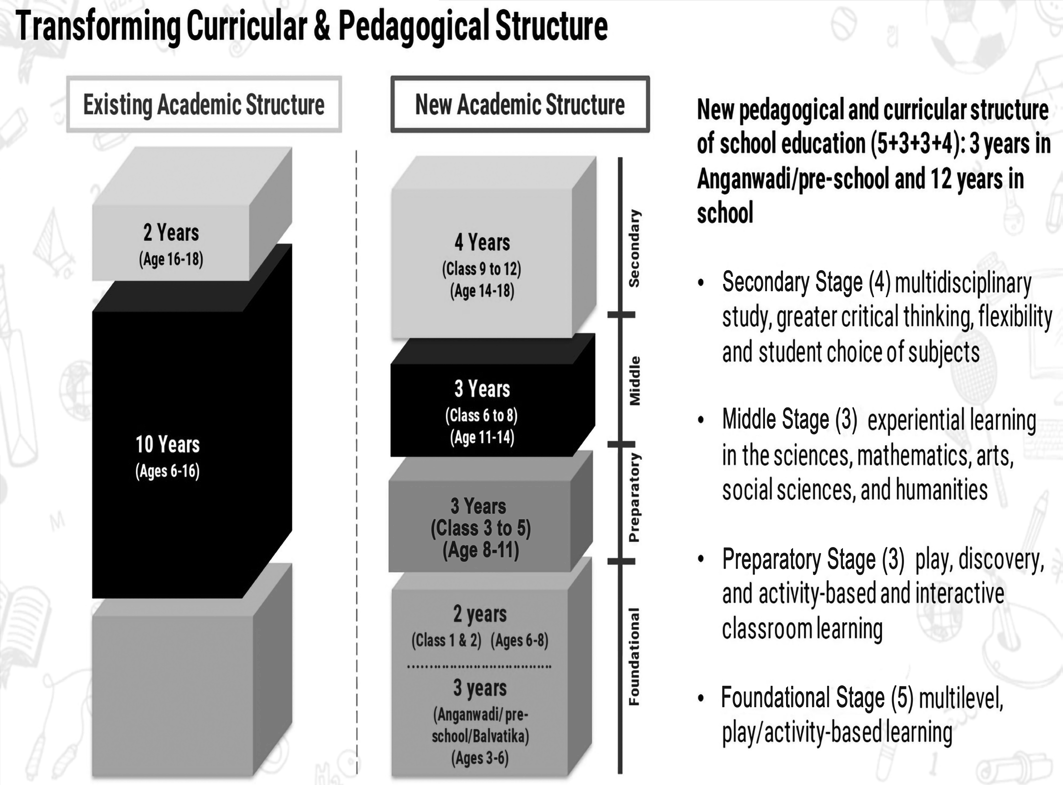
• Higher Education
• Holistic and Multi-disciplinary education in an undergraduate program with multiple exit options where the bachelor’s degree can be 3 or 4 years
• The National Testing Agency will conduct entrance examinations for admissions to universities across the country, apart from the JEE Main and NEET
•
Establishment of Academic Bank of Credits to facilitate Transfer of Credits
• Establishment of National Research Foundation.
• Establishment of Higher Education Council o India (HECI) to regulate higher education .
• National Higher Education Regulatory Council (NHERC) for the regulation of higher education, except medical and legal education
• General Education Council (GEC) for setting standards
• Higher Education Grants Council (HEGC) for funding and financing of colleges and universities
• National Accreditation Council (NAC) for accreditation
• The HECI will replace the existing National Council for Teacher Education (NCTE), All India Council for Technical Education (AICTE) and the University Grants Commission (UGC)
• Phasing out the ‘Affiliation System’ at university level over a period of 15 years
• Increasing Gross Enrolment Ratio (GER) in higher education from the current 26.3% to 50% by 2035
• Adding 3.5 crore seats in higher education
Teacher Education
By 2023, the minimum qualification for teachers will be 4-year integrated B.Ed. degree
Emphasis on strengthening and transparency of the teacher recruitment process
National Council of Teacher Education (NCTE) to formulate a new and comprehensive National Curriculum Framework for Teacher Education
(NCFTE) 2021
NCTE to frame National Professional Standards for Teachers (NPST) 2022
4) Other Major Objectives
Establishment of National Education Commission
Establishment of Special Education Zones (SEZs) to improve education among underrepresented groups in disadvantaged regions
Gender Inclusion Fund, for improving and providing education for female and transgender children
Establishment of National Educational Technology Forum (NETF).
• National Assessment Centre- ‘PARAKH’ will assess the students
• Establishment of National Mission for Mentoring, National Book Promotion Policy, National Mission on Foundational Literacy and Numeracy
• Increasing the education expenditure from the current 4.6% to 6% of the GDP at the earliest
• Key Targeted Outcomes of NEP 2020
• Universalizationf romECCE to Secondary Education by 2030, aligning with SDG 4
• Attaining Foundational Learning & Numeracy Skills through National Mission by 2025
• 100% GER in Pre-School to Secondary Level by 2030
• Bring Back 2 Cr Out of School Children
• Teachers to be prepared for assessment reforms by 2023
• Inclusive & Equitable Education System by 2030
• Board Exams to test core concepts and application of knowledge
National Education Policy, 2020 at a glance
• Early Childhood Education:
• In adopting a 5+3+3+4 model for school education starting at age 3, the policy recognises the primacy of the formative years from ages 3 to 8 in shaping the child’s future.
• Paradigm Shift to Interdisciplinary Approach:
• Breaking of the strict division of arts, commerce and science streams in high school.
• The Confluence of Education and Skills:
• Vocational courses with an internship.
• This may nudge the vulnerable sections of society to send their children to school.
• Inclusive Education:
• The NEP proposes the extension of the Right to Education (RTE) up to the age of 18.
• Allowing Foreign Universities:
• Global Universities among the top 100 will be able to set up campuses in India.
Ending Hindi vs English Debate:
• It emphasizes on making mother tongue, local language or the regional language the medium of instruction at least till Grade 5.
Analysis of National Education Policy
The new policy has tried to please all, and the layers are clearly visible in the document. It says all the right things and tries to cover all bases, often slipping off keel.
• Language Conundrum: The NEP seeks to promote mother tongue up to class five, in order to improve learning outcomes at early age.
•
In India, the language of social and economic mobility in India is English, and clubbed with the Three Language Formula is the caveat of English being optional till grade eight.
• States get confused and lack expertise in deciding the indigenous languages like Goa which witness the complex politics of scripts.
• It imposes Hindi and Sanskrit in all Indian states ignoring other vernacular languages and creating image of superiority for these two which has invited criticism from states of the South India.
• It also poses a problem for children of transferable employees.
• No checks and balances
• Privatization from affiliation to autonomy: The NEP aims to phase out the system of affiliation to any university in fifteen years. This will not only grant the institutes complete freedom to take decisions regarding the fee structure, functioning, etc., but will also pave the way for privatization (Agarwal, 2020).
• Lack of funds: According to Economic Survey 2019- 2020, the public spending (by the Centre and the State) on education was 3.1% of the GDP.
• While funding at 6% of GDP remains doubtful.
• The policy has neither any accountability mechanism, nor does it lay out any means to combat corruption.
• Doubling the Gross Enrolment Ratio in higher education by 2035 which is one of the stated goals of the policy will mean that we must open one new university every week, for the next 15 years.
• Issue of RTE Act: While the act extensively talks about the universalization of education, it fails to make primary and secondary education a legal right. Hence, there is no mandatory mechanism for the central and state governments to make this a reality (Agarwal et al., 2020).
• This policy fails to solve the challenge of significant dropouts post elementary levels, especially amongst girls, by being silent on the RTE Act.
• Also, legal complexities will arise due to dual policies namely The Right to Education Act, 2009 and the New Education Policy, 2020. Certain provisions such as the age of starting schooling.
• Pedagogical limitations: The document talks about flexibility, choice, experimentation. In higher education, the document recognizes that there is a diversity of pedagogical needs.
• Institutional limitations: Students should have a choice for different kinds of institutions. The policy risks creating a new kind of institutional isomorphism mandated from the Centre.
• Mismatch between the skills and jobs.
• Pending Regulatory Reforms: Role of regulators and the intended legislative changes still being out of alignment, as in the case of Foreign Educational Institutions (Regulation of Entry and Operations) Bill, 2010, which lapsed; and the proposed Higher Education Commission of India (Repeal of University Grants Commission Act) Act, 2018 which remained did not reach the Parliament.
National Early Childhood Care and Education Policy 2013
• The Policy framework also includes the National ECCE Curriculum Framework and Quality Standards
for ECCE.
The Policy commits to universal access to quality early childhood education to all children under six years of age
• Vision: “achieve holistic development and active learning capacity of all children below six years of age by promoting free, universal, inclusive, equitable, joyful and contextualised opportunities for laying foundation and attaining full potential.”
• Key Areas covered:
• Access with equity and inclusion
• Improving quality
• Strengthening capacity
• Research and documentation
• Advocacy and awareness generation
India’s Education System
India’s Education System
Education System in India is categorised into two major components - public and private.
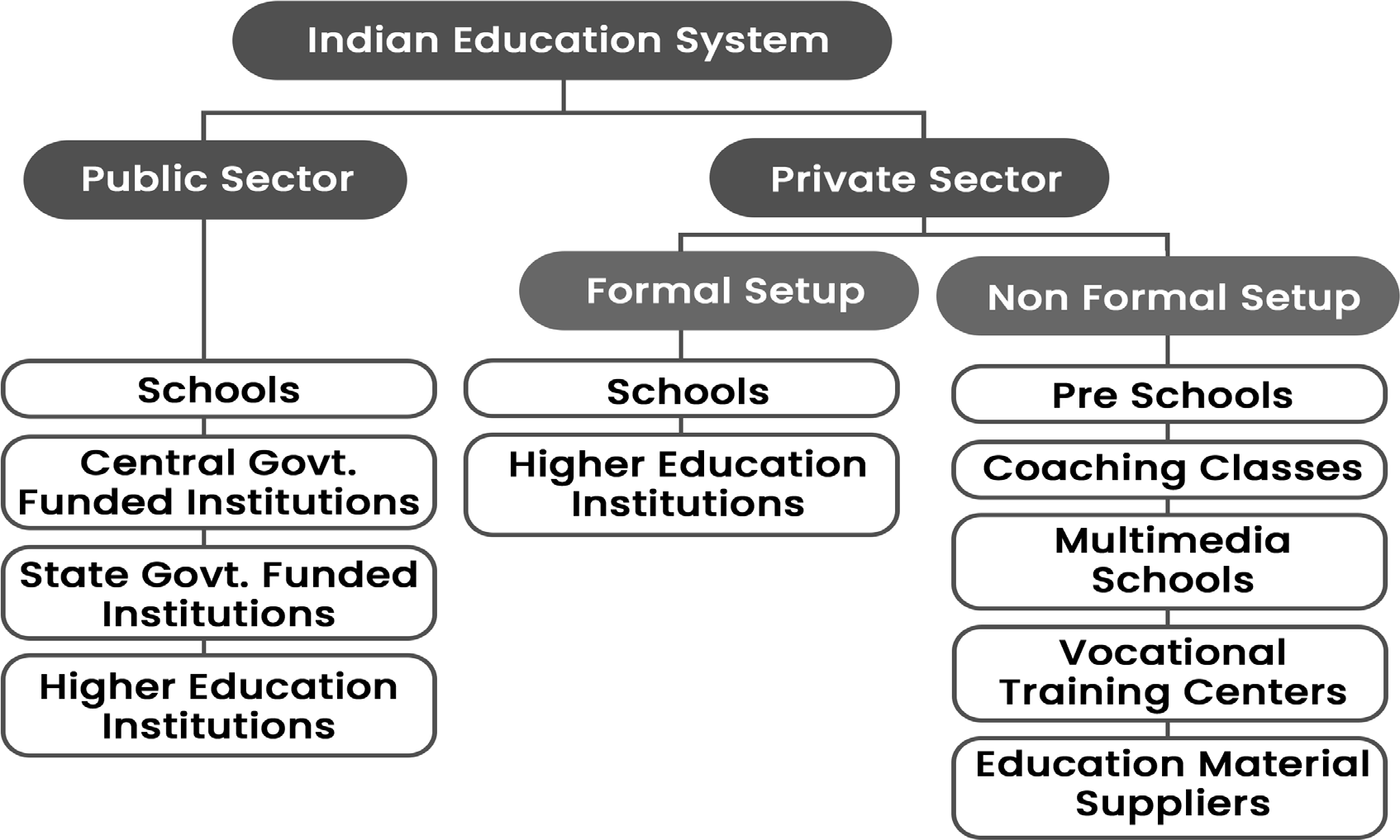
Figure: Sectoral Division in Education System in India
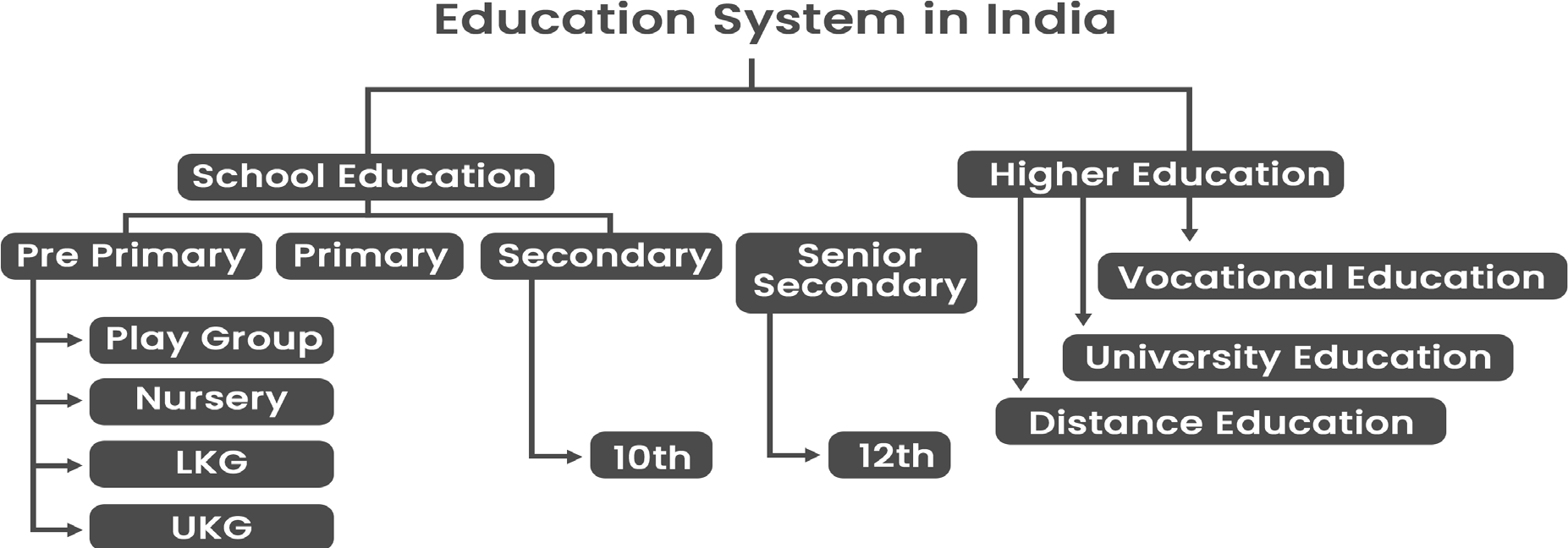
Figure: Classification of Education System in India
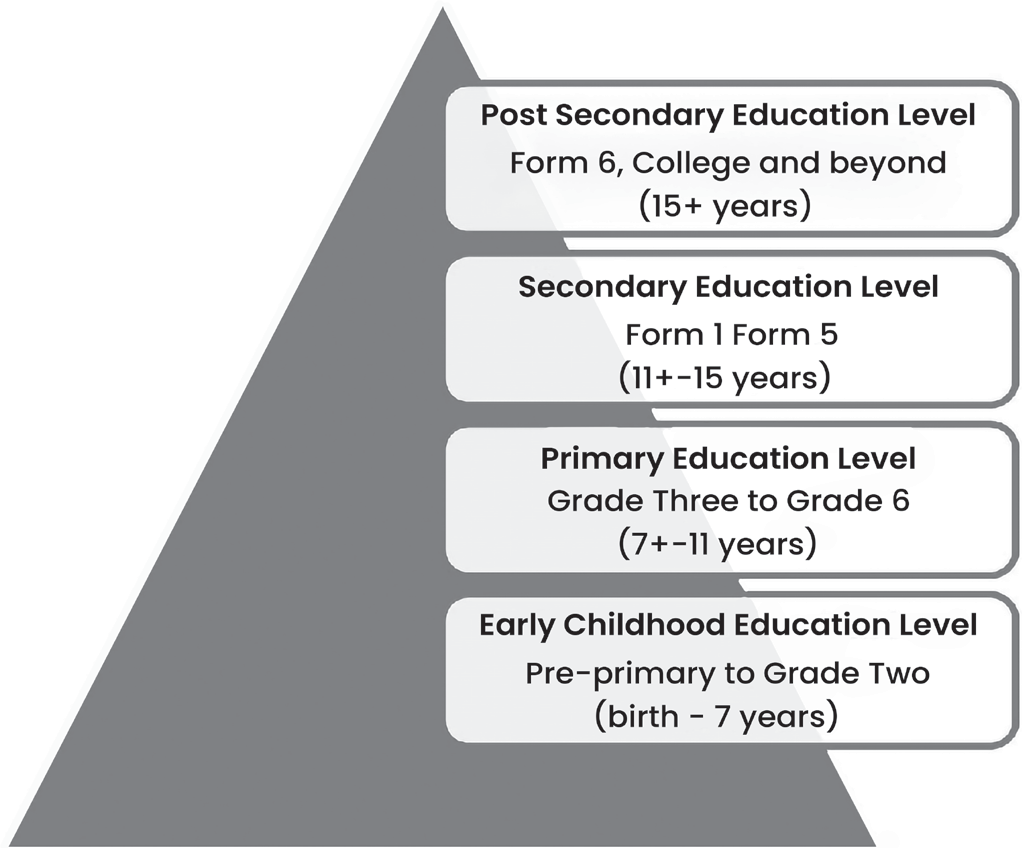
Figure: Pyramid of Indian School Education of System
Key Issues of Education in India
Education under social infrastructure is a key element to accelerate the pace of economic development. However, despite our best efforts, our educational development still remains at a low level. Major contemporary issues in education in India include:
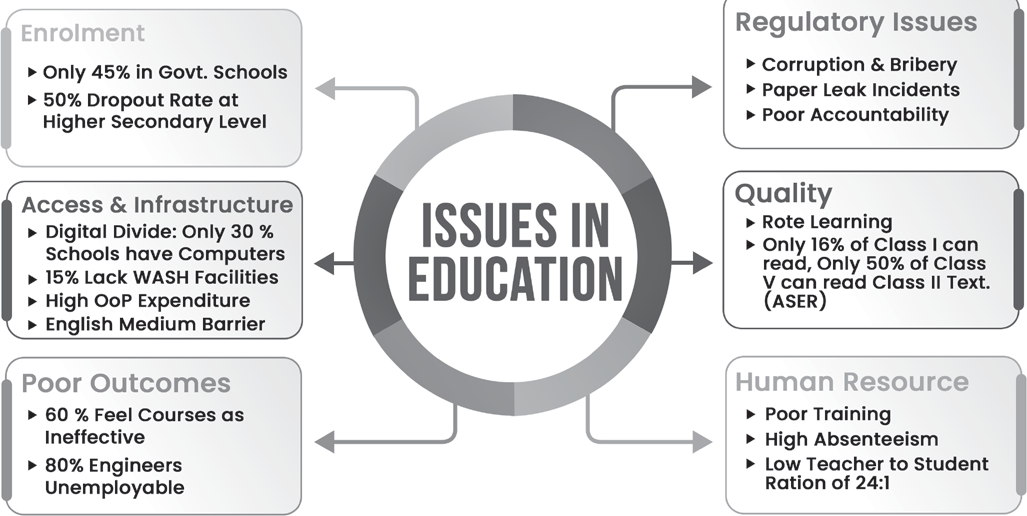
Figure: Issues in Education
• Impact of Recent COVID-19 Pandemic
• Pandemic impact: Some 23.8 million additional children and youth (from pre-primary to tertiary) may drop out or not have access to school.
• Problem of Enrolment
• Inequality in Educational Opportunity (IEO)- During adolescence, the percentage of girls continuing their education declines significantly. While 92.3% of girls are enrolled in middle school, only 65.5% progress to the graduate level. A significant gap in educational attainment exists, with 41% of Scheduled Tribes (ST) being illiterate, compared to 31% of non-STs, and fewer than 2% of ST students attain higher education.
• Gender-Inequality: Dropout rate especiallyamong girls,is very high.According
to the United Nations Children’s Fund (UNICEF), poverty and local cultural practices ( female infanticide, dowry, and early marriage ) play a big role in gender inequality in education throughout India.
• Falling share of Government school enrolment: The proportion of India’s children attending a government school has now declined to 45 per cent; this number is 85 per cent in America, 90 per cent in England, and 95 per cent in Japan.
• Problem of Quality
• Heavy Emphasis on Marks: Around 12 percent of Indian students between the ages of four and 12 suffer from stress, anxiety and some form of psychiatric disorder.
• Encouraged Flock Mentality: Lack of diverse and remunerative academic and occupational choices cause dominance of engineering, medicine, and management.
• Quality of Education: Rote learning and non- creative pedagogy apart from poor teaching faculties cause poor quality of education. Only 16% of children in Class 1 can read the text at the prescribed level, while almost 40% cannot even recognise letters. Only 50 per cent of Grade 5 children being able to read a grade 2 text. (ASER Report findings.
• Mass illiteracy: An outdated definition of literacy according to Census makes a large proportion of population as literate while in reality there are large masses who often know nothing other than writing their name. Even then, around 25% of Indians still remain illiterate, which also leaves them socially and digitally excluded.
• This causes the issue of ‘hidden illiteracy’ and problem of ineffectiveness of implementation and poor reach of the government programmes at the grassroots especially in rural and tribal areas.
• Problem of Brain Drain: Due to limited seats, lack of quality institutions, cutthroat competition and plethora of tiring entrance examinations for getting admission in top institutes like IITs and IIMs, many prefer going abroad, depriving India of good talent.
• This tendency causes high burden on the poor parents and stress and anxiety among the students. They also often take the law into their own hands by taking illegal routes to foreign countries causing diplomatic issues.
• Lack of synergy between enrolment and learning outcomes – Despite almost universal primary enrolment due to nutritious meal availability, poor foundational skills have continued among children
like students in class 3 who are able to do at least subtraction has not changed much, from 27.6% in 2016 to 28.1% in 2018.
• Major reasons include absenteeism among teachers, lack of infrastructure, and discriminatory practices against the backward and weaker sections of society like the Dalits and Adivasis. This causes the incorrigible gap and poor learning outcomes among children due to bad experience in schooling.
• Problem of Access and Infrastructure
• Digital Divide: According to National Statistical Organisation Survey on Digital Education Divide, nearly 4% of rural households and 23% of urban households possessed computers and 24% of the households in the country had internet access. It existed across states, cities and villages, and income groups.
• According to the Unified District Information System for Education (UDISE) for 2019-20, only 12% of schools have internet facilities and 30% have computers.
• Develop stringent norms for faculty recruitment in universities and colleges.
• Distance and online education be expanded via Massive Open Online Course (MOOCs) and Open and Distance Learning (ODL) to ensure access to quality education beyond geographical boundaries
• Teacher Education and Training
• A Committee to develop proper criteria to recognize institutions, assessed and enforced by NCTE.
• Monitoring and evaluation via state level indicators, such as placement rates.
Other Committee Recommendations
• Radhakrishnan committee
• In 1948-49, the University Education Commission was constituted under Radhakrishnan. It moulded the education system based on the needs of an independent India and replace Macaulayism with the Indian value system.
• Kothari commission
• To raise expenditure on education from 2.9% of the GDP to 6% by 1985.
• Standardization of educational system on 10+2+3 pattern.
• Setting up of Indian Education Service.
• Need to make work experience and social/national service an integral part of education to achieve social and national integration.
•
Linking of colleges to several schools in the neighbourhood.
• Equalization of opportunities to all
• Neighbourhood school system without social or religious segregation and a school complex system integrating primary and secondary levels of education.
• On the job training of the teaching staff and for efforts to raise the status of the teachers to attract talents into the profession.
• T.S.R. Subramaniam committee report
• Early Childhood Care and Education (ECCE)
– children from four to five years of age – to be declared as a fundamental right.
• Setting up All India Education Service.
• The policy of no detention should be upheld only till class five and not till class eight.
• Teacher Management:
• Need to constitute an Autonomous Teacher Recruitment Board.
• Four years integrated B.Ed. the course should be introduced.
• ICT in Education:
• There is an inadequate integration of information technology (IT) and the education sector.
• Vocational education and training:
• National Skills Qualification Framework should be scaled up.
• NationalHigher Education Promotion and Management Act (NHEPMA):
• Existing separate laws be replaced by the said act.
• The role of regulatory bodies like UGC and AICTE should be revised.
• National Accreditation Board (NAB) subsuming the existing accreditation bodies.
• According to UDISE data, about 42% of these schools lacked furniture, 23% lacked electricity, 22% lacked ramps for the physically disabled, and 15% lacked WASH facilities (which include drinking water, toilets, and hand wash basins).
• Skewed distribution of schools: We have too many schools and 4 lakh have less than 50 students (70 per cent of schools in Rajasthan, Karnataka, J&K, and Uttarakhand). China has similar total student numbers with 30 per cent of our school numbers.
• The competition posed by private schools is also a major challenge to government schools. Private schools cause class divide among the parents and
refuse to follow Right to Education Act norms of giving admission to 25% seats to weaker sections.
• Medium of Instruction: Content in Indian languages still in an underdeveloped stage, focus on English causes unequal opportunities for regional rural and tribal students.
• This causes issues of communication gap in the communities and lack of awareness about the schemes and policies of the government.
• Issue of Teachers
• Quality of Teachers: Lack of well trained, skilled and knowledgeable teachers which provide the foundation for a high-quality education system.
• Poor salary: Teachers are paid miserly salaries which affect their interest and dedication to work. They will look for other avenues like tuitions or coaching centres and coax the students to attend it.
• This has dual effect, firstly the quality of teaching in schools drop and secondly, the poor students are forced to spend money despite constitutional provision of free education.
• Teacher Absenteeism: Absence of teachers during school hours is rampant.
• Inadequate teachers and their training: The 24:1 ratio of India is way lower than Sweden’s 12:1, Britain’s 16:1, Russia’s 10:1 and Canada’s 9:1. Political appointments or improper training is another huge challenge.
• Regulatory Issues
• Corruption and leakages: Forms of corruption are not limited to the bribery, cronyism, dereliction of duties, financial embezzlement, extortion, graft, influencing, lobbying, nepotism, parochialism, patronizing, etc.
• In 2023, a clerk and a primary school teacher were arrested for taking bribe to release scholarship amount to a class X student suffering from thalassemia in Odisha’s Puri district.
• Frequent incidents of question paper leakage in certain school examination boards, University
examinations, admission tests to different courses, teacher recruitment tests, etc.
• In 2023, Class 10 question paper leaked in Telangana’s Vikrabad area government school through WhatsApp.
• In 2022, both class 10 and 12 board examination
papers have been leaked in Tamil Nadu.
• The NEET UG exam has faced multiple paper leaks in 2024 and 2026.
• Similarly, teacher recruitment, transfers and postings frequently see the instances of favouritism, nepotism, bribes, illegal gratification, forgery in documents, plagiarism, and fraud nowadays.
• In 2023, a government school headmaster was convicted in Madhya Pradesh to five years in jail for taking a bribe of ₹ 2,000 from a guest teacher for joining.
• Lack of Accountability: School Management Committees are largely dysfunctional. Parents are often not aware of their rights and if they are it is difficult for them to make their voice heard.
• Issue of Employability and Outcomes
• Inequality in Occupational Attainments (IOA)- The vocational education ecosystem in its current form did not succeed in creating adequate employable job seekers in India as more than
60 per cent candidates and employers find the educational courses ineffective.
• The Annual Employability Survey 2019 report by Aspiring Minds reveals that 80% of Indian engineers are not qualified for jobs in the knowledge economy. Furthermore, only 2.5% of them possess the AI tech skills demanded by the industry.
Proposed Reforms of Education in India
• Education is a national agenda and a catalytic tool that can transform our children and youth’s future. Over half of India’s population is still under age 30 in 2022.
• According to NITI Aayog’s India@75 report, various recommendations of reforms include
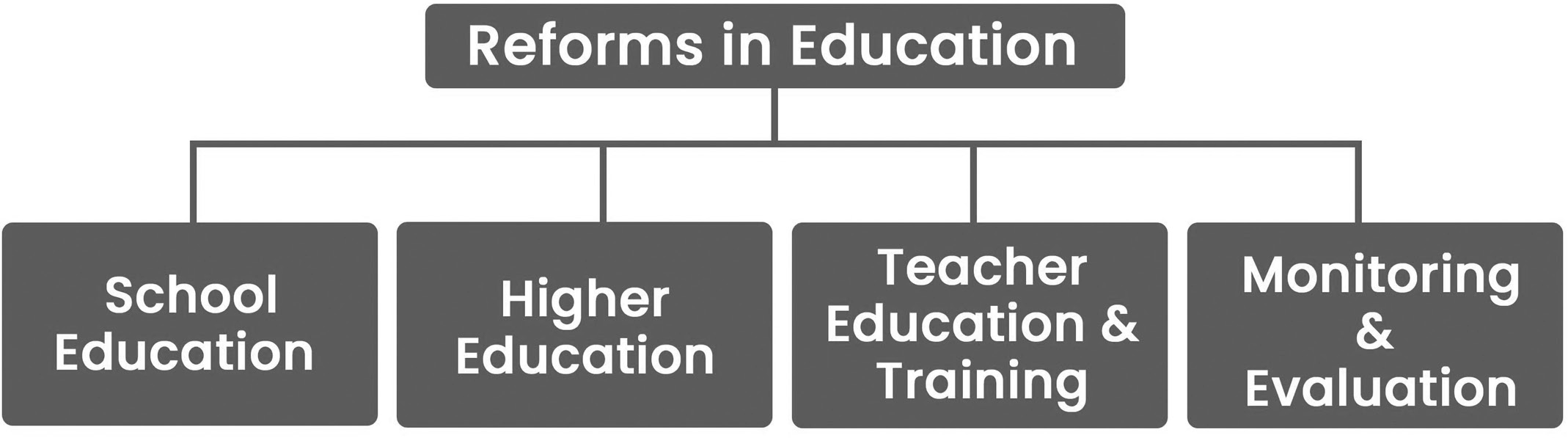
Figure: Key Aspects of Reforms in Education
• School Education
• Universal access and retention:100% enrolment and retention at elementary and secondary education levels; achieve zero dropouts until Class X.
• Improve learning outcomes for elementary and secondary education, measured by National Achievement Survey (NAS) and viable vocational education at higher levels to improve employability.
• Government spending on education as a whole at 6 per cent of GDP by 2022.
• Revamped governance system to improve monitoring and accountability of teachers.
• Rationalize public school structure and improve remedial learning and Individualized tracking
• Reducing mental stress and raise flexibility
• Equitable participation by all society segments to ensure maximum social inclusion.
• Higher Education
• Regulatory and governance reforms : To ensure effective coordination of roles and restructuring of different higher education regulators, Higher Education commission of India (HECI) was introduced in Lok Sabha as the Viksit Bharat Shiksha Adhishthan (VBSA) Bill in 2025.
• Curriculum: design a basic minimum benchmark standard in curriculum.
• Compulsory and regular accreditation framework
for higher education institutions.
• Performance-linked funding and incentives for IoE INR 1,000 crore over a 5-year period per institution.
Steps taken by the Government
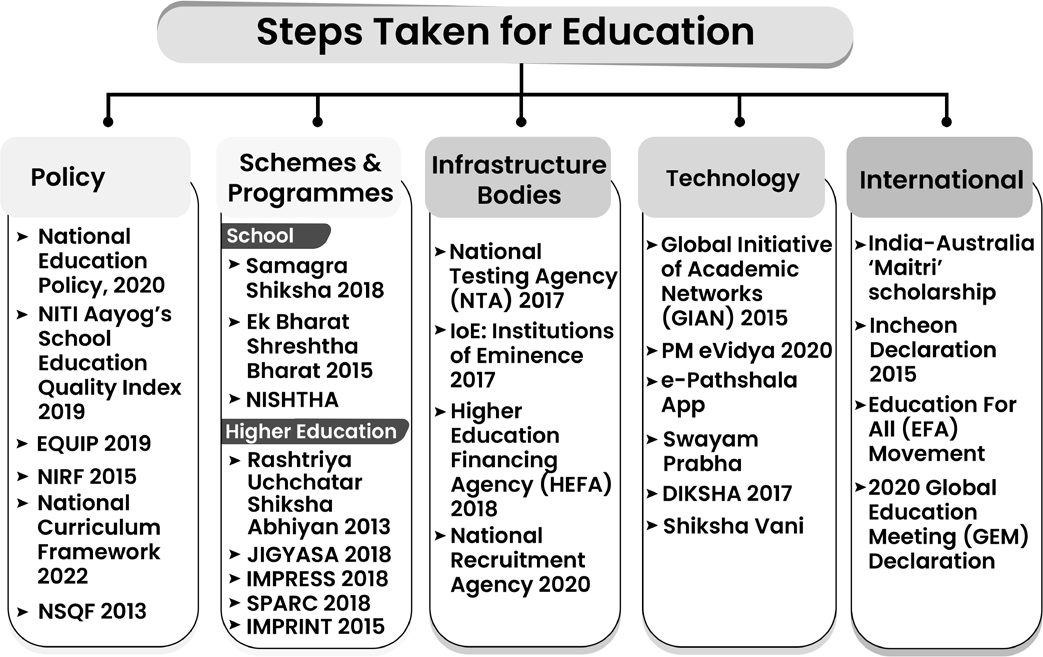
Figure: Steps Taken for Education
•
Education is the fundamental right of every child, from the Right to Education to Samagra Shiksha, education has always been a priority area in devising schemes and initiatives.
• At the Policy Level:
• The National Education Policy, 2020 (NEP, 2020):
• This policy was formulated based on the recommendations of the eminent scientist Dr
K. Kasturirangan Committee 2017 report.
• NITI Aayog’s School Education Quality Index 2019
• The School Education Quality Index (SEQI) was developed through a collaborative process with Ministry of Human Resource and Development (MHRD), World Bank and sector experts.
• EQUIP 2019
• It is a five-year vision plan (2019-2024) named Education Quality Upgradation and Inclusion Programme (EQUIP) conceived by Ministry of Human Resource Development to ensure principles of access, inclusion, quality, excellence, and enhancing employability in higher education.
• SEQI – School Education Quality Index 2019
• SEQI is developed by NITI Aayog to evaluate the performance, ensure outcomes focus to education policy, identify strengths and weaknesses and undertake requisite course corrections or policy interventions. It aims to enhance educational outcomes by driving improvements in learning levels, access, equity, infrastructure and governance processes.
• National Institutional Ranking Framework (NIRF) 2015
• NIRF is a methodology adopted by the Ministry of Education to rank higher education institutions in India.
• NIRF is common for public and private institutions as well as state and central institutions.
• National Curriculum Framework 2022
• The National Education Policy 2020 (NEP 2020) aims to devise four National Curriculum Frameworks (NCFs), to bring about a paradigm shift in education with focus on holistic development of children, emphasis on skilling, vital role of teachers, learning in mother tongue, cultural rootedness. It focuses on the Panchakosha Concept – the ancient Indian emphasis on the body-mind connection.
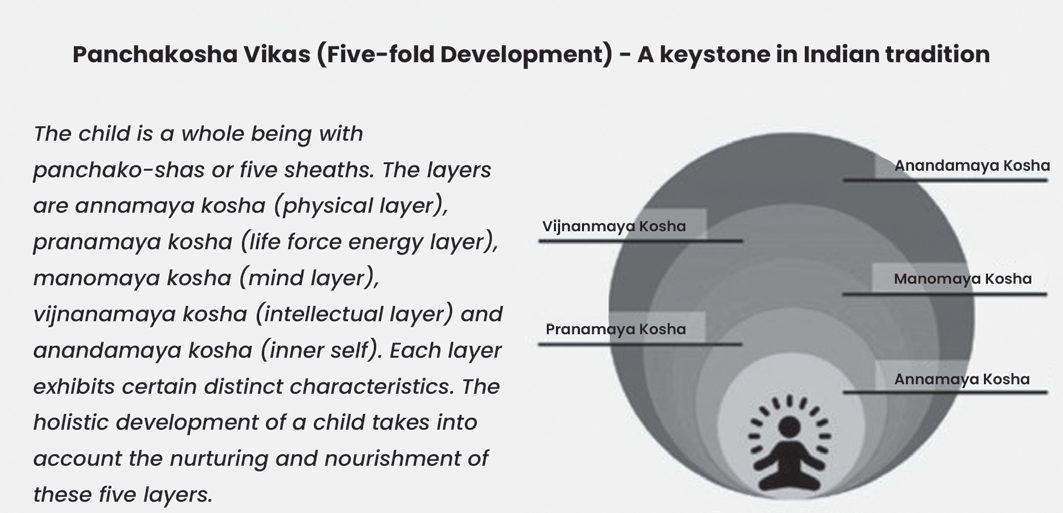
Figure: Panchkosha Tradition of Holistic Development
• National Curriculum Framework for Early Childhood Care and Education (NCFECCE)
• National Curriculum Framework for School Education (NCFSE)
• National Curriculum Framework for Teacher Education (NCFTE)
• National Curriculum Framework for Adult Education (NCFAE)
• National Skill Qualification Framework 2013
• The NSQF is a quality assurance framework. It is a nationally integrated education and competency- based skill framework that will provide for multiple pathways, horizontal as well as vertical, both within vocational education and training, and general and technical education, thus linking one level of learning to another higher level.
• Objectives
• Accommodating diversity in Education and Training.
• Set of national qualifications for every level.
• Providing a structure for progressive pathways to allow access to qualifications and support people to move effortlessly between sectors in labour market.
• Providing options of training and education
and recognition to experiences and learnings.
• International and national mobility of people with NSQF compliant qualifications.
• At the level of Schemes/Missions
• Samagra Shiksha 2018 Integrated Scheme for School Education or Samagra Shiksha is an overarching centrally sponsored(Centre:State share 60:40) flagship programme for the school education sector extending from pre-school to class 12.
• Sarva Shiksha Abhiyan (SSA),
• Rashtriya Madhyamik Shiksha Abhiyan (RMSA)
•
Teacher Education (TE) to help harmonising the implementation and reduce transaction costs at all levels.
• Objectives
• Support States and UTs in implementing the National Education Policy and Right of Children to Free and Compulsory Education (RTE) Act, 2009;
• Focus on Early Childhood Care and Education
• Emphasis on Foundational Literacy and Numeracy
• State Councils for Educational Research and Training (SCERTs) and District Institutes for Education and Training (DIET) be upgraded as a nodal agency for teacher training.
• Promoting Vocationalisation of education;
• Major Features
• Holistic approach: from Pre-school to Class 12.
• Single and unified administrative
• Quality Education: Focus on the two T’s – Teachers and Technology
• Support for Rashtriya Avishkar Abhiyan
• Support Padhe Bharat Badhe Bharat Programme
• Focus on Digital Education
• Support ‘Operation Digital Board’.
• Infrastructure and Funding
• Transport facility
• provision for Swachhta activities
• Focus on Girl Education’
• Focus on Inclusion
• Allocation for uniforms, textbooks under the RTE Act enhanced per child per annum.
• Skill Development
• Exposure to Vocational Skills at Upper Primary Level and Class 9-12 as integrated with the curriculum and to be made more practical and industry oriented. Reinforce emphasis on ‘Kaushal Vikas’
• Sports and Physical Education
• Focus on Regional Balance
• Preference to Educationally Backward Blocks (EBBs), LWE affected districts Aspirational Districts
• NIPUN Bharat 2021
• NIPUN Bharat (National Initiative for Proficiency
in Reading with Understanding and Numeracy) is the national mission aimed at achieving the goals of Foundational Literacy and Numeracy (FLN) as outlined by the NEP 2020. The initiative seeks to ensure that all children in the country attain FLN by Grade 3, with a target deadline of 2026-27.
• Vidya Pravesh:
• Vidya Pravesh aims at attainment of the goals of FLN for all children.
• Balvatika:
• The Balvatika programme by NCERT is envisaged as a one-year programme for three years of preschool before Grade 1 which is meant to prepare children with cognitive and linguistic competencies that are prerequisites for learning to read, write and develop number sense through a play-based approach.
• Rashtriya Madhyamik Shiksha Abhiyan
– It is a flagship scheme aiming at enhancing secondary education and increasing the enrolment rate by providing a secondary school within a reasonable distance of every home.
• Ek Bharat Shreshtha Bharat 2015
• Through this innovative measure, the knowledge of the culture, traditions and practices of different States & UTs.
• Objectives
• To celebrate the Unity in Diversity
• Promote the spirit of national integration
• To showcase the rich heritage and culture.
• To establish long-term engagements and
• To create an environment which promotes learning
• Educational Features
• Exposure of students of one State to alphabets, songs, proverbs and 100 sentences in the languages of the partner State.
• Preparation of a Book containing information on their culture, customs.
• Organising Essay Competition
• Organising Optional Classes in schools / colleges.
• Organising Drama(s).
• NISHTHA:
• National Initiative for School Heads’ and Teachers’ Holistic Advancement (NISHTHA) launched by NCERT.
• It is an Integrated Teacher Training Programme as a capacity building programme for “Improving Quality of School Education through Integrated Teacher Training”.
•
Incentivising Women’s Inclusion
• National Programme for Education of Girls at Elementary Level.
• Beti Bachao Beti Padhao
• Women’s Studies Programme and Women’s Studies Centres in the University System.
• Special Scheme for Construction of Hostels for Women
• Incentivising Weaker Sections
• Equal Opportunities Cells (EOCs) by UGC for SC/ST/OBC (Non creamy layer), women/ minorities.
• Rajiv Gandhi National Fellowships for SC/ ST(Five Years).
• Post-Doctoral Fellowships for SC/ST
• Post-Graduate Scholarships for SC/ST Students.
• Maulana Azad National Fellowships for Minority Students
Government initiatives on Higher Education
• Prime Minister Research Fellow Scheme 2018
• Aim is to attract the talent pool of the country to doctoral (Ph.D.) programs of Indian Institutes of Technology (IITs) and Indian Institute of Science (IISc) for carrying out research in cutting edge science and technology domains, with focus on national priorities.
Figure: Prime Minister Research Fellows
• Impactful Policy Research in Social Sciences (IMPRESS) 2018
• IMPRESS scheme has been launched to promote Social Science Research in the country.
• Implemented by Indian Council of Social Science and Research (ICSSR)
• Scheme for Promotion of Academic and Research Collaboration (SPARC) 2018
• An initiative of the Ministry of Human Resource Development, this program aims to enhance the research ecosystem in India's higher educational institutions
• IIT Kharagpur is the National Coordinating Institute to implement the SPARC programme.
• 5 Thrust Areas
• Fundamental Research,
• Emergent Areas of Impact
• Convergence
• Action-Oriented Research
• Innovation-Driven
• Impacting Research, Innovation and Technology
(IMPRINT) 2015
• It is a pan-IIT and IISc joint initiative to develop a roadmap for research to solve major engineering and technology challenges in ten technology domains
• JIGYASA 2018
• Jigyasa is a student- scientist connect programme launched by Council of Scientific and Industrial Research (CSIR), joining hands with Kendriya Vidyalaya Sangathan (KVS) to implement this programme.
• Rashtriya Uchchatar Shiksha Abhiyan (RUSA) 2013
• Four Pillars of RUSA
• Access: Inclusiveness is the bedrock on which universities can build truly diverse classroom.
• Equity: Opening the doors of higher education to all, irrespective of the socio-economic background.
• Excellence: Striving to achieve the gold standard in education by adopting innovating teaching-learning methods.
• Exploration: The future’s power is born out of experiment and the endless endeavour to discover.
• Objectives:
• Improve the overall quality of state institutions through norms and standards and mandatory accreditation.
• Creating a facilitative institutional structure for planning and monitoring, promoting autonomy and improving governance.
• Reforms in the affiliation, academic and
examination systems
• Improve equity and inclusion by providing opportunities to SC/STs and socially and educationally backward classes, women, minorities, and differently abled persons
At the Infrastructure/ Bodies level
• National Testing Agency (NTA) 2017
• NTA was set up for conducting entrance exams in higher educational institutions. It is based on the recommendations of the Ashok Mishra committee on IIT entrance 2015.
• It will conduct JEE, NEET, National Eligibility Test (NET), Common Management Admission Test (CMAT) and Graduate Pharmacy Aptitude Test (GPAT).
• IoE: Institutions of Eminence 2017
• Under IoE, UGC was tasked to select 10 government universities and 10 private ones as IoE. These would be given autonomy in operations and ₹1,000 crore over five years.
• The IoE tag is expected to help them achieve the world’s top 500 higher education institutions in a decade and later into the top 100.
• Higher Education Financing Agency (HEFA) 2018
• Introduced in Budget 2018-19, HEFA is a joint venture of MHRD and Canara Bank with an agreed equity participation in the ratio of 91% and 9% respectively.
• It is for financing creation of capital assets in premier educational institutions in India.
• HEFA is registered under Section 8 (Not-for-Profit) under the Companies Act 2013 as a Union Govt company and as non-deposit taking NBFC (NBFC- ND-Type II) with RBI.
• With an initial capital base of Rs 1,000 crores, it will act as a not-for-profit organization.
• It has been tasked with raising ₹1 lakh crore to finance infrastructure improvements in higher education by 2022.
• Scheme for Infrastructure Development in Minority Institutes – The scheme would facilitate education of minorities
• National Recruitment Agency 2020
• It is an independent, professional and specialist organization for conduct of a computer-based online Common Eligibility Test (CET) for recruitment to non-Gazetted posts.
• Digital Education
• Global Initiative of Academic Networks (GIAN) 2015
• It is a program of Ministry of Human Resource and Development.
Figure: Global Initiative of Academic Networks
• GIAN aims at tapping the talent pool of scientists and entrepreneurs to engage with the institutes of higher education in India to augment the country’s existing academic resources, accelerate the pace of quality reforms, and further strengthen India’s scientific and technological capabilities.
• National Educational Alliance for Technology (NEAT) Scheme
• The objective is to use Artificial Intelligence to make learning more personalized and customized as per the requirements of the learner for better learning outcomes in Higher Education.
Figure: India AI Initiative
• PM eVidya 2020, which aims to unify all efforts related to digital/online/on-air education to enable equitable multi-mode access to education.
• DIKSHA (Digital Infrastructure for Knowledge
Sharing) 2017
• As part of PM eVidya announced under the Atma Nirbhar Bharat programme, DIKSHA is the ‘one nation; one digital platform’ for school education in India for grades from 1 to 12.
• VidyaDaan 2020 : it allows donation or contribution of e-learning resources for school education by experts, private bodies, and educational bodies.
• Swayam Prabha: SWAYAM – Study Webs of Active Learning for Young Aspiring Minds. This mode of education through 32 TV channels is for people who do not have access to high quality school and higher education.
• e-Pathshala mobile app (Android, iOS, Windows), and web portal can be used to access e-textbooks and 3,500 pieces of audio and video content of NCERT
• For the differently-abled : For hearing impaired students, one DTH channel is available with sign languages.
• Study material has been developed in Digitally Accessible Information System (DAISY), for hearing and visually impaired.
• Radio Broadcasting : The radio broadcasts focus on activity-based-learning. For broadcasting content related to National Institute of Open Learning – NIOS (grades 9 to 12), 289 community radio stations have been used.
• Shiksha Vani is a Podcast of the Central Board for Secondary Education (CBSE) for grades 9 to 12.
• Various digital initiatives are also undertaken by Ministry of education viz. National Digital Library (NDL), Virtual Lab, e-Yantra, NEAT (National
Education Alliance for technology), FOSSEE
• At the International Level
• ‘Australia-India education qualification recognition mechanism’. He also announced that Geelong’s Deakin University will be the first overseas university to open its branch campus in India.
• In 2022, India and the United Kingdom inked a pact for mutual recognition of educational degrees of students.
• In 2019, France to recognize four Indian academic qualifications - Senior School Certificate (SSC), Bachelor’s and Master’s degrees and PhDs - from government- approved institutions.
• The Incheon Declaration 2015 at the World Education Forum (WEF) held in Incheon, Republic of Korea. It constitutes the commitment of the education community to Education 2030 and
the 2030 Agenda for Sustainable Development, recognizing education as a main driver of development.
• Education For All (EFA) Movement:
• In 1990,Aninternationalinitiative, firstlaunched at the World Conference on Education for All by UNESCO, UNDP, UNFPA, UNICEF and the World Bank in Jomtien,Thailand.
Recent Happenings in Process
• The National Research Foundation (NRF): NRF will be a Commission by an Act of Parliament and will aim at achieving excellence in knowledge creation, people, and R&I infrastructure.
• Structure of NRF: NRF Operations will follow a Hub and Spoke model with the Central Office of NRF as the Hub and a network of Centre of Excellence (CoE), located in institutions of high repute, will be the Spokes.
• Functions of NRF:
• NRF will fund research projects through grants.
• It will establish high-intensity thematic research labs in areas of science such as oceanography, nanotechnology, Information & Communication technology, with an additional focus on areas from Social Sciences.
•
It will establish and support research centres to be set up in the existing higher education institutions
• Support and fund post-Doctoral students
• Provide necessary research facilities to facilitate the creation of knowledge, innovation, and development in all fields of science and technology, and humanities
Higher Education Commission of India (HECI) Bill 2025
• Objective:
• The Bill aims to merge the regulatory roles of the UGC, AICTE, and NCTE into one unified authority, marking the second attempt to establish a single higher education regulator in India.
• Foster institutional autonomy with rigorous accountability.
• Position India as a global education hub by 2030.
• Proposed verticals under the Bill-
• National Higher Education Regulatory Council (NHERC)
• National Accreditation Council (NAC
• Higher Education Grants Council (HEGC)
• General Education Council (GEC)