Whatsapp 88106-52225 For Details
Get Free IAS Booklet
Get Free IAS Booklet
ASSOCIATION OF SOUTHEAST ASIAN NATIONS (ASEAN) (1967)
• ASEAN (Association of Southeast Asian Nations) is a regional organization made up of 10 Southeast Asian countries, dedicated to fostering intergovernmental cooperation and facilitating economic integration among its members.
• Its main objectives are to accelerate economic growth, promote social progress, enhance socio-cultural development, and protect regional stability, while also encouraging Southeast Asian studies.
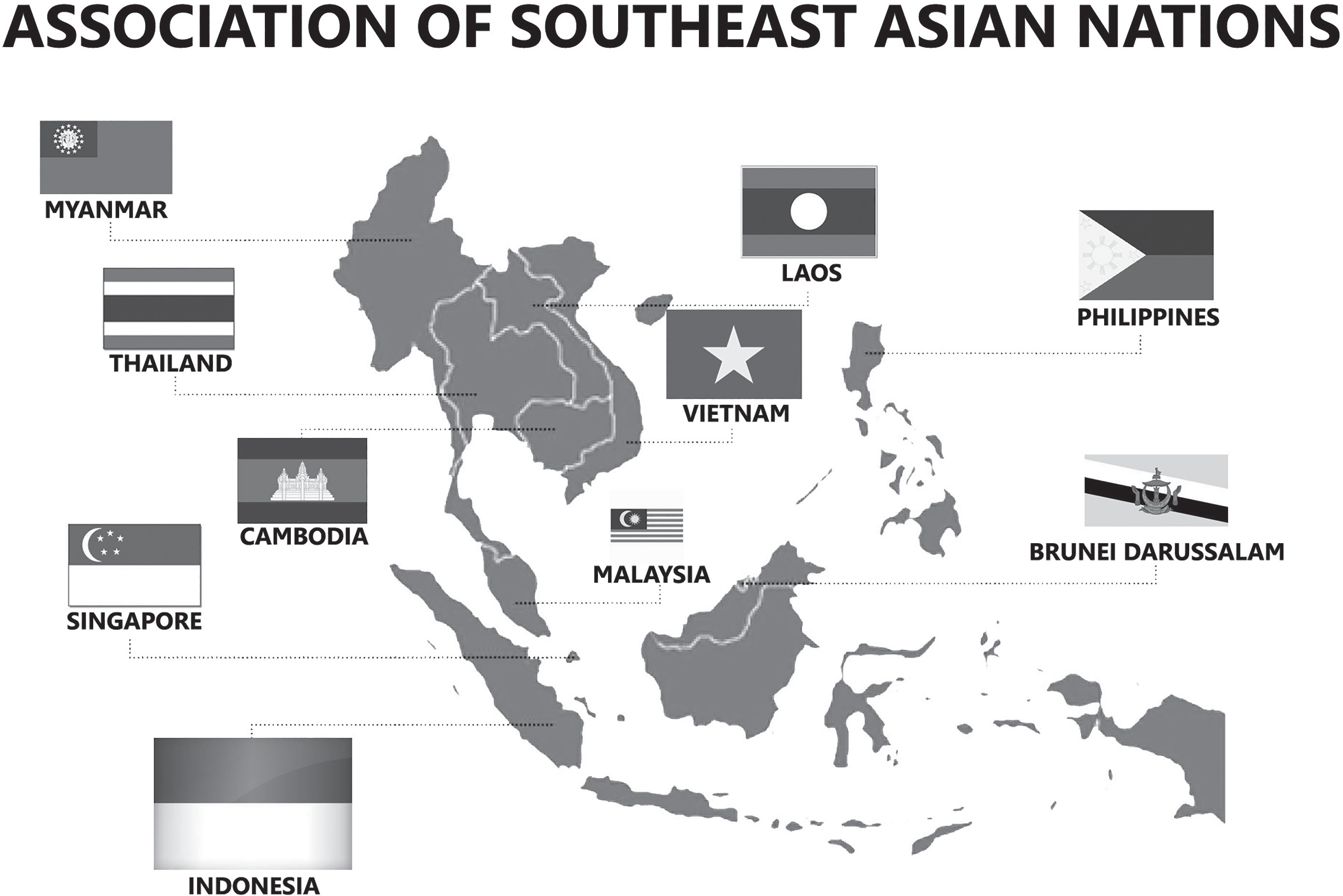
• The member nations are: Indonesia, Malaysia, Philippines, Singapore, Thailand, Brunei, Cambodia, Laos, Myanmar, and Vietnam.
ASEAN shares land borders with India, China, Bangladesh, East Timor, and Papua New Guinea, and maritime borders with India, China, Palau, and Australia.
ASEAN Plus Three was established to strengthen relations with China, Japan, and South Korea.
The grouping expanded to ASEAN Plus Six, which includes Australia, New Zealand, and India.
The larger East Asia Summit (EAS) includes ASEAN Plus Three countries, along with India, Australia, New Zealand, the United States, and Russia.
In 2006, ASEAN was granted observer status at the United Nations General Assembly.
In turn, ASEAN conferred "dialogue partner" status to the UN.
ASIA PACIFIC ECONOMIC COOPERATION (APEC) (1989)
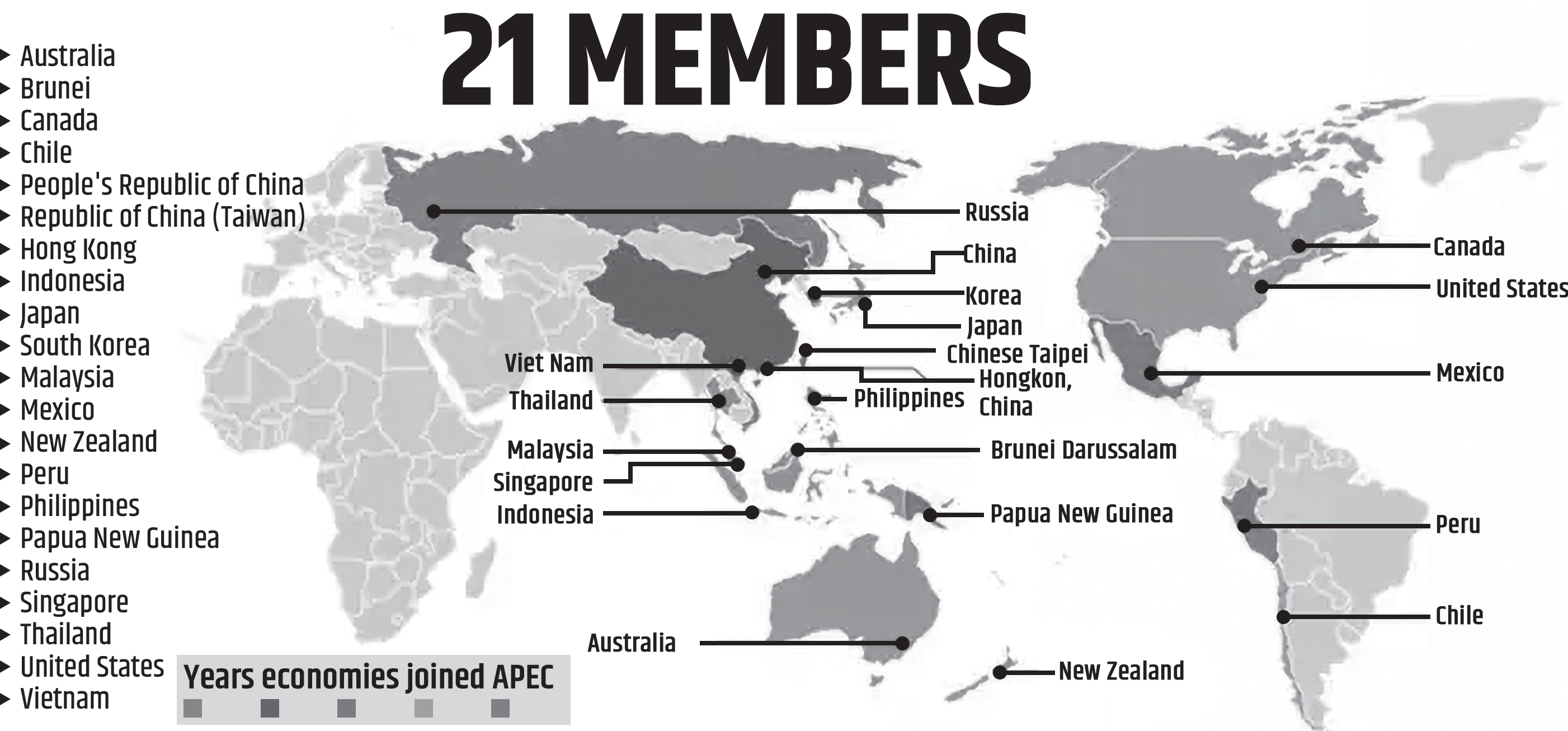
APEC (Asia-Pacific Economic Cooperation) is a forum comprising 21 member economies from the Pacific Rim, aimed at promoting free trade across the Asia-Pacific region. Its headquarters are located in Singapore.
APEC was established in response to the increasing interdependence among Asia-Pacific economies, the rise of regional trade blocs, and to counterbalance Japan's growing economic power, while also expanding markets for agricultural products and raw materials beyond Europe.
Membership criteria are based on economies rather than states, which is why Taiwan is included.
In addition to its member economies, APEC has three official observers: ASEAN, the Pacific Islands Forum, and the Pacific Economic Cooperation Council.
India is not part of the APEC grouping.
BAY OF BENGAL INITIATIVE FOR MULTI-SECTORAL TECHNICAL AND ECONOMIC COOPERATION (BIMSTEC) (1997)
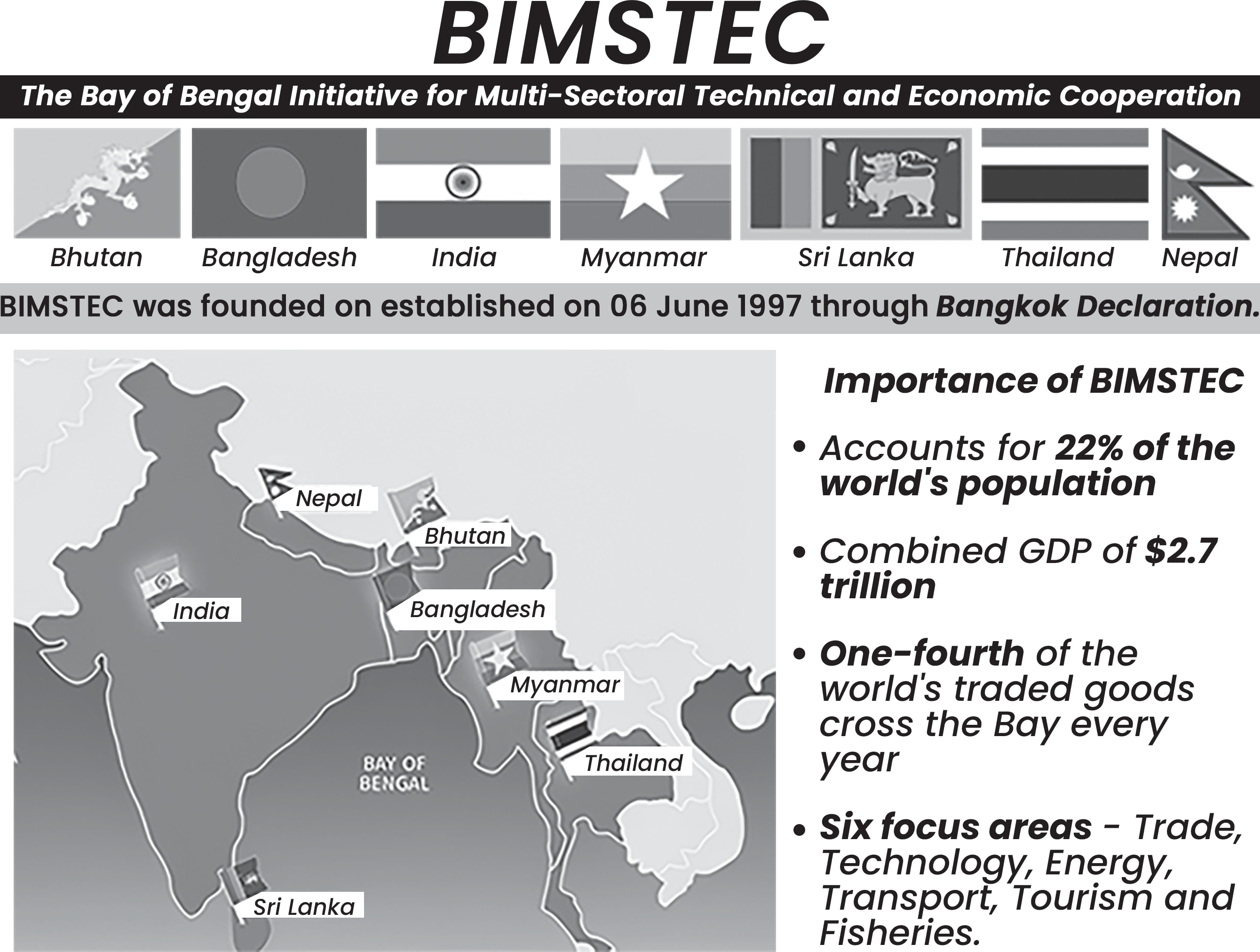
• BIMSTEC is an international organisation involving a group of countries in South Asia and South East Asia.
• Bangladesh, India, Myanmar, Sri Lanka, Thailand, Bhutan and Nepal are its members.
• Its headquarters is in Dhaka, Bangladesh.
• The main objective of BIMSTEC is technological and economic co-operation among south Asian and south east Asian countries along the coast of the Bay of Bengal.
• Commerce, investment, technology, tourism, humanresource development, agriculture, fisheries, transport and communication, textiles, leather etc.. have been included in it.
BIMSTEC uses the alphabetical order for the Chairmanship; Nepal formally took over the new Chairmanship as on 2014.
The ADB has become BIMSTEC’s development partner to undertake, promote and improve transport infrastructure and logistic among the BIMSTEC countries.
Significance of BIMSTEC for India:
The BIMSTEC region hosts 22% of the world population or 1.68 billion people; and the member states have a combined GDP of US$3.697 trillion/per year.
For India, BIMSTEC aligns with its ‘Act East’ policy for greater regional cooperation in southeast Asia. It could also be seen as aligning with India’s larger goal to gain trade and security prominence in the Indian Ocean region and to cater to the concept of the ‘Indo-Pacific’ region, a major focus of Quad countries.
• India can also connect with Southeast Asian countries. India along with ASEAN (Association of South East Asian Nations) can work jointly to work on infrastructure development and connectivity. The Northeast states are considered a ‘Gateway’ due to their geographic locations, as they share a border with four BIMSTEC nations namely, Bangladesh, Bhutan, Nepal and Myanmar. Through, better transportation and border infrastructure Northeast present a significant opportunity for India to strengthen its position in the region.
• The idea of BIMSTEC also gained prominence after the 2016 Uri attack when India was able to get SAARC (South Asian Association for Regional Cooperation) nations on its side to boycott the organisation’s summit, which was to be held in Islamabad, Pakistan. The progress of SAARC has stalled over the years due to Indo-Pak relations and what experts call Pakistan’s obstructionist approach to the organisation. BIMSTEC emerged as an alternative platform for cooperation.
• Except for India and Bhutan, all BIMSTEC nations are part of China-led BRI (Belt and Road initiative). China has built infrastructure in South and Southeast Asian countries. India which is also the largest economy in BIMSTEC can work as a leader and develop a roadmap on these critical issues along with the members. Not only, connectivity but also a common place for peace and development.
• The Bay of Bengal region can also be made a secure piracy-free zone, with active participation from the members of the forum. This can boost India’s blue economy goals.
Challenges pertaining to BIMSTEC:
• The first and major challenge, according to foreign policy researchers is a lack of efficiency and the “sluggish” pace of BIMSTEC’s progress.
• BIMSTEC secretariat also suffers from inadequate financial and manpower assistance for its operational activities.
• Another criticism is India’s selective interest in BIMSTEC each time SAARC is hamstrung due to Pakistan.
• Besides, BIMSTEC members have a lot of ground to cover in terms of transborder trade and connectivity. For e.g.: according to a 2020 research paper, “the 1,600 km long India-Myanmar border remains Asia’s least open”. India’s percentage of annual trade with BIMSTEC countries as a percentage of its total foreign trade was in the double digits in the 1950s, but was just 4% as of 2020.
As for maritime trade and tourism, the Bay of Bengal has 15,792 square kilometres, coral reefs of around 8,471 sq. km, and is an important source of natural resources for a coastal population. The fishermen’s population in the Bay alone is estimated to be around 3.7 million, with an annual fish catch of around six million tonnes. Despite this, BIMSTEC members are yet to build a shared and lucrative coastal shipment ecosystem and also grapple with the frequent detention of fishermen who cross territorial borders.
In recent years, the progress of BIMSTEC has also been underscored by Bangladesh-Myanmar relations over the Rohingya refugee crisis, the India-Nepal border issue, and most recently, the political situation in Myanmar after the military junta took over.
Way forward
There is a need for enhancing connections and connectivity by encouraging people-to-people contacts and simultaneously accelerating work on the already- started multilateral connectivity projects.
The regional integration among BIMSTEC countries can be achieved by the usage of common cultural traits like Buddhism and the usage of soft power diplomacy.
Concluding on the Free Trade Agreement will lead to better trade interactions between the countries and will take the groupings interactions to the next level.
BIMSTEC vs SAARC
How BIMSTEC is better than SAARC:
BIMSTEC is more inclusive in nature; Article 6 of the recently signed BIMSTEC Charter refers to the Admission of new members to the group, which can be used for including members like Maldives. SAARC has no such provisions.
BIMSTEC is more homogenous in approach, the members are focused on the betterment in economic and technical spheres and there are no obstructionist players like Pakistan in the grouping, as in SAARC.
BIMSTEC is in the right direction to aid our Act East goals, with initiatives like transport connectivity and trade agreements the forum acts as a gateway for India to reach the ASEAN countries.
BIMSTEC has two regional powers, India and Thailand act as the two influential powers in the group and the smaller member countries have reduced the fear of dominance from one particular country.
BIMSTEC member’s relationship is cordial, members maintain reasonably friendly relations and people-to-people ties are also improving. Whereas SAARC Member countries suffer from mistrust and suspicion over one another, which is not a favourable condition for betterment.
BRICS (2009)
BRICS is an association of five major emerging national economies: Brazil, Russia, India, China and South Africa.
The BRICS members are all leading developing or newly industrialized countries, but they are distinguished by their large, sometimes fast-growing economies and significant influence on regional affairs.
All five are G-20 members.
Since 2009, the BRICS nations have met annually at formal summits.
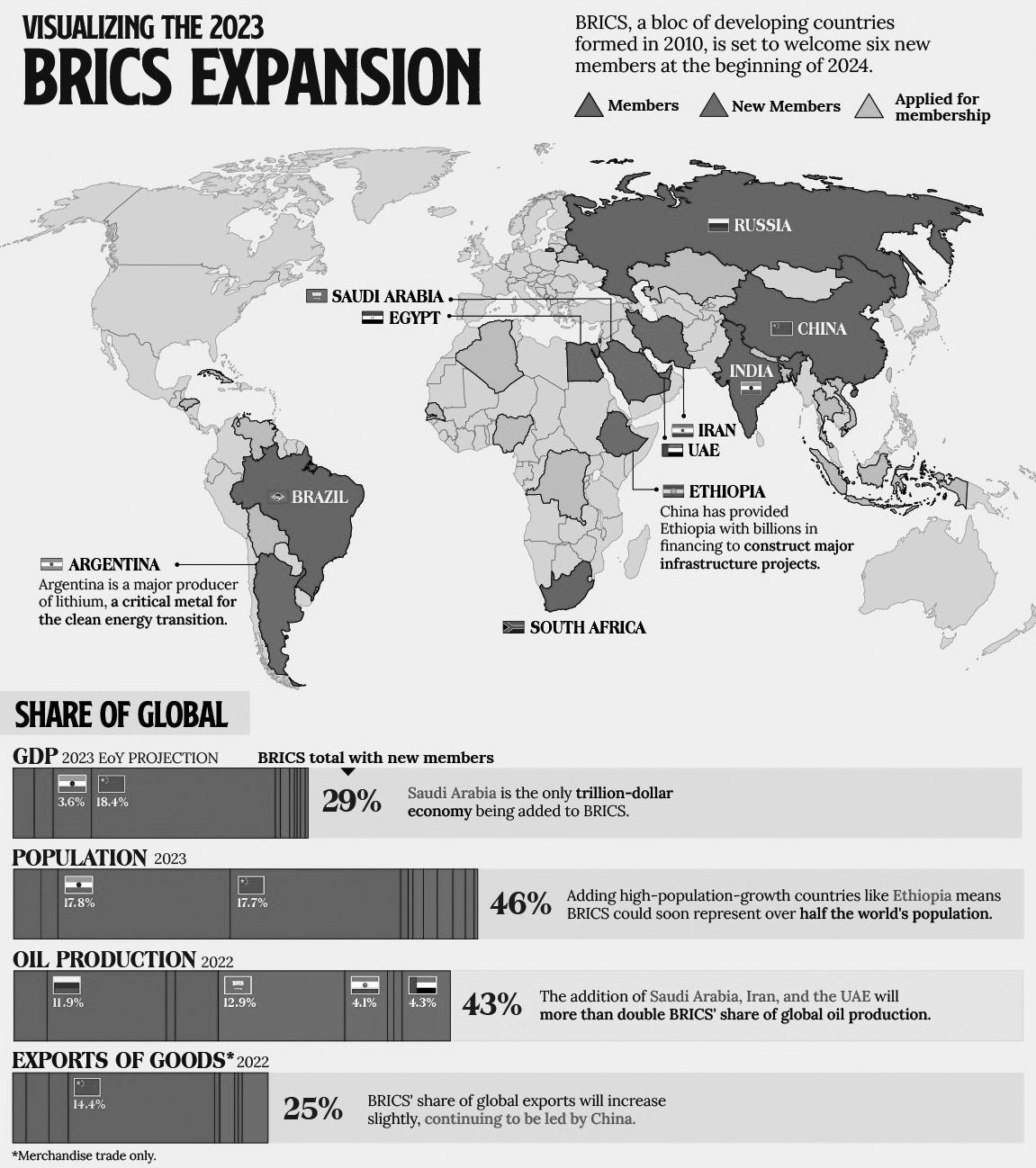
Bilateral relations among BRICS nations have mainly been conducted on the basis of non-interference, equality, and mutual benefit.
BRICS developed New Development Bank (NDB) which will have capital of US$50 billion with each country contributing US$10 billion, while the monetary fund will have US$100 billion at its disposal.
since 2012, the BRICS group of countries have been planning an optical fibre submarine communications cable system to carry telecommunications between the BRICS countries, known as the BRICS Cable
COUNCIL OF EUROPE
The Council of Europe is an international organisation whose stated aim is to uphold human rights, democracy, and rule of law in Europe and promote European culture.
It has 46 member states and is distinct from the European Union (EU).
No country has ever joined the EU without first belonging to the Council of Europe.
Unlike the EU, the Council of Europe cannot make binding laws, but it does have the power to enforce select international agreements reached by European states on various topics.
The best-known body of the Council of Europe is the European Court of Human Rights, which enforces the European Convention on Human Rights.
The Council’s two statutory bodies are the Committee of Ministers, comprising the foreign ministers of each member state, and the Parliamentary Assembly, composed of members of the national parliaments of each member state.
The Commissioner for Human Rights is an independent institution within the Council of Europe, mandated to promote awareness of and respect for human rights in the member states.The headquarters of the Council of Europe are in Strasbourg, France.
The Committee of Ministers, the Parliamentary Assembly and the Congress also use German, Italian, Russian, and Turkish for some of their work.
Turkey is also a member.
The aim of the Council of Europe is to achieve a greater unity between its members by safeguarding and realising the ideals and principles which are their common heritage and facilitating their economic and social progress.
Council of Europe conventions/treaties are also open for signature to non-member states, thus facilitating equal co-operation with countries outside Europe.
Nearly all European states have acceded to the Council of Europe, with the exceptions of Belarus (human rights concerns), Kazakhstan (human rights concerns), and the Vatican City (a theocracy), as well as some of the territories with limited recognition.
G7 (1975)
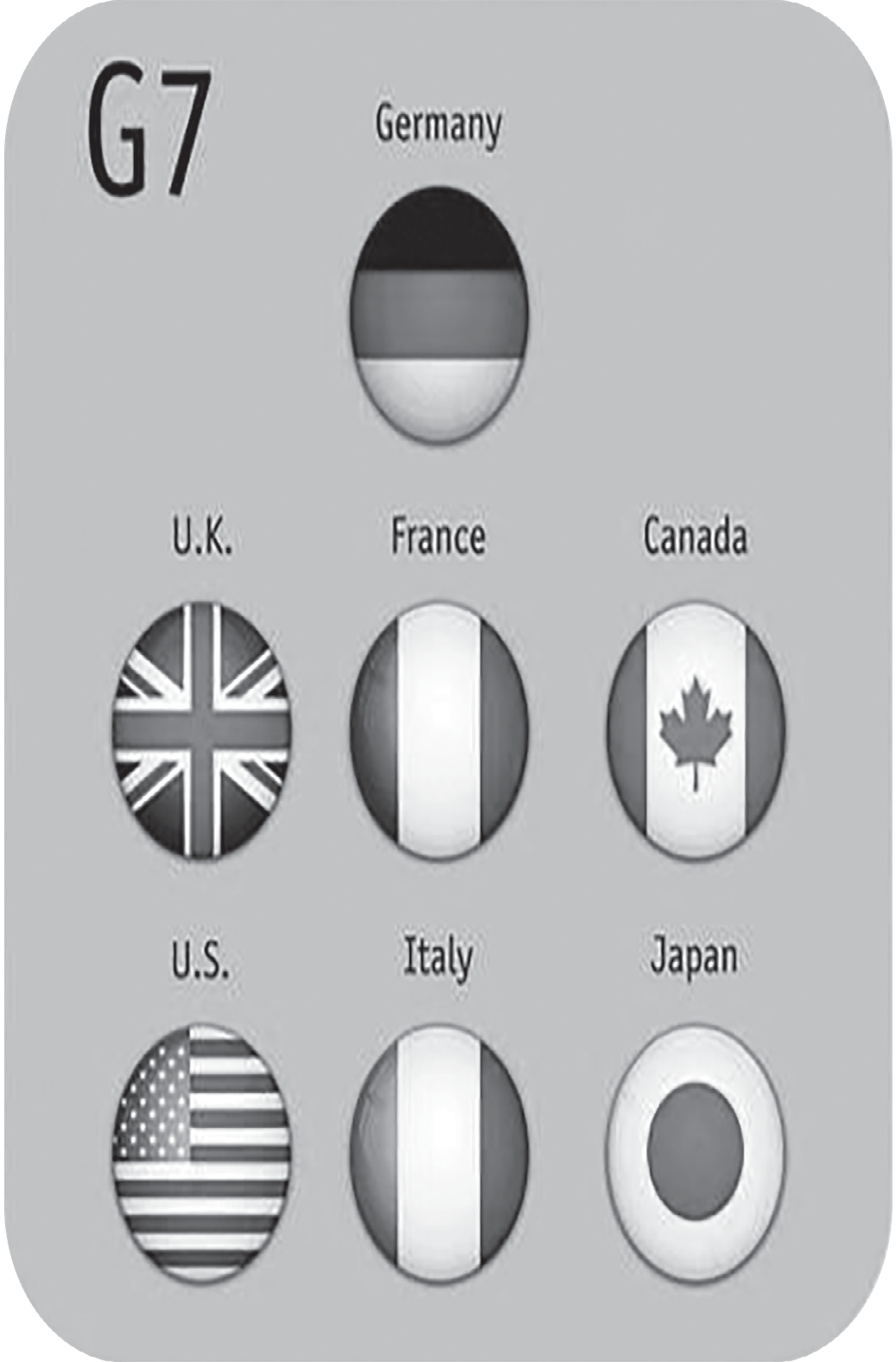
G7 is a group consisting of Canada, France, Germany, Italy, Japan, the United Kingdom, and the United States.The European Union is also represented within the G7.
These countries are the seven major advanced economies as reported by the International Monetary Fund.
Formally called G8 with Russia in it, but due to Crimean crisis Russia was ejected from the group.
The organization was founded to facilitate shared macroeconomic initiatives by its members in response to the collapse of the exchange rate 1971, during the time of the Nixon Shock, the 1970s energy crisis and the ensuing recession.
The group meets annually on summit site to discuss economic policies, while the G7 finance ministers have met at least semi-annually, up to 4 times a year at stand- alone meetings.
G7’s infrastructure investment plan to counter China’s Belt and Road Initiative:
The G7 countries have officially launched the for Global Infrastructure and Investment (PGII), a joint initiative to fund infrastructure projects in developing countries. The project is being seen as the bloc’s counter to China’s ‘Belt and Road Initiative.
What is G7’s PGII?
The infrastructure plan was first announced in June 2021. Back then, US President Joe Biden had called it the Build Back Better World (B3W) framework. Next year, the initiative was formally launched as Partnership for Global Infrastructure and Investment (PGII).
According to G7, the initiative is meant to be transparent, focused on building climate change-resilient infrastructure, and help in achieving objectives of gender equality and health infrastructure development.
At the centre of PGII is a different approach to financing infrastructure projects: using limited government funding to catalyse greater volumes of private capital (pension funds, private equity funds and insurance funds, among others).
The initiative will be funding projects in four major categories:
Clean energy
Health systems
Gender equality
Information and communications technology.
G20 (1999)
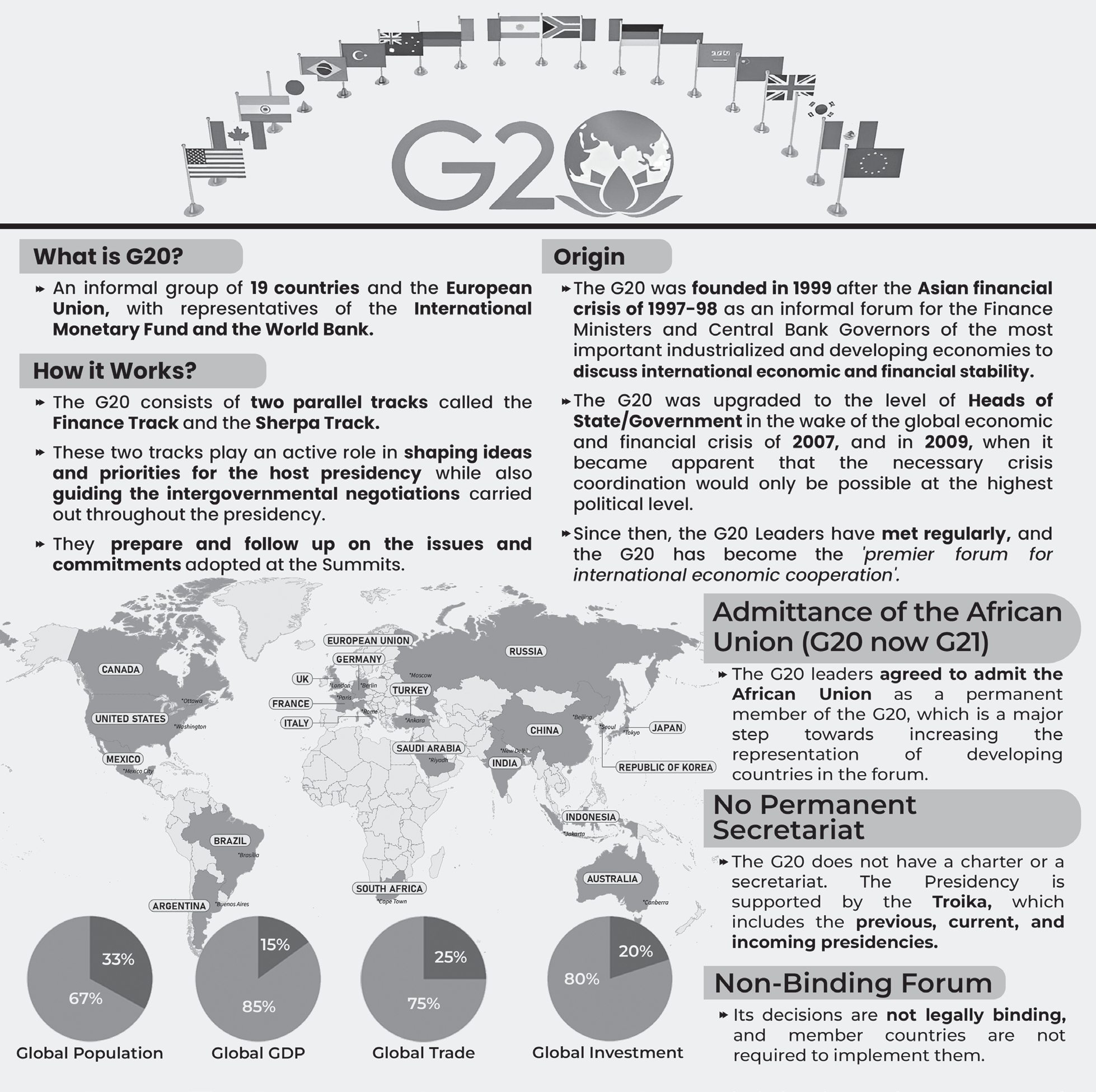
G20 is an international forum for the governments and central bank governors from 20 major economies.
Members are Canada, France, Germany, Italy, Japan, United Kingdom, United States, Russia, Australia, Canada, Saudi Arabia, India, South Africa, Turkey, Argentina, Brazil, Mexico, China and Indonesia.
It was founded with the aim of studying, reviewing, and promoting high level discussion of policy issues pertaining to the promotion of international financial stability.
It seeks to address issues that go beyond the responsibilities of any one organization.
The G20 heads of government or heads of state have annually met at summits, and the group also hostsseparate meetings of finance ministers and central bank governors.
G8 nation leaders said that G20 would replace the G8 as the main economic council of wealthy nations.
Though the G20’s primary focus is global economic governance, the themes of its summits vary from year to year.
The G20 operates without a permanent secretariat or staff.
In addition to these 20 members, the chief executive officers of several other international forums and institutions participate in meetings of the G20.
These include the managing director and Chairman of the International Monetary Fund, the President of the
World Bank, the International Monetary and Financial Committee and the Chairman of the Development Assistance Committee.
Singapore formed the Global Governance Group (3G), an informal grouping of 28 non-G20 countries (including several microstates and many Third World countries) with the aim of collectively channelling their views into the G20 process more effectively.
IBSA
The IBSA Dialogue Forum is an international tripartite grouping for promoting international cooperation among India, Brazil, and South Africa.
The forum helps to engage in discussions for cooperation in the field of agriculture, trade, culture, and defence among others.
It also aims at increasing the trade opportunities among the three countries, as well as facilitates the trilateral exchange of information, technologies and skills to complement each other strengths.
Subsequently, it promotes the international poverty alleviation and social development with main focus being on equitable development.
The IBSA Dialogue forum was formalized through the adoption of the “Brasilia Declaration”.
The IBSA Dialogue forum facilitates regular consultations at senior official level, government (summit) levels as well as amongst academics, intellectuals and other members of the civil society.IBSA asked for reforms in the United Nations, especially the Security Council.
INDIAN OCEAN RIM ASSOCIATION (IORA) (1997)
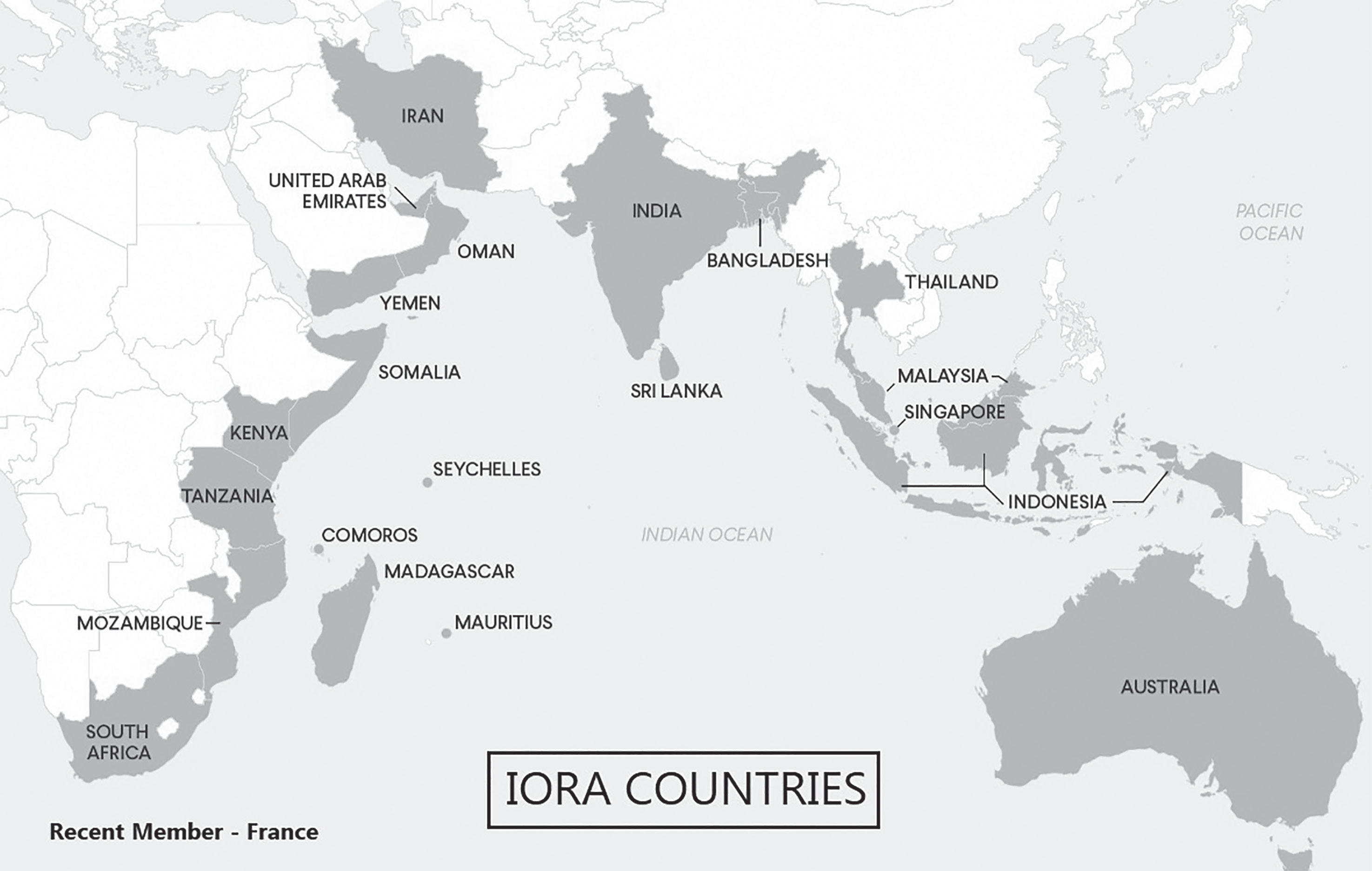
The Indian Ocean Rim Association (IORA) is an international organization comprising coastal states bordering the Indian Ocean.
IORA serves as a regional platform, tripartite in nature that brings together government representatives, business leaders, and academic experts to foster cooperation and closer collaboration across these sectors.
The organization operates based on the principles of open regionalism, aiming to strengthen economic cooperation, particularly in trade facilitation, investment promotion, and social development within the region.
The IORA Coordinating Secretariat is located in Ebene, Mauritius.
The highest governing body is the Council of (Foreign) Ministers (COM).
IORA includes 21 member states and 7 dialogue partners, while the Indian Ocean Tourism Organisation and the Indian Ocean Research Group hold observer status.
In 2015, IORA was granted observer status at the UN General Assembly and the African Union.
Member states include: Australia, Bangladesh, Comoros, India, Indonesia, Iran, Kenya, Madagascar, Malaysia, Mauritius, Mozambique, Oman, Seychelles, Singapore, Somalia, South Africa, Sri Lanka, Tanzania, Thailand, UAE, and Yemen.
(MERCOSUR (THE SOUTHERN COMMON MARKET)
• Argentina, Brazil, Paraguay, Uruguay and Venezuela (which was suspended on December 2016) are its full members.
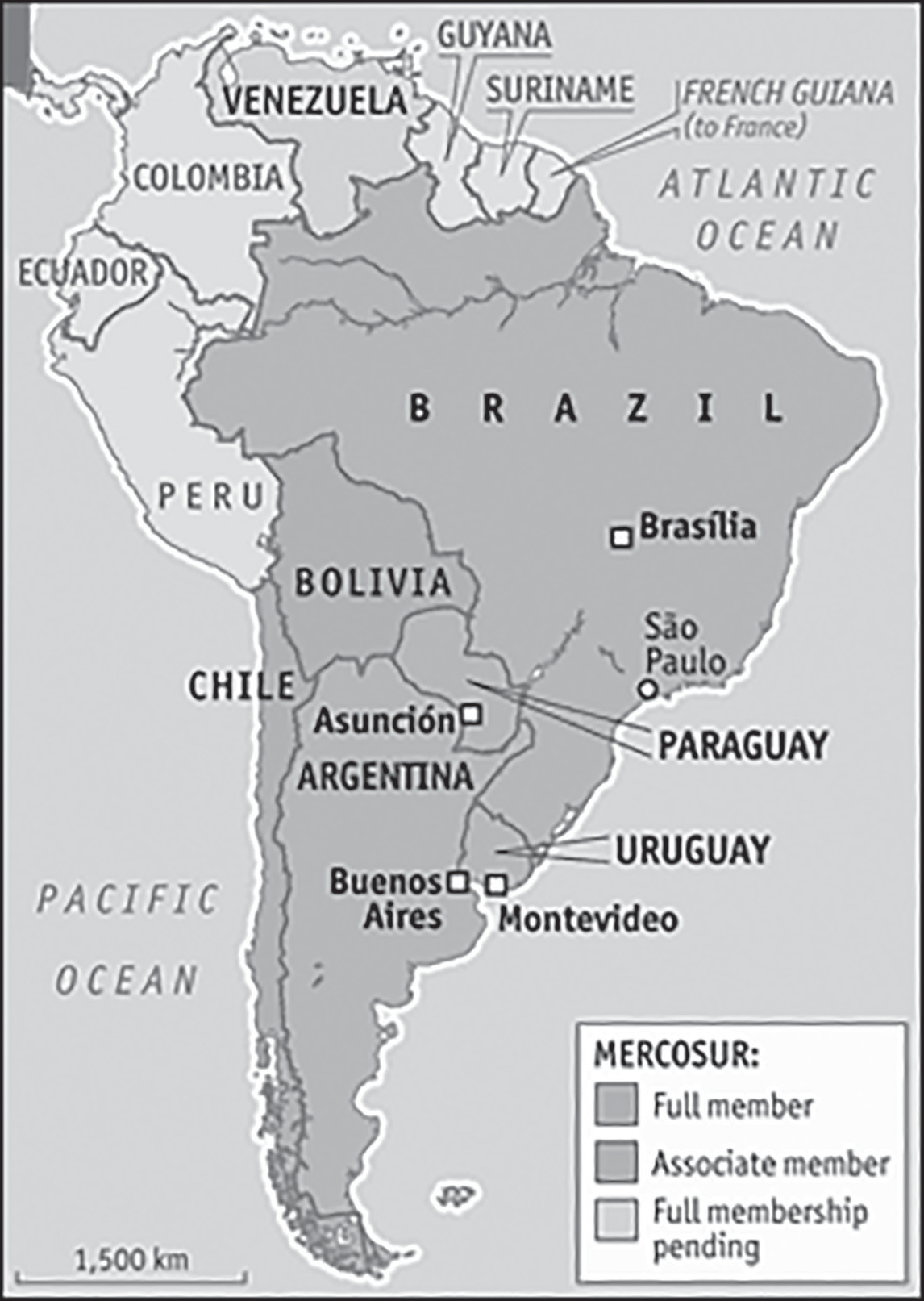
• It is sub regional bloc.
• Bolivia, Chile, Peru, Colombia, Ecuador and Suriname are its associate members.
Observer countries are New Zealand and Mexico.Its purpose is to promote free trade and the fluid movement of goods, people, and currency.
It is now a full customs union and a trading bloc.
NORTH AMERICAN FREE TRADE AGREEMENT (NAFTA)
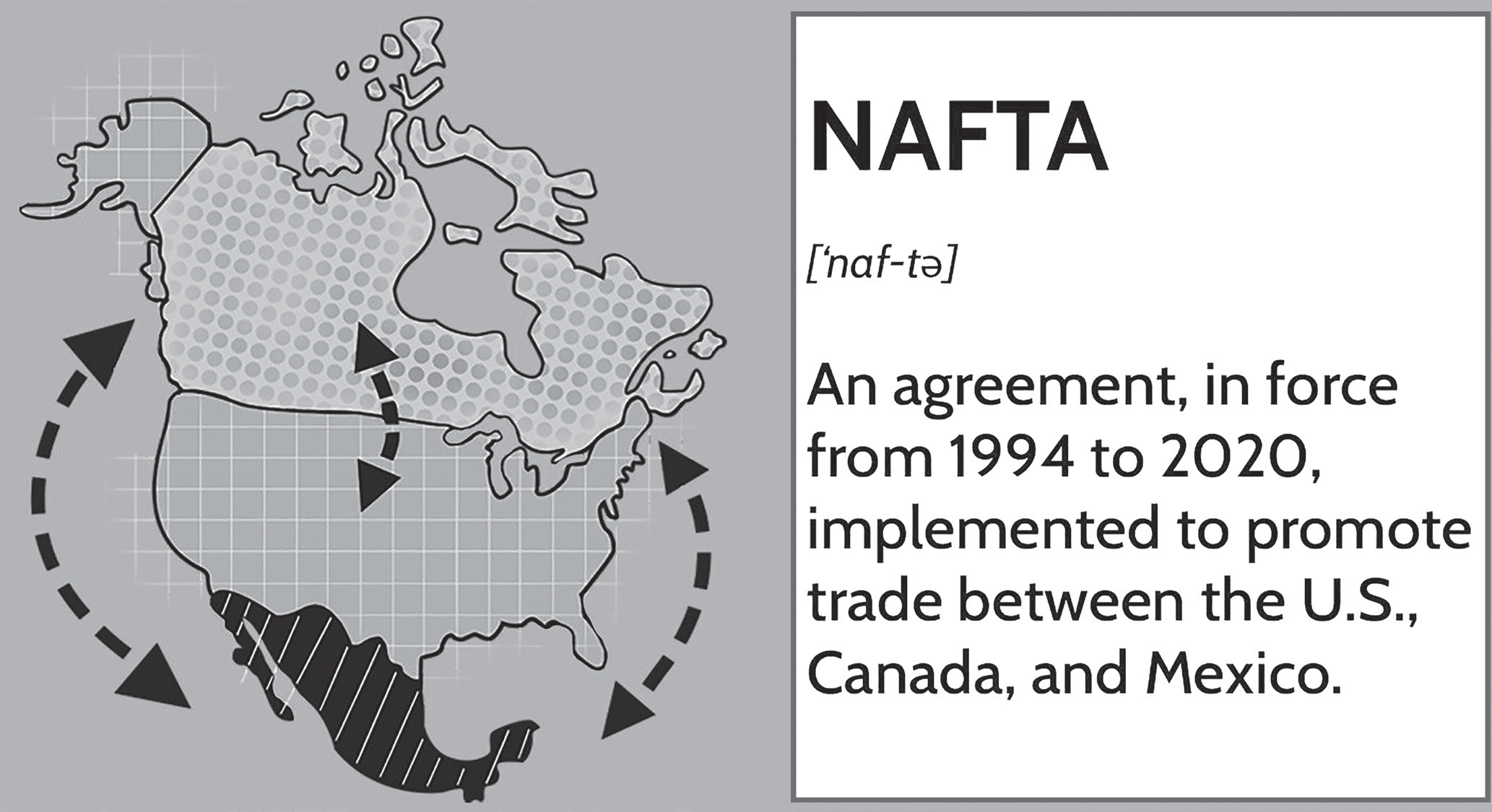
The North American Free Trade Agreement (NAFTA) is an agreement signed by Canada, Mexico, and the United States, creating a trilateral trade bloc in North America.
The goal of NAFTA was to eliminate barriers to trade and investment between the US, Canada and Mexico.
NAFTA also sought to eliminate non-tariff trade barriers and to protect the intellectual property rights on traded products.
NAFTA established the CANAMEX Corridor for road transport between Canada and Mexico, also proposed for use by rail, pipeline and fibre optic telecommunications infrastructure.
This became a High Priority Corridor under the US Intermodal Surface Transportation Efficiency Act of 1991.
If the Trans-Pacific Partnership comes into effect, existing agreements like NAFTA will be reduced to those provisions that do not conflict with the TPP or that require greater trade liberalization than the TPP.
NORTH ATLANTIC TREATY ORGANIZATION (NATO) (1949)
NATO is an intergovernmental military alliance between several North American and European states.
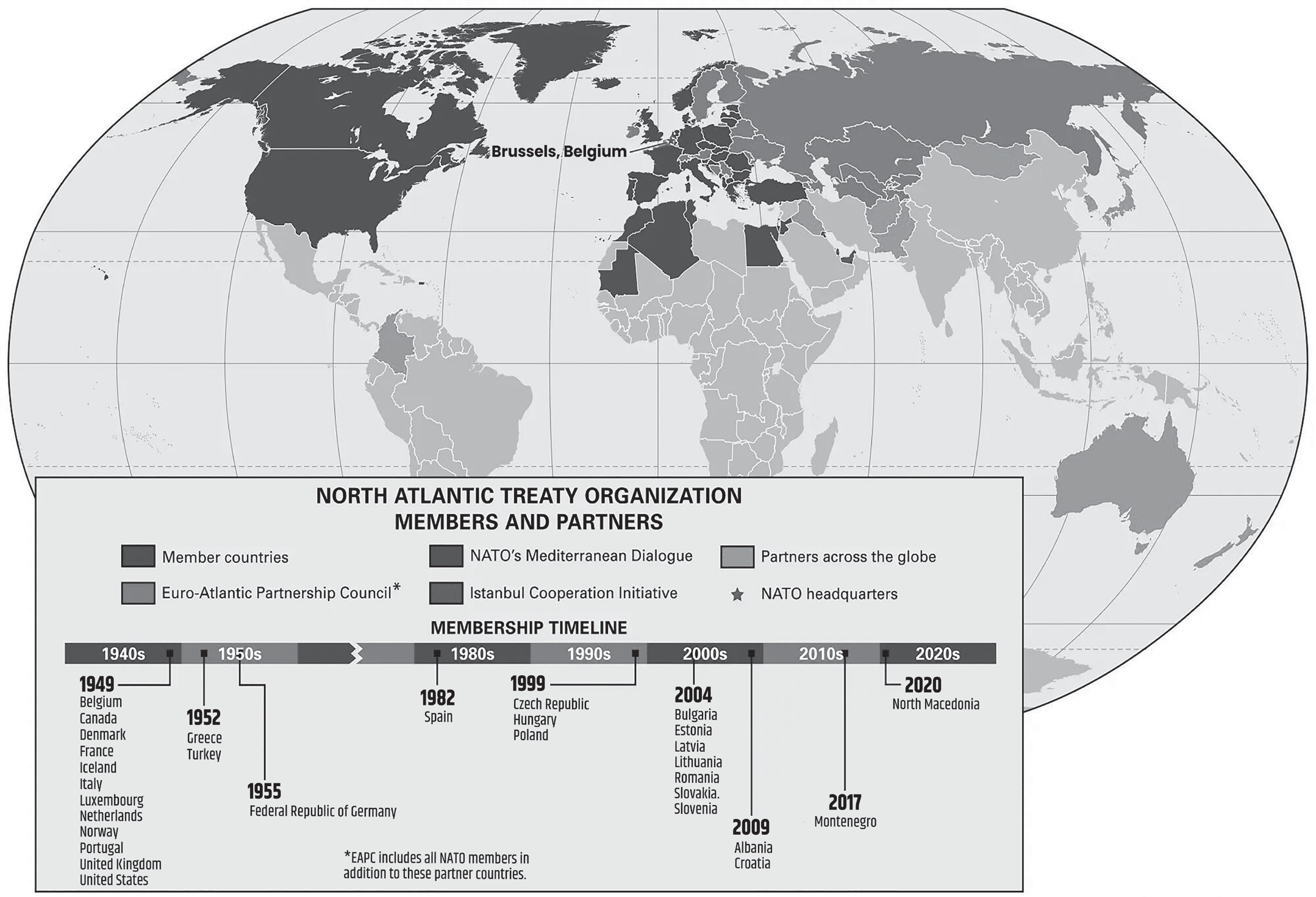
The organization constitutes a system of collective defence whereby its member states agree to mutual defence in response to an attack by any external party.
NATO’s headquarters are located in Haren, Brussels, Belgium, while the headquarters of Allied Command Operations is near Mons.
NATO has 31 member countries. The original founding nations were Belgium, Canada, Denmark, France, Iceland, Italy, Luxembourg, Netherlands, Norway, Portugal, the United Kingdom and the United States.
Over the years, more countries have joined: Greece, Turkey, Germany, Spain, Czech Republic, Hungary, Poland, Bulgaria, Estonia, Latvia, Lithuania, Romania, Slovakia, Slovenia, Albania, Croatia, Montenegro and North Macedonia.
Finland joined in April 2023 and Sweden joined NATO in March 2024 and became the 32nd member to join the group.
ORGANISATION OF THE PETROLEUM EXPORTING COUNTRIES (OPEC) (1960)
• OPEC is an intergovernmental organization of 12 nations with headquarters in Vienna.
• Angola, Ecuador and Qatar are no longer members of OPEC grouping.
• The 12 countries accounted for an estimated 42% of global oil production and 73% of the world’s “proven” oil reserves.
• OPEC’s stated mission is to coordinate and unify the petroleum policies of its member countries and ensure the stabilization of oil markets, in order to have regular supply of petroleum to consumers, a steady income to producers, and a fair return on capital for those investing in the petroleum industry.
Two-thirds of OPEC’s oil production and reserves are in its six Middle Eastern countries that surround the oil rich Persian Gulf.
Gabon recently rejoined OPEC.
The OPEC Conference ordinarily meets at least twice a year and in additional extraordinary sessions when necessary.
OPEC collaborated with five other international organizations (APEC, Eurostat, IEA, OLADE (es), UNSD) to improve the availability and reliability of oil data.
They launched the Joint Oil Data Exercise, which in 2005 was joined by IEF and renamed the Joint Organisations Data Initiative (JODI), covering more than 90 percent of the global oil market.
GECF joined as an eighth partner in 2014, enabling JODI also to cover nearly 90 percent of the global market for natural gas.
Since 2007, OPEC has published the “World Oil Outlook” (WOO) annually, in which it presents a comprehensive analysis of the global oil industry including medium- and long-term projections for supply and demand
SHANGHAI COOPERATION ORGANISATION (SCO) (2001)
The Shanghai Cooperation Organization (SCO) is a political, economic, and military alliance in Eurasia, founded by the leaders of China, Kazakhstan, Kyrgyzstan, Russia, Tajikistan, and Uzbekistan.
At a summit in Tashkent, the SCO made the decision to admit India and Pakistan as full members, marking the beginning of their formal inclusion in the organization.
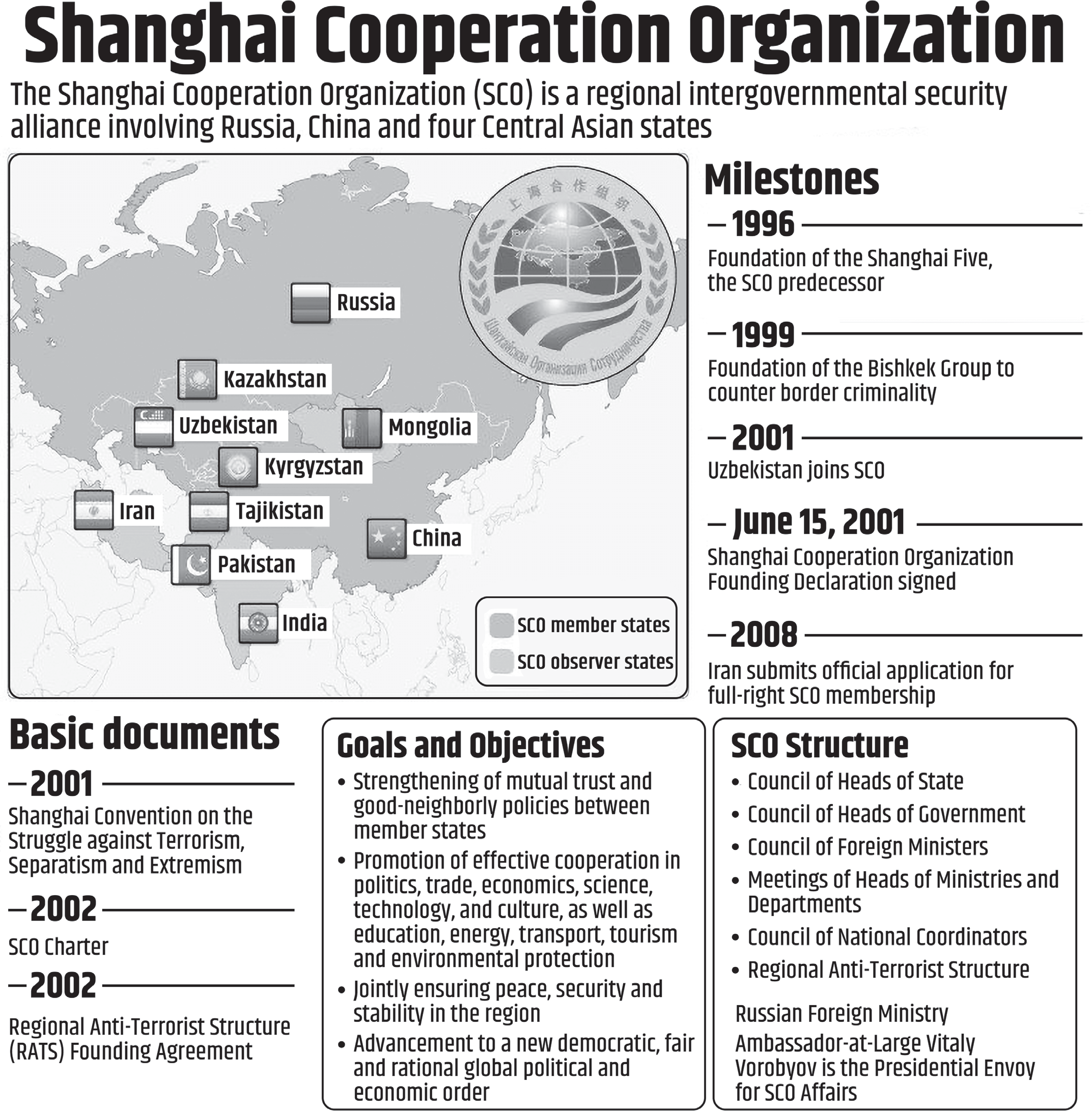
The official working languages of the Shanghai Cooperation Organisation are Mandarin and Russian.
Observer status is given given to As of 2024, only Afghanistan and Mongolia have Observer Status
Members agreed to “oppose intervention in other countries’ internal affairs on the pretexts of ‘humanitarianism’ and ‘protecting human rights;’ and support the efforts of one another in safeguarding the five countries’ national independence, sovereignty, territorial integrity, and social stability.
With observer states included, its affiliates account for about half of the world’s population.
The Council of Heads of State is the top decision-making body in the SCO.
The Regional Anti-Terrorist Structure (RATS), headquartered in Tashkent, Uzbekistan, is a permanent organ of the SCO which serves to promote cooperation of member states against terrorism, separatism and extremism.
All SCO members but China are also members of the Eurasian Economic Community.
The original purpose of the SCO was to serve as a counterbalance to NATO and in particular to avoid conflicts that would allow the United States to intervene in areas bordering both Russia and China.
India to hold SCO Presidency till September 2023:
The leaders of the Shanghai Cooperation Organization (SCO) Member States signed the Samarkand Declaration in the meeting of the Council of Heads of State in the city of Samarkand, Uzbekistan. In the declaration, it is stated that the presidency of the SCO for the forthcoming period passes to India. The next meeting of the SCO Council of Heads of State will be held in 2023 in India.
During the recent meet Varanasi, was declared as the SCO Tourism and Cultural Capital for 2022- 2023 to promote the rich heritage and the tourism potential of SCO member states.
Relevance of SCO for India:
The SCO is a part of India’s multi-alignment strategy. India’s traditional policy of strategic distancing during the NAM years has paved the way for the policy of strategic engagement with preeminent powers in the world.
From New Delhi’s perspective, the SCO is an essential forum for the following reasons:
It provides a convenient platform to connect and engage collectively with the Central Asian states. It recognises India’s role beyond South Asia and thus surpasses the physical and psychological barrier created by Pakistan.
India can pursue its connectivity and developmental projects in Eurasia.
It can play an active role in Afghanistan and it can also raise the issue of radicalism and extremism emanating from the region.
Central Asian Region is rich in iron ore, coal, oil, gas, uranium etc.. Frequent meetings of leaders and the India- Central Asia Business Council under the SCO would give a fillip to economic cooperation.
Challenges for India in the SCO:
• The dominant position of China: Barring India, the Belt and Road Initiative (BRI) of China has been endorsed by all the members. China’s belligerent approach and border disputes with India further complicate India’s position in the SCO.
• India-Pakistan Rivalry and China-Pakistan Nexus: China is Pakistan’s ‘all-weather friend’ and supports Pakistan to maintain the balance of power in South Asia.
• Growing strategic proximity between Russia and China: Amid the Ukraine conflict, Russia may continue to seek a closer partnership with China in the face of increasing hostilities between Russia and the West.
• Differences over the definition of terrorism: India’s definition of terrorism is different from the definition of SCO under RATS. E.g.: For SCO, terrorism coincides with regime destabilization whereas for India it is related to state-sponsored cross-border terrorism.
• Security concerns: The emergence of Taliban forces in Afghanistan, the rise in the activities of extreme fundamentalist religious groups, and the growing influence of terrorist organizations like ISIS, and Al- Qaeda Lashkar-e-Taiba is the major and common concerns among SCO member countries.
• Lack of a unified approach for dealing with the Taliban: The trust deficits and divergences within the SCO has resulted in most member countries using bilateral channels to establish ties with the Taliban for geostrategic, geoeconomic and individual security guarantees.
SOUTH ASIA SUB-REGIONAL ECONOMIC COOPERATION (SASEC)
SASEC program of Asian Development Bank brings together Bangladesh, Bhutan, India, Maldives, Myanmar, Nepal, and Sri Lanka in a project-based partnership that aims to promote regional prosperity, improve economic opportunities, and build a better quality of life for the people of the subregion.It seeks to strengthen multimodal cross-border transport networks that boost intraregional trade and open up trade opportunities with East and Southeast Asia.
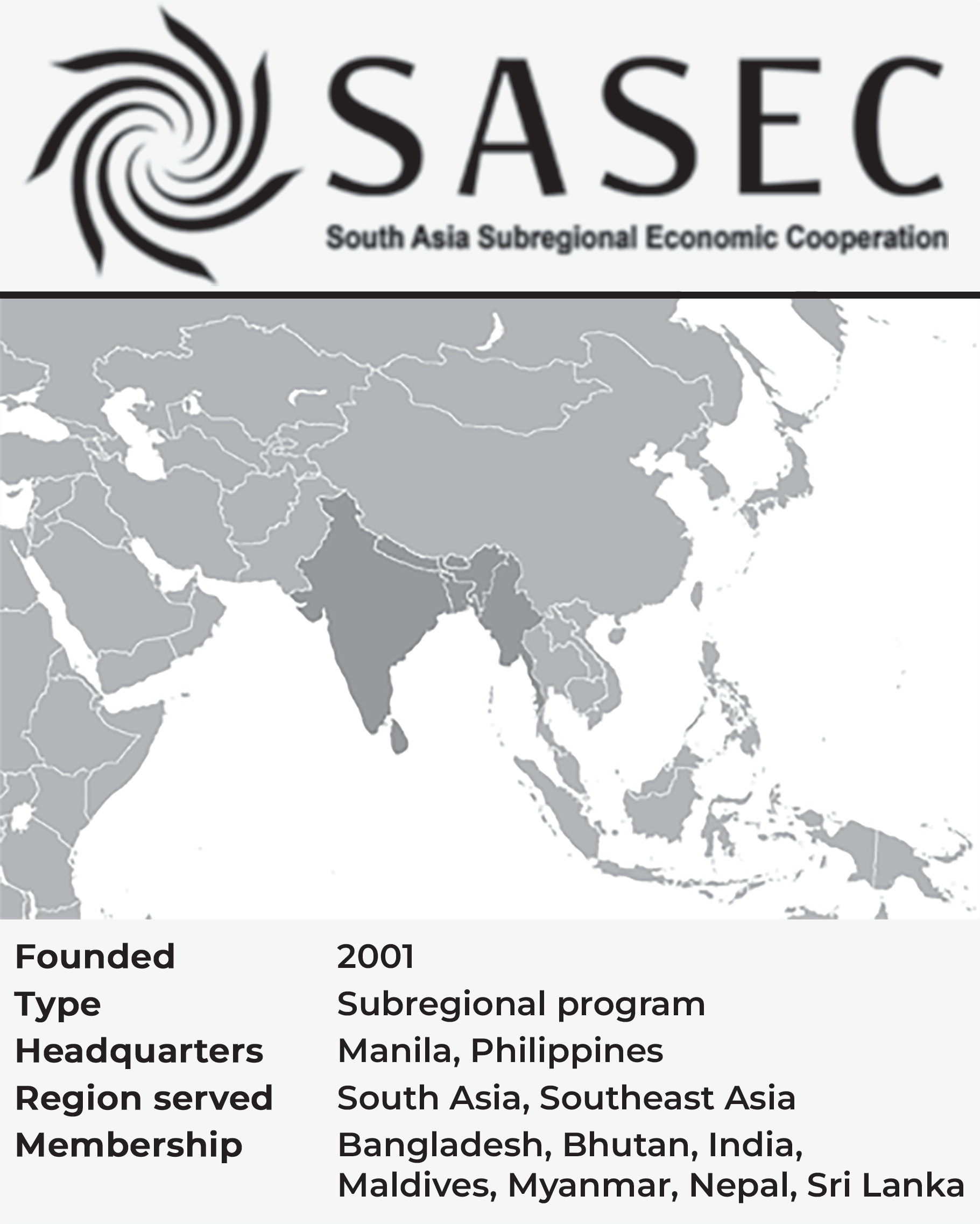
The program helps build modern and effective customs administration that speeds up the time and reduces the costs of moving goods, vehicles, and people across borders.
SASEC also assists member countries in improving energy security by developing infrastructure and promoting intraregional power trade to reduce costs and import dependence.
SOUTH ASIAN ASSOCIATION FOR REGIONAL COOPERATION (SAARC) (1985)
• It is the regional intergovernmental organization and geopolitical union of nations in South Asia.
• Afghanistan, Bangladesh, Bhutan, India, Nepal, the Maldives, Pakistan and Sri Lanka are its members.
• Its secretariat is based in Kathmandu, Nepal.
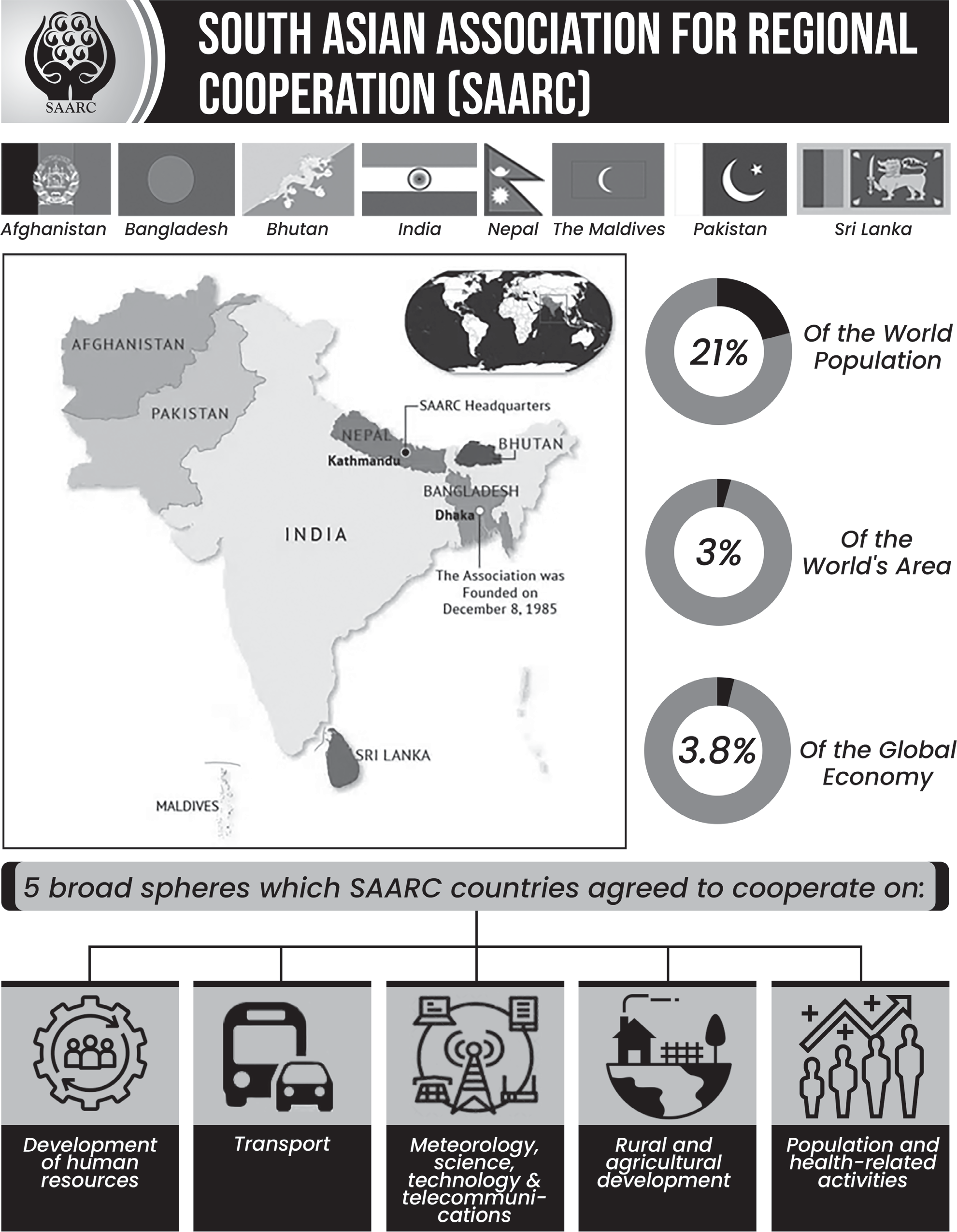
• The organization promotes development of economic and regional integration.
• It launched the South Asian Free Trade Area (SAFTA) in 2006.
SAFTA was envisaged primarily as the first step towards the transition to a South Asian Free Trade Area (SAFTA) leading subsequently towards a Customs Union, Common Market and the Economic Union. SAARC maintains permanent diplomatic relations at the United Nations as an observer and has developed links with multilateral entities, including the European Union.
States with observer status include Australia, China, European Union, Iran, Japan, Mauritius, Myanmar, South Korea and United States.
SOUTHERN AFRICAN DEVELOPMENT COMMUNITY (SADC)
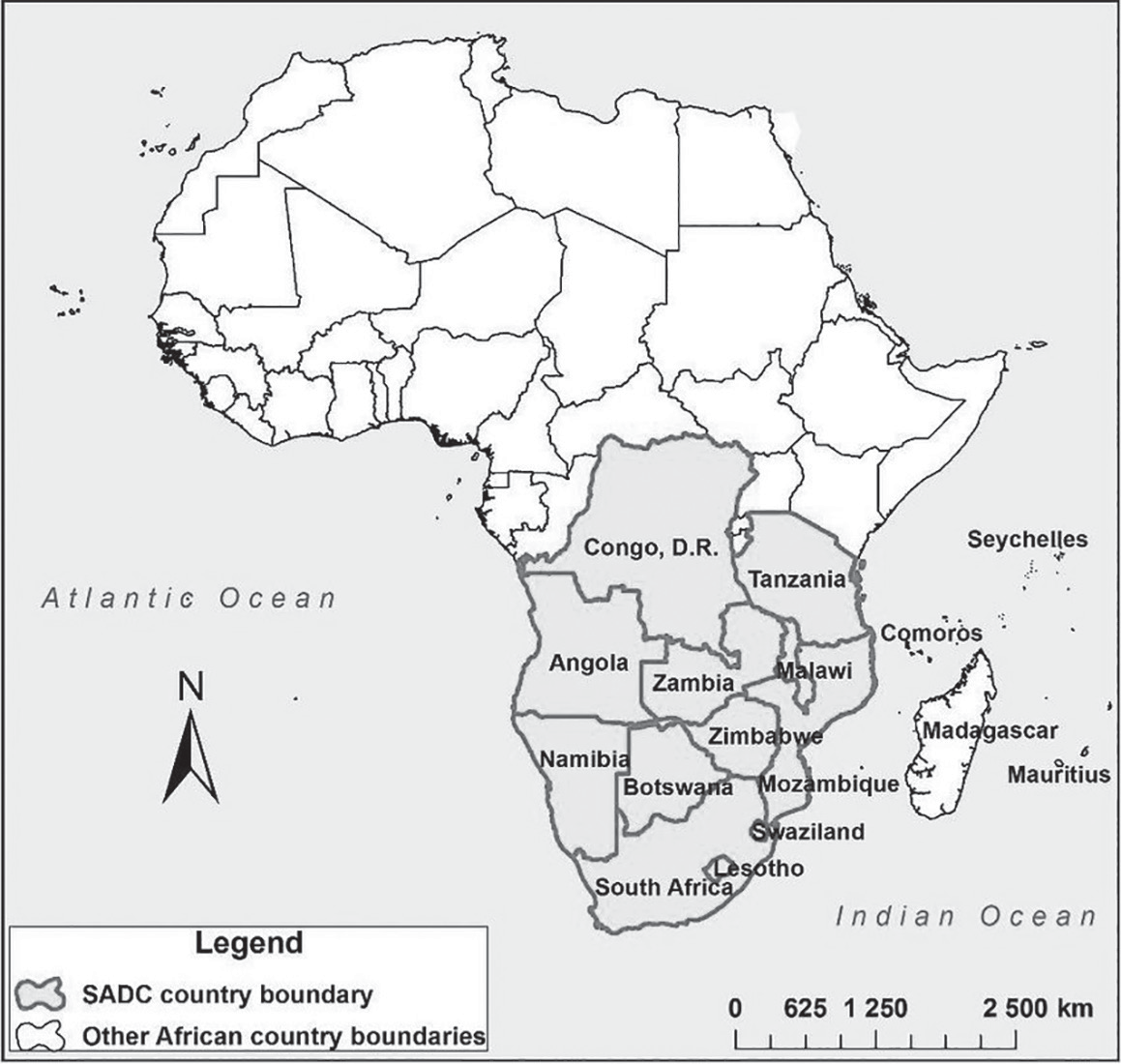
SADC is an inter-governmental organization with a goal to further socio-economic cooperation and integration as well as political and security cooperation among 15 Southern African states.
They are Angola, Botswana, Democratic Republic of Congo, Lesotho, Malawi, Mauritius Mozambique, Namibia, Seychelles, South Africa, Swaziland, Tanzania, Zambia, Zimbabwe and Madagascar (currently suspended after the coup) and is headquartered in Gaborone, Botswana.
The formation of SADC was the culmination of a long process of consultations by the leaders of Southern Africa with the broader objective of pursuing economic and social development in the region.
The organization has eight principal bodies - The Summit, comprising heads of states or heads of government, Organ on Politics, Defense and Security, Council of Ministers, Tribunal, SADC National Committees (SNCs), Secretariat.
Except for the Tribunal, SNCs and Secretariat, decision making is by consensus. SADC summit is the supreme policy making institutions.
As a follow up to the MOU signed in 1997, the First India SADC Forum meeting was held in Windhoek in 2006.