Whatsapp 88106-52225 For Details
Get Free IAS Booklet
Get Free IAS Booklet
DEOXYRIBONUCLEIC ACID (DNA): A DETAILED LOOK
DNA has information to code for certain proteins needed for the body. This information from the DNA is first converted into RNA through the process called transcription and then finally into protein or enzymes through the process called translation.
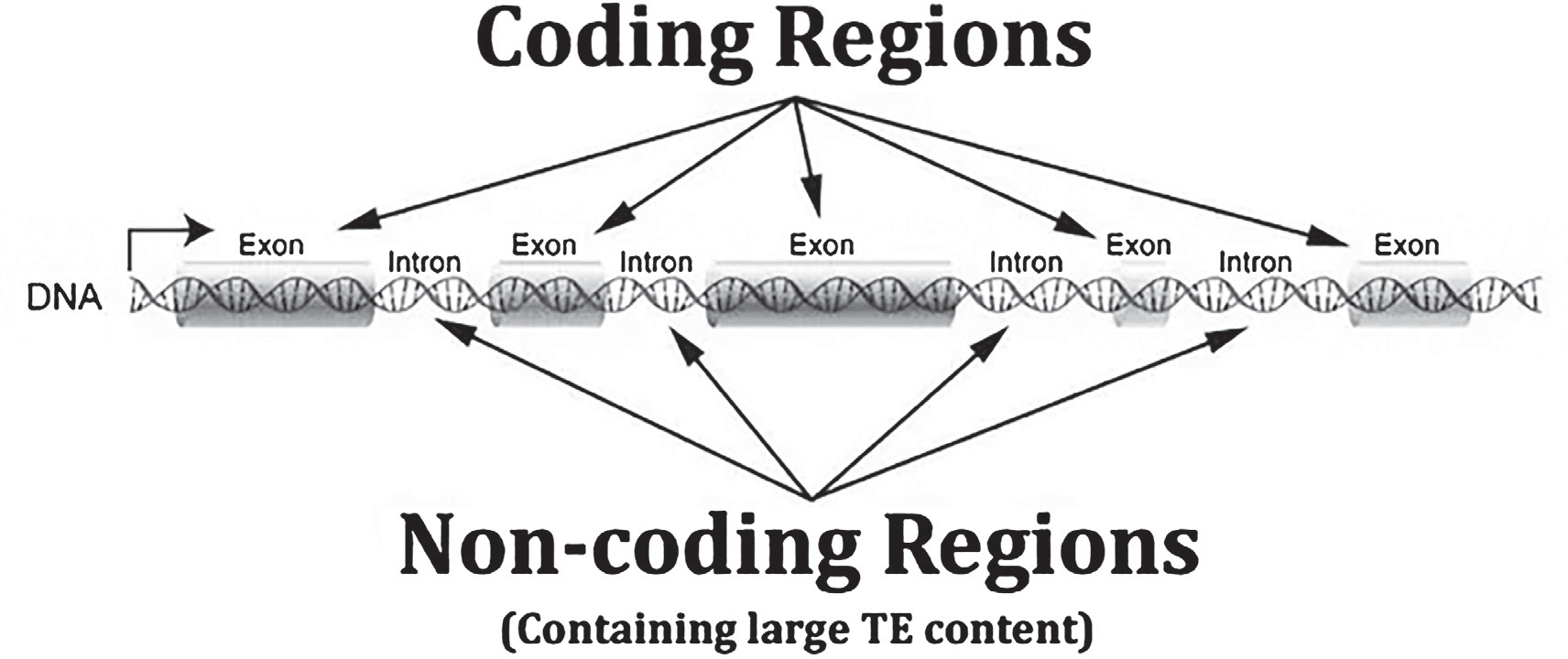
The DNA molecule is very long and has to store a lot of information. In fact, the DNA can be divided into Coding and Non- Coding Regions. Coding regions, means those parts or regions of the DNA which code for proteins. Whereas, the non-coding regions are those which do not code for any proteins.
The part of the DNA that codes for a protein is also called as gene. It is the DNA in these genes that codes for proteins. The famous double-helix structure of DNA was determined in 1953 by scientists James Watson, Francis Crick, Maurice Wilkins, and Rosalind Franklin.
Why is there non-coding region in the DNA?
The non-coding region of the DNA provides the stability to the DNA molecule. In addition, some of the non-coding part of the DNA provides some functional role such as regulation of gene expression, while other areas of non-coding region have no known functions.
Consider a DNA Molecule as shown above. The circles represent the gene or the coding parts. While the other normal DNA is the non-coding part of the DNA.
The non-Coding part of the DNA will have more differences than the gene or the coding region of the DNA. The coding part of the DNA (genes) will have very slight differences between different people. The Non-Coding part, since it is not as important has way more differences among different individuals. This finds application in identifying people through DNA fingerprinting works. Since lots of differences between different individuals is stored in the non-Coding region of the DNA, this region can also be used to effectively and uniquely identify individuals.
Ribonucleic acid (RNA): Ribonucleic acid (RNA) is a molecule that is present in the majority of living organisms and viruses. It is made up of nucleotides, which are ribose sugars attached to nitrogenous bases and phosphate groups. The nitrogenous bases include adenine, guanine, uracil, and cytosine
Capping and Splicing
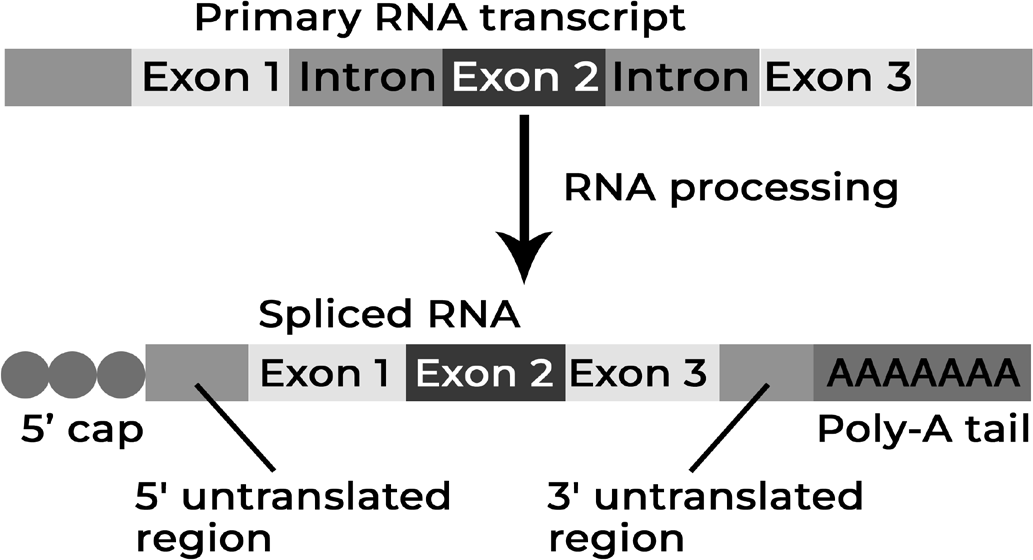
As per Central Dogma, RNA is needed for protein synthesis. RNA formation happens through the DNA by using only the Coding regions of the DNA molecule. As these are the regions which have the information required to code for proteins. The non-Coding part of the DNA is thus, rejected by the RNA. Because the RNA carries information which is only used for protein synthesis, this type of RNA is called as mRNA or messenger RNA.
This happens through Capping and Splicing. This picture below shows the process of transcription in detail.
Three main types of RNA are involved in protein synthesis. They are messenger RNA (mRNA), transfer RNA (tRNA), and ribosomal RNA (rRNA). rRNA forms ribosomes, which are essential in protein synthesis.
Genome and Genes
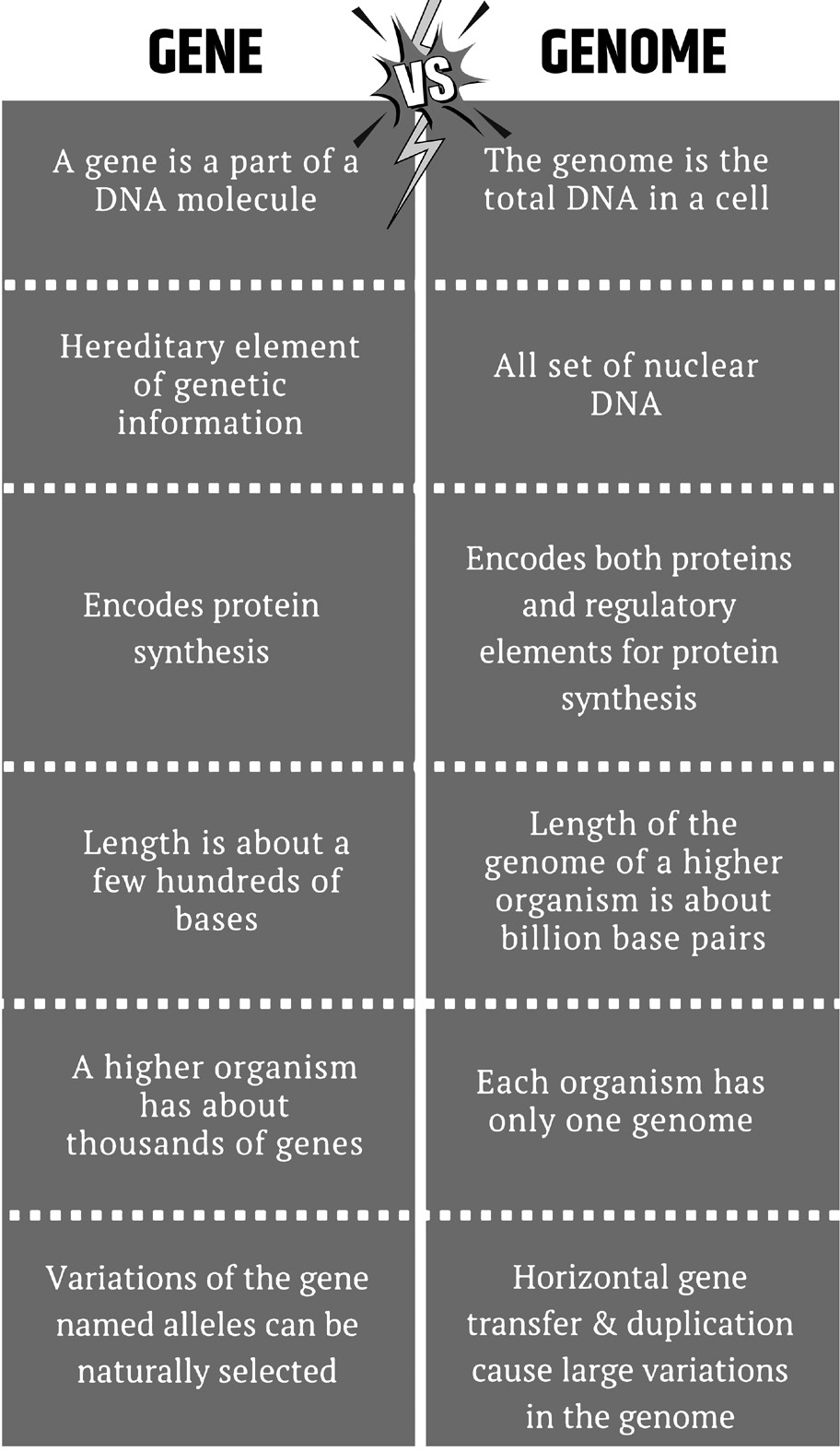
The genome is the complete set of DNA instructions present in a cell. The human genome is made up of a tiny chromosome in the cell's mitochondria and 23 pairs of chromosomes that are found in the nucleus of the cell. A genome contains all of the information required for a person to develop and function.
Gene: A gene is a unit of DNA that contains the instructions for making a specific protein or set of proteins.
Genome and Genes
Genome is the complete DNA molecule. It includes both the Coding and non-Coding part of the DNA.
Genes are only the Coding part of the DNA. Gene discoverd by Gregor Mendel.
Human Genome Project
The Human Genome Project was a 13-year project coordinated by the U.S. Department of Energy and the National Institute of Health between 1990 and 2003. Human genome is said to have approximately 3 x 10⁹ base pairs (bp), If the obtained bp sequences were to be stored in typed form in books, and if each page of the book contained 1000 letters and each book contained 1000 pages, then 3300 such books would be required to store the information of DNA sequence from a single human cell! The enormous amount of data expected to be generated also necessitated the use of high-speed computational devices for data storage and retrieval, and analysis. HGP was closely associated with the rapid development of a new area in biology called Bioinformatics.
Goals of HGP
Identify all the approximately 20,000-25,000 genes in human DNA
Determine the sequences of the 3 billion chemical base pairs that make up human DNA
Store this information in databases
Improve tools for data analysis
Transfer related technologies to other sectors, such as industries
Address the ethical, legal, and social issues (ELSI) that may arise from the project.
Uses of HGP Data
Disease diagnosis: Identification of genes, rare diseases, neurodegenerative conditions
Viral Diseases and their impact because of HGP, we now have a reference to trace and study viral diseases
Study of Genetic Variations
Racism was scientifically debunked
Gene Therapy
Evolutionary Biology: Our relationship with primates
The Earth BioGenome Project (EBP), launched in 2018, aims to sequence, catalogue, and characterize the genomes of all eukaryotic biodiversity on Earth over a ten-year period. The project aims to create a digital library of all known DNA sequences, aiding in the development of tools for biodiversity loss prevention, ecosystem monitoring, and service improvement.
Mutations
A mutation is a change in the DNA sequence of an organism.
Mutations can result from errors in DNA replication during cell division, exposure to mutagens or a viral infection
Change in DNA = New genes = Can be beneficial or harmful
Happens in normal process of cellular repair
All living cells can mutate
Better Genes and how to get them?
Better genes will lead to production of better enzymes and proteins and ultimately better characteristics- taller, more fruit, insect resistance, etc in case of a plant.
Traditional Hybridisation
This was the method which was tried to get better genes in the earlier times. It suggested that 2 plants with desired characters should be bred together. The offspring would get half of its DNA from each plant and therefore, would have the desired characters. But this method had several flaws. There was no control over inclusion/exclusion of certain genes and also, there was no guarantee that the desired characteristics would be obtained from the offspring. For many years scientists were stuck at this problem.
Genetic Engineering
Gene + Engineering or Genetic Engineering means that genes are being worked at or edited to produce the desired characters. ‘Genes are being engineered’ means the Coding part of the DNA is being engineered. Bad/undesired parts of the DNA are being removed and good/desired characters are being added to it to produce the offspring.
Genetic Engineering is the artificial manipulation, modification, and recombination of DNA or other nucleic acid molecules in order to modify an organism or population of organisms. There are many techniques of Genetic Engineering:
BIOTECHNOLOGY
It deals with techniques of using live organisms or enzymes to produce products and processes useful for humans. In a restricted sense, to those processes which use genetically modified organisms to achieve the same on a larger scale. European Federation of Biotechnology (EFB) definition is as follows: The integration of natural science and organisms, cells, parts thereof, and molecular analogues for products and services.
Biotechnology spectrum of colors
The field of biotechnology is categorized into subdisciplines based on their common applications and uses
Red biotechnology - use of organisms to make new medicines and stem cells to build whole organs and repair damaged human tissue.
White or Gray biotechnology - includes industrial procedures like creating new chemicals or biofuels for automobiles.
Green biotechnology - includes agricultural processes, such as producing pest-resistant crops, disease-resistant animals and environmentally friendly agricultural practices.
Gold biotechnology - also known as bioinformatics, is a cross between biological processes and informatics. It refers to the methods healthcare workers use to gather, store and analyze biological data to treat patients.
Blue biotechnology - includes processes in marine and aquatic environments, such as converting aquatic biomass into fuels and pharmaceuticals.
Yellow biotechnology - includes processes that aid food production, the most popular application being the fermentation of alcohol and cheese.
Violet biotechnology - ensures the practice of biotechnology is in compliance with laws and ethical standards governing each field.
Dark biotechnology - use of biotechnology for weapons or warfare
Principles of Biotechnology
• Genetic Engineering: Techniques to alter the chemistry of genetic material (DNA and RNA), to introduce these into host organisms and thus change the phenotype (refers to observable traits of an organism for ex. Eye colour) of the host organism.
Bioprocess Engineering: Maintenance of sterile (microbial contamination-free) ambience in chemical engineering processes to enable growth of only the desired microbe/eukaryotic cell in large quantities for the manufacture of biotechnological products like antibiotics, vaccines, enzymes, etc
Recombinant DNA Technology
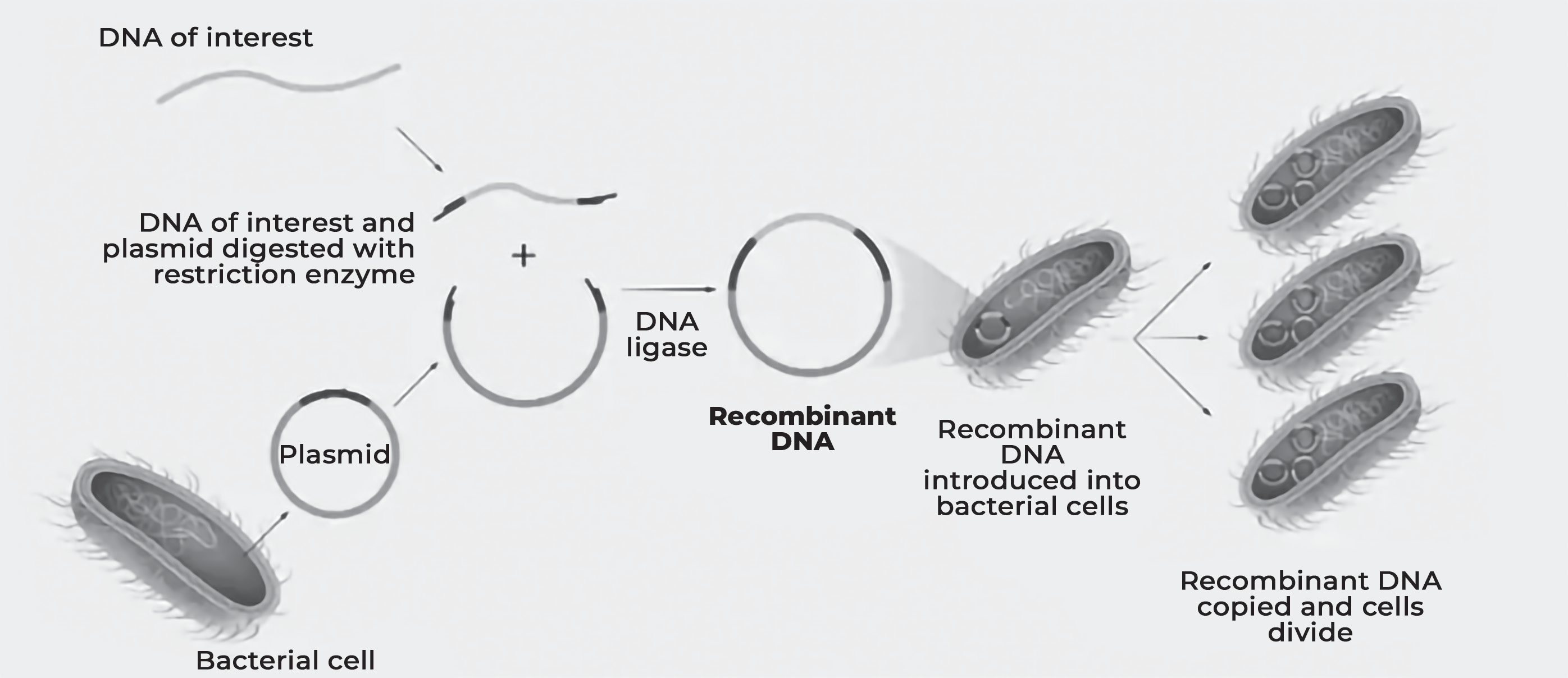
It means the joining of two pieces of DNA usually not found together. Combining DNA from different sources and even different species comes under this technique. Let’s look at its definition:
Recombinant DNA is a technology through which molecules of DNA from two different species are inserted into a host organism to produce new genetic combinations that are of value to science, medicine, agriculture, and industry.
• Continuity of DNA – Structure of DNA is the same regardless of the species. Only the information differs. The A, T, C, G bases of the DNA are present in all organisms. The number and information stored within DNA varies between the species and not the structure of DNA molecule A plasmid can be used as vector to deliver an alien piece of DNA into the host organism.
• The linking of antibiotic resistance gene with the plasmid vector became possible with the enzyme DNA ligase
• This makes a new combination of circular autonomously replicating DNA (plasmid) created in vitro and is known as recombinant DNA.
• It could replicate using the new host’s DNA polymerase enzyme and make multiple copies
What are Plasmids?
Plasmid is an autonomously replicating, circular, extra chromosomal DNA present in the cytoplasm of various bacteria and protozoa. They typically have a small number of genes- some of which are usually associated with antibiotic resistance and these genes can be passed from one cell to others. This makes their use by scientists in RDT technologies very productive. When the plasmid with an inserted DNA fragment through RDT replicates itself, it also makes the copies of the inserted gene thus resulting in the success of RDT methods.
This is done by the help of two enzymes:
To cut the DNA- Restriction Endonuclease
To join the cut (paste) DNA to the target- DNA Ligase
Cohen and Boyer Experiment
The first instance of the construction of an artificial recombinant DNA molecule was linking a gene encoding antibiotic resistance with a native plasmid (autonomously replicating circular extra-chromosomal DNA) of Salmonella typhimurium by Stanley Cohen and Herbert Boyer in 1972. Salmonella typhi had the gene for antibiotic resistance but E. Coli did not. Boyer and Cohen first identified the location of the gene which was providing antibiotic resistance to Salmonella typhi and cut it using restriction enzymes. They then pasted this gene which was providing the resistance into the removed plasmid of the E. Coli using DNA Ligase technology. As a result of their experiment, E. Coli also developed antibiotic resistance. This was the first time Recombinant DNA technology was used.

Tools of RDT
• Restriction enzymes belong to a larger class of enzymes called nucleases. These are of two kinds; exonucleases and endonucleases.
• Exonucleases remove nucleotides from the ends of the DNA whereas, endonucleases make cuts at specific positions within the DNA.
• Each restriction endonuclease recognises a specific
palindromic nucleotide sequence in the DNA.
• When cut by the same restriction enzyme, the resultant DNA fragments have the same kind of ‘sticky-ends’ and, these can be joined together (end-to-end) using DNA ligases
• Separation and isolation of DNA fragments: Use of Agarose gel electrophoresis
Need of Vectors
• The likely fate of a piece of DNA, which is somehow transferred into an alien organism would not be able to multiply itself in the progeny cells of the organism.
• When it gets integrated into the genome of the recipient, it may multiply and be inherited along with the host DNA.
• This is because the alien piece of DNA has become part of a chromosome, which has the ability to replicate.
• One method we have discussed is to use the plasmids of the bacteria cells as the vector. Another method is infecting the bacteria with a virus, whose DNA has been modified to suit our purpose.
Viruses that infect bacteria are known as bacteriophages. By the same technology we insert the desired character into the viral DNA (using Restriction Endonuclease and DNA Ligase) and then infect the bacteria cells with the said virus.
Bacteriophages, because of their high number per cell, have very high copy numbers of their genome within the bacterial cells.
Copy number: It is the number of times a plasmid or a bacteriophage multiplies.
If we are able to link an alien piece of DNA with bacteriophage or plasmid DNA, we can multiply its numbers equal to the copy number of the plasmid or bacteriophage. Because they both create their own copies, these are also called as cloning vectors.
Thus, plasmids and bacteriophages become excellent candidates for the RDT technologies.
Steps of Recombinant DNA Technology (RDT)
Isolation of DNA pure form
We need pure form of DNA (removing the histones which help DNA to coil), so we break open the cell and release DNA using certain enzymes.
This can be achieved by treating the bacterial cells/ plant or animal tissue with enzymes such as lysozyme (bacteria), cellulase (plant cells), chitinase (fungus)
Cutting at specific places: Restriction Enzyme + gel
electrophoresis
Cut the source DNA and vector DNA with the same enzyme (Restriction Endonuclease)
Agarose gel electrophoresis: separates the DNA
fragments by size.
This checks progression of restriction enzyme work

Polymerase Chain Reaction (PCR): amplification of gene of interest
The DNA separation we get after gel electrophoresis is very minute and fragile. This creates a problem as the entire process cannot depend on minuteness of the DNA cut and fail as a result of mishandling.
So, we use a process called as Polymerase Chain Reaction (PCR) to create many copies of the extracted DNA fragment
COVID RT-PCR Tests
This term was used to test for COVID virus in the DNA of the humans. RT stands for ‘Reverse Transcriptase’ which means the reverse of transcription or the conversion of RNA to DNA. PCR is amplification of this DNA so produced. This is why when you got a RT-PCR COVID test done, a small nasal and mouth swab was enough. This small swab had your RNA which could be Reverse Transcripted to DNA and then the DNA could be run through the PCR to amplify its numbers so as to check for the COVID virus DNA.
Polymerase Chain Reaction (PCR)
Polymerase Chain Reaction (PCR), discoverd by Kary Mullis in 1983, is a crucial tool in genetic engineering, enabling, in vitro amplification of DNA sequences. It enables exponential copying of DNA through thermocycling and enzyme-mediated replication,
facilitating gene isolation, cloning, sequencing, and targeted mutagenesis. Refinements like real-time PCR, RT-PCR, and assembly PCR have expanded applications in recombinant DNA technology, synthetic biology, and genome editing. PCR has been instrumental in the rapid growth of genetic engineering in medicine, biotechnology, and life. PCR is based on thermal cycling, a DNA polymerase enzyme, and primers that initiate or limit DNA synthesis.
Key reagents include template DNA, primers, DNA polymerase enzyme, nucleotides (dNTPs), buffer, and magnesium ions. PCR equipment includes a thermal cycler machine with controllable heating, cooling, and holding. The cycling steps include initialization, denaturation, annealing, extension, and final elongation, with each cycle doubling the number of DNA copies. Even a single copy of the template can be amplified to 108 or more copies after 30-40 cycles, enabling detection and analysis.
Steps in Polymerase Chain Reaction
Although the notion of Polymerase Chain Reaction is straightforward, successful experiment design and optimization are essential. Significant steps consists of
Denaturation – The initial heating step converts the double-stranded DNA template into single strands, preparing primers for annealing. Higher denaturation temperatures (~98 C) result in full strand separation, particularly for GC-rich templates. Initial denaturation times range between 30 seconds and 3 minutes.
Annealing – The reaction temperature is set to 50-60°C for primer annealing to complementary sequences, which is typically 2-5 C lower than the primer melting point. Insufficient annealing affects yield, whereas excessive annealing enhances nonspecific binding and artifacts, which influence primer binding.
Extension – Raising the temperature to 72°C enables Taq polymerase to manufacture new strands by incorporating complementing dNTPs. Extension time is determined on the length of the amplicon and the polymerase used, with longer extensions (2-3 minutes) required for larger amplicons or slower polymerase.
Repeated Cycling – The primers are amplified in 25- 40 cycles, tailored for template amount and amplicon length, with excessive cycling avoided to reduce non- specific products and artifacts.
Final extension – The final extension step at 72 C ensures all single-stranded products are fully extended after repeated cycles, maximizing the final yield.
Optimisation - The Polymerase Chain Reaction is a straightforward process, but optimal conditions like annealing temperature, cycle number, and extension
time must be empirically determined for each target
and primer pair.
4.Ligation: Ligation is the process of connecting two nucleic acid fragments using an enzyme. It is an important laboratory method in the molecular cloning of DNA, in which DNA fragments are linked to form recombinant DNA molecules
5. Insertion into host: selectable marker Methods to get the alien DNA into the host cell of the target organism

• Recombinant Protein production
•
7. Downstream Processing- Using bioreactors to grow the product at a large scale. This is how the foreign gene product can be multiplied and extracted on a commercial basis making our lives easier. For instance, take the example of the human gene which produces insulin. This gene can be removed from Human DNA and inserted into the E. Coli using a suitable vector. After integration with the DNA of the E. Coli, this hormone can be produced at a large scale leading to the benefits.
Applications of Biotechnology
The applications of biotechnology include therapeutics, diagnostics, genetically modified crops for agriculture, processed food, bioremediation, waste treatment, and energy production.
Some of the applications of biotechnology are explained below
Genetic Engineering: A genetically engineered plant, also known as a genetically modified organism, or GMO is one that is grown via a new genetic modification (nGM) technique. The crops grown by this process use recombinant DNA (rDNA) technology which include techniques such as genome editing, RNA-directed DNA methylation, transgrafting, agroinfiltration, haploid induction, or others. The genetic engineering of plants is regulated by biosafety frameworks specific to a country. Some example of GMO crops include corn, potato, soybean, etc.
Micropropagation: It is an in-vitro method that uses vegetative propagation with controlled nutrition, temperature, and light intensity. This method helps in the development of disease-free plants, large-scale plant growth, and plants that are in danger of going extinct. For example, micropropagation is widely used in the cultivation of bananas.
Transgenic Technique: It is a method of modifying the genome in order to develop plants resistant to disease. In order to make disease-free variations, transgenic plants are created by either adding a new gene or deleting a gene from the original chromosomal DNA. For instance, transgenic techniques have been used to grow sugarcane and rice.
Transcriptomics: Transcriptome sequencing allows scientists to study the genome of plants. Transcriptomics uses transcriptome sequencing technology to grow plants that are microbe-and stress-resistant crops such as maize, tobacco, etc. Fortification of Plants: In order to alleviate malnourishment, fortification involves increasing the nutritional potential of crops. For instance, "protato" is a genetically modified fortified potato crop that offers higher protein content than a regular potato crop. Bioremediation: It is a method used to reduce the contamination of soil and water. This technique involves biological agents such as plants and fungi to reduce the number of heavy metals and toxins in soil and water.
Waste Management: Through the use of bacteria and living organisms is another application of biotechnology to decontaminate the environment safely.
Three critical research areas of biotechnology are:
Providing the best catalyst in the form of improved organism usually a microbe or pure enzyme
Creating optimal conditions through engineering for a catalyst to act
Downstream processing technologies to purify the protein/organic compound
Let us now learn how human beings have used biotechnology to improve the quality of human life, especially in the field of food production and health.
of millions of diabetes patients around the world. This is an example of how biotechnology can be used for human good.
Agriculture
Basic problem in agriculture since prehistoric times has been increasing the production and yield of food. This problem has been attempted and partly solved by various
technologies which can be broadly categorised as:
Agro-Chemical Based Agriculture- This is the method where various pesticides and chemicals are used in addition to using better varieties of seeds and other inputs to agriculture. Green Revolution is a prominent example of this method. While this method certainly produces the desired results it leads to the detriment of long-term sustainability of the system. Moreover, in developing countries, farmers find it difficult to procure expensive chemicals monopolised by Multinational Companies. This leads to the government subsidising it and diversion of disproportionate amount of time money and resources to funding the subsidy bill.
Organic Agriculture- It is the holistic production management system which promotes and enhances Agro-ecosystem health, including biodiversity, biological cycles, and soil biological activity. It emphasises the use of management practices in preference to the use of off-farm inputs, taking into account that regional conditions require locally adapted systems. This is accomplished by using, where possible, agronomic, biological, and mechanical methods, as opposed to using synthetic materials, to fulfil any specific function within the system. The problems of this system are widely known- this leads to a dramatic reduction of the yield which does not guarantee long term sustainability or fulfilment of food security (as recently seen in the case of Sri Lanka).
Genetic Engineering in Agriculture- We will discuss this method in detail here.
GENETICALLY MODIFIED ORGANISMS (GMO)
Plants, bacteria, fungi and animals whose genes have been altered by manipulation are called Genetically Modified Organisms (GMO). GM plants have been useful in many ways. Genetic modification has:
• made crops more tolerant to abiotic stresses (cold, drought, salt, heat)
• reduced reliance on chemical pesticides (pest-resistant crops)
• helped to reduce post-harvest losses
• increased efficiency of mineral usage by plants (this prevents early exhaustion of fertility of soil)
• enhanced nutritional value of food, e.g., Vitamin ‘A’
enriched rice
• has been used to create tailor-made plants to supply alternative resources to industries, in the form of starches, fuels and pharmaceuticals
Bacillus thuringiensis
Bt toxin is produced by a bacterium called Bacillus thuringiensis (Bt for short). Bt toxin gene has been cloned from the bacteria and been expressed in plants to provide resistance to insects without the need for insecticides; in effect to create a bio-pesticide. Examples are Bt cotton, Bt corn, rice, tomato, potato and soyabean etc
Since the bacterium ‘Bt’ had the gene of insecticide resistance, it must also have the gene that codes for specific proteins that kills the insects when they ingest it. So, that the gene must have been isolated and then incorporated into various crop.
If this toxin is being produced by Bt, why does it not affect the bacillus itself?
This happens because the toxin when it is produced by the bacillus it is in the form of a ‘Protoxin’. Protoxin = Pro + Toxin. Think back to Pro + Karyotic, Pro + Nucleus Transfer. What was the meaning of Pro? Pro means old. Thus, Prokaryotic cells are the old cells which do not have cell membrane. Pronucleus is the stage of where the nucleus of the male sperm and female ovum have not merged. And, Protoxin is before it is a toxin. That is, in the bacterium the toxin produced by Bt is not a toxin but it becomes a toxin when insects ingest it.
This technique is the word breakdown technique and is immensely helpful in understanding science and technology concepts and solving questions. We will keep using this technique throughout this book to help you understand and apply it yourself.
This toxin is coded by genes that are called as cry. There are a number of genes under this family of Cry such as Cry1Ac (control cotton bollworms), Cry2Ab (control cotton bollworms) and Cry1Ab (corn borer). Bollworms = Boll + Worms are insects which harm the cotton plant. Cotton plant has bolls of cotton. Corn Borer is a kind of drills into the corn plants. Thus, these are names of various insects which harm various plants and genes that control them.
RNAi or RNA Interference Method
Going by word breakdown technique, RNAi = RNA + interference = RNA is being interfered with. RNA interference or RNAi takes place in all eukaryotic organisms as a method of cellular defence. This method involves silencing of a specific mRNA due to a complementary dsRNA (double stranded RNA) molecule that binds to and prevents translation of the mRNA (silencing). The source of this complementary RNA could be from an infection by viruses having RNA genomes or mobile genetic elements.
This technique was used to protect the tobacco plants from the infection by the nematodes.
We gave the agrobacterium vector to the tobacco plant to give it the information that it has to produce a defensive RNA molecule. This is how in the host plant (tobacco), nematode specific genes were introduced which produced both sense and antisense RNA in the host cells. When the nematode started to infect the roots of the tobacco plants, it found its RNA bound with the RNA produced by the host cell which led to silencing of the affects of the pathogen. This happened because the two RNA (RNA produced in the tobacco plant and the RNA infecting nematode) were complementary to each other and led to the formation of the dsRNA which eventually silenced the effects of the pathogen.
Mycorrhizal Biotechnology
Mycorrhiza is a term that describes the symbiotic relationship between certain fungi and plant roots, where both organisms benefit from each other. There are two main types of mycorrhizae: ectomycorrhiza and endomycorrhiza, which differ in how the fungus colonizes the root tissues.
Some of the uses and functions of mycorrhiza are:
• They help plants absorb more water and nutrients from the soil, especially phosphorus, nitrogen, and micronutrients.
• They improve soil structure and fertility by forming aggregates and increasing organic matter.
• They protect plants from diseases and pests by enhancing their immune system and producing antimicrobial compounds.
They increase plant diversity and productivity by facilitating plant establishment and growth.
• They reduce the need for chemical fertilizers and pesticides, which can have negative environmental impacts.
Some of the risks and threats of mycorrhiza are-
• They can become parasitic or pathogenic to the host plant under certain conditions, such as nutrient imbalance, drought stress, or competition.
• They can affect plant community dynamics and interactions by altering the competitive ability and resource allocation of different plant species.
• They can be affected by environmental factors such as temperature, moisture, pH, salinity, and pollution, which can reduce their diversity and function.
They can be lost or degraded by human activities such as land use change, deforestation, agriculture, and urbanization, which can reduce their availability and quality.
Dhara Mustard Hybrid 11 or DMH11
It is a genetically modified mustard. DMH stands for Dhara
+ Mustard + Hybrid + 11. In mustard, the male and female reproductive parts are on the same plant. The plant, thus, self- fertilises. Because both male and female reproductive parts are on the same plant, traditional hybridisation (crossing a male plant with a female one to get the characters of both) is not possible in the case of mustard plant. To allow for hybridisation in mustard plants, Genetic Modification was used.
In the mustard plant, we put a Barnese gene which affected the production of pollen grains in the plant rendering the male part infertile. Because the male part is infertile, we can now get the pollen grains from some other mustard plant and hybridise it. Indian mustard (Varuna) was desired to be bred with European mustard (Heera 2) to increase the yield. So, we introduced the Barnese gene in the Varuna rendering it infertile. Then, we used the pollen from the European mustard (Heera 2) to fertilise Varuna. This was successful and an increase in the yield of mustard was observed. This was called as Dhara Mustard Hybrid or DMH.
However, we were faced with another problem: Since the Varuna had been rendered infertile by the introduction of the Barnese gene, it could no longer self-pollinate and fertilise. While the first generation (Gen-1) was produced from the pollen of Heera 2, we now, also wanted the continued self- pollination of Varuna by itself. To do this, we introduced another gene called as Barstar, which nullified the effects of the Barnese gene after the first generation of the DMH had been formed. This reincarnated the self-pollinating feature of the mustard plant and allowed for the propagation of the DMH.
Other facts related to DMH 11
• It is herbicide tolerant mustard
• It was developed by the Centre for Genetic Manipulation
of Crop Plants of Delhi University
•
The 11 in DMH 11 signifies the number of generations
the hybrid takes to be beneficial.
• It was created by using “Barnese/Barstar” technology for genetic modification by adding genes from soil bacterium that makes mustard self-pollinating plant.
• It also allows for cross pollination and hybridisation.
• DMH -11 contains three genes viz. Bar gene, Barnese and
Barstar sourced from soil bacterium.
The bar gene had made plant resistant to herbicide named Basta. But the research regarding this third Bar gene is inconclusive and thus, we have not discussed much about it.
GM Crops Challenges
• Biosafety: elimination of wild species and pollution of gene pool. Bt cotton and Bt Mustard varieties may lead to wipe out of other wild and natural species of these plants which may be harmful for the environment.
• Safety with respect to human consumption: The reason GM Mustard is so controversial and Bt Cotton is not is because Cotton is a textile and we do not consume cotton. But mustard and its products are edible. And we have no way of knowing for sure what kind of long-term side effects a foreign gene (Barnese/Barstar) might have on humans.
• Legal disputes with respect to trait fees: A company called Monsanto developed Bt cotton technology called as Bollgard Technologies. Thus, Monsanto has Intellectual Property Rights (IPR) over this Bt Cotton technology and every time we want to use it, we might have to pay the company. Now seed production companies have to pay royalty to Monsanto. This leads to dependence on a foreign company and might lead to increase import burden of India, harming its strategic autonomy.
• Terminator gene technology: The MNCs which produce these technologies also produce what is known as terminator genes which render the seeds of the GM Crop infertile. Thus, a farmer who uses the technology once will have to be dependent on the foreign company for future generations of the high yield product. These companies does this for profit maximisation.
• Genetic Divide: The farmers that have access to GM technology vs the farmers who do not have the access to such products will have a huge gap in their yields. This will contribute to increasing the inequality among the small and big farmers in India.
The Economic Survey 2017 had various suggestions regarding the GM Crops and their regulation. These are:
• Allow GM Seeds- ES argued for allowing GM crops and seeds but only those, which were low cost and without the terminator gene technology. It specified the allowing of those seeds which:
• Disease and pest control features
• Long shelf life
• Short crop duration
• Non-food format
Encourage domestic production of GM Crops to end the monopoly of the Foreign MNCs which disproportionately control and manipulate the GM markets.
Legal Position of Genetically Modified Crops in India
The Genetic Engineering Appraisal Committee (GEAC) is India's supreme body that approves the commercial distribution of genetically modified crops.
In 2002, the GEAC permitted the commercial distribution of Bt cotton.
Under the Environmental Protection Act of 1989, using an unapproved GM variety might result in a five-year jail sentence and a fine of Rs. One lakh.
Traits in GM Crops
Certain genetically modified crops can produce proteins that are poisonous to specific insect pests, providing pest resistance. For example, Bt cotton produces a protein derived from the bacteria Bacillus thuringiensis that
kills particular insects.
• Herbicide Tolerance: GM crops can survive some herbicides, leading to more effective weed control and decreasing the need for potentially toxic herbicides.
• Genetic modification can provide resistance to plant diseases, minimizing crop loss.
• Improved Nutritional Value: GM crops, such as "Golden Rice," contain higher quantities of beta-carotene, a precursor to vitamin A.
Genetic Engineering Appraisal Committee (GEAC)
• The Committee is a statutory body under the Ministry of Environment & Forests that approves large- scale use of hazardous living microorganisms and recombinants in research and industrial production
based on environmental considerations, in accordance
with 1989 rules.
• The Committee will approve proposals for releasing genetically altered organisms and goods into the environment, including experimental field trials, in accordance with the Rules, 1989.
• The Committee is in charge of approving proposals involving the use of living-modified organisms in the manufacture/import of recombinant Pharma products, or where the end product of the recombinant Pharma products itself is a living modified organism.
The Committee may co-opt additional members/ experts to the GEAC as needed under the requirements of Section 4, paragraph 3 of the Rules, 1989
The Committee may also select subgroups/ subcommittees/expert committees to carry out particular biosafety compliance operations.
The meeting will be held with a quorum of one-third of the GEAC members present.
Members of the GEAC will be required to sign a 'Statement of Declaration of Independence' and a 'Statement of Confidentiality'
The Committee will work for three years from the date of this notification.
Representatives from other Ministries and other specialists may be invited as 'Special Invitees' to participate in the GEAC meeting with the agreement of the Chairman, depending on the problems to be discussed.
TRANSGENIC CROPS
• Transgenic crops are plants that have undergone genetic modification. These crops have had specific genes put into their DNA to give them new qualities or traits that do not occur naturally in the species through traditional breeding procedures.
GMO vs Transgenic Organisms
• The terms Genetically Modified Organism (GMO) and Transgenic Organism are often used interchangeably.
• However, there is a subtle distinction between GMOs and transgenic organisms.
• Although both have altered genomes, a transgenic organism is a genetically modified organism that has a DNA sequence or gene from another species. A GMO is an animal, plant, or microorganism whose DNA has been modified by genetic engineering procedures.
• Thus, while transgenic organisms are GMOs, not all GMOs are transgenic.
Status in India
• In India, only cotton is now commercially grown as a GM crop. Other crops such as brinjal, tomato, maize, and chickpea are currently undergoing transgenic
technology trials.
• The GEAC approved the environmental release of GM mustard hybrid DMH-11, bringing it closer to full commercialization.
• However, there is an ongoing legal action in the Supreme Court challenging the authority for transgenic food crops. They are requesting a hold on GM mustard, citing worries about farmers using illegal herbicides.
• Previous examples include the GEAC's acceptance of GM mustard in 2017 after additional testing, and the government's indefinite prohibition on GM brinjal in 2010.
In India, GM crops are regulated by the-
• Environment Protection Act (1986),
• Biological Diversity Act (2002),
• Plant Quarantine Order (2003),
• Foreign Trade Policy,
• Food Safety and Standards Act (2006), and
• Drugs and Cosmetics Rule (8th Amendment) of 1988.
Regulating Transgenic Crops in India
• Developing transgenic crops entails introducing genes into plants to provide a long-lasting defensive response.
• The technique combines science and chance.
• Committees undertake safety assessments prior to open field testing.
• Open field experiments are conducted in agricultural universities or ICAR-controlled sites.
• To be cleared for commercial use, transgenic plants must outperform non-GM varieties while remaining ecologically safe.
• Open field trials evaluate suitability for many seasons and locations.
Significance of Genetic Modification (GM) Technique
• GM has changed the pharmaceutical industry by allowing for the manufacture of safer and more inexpensive vaccines and treatments. It has eased the bulk manufacture of medications such as human insulin, vaccinations, and growth hormones, making life-saving pharmaceuticals more widely available.
• Control Weeds: Genetically modified technology has also played an important role in the development of herbicide-tolerant crops. Crops such as soybean, maize, cotton, and canola have been genetically modified to resist specific broad-spectrum herbicides, allowing farmers to successfully manage weeds while conserving the crop.
• Ensuring Food Security: Genetically modified crops are being created to respond to changing environmental circumstances. Researchers are developing strains of rice, maize, and wheat that can withstand longer droughts and wetter monsoon seasons, ensuring food security in harsh regions.
Challenges related to Transgenic Crops
• Lack of Nutritional Value: Despite enhanced output and pest resistance, GM crops can occasionally be nutritionally deficient. This is because the emphasis is frequently placed on improving certain characteristics rather than nutritional substance.
• Risks to Ecosystems: Genetically modified (GM) production can also harm ecosystems and biodiversity. It may alter gene flow and impair indigenous types, resulting in a loss of biodiversity in the long run.
•
Genetically engineered foods have the potential to cause allergy reactions because they are physiologically altered. Individuals who are used to standard variety may find this difficult.
• Endangered Animals: Genetically modified crops endanger wildlife as well. For example, genetically modified plants used to make plastic or pharmaceuticals can imperil wildlife such as mice and deer who eat crop
debris left in fields after harvesting.
Eamples
• Examples of Transgenic Organisms (Gene from another species)
• Bt Cotton (India): Contains cry gene from Bacillus thuringiensis to resist bollworm.
• GM Mustard (DMH-11): Uses barnase–barstar genes from soil bacterium Bacillus amyloliquefaciens to enable hybridisation.
• Golden Rice (Global, Philippines approved): Contains genes from maize and bacteria to produce beta-carotene (Vitamin-A).
• Examples of GMOs that are NOT Transgenic
• CRISPR-edited rice and wheat (India, research stage): Gene editing modifies existing genes without introducing foreign DNA.
• High-oleic soybean (USA): Developed using gene editing; classified as GMO but not transgenic.
Major agricultural biotechnology research
• Drought-resistant rice varieties (Arun): Help farmers to effectively counter variable climatic conditions have been developed due to rising temperature and climate change.
• Climate-resilient chickpea cultivars: Two drought- tolerant chickpea varieties ADVIKA and SAATVIK developed by BRIC-NIPGR. These are the effective measures for country like India where more than 60% of its area is drought prone area.
• Transgene-free CRISPR-edited mustard lines by BRIC- NIPGR: which have anti-cancer and chemopreventive properties helpful for North Indian population which mostly consumed this.
Biotechnology Research and Innovation Council (BRIC)
• It was established as an autonomous body in 2023 by integrating 13 autonomous institute comes under Department of Science and Technology.
• The objective is to provide integrated platform for multi-disciplinary biotech research, education, modern technology and innovation to enhance the biotech sector.
BioE3 Policy: India’s first Biotech policy
Focus on high performance Biomanufacturing medical devices, promoting research, innovation and development in Biotech sector and utilize Bio technology to support E3 i.e. economy, environment, and employment.
• Target to expand the size of India’s bioeconomy id $300 billion by 2030.
• It is the vital pillar of India’s vision of green growth launched in 2023.
• Establishing Mulankur BioEnablers–Biofoundries and Biomanufacturing Hubs” which supports Bio-AI by the BIRAC to promote research and development for bio-based products. It will promote the academic and industry collaboration.
• Six thematic sectors are identified for the development and innovation of the manufacturing of the bio devices and instruments. This will developed high value and precise products related to medical sector. It will help to reduce the dependency in import of foreign manufactured bio devices. The sectors for the implementation under BioE3 policies-
Bio-based chemicals and enzymes
Functional foods and Smart proteins
Precision biotherapeutics,
Climate resilient agriculture,
Carbon capture and its utilization
Futuristic marine and space research
India Bioeconomy Report 2025
• Bioeconomy size of India is recorded with high growth with 16 time more than the level of 2014 to $165.7 billion in 2024.
• CAGR of Biotech sector is reported 17.9% during the last four years.
• The share of biotechnology is 4.25% in total GDP of India.
Gross Expenditure on Research and Development (GERD) of India is ₹1,27,381 crore in 2024.
BioSaarthi Mentorship Initiative a program to guide, assistance and direct to harness startups in biotech sector
Way Forward
• In light of current developments, the regulatory regime must be enhanced for the benefit of both domestic and export consumers.
• Technology approvals must be simplified, and science- based judgments should be executed.
• Rigorous monitoring is required to ensure that safety measures are carefully followed, and enforcement must be taken seriously to prevent the spread of unlawful
GMO crops.
GENE THERAPY
It is a collection of methods that allow correction of a gene defect that has been diagnosed in a child/embryo. Here genes are inserted into a person’s cells and tissues to treat a disease.
Thus, gene therapy is the Biotechnological method to replace defective gene with correct functioning gene.
Correction of a genetic defect involves delivery of a normal gene into the individual or embryo to take over the function of and compensate for the non-functional gene.
2 types of gene therapies: Somatic cell gene therapy and Germline Gene therapy.
• Somatic Gene therapy: Genetic Disorders in individuals can be cured. For example- Haemophilia, Sickle Cell Anaemia
• Germ Cell Gene therapy: Offspring (child) can be prevented from getting disease. It can be used to fight cancer as well: CAR-T cell therapy.
Gene Therapy can be used to-
• Replace bad gene with healthy gene
• Add a new gene to perform function of missing/non- functional gene
• Turn off a problem gene
• Can be done inside the body (using virus) called in-vivo (inside the body)
• Can be done outside the body: in-vitro (outside the body in laboratories)
CAR T-Cell Therapy
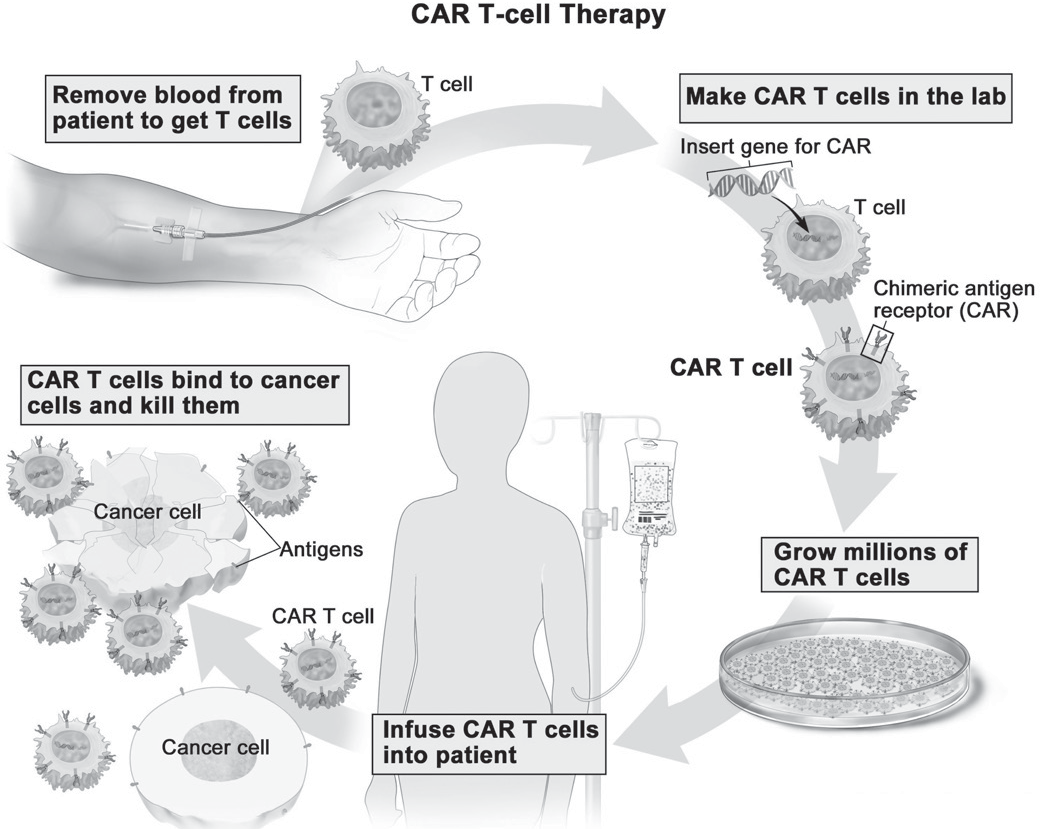
Chimera is an imaginary monster having parts from different animals. CAR-T Cell Therapy stands for Chimeric Antigen Receptor (CAR) T Cell Therapy. It is a method of process by which we use gene therapy to edit our T cells and equip them to fight cancer. In this method, T cells are taken from the patient’s blood and are edited by adding a gene for man- made receptor: CAR (chimeric antigen receptor). CAR is a receptor that binds to certain proteins on cancer cells. CAR added T cells attack cancer cells.
Benefits-
• Can cure certain types of cancers
• Unlike chemotherapy (current method of treating cancer)
CAR-T cell therapy is used only once
• Shorter Treatment
• Faster Recovery
Issues of Gene Therapy-
• Short Lived Nature: multiple rounds of treatments are needed. A possible solution to this problem is to do gene therapy at an early stage
• Immune response to the gene therapies as well as other side effects are possible from gene therapies
• Cannot be used to correct chromosomal disorders but only disorders with single bad gene
Genome Editing vs Transgenesis vs Genetic Modifiaction
Genome editing refers to making changes in the genome but without any introduction of foreign genetic material. Only ‘cuts’ are made, using enzymes such as Site Directed Nuclease (SDN) and Site-Specific Nuclease (SSN).
Genetic Modification refers to modification of an organism using Genetic Material from a foreign source. This means that external (alien) DNA is added.
Transgenesis and Genetic Modification are mostly similar but there is a small difference. Although both have altered genomes, a transgenic organism is a GMO containing a DNA sequence or a gene from a different species. Thus, all transgenic organisms are GMOs, but not all GMOs are transgenic
In this next section we will discuss about various Editing Techniques that are available to us today. are:
CRISPR CAS 9
Zinc Finger Nuclease (ZFN)
TALENs
Site Directed Nuclease (SDN)
Homing Endonuclease
CRISPR CAS 9
• CRISPR stands for Clustered Regularly Interspaced Short Palindromic Repeats
• Clustered meaning a lot of something together (in this case, DNA clusters). Regularly Interspaced means that these DNA sequences have a lot of spaces at regular intervals. Palindromes are numbers or letters that are read the same way regardless of which way you read them i.e., either from left to right or vice versa. For ex: 121, Malayalam, 1881881. In the case of DNA, the bases A, T, C, G are in such a way that they are the same no matter which way one reads them. For ex: GAATTC when translated (corresponding base under each of the original one) would be GAATTC. Short Palindromic Repeats, therefore, stands for these short palindromic sequences of DNA that repeat often.
• CAS: CRISPR Associated protein - 9
• CRISPR was originally found in bacteria
• CRISPR CAS 9 is a molecular level scissors
• CRISPR finds the target site and CAS -9 protein cuts the DNA target
• Cas gene has Cas proteins which uses enzymes called Helicases (to unwind the DNA) and Nucleases (to Cut the DNA)
• Consists of single guide RNA (sgRNA): complementary to the part of DNA to be cut
• Cas 9: CRISPR associated protein 9: cuts specific part of
DNA
Possible Applications and Issues
• Gene editing and gene therapy
• Creation of Genetically Modified Organisms (GMOs)
• Designer babies: A Chinese scientist was jailed for this.
This is also an ethical issue.
• Germline editing of reproductive cells
• Increased risk of mutations and cancer
• Impact on human variation
• Abuse of gene editing
• Safety and off target effects
• Informed Consent
• Justice and equity
Real life use of CRISPR: Precision Guided Sterile Insects
• CRISPR-based system was developed to safely restrain mosquito vectors via sterilization.
• Precision-Guided Sterile Insect Technique (pgSIT) was used to alter genes in Aedes aegypti, the species responsible for spreading malaria, dengue, chikungunya and Zika. pgSIT uses CRISPR to sterilise male mosquitoes and render female mosquitoes (which spread disease) flightless.
• But if this technology was allowed to go indefinitely, all mosquitoes would have been extinct. And this would have been a problem because mosquitoes are part of certain food chains and webs and therefore, cannot be eliminated completely from the environment without any consequences. “Gene drive” systems (an older technology than CRISPR) could suppress disease vectors by passing desired genetic alterations indefinitely from one generation to the next.
• Unlike ‘gene drive’ the pgSIT system is self-limiting and is not predicted to persist or spread in the environment
Zinc Finger Nuclease (ZFN)
• Another type of DNA Scissors.
• DNA binding part is zinc finger protein. It will recognise portion of DNA to be cut.
• Nuclease part of ZFN (required to cut) is FOK1 Nuclease.
• Success rate of this technology is low and ranges from 1-20%
• Older Technology than CRISPR CAS – 9.
TALENs
• These are another DNA Scissors which have: DNA binding domain of TALENs is made of Transcription activator like effector (TALE) domain
• Nuclease Part is the Fok1 nuclease
• Taken from Xanthomonas bacteria.
Side Directed Nuclease
This is also Genome Editing Technique which utilizes ZFN and TALENs to achieve its purpose. It refers to the cleaving of the DNA strands to affect subsequent genome editing, taking advantage of natural repair mechanism to introduce small changes. SDN technologies are of three types: SDN1, SDN2 and SDN3.
SDN1- Self-Repair without any foreign or local DNA
SDN2- Small repair template from local DNA is introduced to serve as a guide
SDN3- Foreign Genes are supplied with longer sequences
SDN1 and SDN2 are not considered as Genetic Modification because no foreign DNA is introduced. They are considered as Gene Editing Techniques. SDN3, however, is a Genetic Modification technique. Genes of foreign origin are only in the SDN3 process. As a result, SDN1 and SDN2 have been exempted from the 1989 rules on GM (We will read more about these rules in the next section). SDN 3 comes under the rules if Foreign DNA exceeding 20 base pairs in inserted.
Gene Doping
• Gene + Doping = This refers to those situations when athletes change their DNA to enhance their performance.
• This can be done ex vivo or in vitro Transgenic Organisms
Transgenic refers to an organism or cell whose genome has been altered by the introduction of one or more foreign DNA sequences from another species by artificial means. Transgenic organisms are generated in the laboratory for research purposes such as:
• Monitoring normal physiological development
• Study of disease
• Checking the effect of a Biological Product
• Vaccine Safety checks
• Chemical Safety checks

Animal Cloning
A clone is an exact copy of something. Animal Cloning refers to the development of an animal from a single parent. The parent and the clone have the same genes. But the clone is NOT completely identical: does not always look exactly the same as environment also plays a role in determining physical features of an individual. Animal Cloning is done through a process called as Somatic Cell Nuclear Transfer Technology. This was first done in the case of Dolly the Sheep by Ian Wilmot.
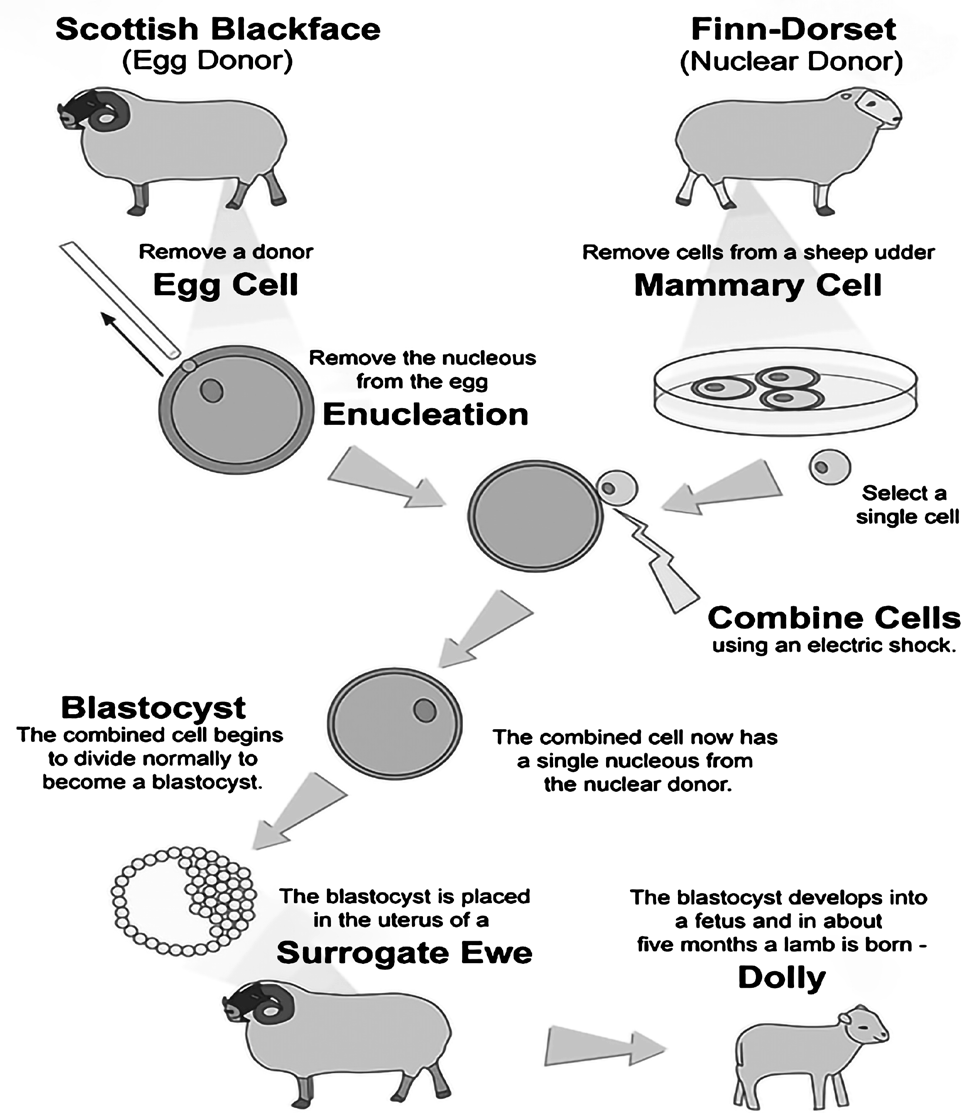
Word Breakdown: Somatic Cell + Nuclear + Transfer = This technology involves removal of a diploid nucleus from a somatic cell and inserted into the place of the nucleus of the germ cells of the animal. What are somatic and germ cells? What are diploid and haploid cells? We have covered all this before in earlier chapters.
Recently, China has cloned a wild arctic wolf first time in the
world. There are 3 types of artificial cloning:
Gene/DNA cloning: DNA fragment from one organism to a self-replicating genetic element, such as bacterial plasmid. Ex: production of human insulin by gene isolation and GM
Reproductive Cloning: Transferring nuclear material isolated from somatic cell into enucleated egg. Ex: Somatic Cell Nuclear Transfer.
Therapeutic cloning: Therapeutic cloning is the transfer of nuclear material isolated from a somatic cell into an enucleated oocyte in the goal of deriving embryonic cell lines with the same genome as the nuclear donor.
Stem Cells
Stem cells are those cells which have the ability to divide and form many other cells (both types and number) sometimes even form a complete individual. Did we study about any stem cell so far? Remember the zygote? Zygote develops and ultimately forms the entire individual. Thus, zygote is a type of stem cell. Other types of stem cells are-
• Totipotent Stem Cells: Toti (total) + potent (potential) = These are those stem cells which have the ability to form the complete organism or individual. Ex: Embryo is a totipotent cell.
• Pluripotent Stem Cells: Pluri (multiple) + potent (potential) = These are those stem cells which have the ability to form many different organs but not all. These cannot make the entire organism. Ex: Ectodermic cells which make nervous system and skin.
• Multipotent Stem Cells: Multi (many) + potent (potential) = These are those stem cells which are linked to one particular organ in the body but still make multiple types of cells for the body. Ex: Bone Marrow cells are found in the bone but make RBCs, WBCs, platelets, etc.
• Induced Pluripotent Stem Cells: Induced (persuading/ leading) + Pluripotent Stem Cells = Normal somatic cells persuaded to form stem cells. We modify the somatic cells of an adult to form Pluripotent Stem Cells. How is this possible? There are four genes in normal somatic cells called as Yamanaka Genes (named after the scientist who discovered them). By modifying these Yamanaka genes, we can induce the normal somatic cells to form pluripotent stem cells.
• Purpose of this? Imagine a case where a person needs a kidney transplant. While people can live on one kidney, such transplants have certain risks such as: the person who received the organ transplant, may go through what is called immune rejection of graft. This means that the person’s immune system rejects the organ transplanted. To avoid this, doctors often reduce the efficacy of the immune system which raises the risk of the person getting some other disease.
Another solution is: we can use the somatic cells of the person, make Induced Pluripotent Stem Cells and make the organ required. And since somatic cells of the person receiving the organ are used, there is no risk of immune rejection. This is the technology developed by Professor Yamanaka who was awarded the Nobel Prize in Medicine for his contributions.
Other Applications of Stem Cells-
Osteoarthritis of the knee- It is a degenerative disease where the damage overtakes the normal repair. Here, we can use the patient’s own stem cells to provide regenerative support. Thus, stem cells can be used for regenerative medicinal use.
Thalassemia
Osteoporosis
Leukemia
Advantages: Minimal Immune rejection because cells
are derived from the body itself.
What is stem cell banking?
It is the storage of umbilical cord stem cells from a newly born baby at -170 C with liquid nitrogen to be used for future therapy. If and when that baby needs the stem cells in her life, these can be used.
Challenges and Concerns
• Ethical issues: Using embryonic stem cells involves destroying human embryos, which raises ethical objections from some groups.
• Immunological rejection: Transplanted stem cells may be recognized as foreign by the recipient’s immune system and attacked, leading to graft failure or complications. Immunosuppressive drugs may be needed, but they have side effects and risks of infection.
• Cancer risk: Embryonic and induced pluripotent stem cells have the potential to form tumours if they are not fully differentiated or controlled. The genetic manipulation of these may also introduce mutations or epigenetic changes that increase cancer risk.
• Technical difficulties: Identifying, isolating, and expanding stem cells from adult tissues is challenging and inefficient. Directing stem cell differentiation into the desired cell types is also difficult and requires precise understanding of the molecular and cellular mechanisms involved.
Therapeutic Cloning
This is the process by which we can produce a healthy replica of a human organ
It is like reproductive cloning till production of embryo.
Produced embryo is allowed to grow in lab.
Embryo is allowed to grow and then stem cells are
extracted
This leads to the death of the embryo formed by the stem cells
While this method does treat diseases by replacing damaged cell, questions arise on whether the embryo was living or not, and whether killing it meant taking the life of someone.
Applications: Ageing, cancer, implant surgeries
Forensic Biotechnology
• Through the process of DNA fingerprinting: this helps in the identification of criminal by use of biotechnology
• The credit for discovery of DNA fingerprinting goes to Sir Alec Jeffreys in 1984
• DNA fingerprinting involves identifying differences in some specific regions in DNA sequence called as repetitive DNA, because in these sequences, a small stretch of DNA is repeated many times. These repetitive DNA are separated from bulk genomic DNA as different peaks during density gradient centrifugation. The bulk DNA forms a major peak and the other small peaks are referred to as satellite DNA. Depending on base composition (A: T rich or G: C rich), length of segment, and number of repetitive units, the satellite DNA is classified into many categories, such as micro- satellites, mini-satellites etc. These sequences normally do not code for any proteins, but they form a large portion of human genome. These sequences show high degree of polymorphism and form the basis of DNA fingerprinting. Since DNA from every tissue (such as blood, hair-follicle, skin, bone, saliva, sperm etc.), from an individual show the same degree of polymorphism, they become very useful identification tool in forensic applications. Further, as the polymorphisms are inheritable from parents to children, DNA fingerprinting is the basis of paternity testing, in case of disputes
• Here we use variable number of tandem repeats (VNTR). What is VNTR?
• Remember the Coding vs Non coding part of the DNA discussed earlier in the chapter?
• We talked about how the non-coding part of the DNA has more differences between individuals and can actually be used to uniquely identify them.
• In the non-coding region of the DNA, the DNA exists in Short Tandem Repeats
• STR = Short + Tandem + Repeat = Short and Repeat is clear, tandem means in sync. Same, short part of the DNA repeats often. Because overall repeats of this sequence are not the same for every individual but variable, it is called as Variable Number of Tandem Repeats.
• Note: This is an oversimplistic explanation and the actual process is much more complex than this. But, for our purposes, it should suffice.
• Applications
• Criminal Investigation
• Paternity testing
• Immigration Cases
• Child swapping cases
• Disaster victim identification
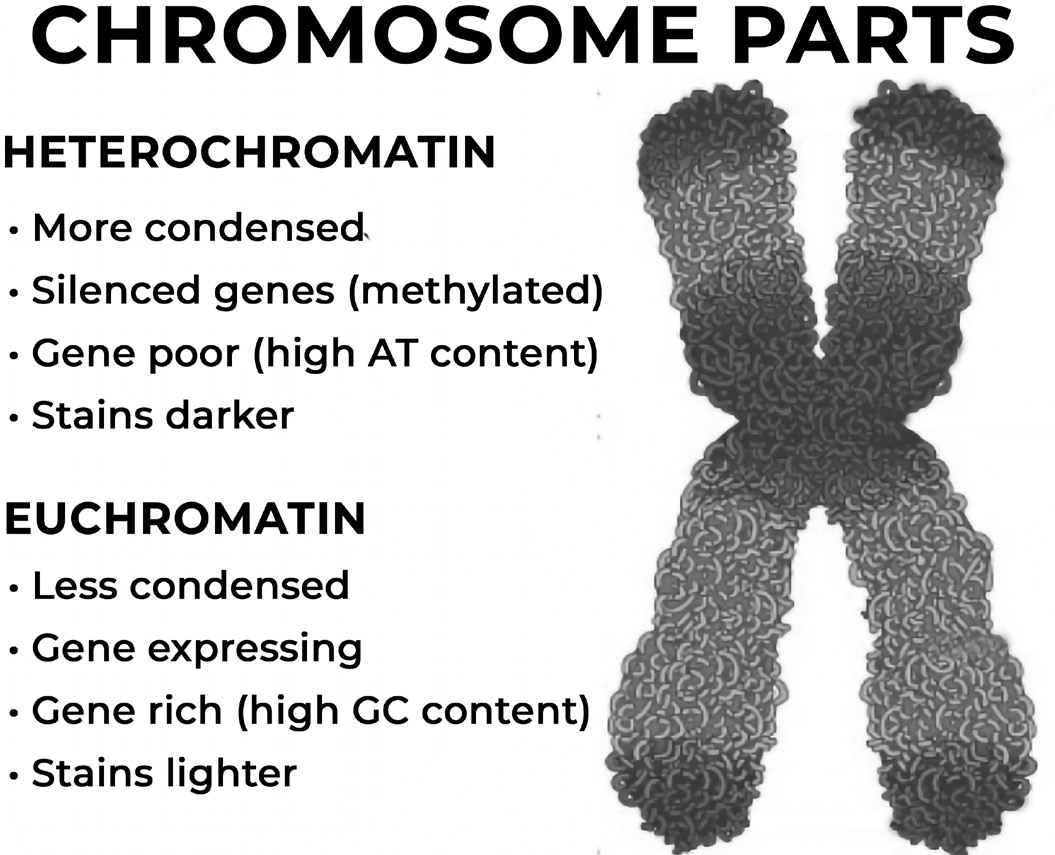
Telomere to Telomere Project
Indian Initiatives
CSIR has launched the Indigen Project which aims to do the whole genome sequencing of 1000 Indian individuals representing diverse ethnic groups.
DBT: Genome India Project: 10000 genetic samples from citizens across India to build a reference genome
Why is the government of India doing its own genome sequencing? Why did we withdraw from the HGP read function
The countries involved in the HGP are the rich, developed and advanced countries. Their Genome Sequencing might not reveal things that are more relevant for India’s populations. Think about Tuberculosis. India has more than 27% of TB cases of the world. This disproportionate burden exists because these Global North Countries only spend money on those diseases which affect their populations. For TB, a Vaccine called as BCG was made by these countries. But since India has more TB strains due to a tropical weather, this vaccine is less effective in India. The Global North has no interest in development of TB Vaccine for the tropical countries because it does not affect their populations as much. The BCG Vaccines works just fine in higher latitudes. Thus, if India did not launch its own programmes and plans to deal with the TB problem such as the TB Mukt Bharat Abhiyaan, we would be dependent on these Global North countries. This would harm our self-reliance (aatmanirbharta). Similar reasons apply in the case of Genome Sequencing.
Other Applications of Biotechnology
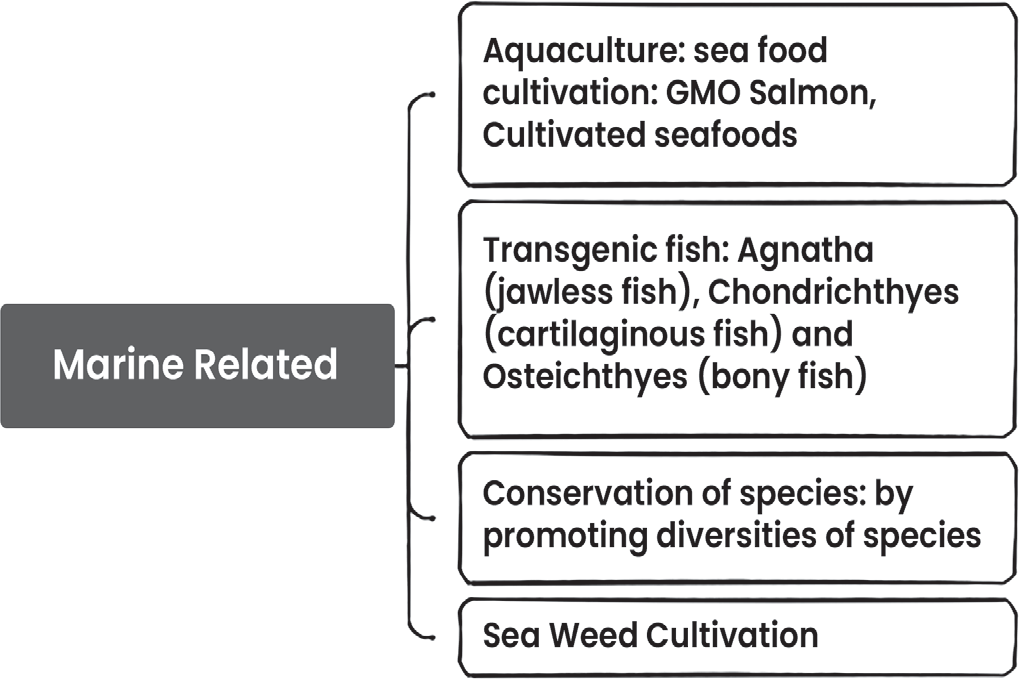
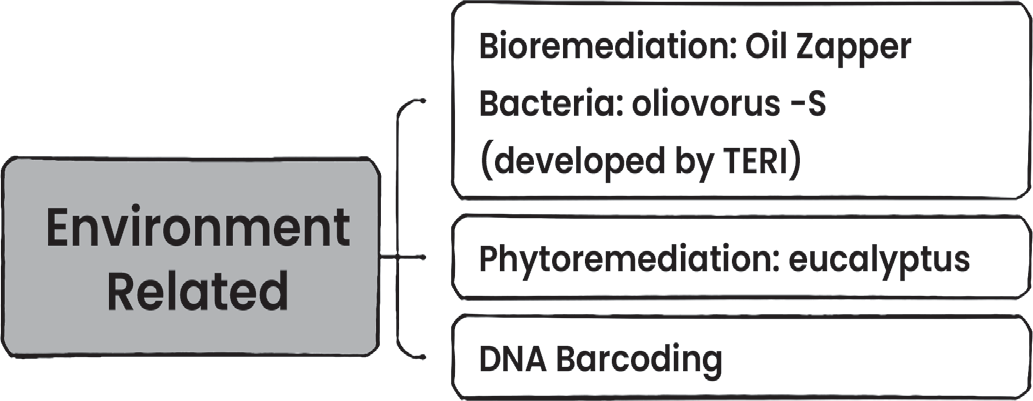
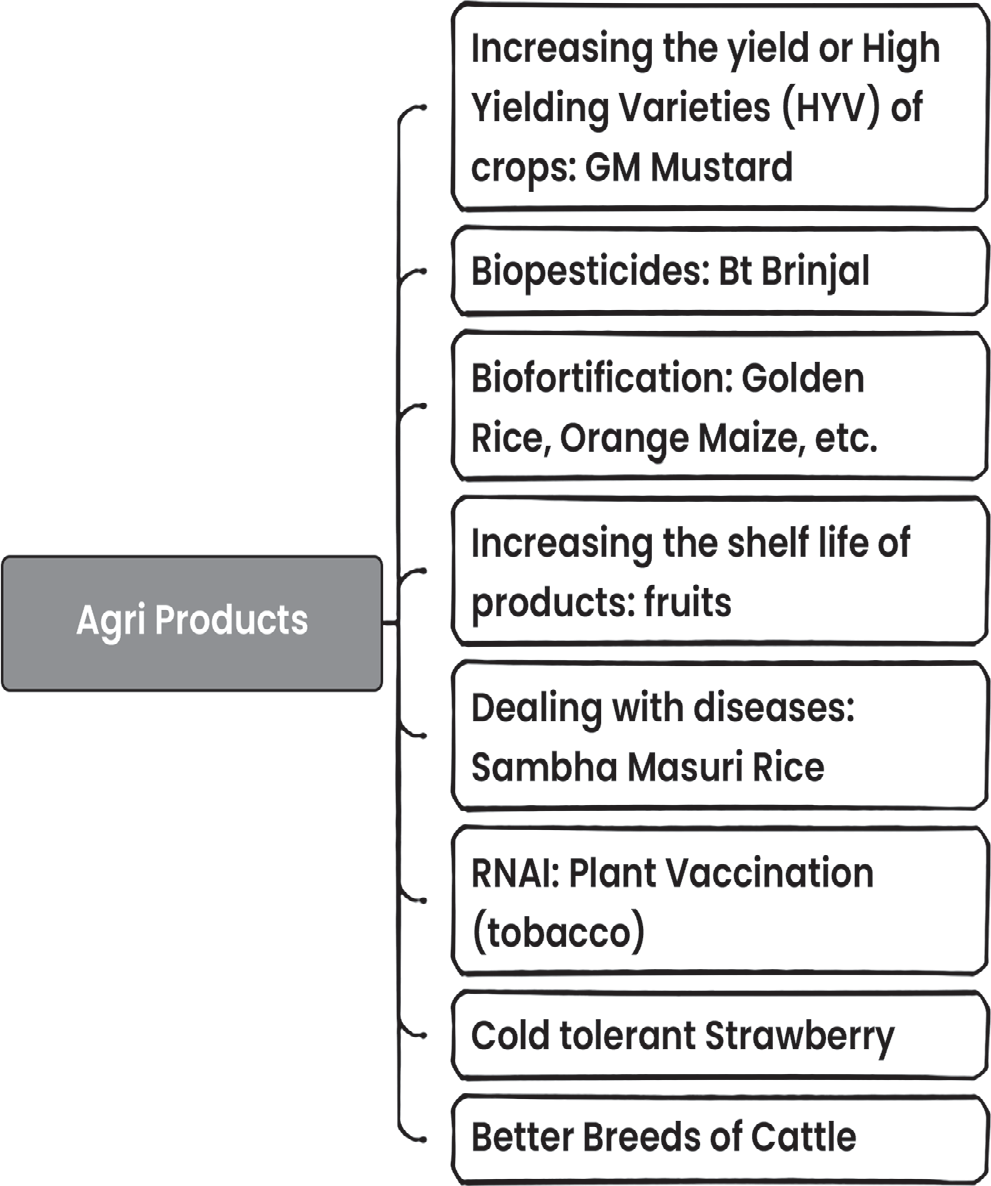
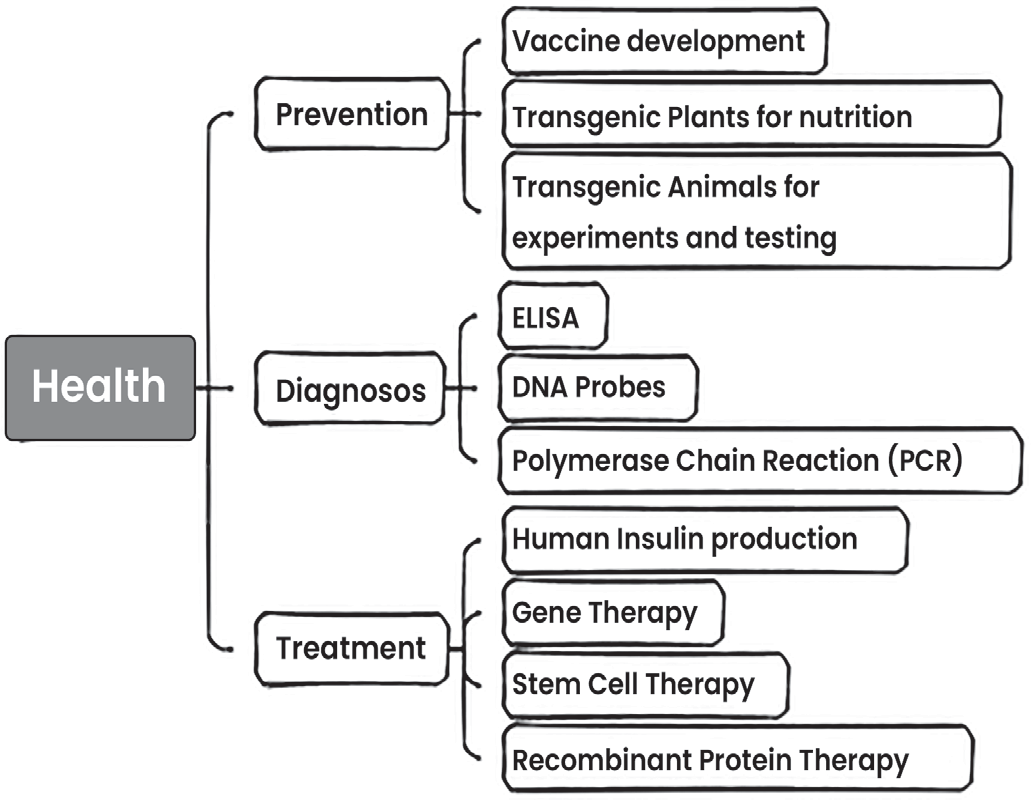
GM Technology Regulation in India
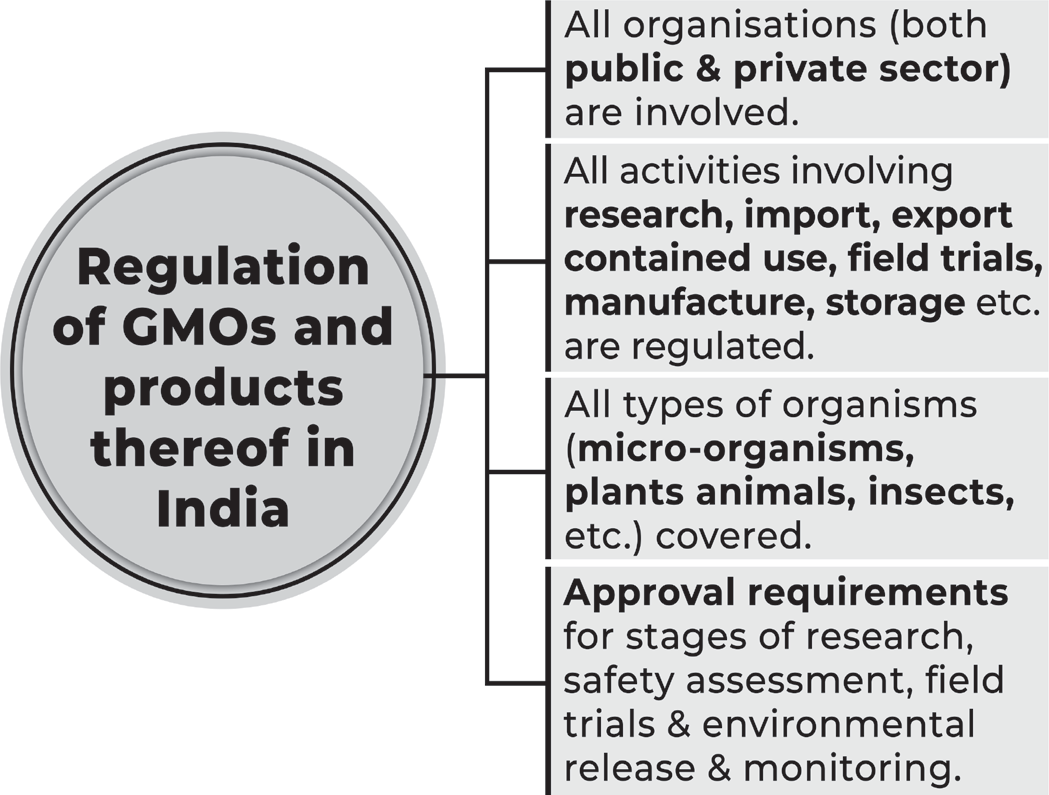
The regulatory framework for GM technology was initiated in India in 1989 in response to the commencement of research and development in biotechnology in India. In India, the Environment Protection Act 1986 is an umbrella legislation implemented by the Ministry of Environment, Forest and Climate Change that provides a holistic framework for protection and improvement of the environment. Pursuant to certain sections of the act, the Rules for the Manufacture/Use/ Import/Export and Storage of Hazardous Microorganisms, Genetically Engineered Organisms or Cells (also known as Rules, 1989) were notified under the EPA, 1986.
Rules, 1989
These are very broad in scope and cover a wide range of activities-
• Manufacture, import and storage GMOs, cells, any substances and products of which these GMOs may be a part of or have contributed to the development of New Gene Technologies in addition to cell hybridization and genetic engineering
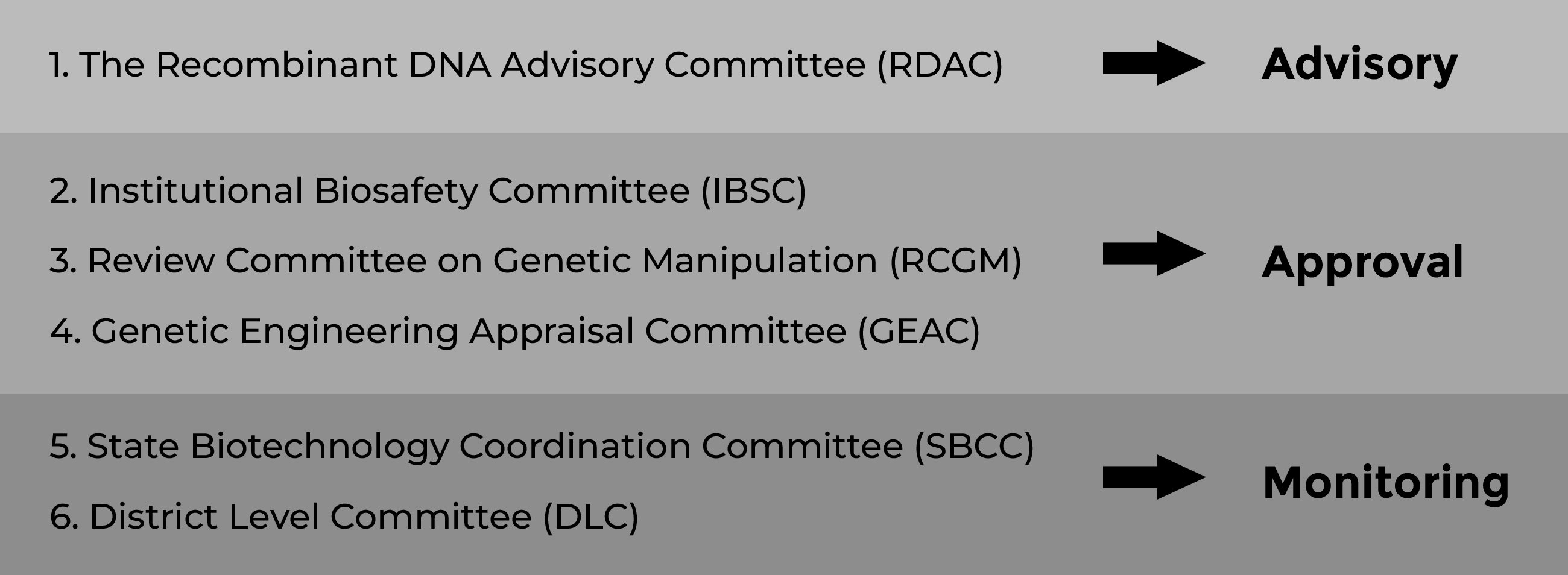
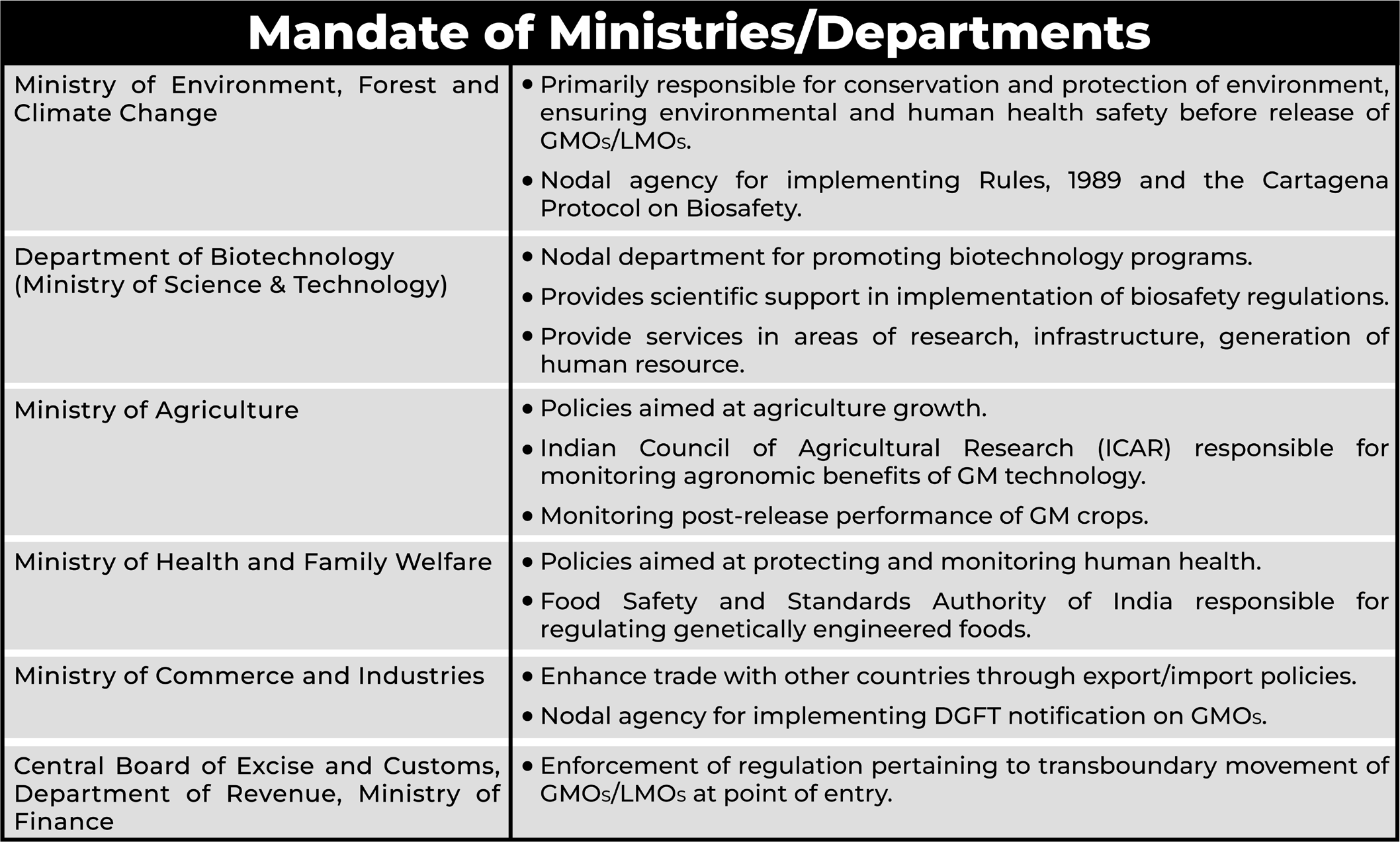
• These rules are implemented by MoEFCC, the Department of Biotechnology, Ministry of Science and Technology and Government of India and respective State Governments. Six competent authorities have been notified under these rules-
Biotechnology Regulatory Authority of India - The Biotechnology Regulatory Authority of India (BRAI) was proposed in 2013 by the Biotechnology Regulatory Authority of India Bill, 2013 to regulate modern biotechnology products and organisms. It oversees research, transport, import, containment, environmental release, manufacture and use. BRAI's regulatory approval is granted through a multi-level assessment process by scientific experts. The BRAI certifies the product's safety for its intended use, while all other laws apply. A Biotechnology Regulatory Appellate Tribunal will hear civil cases and appeals on BRAI's decisions. Penalties include providing false information, conducting unapproved field trials, obstructing or impersonating BRAI officers, and violating other provisions of the Bill.
Advancement in Biotechnology
Miniature eyes created from stem cells - Researchers at the Hyderabad-based LV Prasad Eye Institute have grown miniature eye-like organs that resemble early-stage embryonic eyes using induced pluripotent stem (iPS) cells. These stem cells were produced by genetically manipulating human skin cells to form embryonic-like cells capable of forming any cell type of the body. Small portions of corneal tissue were separated from the miniature eyes and used for growing corneal epithelial cell sheets. These tissue- engineered cell sheets could potentially restore vision in patients with damaged limbus regions of the cornea. Stem cells in the limbus region of a healthy eye have been used for restoring vision when only one eye is damaged.
Human antibodies in laboratory - The first-ever effective production of human antibodies in a lab setting by scientists has contributed to the creation of novel vaccinations against a range of illnesses, demonstrating the tremendous progress that biotechnology has made recently.
Flink (Functional Ink): Swiss scientists have invented functional living ink, a new printing substance that uses various bacteria as ink,allowing for 3D printing and the creation of biochemically-property items. The utilization of different bacteria species in varying concentrations enables the creation of a variety of things with distinct features.
Plants That Glow: Scientists have successfully inserted nanoparticles into plant leaves using biotechnology, causing them to glow and provide dim lighting for offices, inside, and trees as self-covering street lights.
Phantom- 3d model of human finger printer: With the use of biotechnology, Anil Jain and a group of computer scientists at Michigan State University lead by Jain created the first three-dimensional representation of a fingerprint.
Heat Shock Protein: Researchers have found that has- 90 may be a possible silencing mechanism. HSP 90 regulates genetic mutations under normal conditions. This was made possible through the use of biotechnology.
Ethical concerns of using biotechnology
Ethical issues in biotechnology are morally wrong, affecting fundamental principles and causing conflict with society's normal functioning. These issues are divided into subcategories. These groups are-
Socio-economic issues - Biotechnology innovation is predicted to provide enormous benefits to humanity, yet it also creates socioeconomic issues. These concerns can obstruct the natural process of learning about the environment and may be influenced by cultural backgrounds and public perception. The advancement of technology can also result in environmental harm, making it a complicated subject.
Cultural issues - Various civilizations have distinctive beliefs and values that are reflective of their enduring ideas. Even though biotechnology has the ability to enhance life quality, it can occasionally contradict these cultural notions. Nevertheless, ethical concerns might surface if it obstructs cultural features, emphasizing the necessity for cautious thought.
Legal issues - Animals and plants are shielded from abuse and disturbance by special legislation. When these regulations are broken for biotechnology purposes, serious legal ramifications arise in the event that the organism reacts negatively to the mutation. Regarding these species and their uses, different governments have different regulations and policies. Because there might be severe consequences when choosing between certain species for biotechnology, scientists must be aware of these laws and make sure they are followed before employing any particular species.
Environmental issues - Biotechnology raises ethical concerns about environmental degradation and the extinction of living flora and wildlife. Gene modification for hybrid crops is a serious concern since it harms other organisms. This has resulted in recurring mutations in plant and animal species, such as sugarcane, destroying the crop's natural constituents. These mutations can remain for generations, transferring genes from one generation to the next, reducing the organism's quality.
Religious issues - Biotechnology frequently has substantial theological implications since it can offend people's sensibilities. Cows, for example, are sacred to Hindus in India, as are numerous vegetation. These sentimental and personal issues can cause people to develop attachments to these sacred plants and animals, which are preserved by communities that value them highly.