Diversity and Classification of Bhakti Traditions
Diversity and Classification of Bhakti Traditions
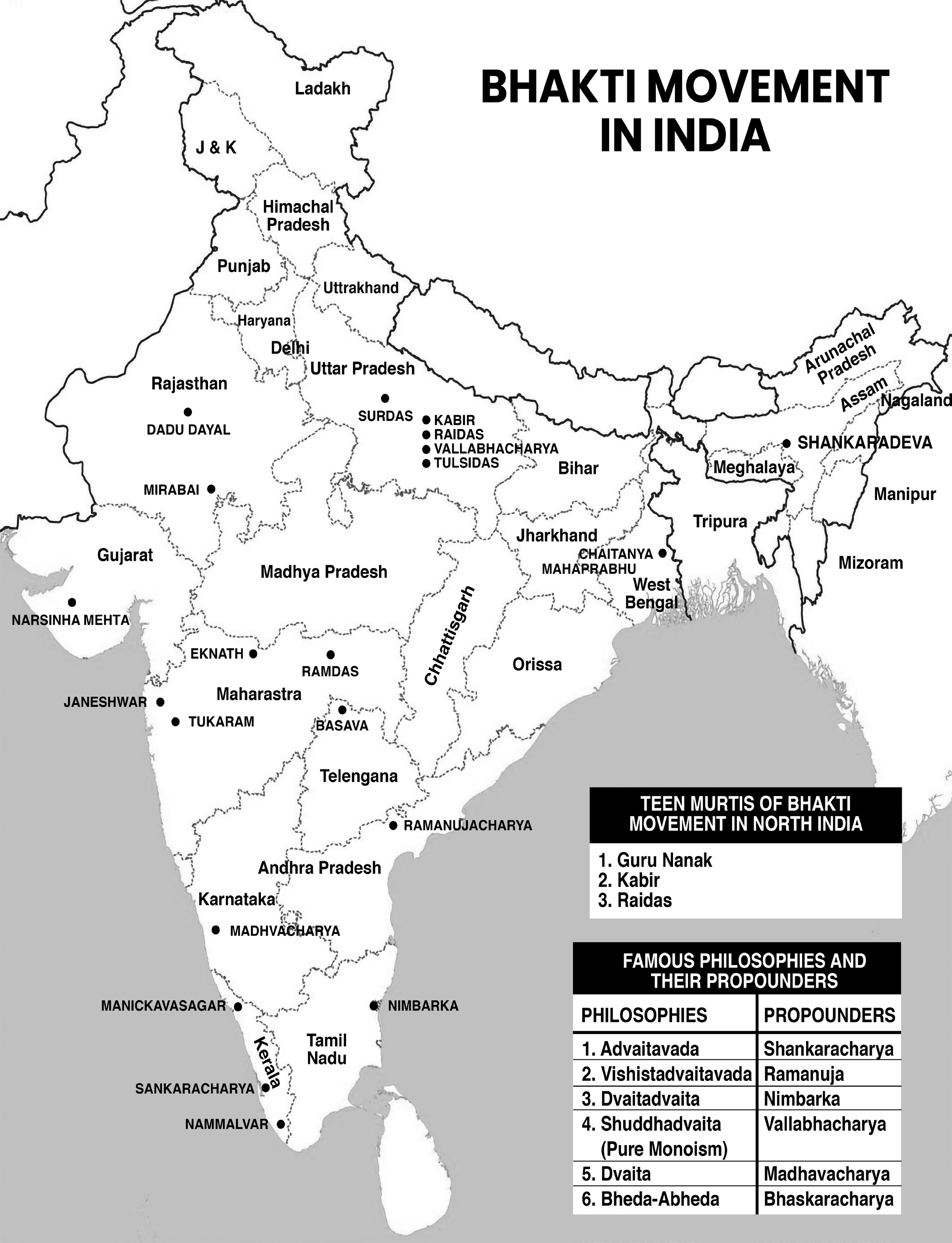
• Diverse Bhakti Traditions: Historians categorize bhakti into saguna (with attributes) and nirguna (without attributes) forms. Saguna bhakti centred on specific deities like Shiva, Vishnu, or goddesses in anthropomorphic forms, while nirguna bhakti worshipped an abstract form of God.
| SAGUNA | NIRGUNA | |
| Poet-Saints | Tulsidas, Chaitanya, Surdas, Meera | Nanak, Kabi |
| Approach to Divinity | Praises a god with attributes or form | Celebrates a formless, attribute-less divine essence |
| Stance on Caste System | Favours Brahmin dominance and supports the caste hierarchy | Rejects Brahmin supremacy, opposes caste conventions |
| Approach to Rituals | Supports idol worship and religious rituals | Advocates a simple, faith-based relationship with God |
| Influence Sources | Vaishnava Bhakti, Nanpanthi, | Sufism,emphasisonNirguna orientation |
| Language | Often uses vernacular or regional language | Relies on regional languages for wider accessibility. |
• Alvars and Nayanars: Early bhakti movements led by Alvars (devotees of Vishnu) and Nayanars (devotees of Shiva) in the sixth century involved travel, hymn singing, identification of sacred shrines, and temple construction, fostering pilgrimage centres.
Social Reforms and Literary Significance
• Social Reform Initiatives: These movements potentially initiated protests against the caste system and Brahmanical dominance, drawing followers from diverse social backgrounds.
• Literary Impact: The compositions of these poet-saints, like the Nalayira Divyaprabandham by the Alvars, held significant importance, even likened to the Vedas. Women like Andal and Karaikkal Ammaiyar challenged patriarchal norms through their compositions.
State Patronage and Religious Dynamics
• State Support: Evidence suggests intermittent support from rulers like Pallavas, Pandyas, and Chola for bhakti traditions, competing with Buddhism and Jainism for royal favour.
• Royal Influence: Chola rulers supported bhakti movements to assert their power and status, conducting various activities such as land grants, temple construction, and patronage of religious texts and sculptures, elevating their influence among the Vellala peasant community.
Indian Philosophy and Bhakti Influences
• Shankara’s Influence: Shankara’s Advaita philosophy, emphasizing the oneness of the individual soul and the formless Brahman, influenced the bhakti tradition.
• Ramanuja’s Teachings: Ramanuja, influenced by Alvars, preached intense devotion to Vishnu for salvation, advocating Vishishtadvaita, where the soul remains distinct even when united with the Supreme God.
Cultural Assimilation and Bhakti Expansion
• Incorporation of Tamil Bhakti Ideas: Tamil Bhaktas’ ideas, especially in Vaishnavism, were integrated into the Bhagavata Purana within the Sanskritic tradition.
• Bhakti Development in Maharashtra: Bhakti traditions also flourished in Maharashtra in the thirteenth century, contributing to the broader evolution of these devotional movements
Virashaiva Movement in Karnataka
• Basavanna and Virashaivas: Basavanna, a brahmana minister in the twelfth century, founded the Virashaiva movement in Karnataka. His followers, known as Virashaivas or Lingayats, worshipped Shiva as a linga and rejected ritualism and idol worship.
Equality and Opposition to Brahmanical Norms: The Virashaivas advocated equality among all humans, opposing Brahmanical caste and gender norms. They challenged caste, rituals, and advocated post-puberty marriages, remarriage of widows, and burial instead of cremation after death.
Saints of Maharashtra and Varkari Sect
• Vaishnav Saint Poets: Maharashtra witnessed the emergence of Vaishnav saint poets from the thirteenth to the seventeenth centuries. Notable figures like Dnyaneshwar, Namdev, Eknath, and Tukaram, along with women like Sakhubai and Chokhamela’s family, emphasized devotion to Vitthala (a form of Vishnu).
• Varkari Sect: This sect emphasized an annual pilgrimage to the Pandharpur temple and stressed the concept of a personal god residing in everyone’s hearts. They rejected rituals, displays of piety, and social distinctions based on birth. Humanist ideals emerged, emphasizing empathy for others’ pain.
Nathpanthis, Siddhas, and Yogis
• Ascetic Groups: Various ascetic groups like Nathpanthis, Siddhacharas, and Yogis criticized conventional religion and societal norms. They advocated renunciation and meditation on the formless Ultimate Reality for salvation.
• Emphasis on Intense Training: These groups emphasized intense mental and physical training through practices like yoga, breathing exercises, and meditation, particularly popular among lower castes in northern India.
Religious Dynamics in North India
• State Patronage and Emerging Leaders: Temples dedicated to Vishnu and Shiva existed in northern India, supported by rulers. New religious leaders like Nath, Jogis, and Siddhas emerged, questioning Vedic authority and expressing themselves in vernacular languages.
• Artisanal Groups’ Role: Many of these leaders hailed from artisanal communities, contributing to organized craft production, which saw increased demand due to emerging urban centres and trade with Central and West Asia
The Bhakti Movement
The Bhakti and Sufi movements, originating from the eighth century, embody intense devotion to a chosen deity or God. They encompass various practices such as ritual worship, devotional songs, and silent contemplation.
THE BHAKTI MOVEMENT
Inclusivity of Bhakti: Bhakti transcends societal barriers like caste, gender, or economic status, allowing anyone to follow the path of devotion. It finds roots in the Bhagavad Gita, advocating personal devotion to chosen deities like Shiva, and Vishnu, or goddesses such as Durga.
Social Ideas and Spiritual Awakening
• As societies expanded and trade flourished, new spiritual concepts emerged.
• Ideas of reincarnation and social inequalities based on birth gained prominence.
• Dissatisfaction with these notions led people to teachings like those of Buddha or Jaina, advocating personal effort to transcend societal differences.
• The Bhagavad Gita’s idea of a Supreme God offering liberation through devotion attracted many, exemplified by devotees like Manikkavachakar.
Syncretism and Cultural Influence
• Worship Evolution: The worship of deities like Shiva, Vishnu, and Durga evolved with elaborate rituals. Local deities became associated with these major gods, merging local myths into broader Puranic stories. This syncretism created a diverse cultural mosaic, transcending caste and religion boundaries.
• Impact on Various Traditions: Notably, even Buddhism and Jainism were influenced by these ideas, adopting tantric forms of worship open to all, irrespective of caste or gender.
THE INTERPLAY OF TRADITIONS: GREAT AND LITTLE TRADITIONS
Robert Redfield’s Observation: Sociologist Robert Redfield coined the terms “Great” and “Little” traditions, denoting the cultural practices of dominant social categories and local cults, respectively. Both evolved through interaction over time, exemplified by the Jagannatha Cult of Puri and sculptures like the Buddhist goddess Marichi.
Shift from Vedic to Puranic Traditions: The period witnessed a shift from Vedic to Puranic traditions, with Brahmanical ideas disseminated through accessible texts. This dialogue between Sanskritic Puranic and local traditions led to a transformation where Vedic deities like Agni and Indra became less prominent compared to Vishnu, Shiva, and the goddess.
Conflicts and Devotional Worship
Diversity and Conflicts: Conflicts arose between various traditions, such as Vedic versus Tantric practices or differences between Vaishnavism and Shaivism. Relations with Buddhism and Jainism were also tense at times
Expressions of Devotion: Devotional worship spanned nearly a millennium, ranging from routine temple worship to ecstatic states where devotees reached trance-like devotion. Singing and chanting devotional compositions were integral, particularly in Vaishnava and Shaiva sects.
Leadership and Inclusivity in Bhakti Traditions
Emergence of Poet-Saints: Poet-saints emerged as influential leaders around whom communities of devotees gathered, fostering inclusive worship practices.
Inclusive Nature: Despite Brahmanas being intermediaries in many bhakti forms, these traditions embraced and acknowledged women and lower castes, challenging the orthodox Brahmanical framework’s restrictions on these groups
Women in the Bhakti Movement
WOMEN IN THE BHAKTI MOVEMENT
Women poet-saints also played an important role in the Bhakti movement and many of these women saints had to strive harder to gain acceptance within the otherwise largely male-dominated movement. In many cases, the women saints rejected traditional women’s roles and societal norms and left their homes to become wandering bhaktas while in some other instances, they got involved in the Bhakti movement while performing their household duties. Some of the prominent female bhaktas are:
Akkamahadevi - A 12th-century bhakti saint who belonged to the southern region of Karnataka. She earned the title “Akka” meaning elder sister from great philosophers of her time - Basavanna, Prabhu Deva, Madivalayya and Chenna Basavanna. She was an ardent devotee of Shiva.
Janabai - Born into the Shudra caste around the 13th century, she worked in the household of Saint Namdeva, a highly respected Bhakti saint. Although she had no formal education, she wrote over 300 poems, primarily focused on her daily life, including her domestic responsibilities and the challenges she faced as a low-caste woman. Her poems reflect a deep desire to see Pandharpur and serve Namdev in every birth, regardless of her form. Janabai’s sincere devotion led to a belief that Vitthal assisted her with household duties, and she ultimately merged with him.
Mira Bai (Mira) – Mira was born into a prominent Rajput family and married at a young age to the son of Rana Sanga of Mewar. However, she chose to leave her husband and family to embark on a pilgrimage across various sacred sites. Her poetry reflects a profound relationship with Lord Krishna, where she is not only depicted as his devoted bride but also as someone whom Krishna pursues with deep affection.
Bahinabai (Bahina) – A 17th-century poet-saint from Maharashtra, Bahinabai is known for composing numerous abhangas, a form of women's folk songs. These songs often depicted the daily lives of women, particularly their work in the fields.
Andal
The only female Alwar.
Andal viewed herself as the beloved of Vishnu, and her verses beautifully express her deep, devotional love for the deity.
Karaikkal Ammaiyar
One of the three women Nayanmars among the 63 Nayanmars.
A dedicated devotee of Shiva, Karaikkal Ammaiyar chose the path of asceticism to achieve her spiritual goal.
Sakkubai
Sakkubai, a devout girl from Pandharpur, is celebrated for her unwavering devotion to Lord Panduranga Vittala.
Through her ananya bhakti (exclusive devotion), she not only endured suffering but also inspired a spiritual awakening in her family.
Lalla Ded or Lalleshwari
Lalla Ded (14th century CE) was a Hindu poet-saint from Kashmir who challenged societal norms in her pursuit of God. Legends highlight the mistreatment she faced from her husband and mother-in-law, emphasizing her extraordinary patience and resilience. After twelve years of marriage, she left her home to fully dedicate herself to Shiva, becoming a wandering spiritual singer. Her poetry and songs reflect her profound longing for God, the inner joy she experiences from the divine presence, and her rejection of traditional forms of worship, such as idol worship.
COMPILATION OF DEVOTIONAL LITERATURE
By the tenth century, the hymns of the twelve Alvars were compiled into an anthology known as the Nalayira Divyaprabandham ("Four Thousand Sacred Compositions"). The works of Appar, Sambandar, and Sundarar were collected into the Tevaram, a compilation organized in the tenth century based on the musical structure of the songs. The Chola kings furthered this tradition by supporting the performance of Tamil Shaiva hymns in temples under royal patronage and taking the initiative to gather and organize these hymns into the Tevaram.
Bhakti Saints
BHAKTI SAINTS
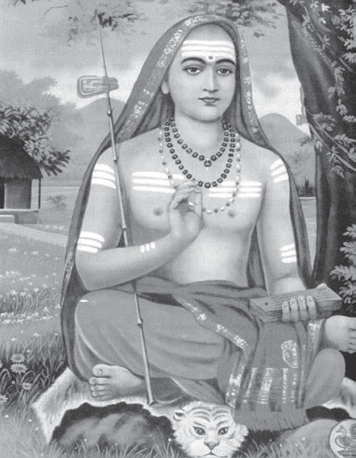
• Shankaracharya (c. 788 820 CE)
• Birth: Kaladi, Kerala.
• Mathas: Established mathas at Dwarka, Puri, Sringeri, and Badrinath.
Philosophy
• Advaita Philosophy: Emphasized monism, denying the reality of the world and focusing on Brahman as the sole reality.
• Nirgunabrahman: Conceptualized a formless, attribute- less form of God.
• Emphasis on Knowledge: Advocated that true knowledge (gyan) leads to salvation.
• He taught that Brahman, the only or Ultimate Reality, was formless and without any attributes. He considered the world around us to be an illusion or maya, and preached renunciation of the world and adoption of the path of knowledge to understand the true nature of Brahman and attain salvation.
Contribution:
• Works: Authored significant works like Upadesasahasri, Vivekachudamani, and Bhaja Govindum Stotra.
• Commentaries:P rovidedcommentaries on the Bhagavad Gita, Brahma Sutra, and Upanishads
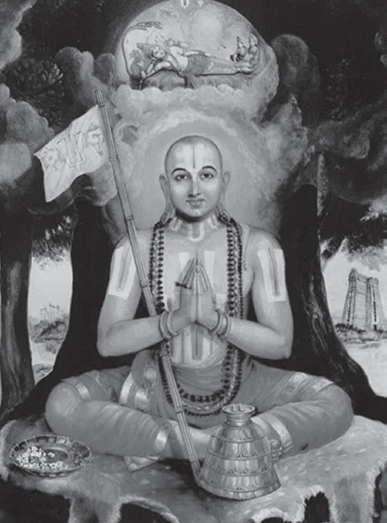
• Ramanuja (c. 1017 1137 CE)
• Birth: Sriperumbudur,near modern Chennai.
Philosophy
• Vishista Advaitavada: Preached qualified monism, considering God as Saguna Brahman with attributes.
• View of Universe: Believed the universe and Brahman were equally real, comparing them to the sea and its waves.
• God as Vishnu: Considered Vishnu or his avatars as the personal god and creator. According to him the best means of attaining salvation was through intense devotion to Vishnu. Vishnu in his grace helps the devotee to attain the bliss of union with him.
Orientation
• Inclusivity: Invited downtrodden people to Vaishnavism, emphasizing the path of self-surrender to God (prabattimarga).
• Notable Works: Authored Sribhashya, Vedanta Dipa, Gita Bhasya, and Vedantasara.
•
Madhavacharya (c. 1238 1317 CE)
Birth: Kannada region.
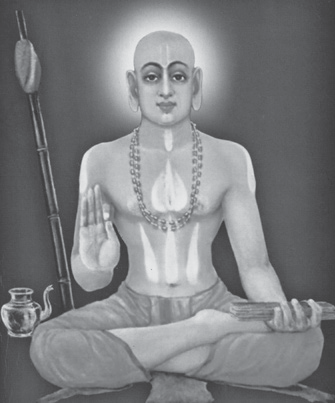
• Madhavacharya became an ascetic in 1377 and was thereafter known as Vidyaranya
Philosophy
• Dvaita Philosophy: Advocated dualism, emphasizing the distinction between God, soul, and matter.
• Brahma Sampradaya: Founded a
tradition focused on devotion to Vishnu as God.
• Reality of World: Believed the world to be real and separate from God.
• He was part author of Jivan-muktiviveka and Panchadashi, works of Vedanta philosophy, Dhatuvritti, a treatise on Sanskrit grammar, Nyaya- malavistara, a work on the Mimamsa system, one of the earliest orthodox systems of Vedic philosophy and Parasharasmritivyakhya, an elaborate comment on the Parasharasmriti.
Orientation
• Emphasis on Worship: Stressed the duty of all individuals to worship and pray to God.
• Distinct Entities: Considered God, soul, and matter as unique and irreducible entities.
• Nimbarka
• Region: Preached in the Telangana region.
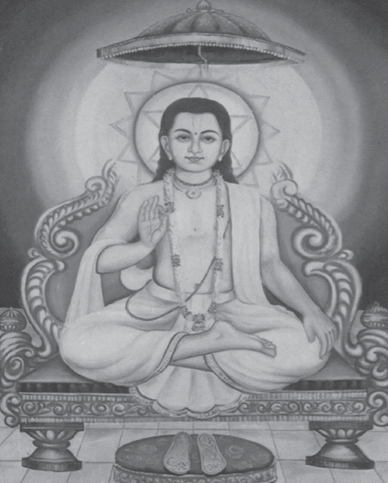
• He was a Telugu-speaking Brahmin, yogi, philosopher, and distinguished astronomer who established the devotional sect called Nimbarka Sampradaya, also known as Nimandi or Nimavats. Followers of this sect worshiped Lord Krishna and his consort, Radha.
Philosophy
Dvaita Advaita Philosophy: Propounded Bheda Abheda, emphasizing the world and Brahman as equally real, with the world being a part of Brahman.
Vaishnavite Bhakti: Advocated devotion to Vishnu.
• Founding of Sampradaya: Established the Sanak Sampradaya.
• Nimbarka has been identified with Bhaskara, a 9th- or 10th-century philosopher and celebrated commentator on the Brahma-sutras (Vedanta-sutras).
• The Nimbarka sect flourished in the 13th and 14th centuries in eastern India. Its philosophy held that men were trapped in physical bodies constricted by Prakriti (matter) and that only by surrender to Radha-Krishn) not through their own efforts) could they attain the grace necessary for liberation from rebirth; then, at death, the physical body would drop away.
Thus Nimbarka stressed bhakti yoga, the yoga of devotion and faith. Many books were written about this once-popular cult, but most sources were destroyed by Muslims during the reign of the Mughal emperor Aurangzeb (1659–1707), and thus little information has survived about Nimbarka and his followers.
Orientation
• Similarity to Vishishta Advaita: Shared similarities with Vishishta Advaita, focusing on the coexistence and equality of the world and Brahman.
• Emphasis on Bhakti: Stressed the importance of devotion within Vaishnavism.
• Vallabhacharya (c. 1479 1531 CE)
• Birth: Benaras, born into a Telugu Brahmin family.
Philosophy
• Path of Grace: Founded Pushtimarga, advocating selfless love and devotion to Shrinath Ji (Krishna) without expectations.
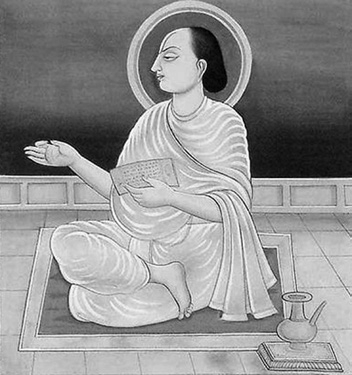
• Shudh Advaita: Propounded pure monism, indicating that the universe is a manifestation of Brahman.
• The worship of the sect centres on the adventures of the youthful Krishna, whose amorous play with the gopis (wives and daughters of
the cowherds) of Vrindavana are described in the 10th book of the Sanskrit classic the Bhagavata-purana.
• Special festivals celebrate the different seasons of the year, the events of Krishna’s life, and the birth anniversaries of Vallabha and Vitthala.
Participation in the highest form of bhakti (devotion) is attainable only through divine grace (pushti, literally “nourishment”); personal efforts such as good deeds or religious observances are not essential.
• The Vallabhacharya sect is renowned for the degree of devotion it paid to its gurus (spiritual leaders), who are considered earthly embodiments of the god.
• The main temple of the sect is at Nathdwara, in Rajasthan state, where there is a distinctive image of Krishna called Shri-Nathaji.
• According to the tradition of the sect, Shri-Nathaji revealed itself to Vallabha when he was visiting Mount Govardhana, a scene of one of Krishna’s exploits.
Orientation:
• Rudra Sampradaya: Founded a sect focused on the worship of Krishna as Shrinath Ji.
•
Popularity of Krishna Cult: Instrumental in popularizing the Krishna cult, particularly in North India alongside his disciple Surdas.
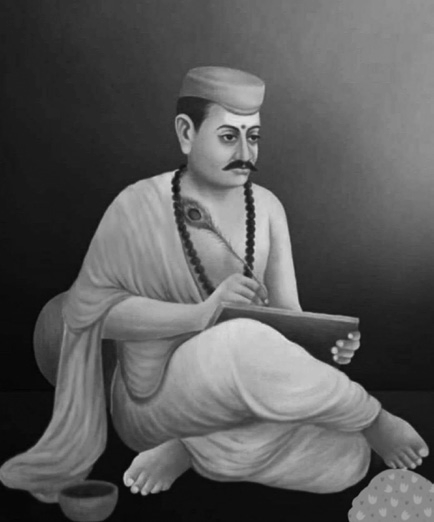
• Vidyapati (c. 1352 1448 CE)
• Poetic Dedication: Known for poetry devoted to Shiva, addressing Shiva as Ugna.
• He received a commission from the king during the reign of Kirti Simha (ruled c. 1370–80).
• The result of this commission was the long poem Kirtilata (“Vine of Glory”).
• Vidyapati became a court
scholar under Kirti Simha’s son, Deva Simha, for whom he composed Bhuparikrama (“Around the World”), a group of romantic stories that also contained advice to the king.
• The poetry for which Vidyapati is best remembered, however, is a collection of love poetry written between 1380 and 1406. This collection expands on what had become the cult of Radha and Krishna, the subject also of the 12th-century Bengal poet Jayadeva’s celebrated Gita Govinda (“Song of the Cowherd”).
• Many of these love songs were written in the court of Shiva Simha, grandson of Vidyapati’s first patron. When in 1406 Muslim armies routed the court, Shiva Simha, Vidyapati’s friend and patron, disappeared, and Vidyapati’s golden age was over.
• He lived in exile in Nepal, where he wrote the Likhanavali
(“How to Write Letters in Sanskrit”) and returned about 1418 to rejoin the court of Mithila.
• He wrote no more, however, of Krishna and Radha and composed little in the Maithili language.
• Until his death he produced a number of learned Sanskrit works. He is believed to have retired from the court in 1430 and returned to his village for the remainder of his years.
Bhakti Movement in Maharashtra
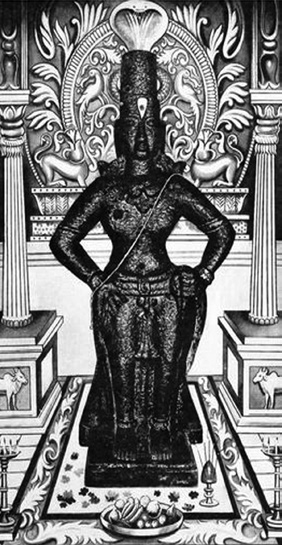
• Vithoba Cult: Centered around Vithoba, the manifestation of Krishna at Pandharpur, influencing cultural and social developments in Maharashtra.
• Literary Impact: Led to the development of Marathi literature.
• Social Impact: Elevated the status of women and worked toward breaking caste distinctions.
Sects:
• Varakaris: Devotees of God Vitthala, characterized by emotional and abstract viewpoints.
• Dharakaris: Followers of Ramadasa, practical and rational in their approach.
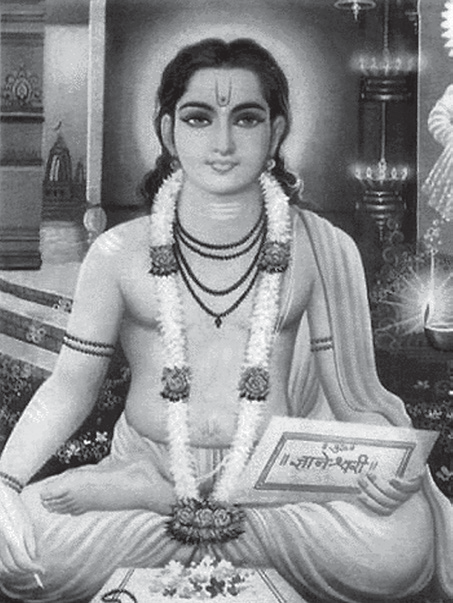
• Jnaneswar or Jnanadeva (c. 1275 1296 CE) Contributions
• Philosophical Commentary: Authored the Jnaneswari, a
commentary on the Bhagavad Gita, laying the foundation for Bhakti ideology in Maharashtra.
• Caste Equality: Firmly against caste distinctions, believed Bhakti was the sole path to God.
• Literary Works: Composed “Amritanubhava” and “Haripatha,” deeply rooted in Upanishadic philosophy and devotion to Hari (Vishnu).

• Namadeva (c. 1270 1350 CE)
• Namdev was born into a low caste, as the son of a tailor. According to his hagiographical biography, written three centuries after his death, and his autobiographical poems, he was a member of a gang as a youth. However, upon hearing the sorrow of a woman whose husband he had wronged, he was filled with deep remorse. After a vision of the god Vishnu,
Namdev transformed his life, embracing a path of devotion. He became the prominent figure of the Varkari Panth ("Pilgrims' Path"), a spiritual movement known for its focus on bhakti (devotion) and its inclusive nature, transcending caste distinctions in religious practices.
Contributions
• Marathi Poetry: Wrote devotional poetry in Marathi, expressing intense love and devotion to God.
• Dadupanth Tradition: Referred to as one of the five revered gurus in Dadupanth tradition, his Abhangas are believed to be part of the Guru Granth Sahib.
• Interfaith Dialogues: Engaged in discussions with Sufi saints in Delhi, showcasing a spirit of religious inclusivity.
• Namdev composed numerous abhangas (hymns) that resonated deeply with his followers. He gained widespread popularity in both Maharashtra and Punjab, with some of his verses being included in the Adi Granth ("First Book"), the sacred scripture of Sikhism. Namdev's influence gave rise to a rich tradition of devotional poetry in Maharashtra, which lasted for four centuries and reached its zenith with the works of the renowned bhakti poet Tukaram.
•
Sant Eknath (c. 1533 1599 CE) Contributions
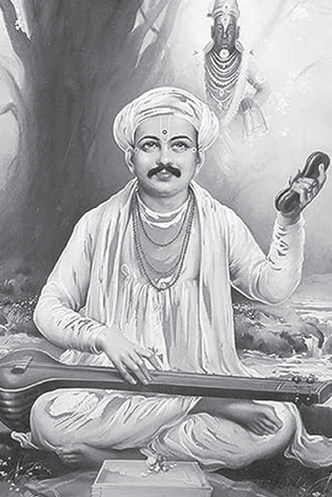
• Scholarly Endeavors: Scholar
of Varkari sampradaya and Vaishnavism, translating Sanskrit texts into Marathi.
• Literary Contributions: Introduced a new form of Marathi religious song called Bharood and shifted Marathi literature towards narrative composition.
• Social and Spiritual Philosophy: Emphasized balancing household duties with religious devotion, against caste distinctions, preached unity regardless of social or religious differences.
• Eknath is most renowned for translating various Sanskrit texts into Marathi, the regional language of Maharashtra, and for authoring works in Marathi, including a vernacular version of the Ramayana. He also restored and edited the Jnaneshvari, a key text of Marathi literature that had been corrupted over time.
• Eknath’s scholarship aimed to make the path of devotion (bhakti) accessible to all, including outcastes and women, so that they too could understand and attain salvation. Though born into the Deshastha Brahmin caste, Eknath often found himself at odds with orthodox Brahmins in his hometown due to his progressive views on caste and religion.
• He firmly believed that, in the eyes of God, there was no distinction between Brahmins and outcastes, or Hindus and Muslims. In both his life and writings, he rejected these social divisions. Eknath’s radical view of religious egalitarianism led him to proclaim that even low-caste individuals could attain God’s grace. One of his compositions boldly stated, “the dog and God are identical,” emphasizing his inclusive philosophy.
• Eknath was also unique among saints in Maharashtra for being a father and a householder. He skillfully balanced the duties of family life with his deep devotion to Krishna, a popular avatar of Vishnu. His unwavering faith in Krishna helped him harmonize the responsibilities of a householder with the demands of spiritual devotion.
• In Paithan, his birthplace, several temples dedicated to Eknath stand, including one at his home and another near the site of his death at the Godavari River.

11. Tukaram (c. 1608 1650 CE)
• The son of a shopkeeper, Tukaram was orphaned in childhood.
• Failing in business and family life, he renounced the world and became an itinerant ascetic.
• It is believed that he threw himself into a river and drowned.
• Tukārām is thought to have written over 4,000 abhaṅgas, most of which were addressed to the god Viṭhoba of Pandharpur.
Contributions
• Devotional Poetry: Known for his Abangas (dohas) in Marathi, devoted to Vithoba, an avatar of Vishnu.
• Considered one of the greatest poets in the Marathi Language.
• Community Worship: Emphasized community-based worship through spiritual songs (Kirtans).
• Philosophical Virtues: Preached piety, forgiveness, and peace, contributing to the spiritual and cultural ethos.
• His abhangas, or “unbroken” hymns, are among the most famous Indian poems.
12. Ramdas (c. 1608 1681 CE)
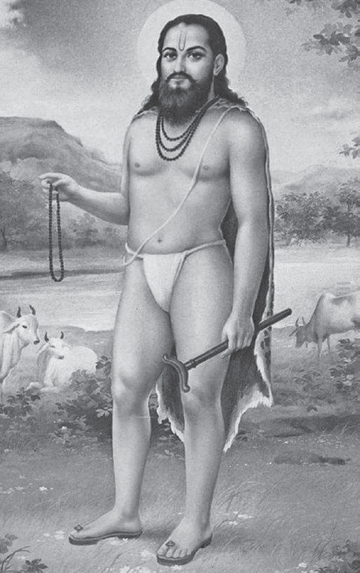
Contributions
• Spiritual Guidance: Renowned spiritual Guru contributing to building the Maratha empire under Shivaji.
• Philosophical Writings: Authored Dasabhoda, a treatise on Advaita Vedanta in Marathi, addressing various spiritual concepts and disciplines.
• Societal Reforms: Advocated
against caste distinctions, encouraged women’s participation in religious activities, and emphasized the importance of a true Guru-disciple relationship
• Ramananda (c. 1400 1476 CE)
• According to his hagiography (saint’s life), Ramananda left home as a youth and became a sannyasi (ascetic) before settling in Varanasi (Benares) to study Vedic texts,
Ramanuja’s philosophy, and yogic techniques.
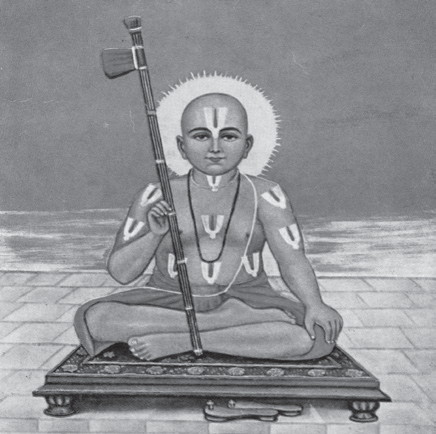
• Having completed his studies, Ramananda began teaching.
• He adopted the practice of eating with his students, regardless of their caste, but the opposition of his upper-caste companions so angered Ramananda that he left the lineage to found his own sect, the Ramanandis.
Contributions
• Founder of Ram Cult: Established the Ram cult in North India, teaching Bhakti with Ram as the object of worship.
• Social Equality: Chose disciples from various societal strata, denouncing caste distinctions.
• Language of Preaching: Rejected Sanskrit’s monopoly and preached in local languages to reach the masses.
• Ramananda’s teachings were similar to those of Ramanuja except that he dropped the interdiction on intercaste dining and the strict rule that all teaching and texts used had to be in the Sanskrit language.
• At his centres in Agra and Varanasi, Ramananda taught in Hindi, the vernacular, because Sanskrit was known only to the upper castes.
• His original 12 disciples are said to have included at least one woman, members of the lowest castes (including the leatherworker Ravidas), and a Muslim (the mystic Kabīr).
• The almost complete absence of any reference to Ramananda in poetry attributed to them, however, has caused some scholars to question the historical veracity of this connection.
• The link between the historical figure Ramananda and the prominent monastic community, the Ramanandis, which claims him as its founder, has been questioned by both academic scholars and a group of "radical Ramanandis" in the early 20th century. This group specifically challenged the Brahman association with Ramanuja.
• Although the history of the current Ramanandi Sampradaya (a religious teaching school) appears to trace back no earlier than the 17th century, this does not diminish its significance. Today, it stands as the largest Vaishnava (devotees of Lord Vishnu) monastic order in North India, and possibly the largest monastic order of any sectarian tradition across the entire Indian subcontinent.
• Kabir
• The birth of Kabir remains shrouded in mystery and legend. One tradition holds that he was born in 1398, which would have made him 120 years old at his death. It is also uncertain who his parents were. According to one legend, his mother was a Brahman who became pregnant after a visit to a Hindu shrine. Because she

was unwed, she abandoned Kabir, who was found and adopted by a Muslim weaver. That his early life began as a Muslim there is little doubt, but he was later strongly influenced by a Hindu ascetic, Ramananda.
• Emerged as a poet-saint in the fourteenth-fifteenth centuries.
• His compositions survived in various traditions and languages.
• Employed cryptic language and various terms to describe the Ultimate Reality, drawing from Islamic, Vedantic, and Yogic traditions.
• Rejected major religious traditions and criticized external worship, priestly classes, and the caste system.
• Kabir’s legacy sparked debates on his birth and religious affiliation.
• Expresses conflicting ideas in his poems, merging Islamic and Hindu concepts.
• While Kabir is often portrayed as a harmonizer of Hindu and Muslim beliefs and practices in modern times, it is more accurate to say that he was equally critical of both, viewing them as parallel in their misguided approaches.
• In Kabir’s view, the mindless, repetitive, and prideful recitation of scripture could be seen in both the Hindu Vedas and the Islamic Quran. Religious authorities such as Brahmins and qāzīs (judges) were equally guilty of this. Similarly, the meaningless rituals of initiation—whether through the sacred thread in Hinduism or circumcision in Islam—were of no consequence in his eyes.
• For Kabir, what truly mattered was unwavering devotion to the one eternal truth of life, which he identified with both Allah and Ram. It’s important to note that for Kabir, "Ram" referred to a general name for the divine, not the hero of the Ramayana.
• Kabir’s primary means of communication were songs called padas and rhymed couplets (dohas), sometimes referred to as “words” (shabdas) or “witnesses” (sakhis). Many of his couplets, along with others attributed to him after his death, continue to be widely used by speakers of North Indian languages.
• Kabir's poetic legacy has been interpreted differently by the religious traditions that revere him. For Sikhs, he is seen as a precursor and dialogue partner of Guru Nanak, the founder of Sikhism. Muslims place him within the Sufi mystical tradition, while Hindus regard him as a Vaishnavite (devotee of Vishnu) with universalist inclinations.
• However, when we return to the poetry that can most reliably be attributed to Kabir, only two things are certain about his life: he spent much of it in Banaras (now Varanasi), and he was a weaver (julaha), belonging to a low-ranking caste that had largely converted to Islam by his time.
• Kabir’s humble social status and his defiant response to those who looked down on it have made him a figure of great influence in various religious movements. This also contributed to the rise of the Kabir Panth, a sect found across northern and central India, particularly among Dalits (formerly known as untouchables), although it is not limited to them.
•
The Kabir Panth reveres Kabir as its principal guru, or even as a divine embodiment of truth. His wide-reaching influence across diverse traditions is a testament to his enduring authority, even among those whose beliefs and practices he often criticized. His presence in early collections of North Indian bhakti (devotional) poetry is remarkable.
• Guru Nanak (c. 1469 1539 CE)
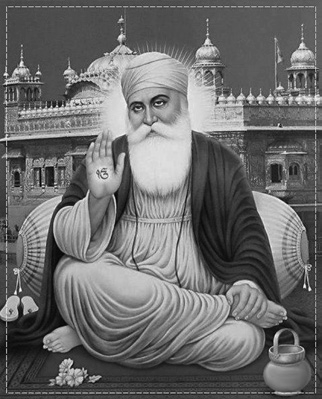
• Born in the late fifteenth century in a Hindu family in a Muslim-dominated area.
• Advocated nirguna bhakti, rejecting external practices of both Hinduism and Islam.
• Emphasized worship of one God and
believed in liberation through active social commitment
• Focused on principles of right worship, welfare of others, and purity of conduct.
• Propagated a simple way to connect with the Divine
through remembering the Divine Name.
• Organized followers into a community, setting rules for
congregational worship and appointing successors.
• Compiled hymns in the Adi Granth Sahib, which included writings from other religious poets.
• His teachings and community practices evolved after his death, establishing a distinct identity from Hindus and Muslims.
• Guru Nanak’s teachings can be succinctly described as a path to salvation through focused meditation on the divine name.
• Salvation, in this context, is seen as liberation from the endless cycle of death and rebirth, ultimately leading to a mystical union with God.
• The divine name embodies the full manifestation of God—one supreme Being who is present both in the world and within the human soul.
• Meditation must be deeply introspective, with a clear rejection of external practices such as idol worship, temples, mosques, scriptures, or prescribed prayers.
• While there is some influence from Islam, the predominant influence on Guru Nanak’s teachings comes from Hindu mystical and devotional traditions.
• Nonetheless, it is always Guru Nanak’s unique expression that shapes and defines the early theology of Sikhism, bringing coherence and beauty to the message.
Impact and Legacy:
• Kabir and Baba Guru Nanak’s teachings influenced diverse followers, each fostering their traditions.
• The followers of Baba Guru Nanak, known as Sikhs, organized themselves as a socio-religious and military force.
• The community’s self-governance and consolidation were significant during the Mughal period and seen as a potential threat by rulers.
• Their teachings and hymns continue to shape contemporary beliefs and practices, providing a means to compare changes over time while maintaining a sense of continuity with their early textual traditions.
• Nathpanthis, Siddhas, and Yogis Contributions
• Rational Arguments: Criticized orthodox rituals using
logical arguments.
• Advocates of Renunciation: Encouraged renunciation and the path to salvation through intense meditation and yogic practices.
• Tulsidas (c. 1532 1623 CE)

• Tulsidas was an Indian Vaishnavite poet, devoted to the deity Vishnu, whose most significant work, the Ramcharitmanas ("Sacred Lake of the Acts of Rama"), remains the most
widely cherished version of the Rama story.
• The Ramcharitmanas emphasizes the religious devotion (bhakti) to Rama, a beloved incarnation of Vishnu.
• While Tulsidas was primarily a devotee of Rama, he adhered to Smarta Vaishnavism, aligning with mainstream Hindu traditions rather than a strict sectarian approach.
• His inclusive stance on religious doctrine allowed him to gain widespread support for the worship of Rama in northern India. The success of the Ramcharitmanas played a crucial role in shifting the dominant religious focus in the region from Krishna worship to Rama worship.
• Details about Tulsidas's life remain scarce, though it is known that he spent much of his adult life in Varanasi. The Ramcharitmanas was composed between 1574 and 1576/77.
• Several early manuscripts of the Ramcharitmanas survive, some fragmented, with one said to be an autograph. The oldest complete manuscript dates to 1647.
• Written in Awadhi, a dialect of Eastern Hindi, the poem consists of seven cantos of varying lengths.
• Although the central narrative is based on the ancient Sanskrit Ramayana by the poet Valmiki, Tulsidas primarily drew from the Adhyatma Ramayana, a later adaptation that sought to merge Advaita Vedanta philosophy with the worship of Rama.
•
The influence of the Bhagavata Purana, the key text for Krishna worshippers, is also present, alongside several other minor sources.
• In addition to the Ramcharitmanas, Tulsidas is credited with eleven other works, including the Krishna Gitavali (61 devotional songs to Krishna), the Vinay Pattrika (279 verses dedicated to sacred places and deities, mostly Rama and Sita), and the Kavitavali, which recounts various episodes from Rama's story.
• Surdas
• Surdas was a North Indian devotional poet known for lyrics addressed especially to Krishna which are usually considered to be the finest expressions of Brajbhasa, one of Hindi’s two principal literary dialects.
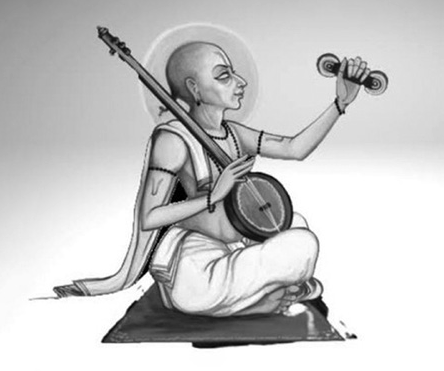
• Owing to a biographical tradition preserved in the Vallabha sampradāya, Sūrdās is usually regarded as having taken his inspiration from the teachings of Vallabha, whom he is supposed to have met in 1510.
• He is said to have become foremost among the poets the Sampradāya designates as its Aṣṭachāp (“eight seals”), following the convention that each poet affixes his oral signature (chap, or “seal”) at the conclusion of each composition.
• Yet a number of factors render this connection historically doubtful: the awkward logic of the story of the meeting of the poet and philosopher, and the absence from early Surdas poems of any mention of Vallabha and of any clear debt to major themes in his theology.
• More likely, Surdas was an independent poet, as is suggested by his continuing appeal to members of all sectarian communities and well beyond.
• He probably became blind in the course of later life (the Vallabhite story makes him blind from birth), and to this day blind singers in North India refer to themselves as Surdas.
• Poems attributed to Surdas have been composed and collected gradually, swelling a corpus of about 400 poems that must have been in circulation in the 16th century to editions of some 5,000 in the 20th century.
• A 19th-century manuscript boasts twice that number. The size of this cumulative tradition, in which later poets evidently composed in Sur’s name, justifies a title that had already been assigned to the corpus by 1640: Sursagar (“Sur’s Ocean”).
• The Sursagar’s modern reputation focuses on descriptions of Krishna as a lovable child, usually drawn from the perspective of one of the cowherding women (gopīs) of Braj.
• In its 16th-century form, however, the Sursagar gravitates
much more to descriptions of Krishna and Radha as beautiful, youthful lovers; the pining (viraha) of Radha and the gopis for Krishna when he is absent—and sometimes vice versa; and a set of poems in which the gopis lambast Krishna’s messenger udho (Sanskrit: Uddhava) for trying to satisfy them with his spiritual presence once he has finally left their midst.
• They will have nothing less than the real, physical thing. In addition, poems of Sur’s own personal bhakti are prominent, whether as celebration or longing, and episodes from the Ramayaṇa and Mahabharata also appear.
• Chaitanya Mahaprabhu (c. 1486 1534 CE)
• Chaitanya (1485–1533), born in Navadvipa, Bengal, was a Hindu mystic whose ecstatic devotion to the god Krishna, expressed through song
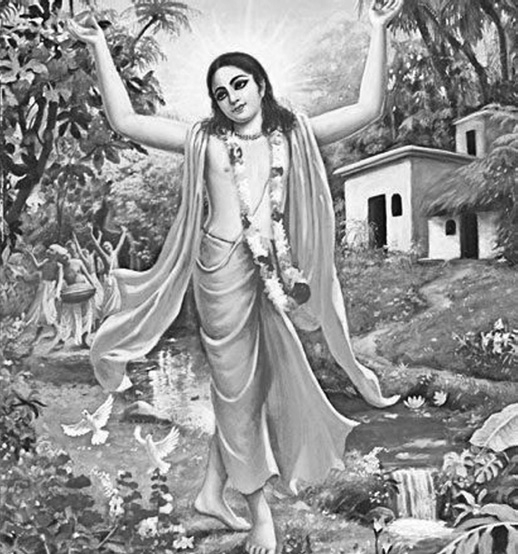
and dance, had a lasting impact on Vaishnavism in Bengal.
• Born into a Brahmin family, he grew up in a nurturing environment filled with devotion and love. He received a comprehensive education in Sanskrit scriptures and,
after his father’s death, established his own school.
• At the age of 22, Chaitanya made a pilgrimage to Gaya to perform his father’s shraddha (death anniversary ceremony). There, he had a transformative religious experience that altered his perspective and character profoundly.
• Returning to Navadvipa, Chaitanya became deeply absorbed in divine love, losing all interest in worldly matters.
• Soon, a group of followers gathered around him, participating in kirtana, a form of congregational worship that involves chanting hymns and the divine name of God, often accompanied by dancing, which leads to states of ecstatic trance.
• In 1510, Chaitanya formally became an ascetic and took the name Shri Krishna Chaitanya.
• Although he initially planned to go to Vrindavana, the sacred site associated with Krishna's youth, he stayed in Puri at the request of his mother, allowing his disciples to remain in close contact with him.
• Chaitanya did not establish a formal sect nor write theological texts, leaving that task to his followers. However, his simple life filled with intense spiritual emotion became the foundation and driving force of a major religious movement.
• The frequent, intense religious raptures he experienced,
however, took a toll on his health, and he himself attributed some of his seizures to epilepsy. The exact circumstances of his death are unclear, and numerous legends have emerged, including stories of his merging with a temple image or his accidental drowning while in a state of religious ecstasy.
• Narsingh Mehta (c. 1414 1481 CE) Contributions
• Gujarat Saint: Composed songs in Gujarati, depicting
the love between Radha and Krishna, spreading the Krishna bhakti in Gujarat.
• Author of “Vaishnava jan ko”: Wrote the bhajan “Vaishnava jan ko,” which became Mahatma Gandhi’s favourite devotional song.
• Tallapaka Annamacharya (c. 1408 1503 CE) Contributions
• Devotional Music Pioneer: Known for sankirtans and
opposition to social evils like untouchability.
• Music Composer: Composed devotional songs, also an ardent devotee of Lord Venkateshwara.
• Mirabai
• Mira Bai was a Rajput princess, the only daughter of Ratan Singh, the younger brother of the ruler of Merta. She received a comprehensive education that included music, religion,
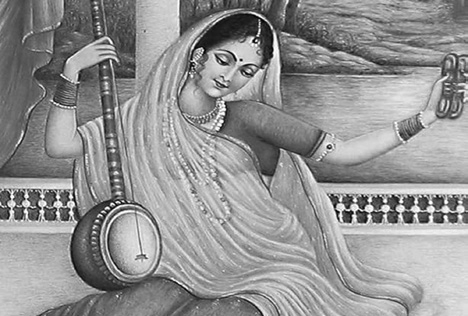
politics, and governance. During her childhood, a holy man gifted her an image of Krishna, sparking a lifelong devotion to him, whom she regarded as her Divine Lover.
• In 1516, Mira Bai married Bhoj Raj, the crown prince of Mewar. After his death in 1521, likely due to battle injuries, she faced severe persecution and political scheming from her brother-in-law, who became king, and later from his successor, Vikram Singh.
• Mira Bai was known for her rebellious spirit, and her religious practices did not conform to the traditional expectations for a Rajput princess or widow. She dedicated much of her life to her private temple, where she worshipped Krishna. There, she welcomed sadhus (holy men) and pilgrims from across India, while composing devotional songs expressing her deep love and devotion.
• Mira Bai's poems hint at at least two assassination attempts on her life. In one, a poisonous snake was sent to her inside a basket of flowers, but when she opened it, she discovered only an image of Krishna. On another occasion, she was handed a cup of poison, which she drank without suffering any harm.
• Eventually, Mira Bai left Mewar and returned to Merta.
However, finding that her unconventional behavior was still unwelcome there, she embarked on a series of pilgrimages, finally settling in Dwarka.
• In 1546, Udai Singh, who had succeeded Vikram Singh as the ruler of Mewar, sent a group of Brahmans to bring her back. Reluctantly, Mira Bai requested to spend the night at the temple of Ranchorji (Krishna). The next morning, she had vanished. According to popular belief, she miraculously merged with the image of Ranchorji, though whether she passed away that night or quietly left to live the rest of her life in disguise remains uncertain.
• Mira Bai was inspired by Raidas, an "untouchable" leather worker, whose songs challenged the rigid caste norms of the time and gained popularity among the masses.
• Part of the bhakti (devotional) poetry tradition in medieval India, Mira Bai expressed her love for God through the lens of human relationships—comparing it to a mother’s love for her child, a friend’s affection for another, or a woman’s devotion to her beloved. The widespread appeal of her songs lies in their use of simple, relatable imagery and the heartfelt emotions they evoke, making them deeply resonant with the people of India.
• Purandara Dasa
• Purandara Dasa, hailed as the Pitamaha of Carnatic music, was a Haridasa and a great devotee of Lord Krishna.
• His birthplace is speculated to be Keshavapura in Karnataka, a major province of the Vijayanagara empire.
• A disciple of Vyasatirtha and contemporary of Kanakadasa, Purandara Dasa pioneered the fusion of Dravidian and Aryan music into Carnatic music.
• Initially a wealthy merchant known as Srinivasa Nayaka, he later became a saint, composing Dasa Sahithya and advocating social reform through his devotional songs in Kannada.
• His teachings emphasized self-surrender, love towards Lord Krishna, and fought against casteism, promoting humanism and equality.
• Purandara Dasa’s contributions to music, society, and the Bhakti movement are profound and enduring.
• Dadu Dayal
• Dadu Dayal was a prominent figure in the Bhakti movement, known for founding the Dadu Panth, a sect that emphasizes the unity of all religions and rejects external forms of worship.
• Born in Ahmedabad around 1544, he became a spiritual leader who influenced the Mughal Emperor Akbar with his teachings. Dadu Dayal advocated for japa (chanting of God’s name) and the concept of the soul as God’s bride, rather than traditional practices like temple visits.
•
His poetic works, compiled in the Dadu Anubhav Vani, promote a message of non-sectarian devotion to God, transcending religious boundaries.
• His followers, known as Dadu Panthis, practice vegetarianism and abstain from alcohol, with a significant number leading ascetic life.
• Dadu Dayal’s legacy continues through the Dadu Panth, which maintains a martial tradition and has played various roles in historical conflicts, including serving as mercenaries during the 1857 revolt against the British Raj.
Impact on Music:
• Saints like Kabir, Tulsidas, Surdas, and others significantly influenced music through the use of bhajan, kirtan, and abhang.
• Songs emphasized emotional experiences, appealing to the common people.
• Unique feature: Works were composed in regional languages, could be sung, and were handed down orally, often by the poorest communities and women.
• Cultural Significance: The songs created by these saints and common people have become an integral part of living popular culture, showcasing the diverse and inclusive nature of the bhakti movement in North India during this period.
The Sufi Movement
THE SUFI MOVEMENT
Introduction
Sufism played a significant role in shaping religious life in medieval India. Numerous Sufi saints, with their Dargahs still drawing people from across the nation, transcend religious boundaries. Sufism is a mystical branch of Islam that focuses on the spiritual journey toward God, emphasizing the rejection of materialism. This form of Islamic mysticism promotes asceticism and places great importance on love and devotion to God.
Sufism has various schools worldwide, including in India, many of which trace their roots to early Islamic history, going back to the time of Prophet Muhammad. The word ‘Sufi’ is believed to come from the Arabic word ‘suf,’ meaning ‘one who wears wool,’ reflecting the woolen garments typically worn by ascetics. Another possible origin of the term is ‘safa,’ meaning purity in Arabic. Sufis are also referred to by other names such as Wali, Faqir, and Darwesh.
Sufism in India
The arrival of Turks and Delhi Sultanate: The arrival of Turks and the establishment of the Delhi Sultanate in the thirteenth century brought significant cultural and religious changes, undermining the power of Rajput states and associated Brahmanas.
Adaptation: Indian influence reflected in Sufi practices incorporation of yogic postures, music, and dance.
Sufi Orders: Divided into Bashara (adhering to Islamic laws) and Beshara (more liberal, including wandering monks known as ‘mast kalandar’).
Role of Sufis: The advent of Sufis was a crucial part of these changes, contributing to religious ferment and cultural shifts during this period.
Islamic Influence in the Indian Subcontinent
Historical Connections: The subcontinent had interactions with lands beyond its borders for centuries. Arab merchants frequented western coast ports, while Central Asian settlers arrived in the north-western regions from the first millennium CE.
Islamic World Integration: With the emergence of Islam in the seventh century, these regions became part of the Islamic world. The arrival of Arab generals and later Turks and Afghans led to the formation of sultanates and the Mughal Empire.
Islamic Legal System and Rulership
Shari’a: Islamic law (Shari’a) derived from the Qur’an, Hadis, Qiyas (reasoning by analogy), and Ijma (consensus of the community). Muslim rulers were guided by Ulama, scholars of Islamic studies.
Jizya and Zimmi: Non-Muslims, referred to as ‘Zimmi,’ paid ‘Jizya’ as a tax to Muslim rulers for protection. Rulers often adopted flexible policies, granting land endowments and tax exemptions to non-Muslim religious institutions.
Sufism and Popular Islamic Practices
Sufism (Tasawwuf): Sufism or Tasawwuf, emphasizing spiritual purity, became a significant aspect of Islamic practice. Hospices (Khanqah) provided resting places for travellers.
Practice of Islam: Islam’s adoption among different social strata involved the acceptance of the five pillars of the faith. Diversities in practice emerged from sectarian affiliations and local customs of converts.
A blend of Islam with Local Traditions
Local Influence on Islam: Different communities adapted Islamic teachings, blending them with local practices. For instance, Ismaili sects like Khojahs in Punjab, Sind, and Gujarat developed new communication methods through devotional poems in regional languages
Architectural Influences: Mosques demonstrated a blend of universal Islamic features with local variations in architecture, materials, and design, reflecting a mix of a universal faith and indigenous customs.
Terms and Identifications
Identity and Naming: Terms like ‘Musalman’ or ‘Muslim’
were rarely used between the eighth and fourteenth centuries. People were identified by regional origins or sometimes labelled with terms previously used for other groups.
Derogatory Connotations: Terms like ‘mlechchha’
indicated those who did not conform to caste norms or spoke languages not derived from Sanskrit, though they rarely denoted a distinct religion.
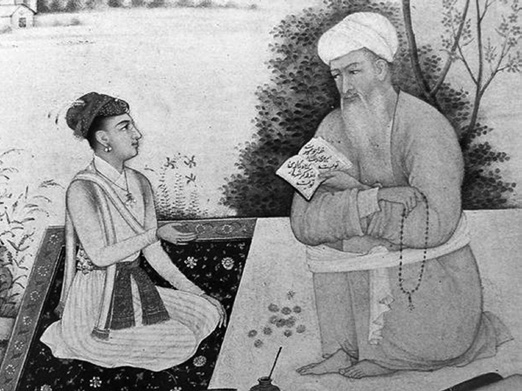
Important Sufi Terms in India
Sufi, Pir, Murshid: Designations for saints.
Murid: Followers of a Sufi saint
Khanqah: Refers to places where Sufis lived, akin to hospices.
Khalifa: Disciples or successors of a Sufi master.
Zikr: Recitation of God’s name as a form of remembrance.
Tauba: The act of repentance.
Fanaa: Spiritual merging with the Almighty.
Urs: Commemoration of a saint’s death, often celebrated annually.
Sama: Musical gatherings held in Sufi circles for spiritual purposes.
This period witnessed a complex amalgamation of the Islamic faith with local customs, influencing practices, architecture, and societal identities across various regions within the Indian subcontinent.
Historical Sources of Sufism
Textual Variety: Various texts originated from sufi khanqahs, encompassing treatises, conversations (Malfuzat), letters (Maktubat), and biographical accounts (Tazkiras). Examples include ‘Kashf-ul-Mahjub,’ ‘Fawa’id-al-Fu’ad,’ ‘Maktubat-i Imam Rabbani,’ and ‘Akhbar-ul-Akhyar.’
Purpose and Content: These texts served didactic purposes, imparting sufi thought,
experiences, and moral teachings. Tazkiras often aimed to glorify their orders, incorporating fantastic elements.
Origins and Characteristics of Sufism
Early Sufi Movement: Sufis emerged as a group protesting the growing materialism of the Caliphate, critical of rigid interpretations of the Qur’an
and traditions. They advocated intense devotion, love for God, following His commands, and emulating Prophet Muhammad’s example.
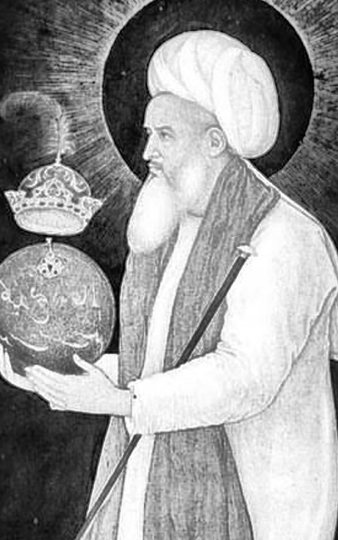
Spiritual Philosophy: Sufis sought a personal interpretation of the Qur’an, disregarding elaborate rituals and codes of behaviour prescribed by scholars. They aimed for a union with God, similar to a lover seeking their beloved, and expressed their feelings through poems and rich prose.
Reformist Movement: Emerged as a liberal reform within Islam, advocating love, service to humanity, and inner purity.
Focus on Love and Devotion: Sufis stressed love as the connection between God and the soul, advocating it as the path to salvation.
Practices: Emphasized meditation, repentance, prayers, pilgrimage, fasting, charity, and ascetic practices for self- discipline and closeness to God.
Influence and Spread of Sufism
Great Sufis: Influential Sufi figures like Ghazzali, Rumi, and Sadi emerged in Central Asia. Rumi preached that ‘God was in everyone’s heart,’ emphasizing the universality of spirituality.
Sufi Lineages and Settlement: Sufi lineages were named after founding figures or their place of origin. Several Sufis from Central Asia settled in Hindustan, establishing major Sufi centres. The Chishti order, with teachers like Khwaja Muinuddin Chishti and Khwaja Nizamuddin Auliya, was particularly influential.
Regional Impact: In Kashmir, the Rishi order, established by Sheikh Nuruddin Wali (Nund Rishi), profoundly impacted people’s lives, with shrines dedicated to Rishi saints across the region.
Notable Sufi Figures and Impact
Data Ganj Bakhsh: Abu’l Hasan al Hujwiri, settling in Lahore, authored ‘Kashf-ul-Mahjub’ to explain Sufi practices. His shrine in Lahore, revered as Data Darbar, became a pilgrimage site, symbolizing personal devotion to God.
Sufism’s rise, diverse textual contributions, spiritual philosophy, influential figures, and regional impact shaped a personal and profound devotion to God within the fabric of Islamic traditions.
Sufism’s Organizational Structure
Khanqah and the Spiritual Master: Sufis established hospices called ‘khanqah’ controlled by a teaching master (‘shaikh’, ‘pir’, or ‘murshid’) who enrolled disciples (‘murids’) and appointed successors (‘khalifa’).
Silkila: Spiritual genealogy (‘silsila’) linking the master to Prophet Muhammad, transmitting spiritual power and blessings to devotees.
Initiation Rituals and Tomb Shrines: Initiates underwent special rituals, and upon the master’s death, his tomb shrine (‘dargah’) became a centre of devotion, attracting pilgrims seeking blessings for material and spiritual gains.
Variations within Sufi Movements
Radical Mystic Movements: Some mystics rejected the conventional khanqah lifestyle, embracing mendicancy, celibacy, extreme asceticism,
and disregarding rituals. Known by various names like Qalandars and Madaris, they were considered ‘be-sharia’ due to their defiance of the sharia.
Chishti Order’s Influence in India
Chishtis in India: Among Sufis migrating to India in the late twelfth century, the Chishtis stood out for their adaptability to local traditions.
Shaikh Nizamuddin’s Centre: Shaikh Nizamuddin’s hospice in Delhi became a hub of social life. It hosted visitors of diverse backgrounds, offering services from discipleship to amulets for healing.
Cultural Assimilation: Practices assimilating local traditions, including bowing before the Shaikh, yogic exercises, and water offerings, were adopted. Shaikh Nizamuddin appointed successors, spreading Chishti teachings across the subcontinent.
Influence and Pilgrimage: The Chishti’s’ teachings’ rapid spread attracted pilgrims to Shaikh Nizamuddin’s shrine and those of his spiritual predecessors.
Khwaja Moinuddin Chishti’s Shrine
Significance: Known as “Gharib Nawaz”(comforter of the poor), the shrine gained prominence due to the austerity of its Shaikh, the greatness of spiritual successors, and patronage from royal visitors.
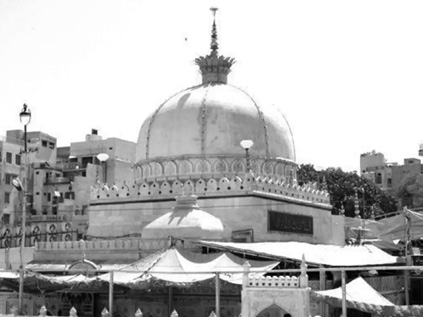
Popularity and Patronage: The shrine’s popularity grew due to its location on a major trade route, attracting travellers and visits from rulers like Muhammad bin Tughluq and Sultan Ghiyasuddin Khalji. Emperor Akbar visited the tomb multiple times, seeking blessings for various purposes, making generous offerings, and even facilitating pilgrims’ needs by constructing facilities like a cauldron and a mosque.
Devotional Practices: Ziyarat and Qawwali
Ziyarat: Pilgrimage rituals include the use of music and dance, and pilgrims singing spiritedly while travelling to Ajmer, inspiring Akbar’s visits.
Qawwali: Sufis used music (Sama) or mystical chants performed by trained musicians (Qawwals) to evoke divine ecstasy.
• Amir Khusrau, a disciple of Shaikh Nizamuddin Auliya, introduced Qawwali hymns, combining Sufi poetry in multiple languages during these performances.
Other Chishti Shrines and Their Rituals
Distinctive Features: Each shrine had unique characteristics. The shrine of Nasiruddin Chiragh-i Dehli, as described by a visitor, attracted a diverse population on Sundays during Diwali, where people, irrespective of religious backgrounds, visited, bathed in the spring tank for cures, and engaged in merrymaking.
Language and Communication in Chishti Order
Adoption of Local Languages: The Chishtis conversed in Hindavi in Delhi and composed verses in local languages. Baba Farid’s verses were incorporated into the Guru Granth Sahib, and various poetic forms like ‘Manasvis,’ ‘Padmavat,’ and Dakhani poetry were used to express divine love.
Sufi Influence in Regional Traditions: In Bijapur, Karnataka, Chishti Sufis composed short poems in Dakhani, sung by women during household chores. These compositions, including lullabies and wedding songs, were inspired by the pre-existing bhakti traditions of the region.
SILSILAS: SUFI ORDERS AND STRUCTURES
Organization: By the 12th century, Sufis were organized into 12 orders (Silsilas) led by prominent mystics in hospices (Khanqahs).
Teacher-Disciple Bond: Integral to the Sufi system, each teacher (pir or murshid) nominated a successor (wali) to continue their work.
Centres of Learning: Khanqahs became significant centres for learning, spiritual discourse, and musical congregations (sama or qawwali).
Popular Orders: Chistis, Suhrawardis, Qadririyas, and Naqshbandis were among the most renowned and widespread Silsilas.
Sufism in India synthesized various spiritual and cultural elements, evolving into a diverse movement that focused on inner spirituality, love, and devotion while incorporating indigenous practices and beliefs.
The Chisti Silsila in India
Origin and Founders
Khwaja Muin-ud-din Chisti (Gharib Nawaz): Established the Chisti order in India around 1192 CE, initially residing in Lahore and Delhi before settling in Ajmer, a prominent political centre with a significant Muslim population.
Posthumous Influence: After Khwaja Chisti’s passing in 1235 CE, his grave attracted attention, with Sultan Muhammad Tughlaq and later Mahmud Khalji contributing to the construction of the mosque and dome, elevating the dargah’s significance.
Patronage and Growth: Sultanate ruler Iltutmish, followed by Mughal Emperor Akbar, provided
substantial patronage to the Chisti dargah, expanding its influence.
Prominent Figures
• Farid-ud-din Ganj-i-Shakar (Baba Farid): Focused activities in Hansi and Ajodhan, displaying broad and humane perspectives reflected in verses quoted in the Sikh Adi Granth.
• Nizamuddin Auliya: Lived from 1238 to 1325 CE.
• Nasiruddin Chiragh-i-Dehlavi.
• Sheikh Burhanuddin Gharib: Established the Chisti order in the Deccan in the 13th century.
• Muhammad Banda Nawaz: Active in the Bijapur region of the Deccan.
Philosophies and Practices
Simple Lifestyle: Chisti saints led austere lives, conversing in Hindawi, their local dialect. They showed minimal interest in conversions but were attributed with conversions through their “good wishes.”
Spiritual Techniques: Adopted musical recitations known as sama to foster closeness to God. Nizamuddin Auliya was known for practising yogic breathing exercises, earning the title “Sidh” from yogis.
Political Disengagement: Preferred staying apart from state politics and avoided associations with rulers and nobles, focusing on spiritual pursuits.
The Chisti Silsila in India flourished through its emphasis on simplicity, spirituality, and its ability to connect with people through music and practices aimed at spiritual closeness to the divine. Its prominent saints left a lasting legacy, influencing spiritual thought and practice across regions.
The Suhrawardi Silsila in India
Origins and Activities
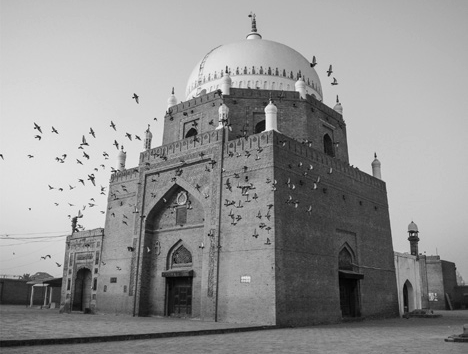
Founding and Spread: Founded by Shihabuddin
Suhrawardi in Baghdad, the Suhrawardi order entered India around the same time as the Chisti order. Its primary activities were concentrated in Punjab and Multan.
Establishment in India: Bahauddin Zakariya is credited with establishing the Suhrawardi order in India.
Engagement in Politics: In contrast to the Chistis, the Suhrawardis actively
engaged in politics, accepting maintenance grants from the Sultans and participating in political affairs.
Beliefs and Practices
Attributes of a Sufi: Suhrawardis believed a Sufi should possess three attributes: property, knowledge,
and mystical enlightenment (hal). They advocated a combination of scholarship (ilm) and mysticism but did not encourage extreme austerities or self-mortification.
The Naqshbandi Silsila in India
Establishment and Propagation
• Founding Figures: Established in India by Khwaja
Bahauddin Naqshbandi and later continued by his successors, Sheikh Baqi Billah and Sheikh Ahmad Sirhindi (1563 1624).
• Meditative Practices: Known as “silent Sufis,” they focused on silent meditation of the heart as a key practice.
Spiritual Beliefs and Stance
• Divine Relationship: Unlike the Chistis, the Naqshbandis believed in the relationship between man and God as that of a slave and master, contrasting with the Chistis’ belief in a relationship between a lover and the beloved.
• Adherence to Shariah: They strictly observed Shariah law and denounced religious innovations (biddats), holding conservative views against liberal policies like Akbar’s elevation of non-Muslims, the abolition of jizya, and the prohibition of cow slaughter.
• Stance on Practices: Opposed practices like sama (religious music) and the pilgrimage to saints’ tombs.
Successors and Divergent Approaches
After Sirhindi: Following Sirhindi’s death, the order was represented by two key mystics, each with distinct approaches: Shah Waliullah, advocating a conservative stance, and Mirza Mazhar Jan-i-Jahan, representing a more liberal approach.
The Qadri Silsila in India
• Founders and Prominent Figures: Established during Mughal rule by Sheikh Abdul Qadir and his sons, Sheikh Niamatullah, Mukhdum Muhammad Jilani, and Miyan Mir. Shah Badakhshani was another renowned saint within this order.
• Geographical Influence: The Qadri order gained popularity mainly in Punjab. Notable individuals like Mughal Princess Jahanara and her brother Dara were disciples of this silsila.
• Beliefs: Qadris subscribed to the concept of Wahdat-al-
Wajood, denoting the “Unity of Existence” or “Unity of Being,” wherein God and His creation were perceived as one and similar. They tended to dismiss orthodox elements in their beliefs.
Impact of Sufism
Political, Cultural, and Social Influence: Sufism wielded significant influence across rural and urban regions, impacting politics, culture, and society. It prompted a pursuit of spiritual fulfilment, allowing people to oppose orthodoxy, falsehood, religious formalism, and hypocrisy. Sufis sought to bring peace and harmony to a conflict-ridden world.
Unity between Communities: A crucial contribution of Sufism was fostering solidarity and brotherhood between Hindu and Muslim communities. Sufi saints, revered by both Muslims and Hindus, attracted followers from both communities, turning their tombs into shared places of pilgrimage.
Sufis and the State: Cooperation and Conflict
Cooperation: Despite advocating austerity and maintaining distance from worldly power, the Chishtis accepted unsolicited grants from political elites, setting up charitable trusts and receiving tax-free land. However, some Sufis, like Nizamuddin Auliya and Shaikh Fariduddin, refused significant land and provisions offered by rulers, focusing instead on immediate requirements.
Moral Authority and Popularity: Sufis’ piety, scholarship, and miraculous reputation attracted people from diverse backgrounds, enhancing their moral authority. Kings sought their support and legitimization, believing that Sufis could intercede with God for material and spiritual benefits.
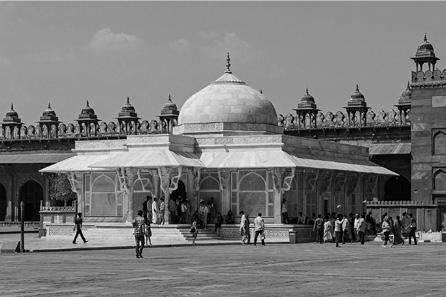
Association with State: Chishti Sufis were closely associated with rulers, as seen in the construction of dargahs like Shaikh Salim Chishti’s in Fatehpur Sikri, symbolizing the bond between Chishtis and the Mughal state. Other Sufi orders like Suhrawardi and Naqshbandi had different modes of association, sometimes accepting courtly offices.
Conflicts: Instances of conflict arose between Sultans and Sufis due to rituals expected by both parties, such as prostration and the use of titles like ‘Sultan among shaikhs’ for Sufi leaders, signifying conflicting assertions of authorit