Plant Vs Animal Cells
Plant vs Animal Cells
Cell
CELL
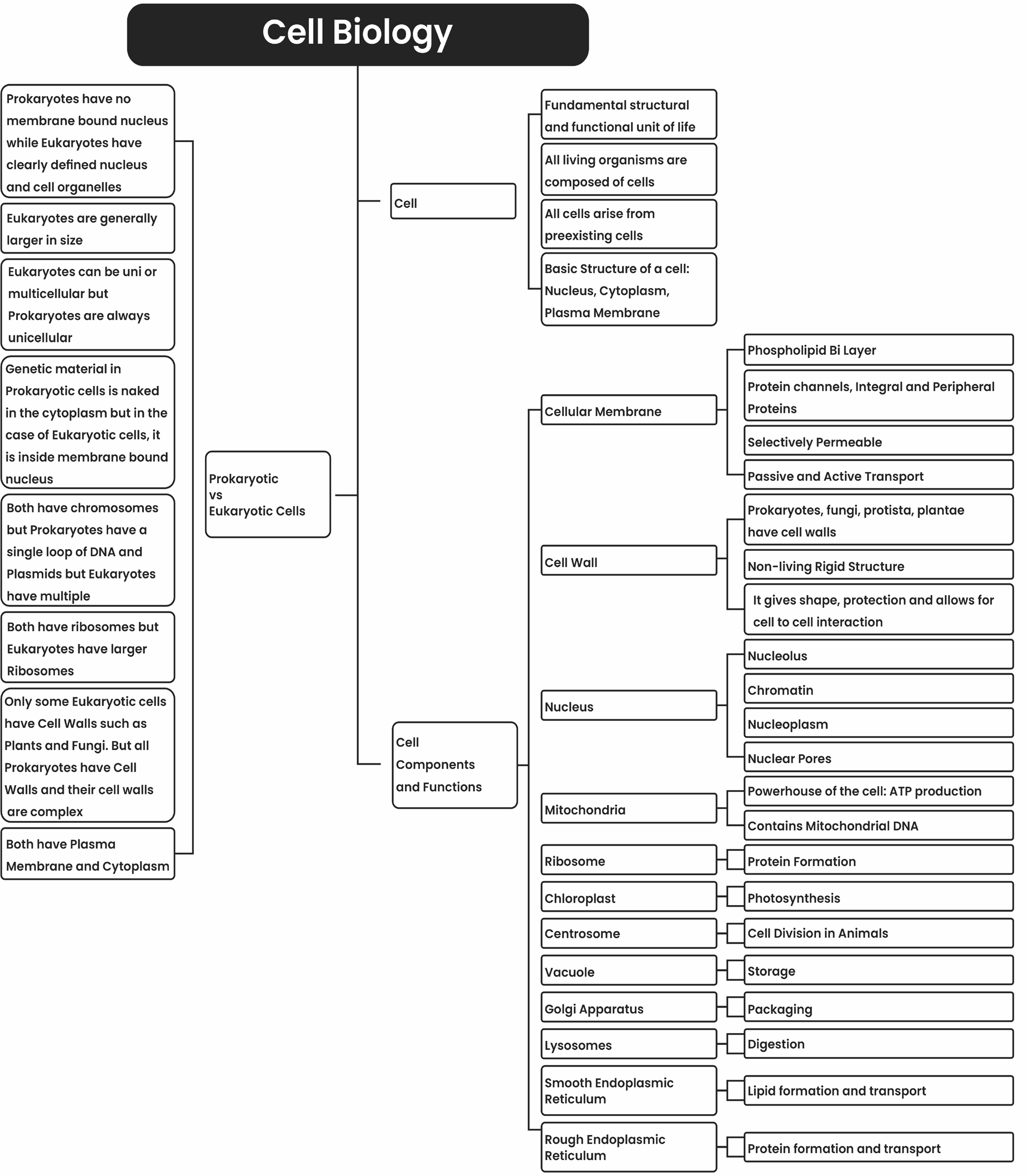
A cell is the basic unit of life. All life are made up of cells. All living organisms are thus made up of cells. Cells are capable of independent existence. Anything less than a complete structure of a cell does not ensure independent living. Hence, the cell is the fundamental structural and functional unit of all living organisms. There are two distinct types of cells: Prokaryotic cells and Eukaryotic cells.
CELL THEORY
The Cell theory was given by Schleiden and Schwann.
The main principles of cell theory are:
All living organisms are composed of cells and products of cells.
All cells arise from pre-existing cells
PROKARYOTIC CELL VS EUKARYOTIC CELL
’Pro’ means old and ‘Eu’ means new. So, the first point to remember is that Eukaryotic cells evolved from Prokaryotic Cells. Basic difference is that Eukaryotic cells have a membrane bound nucleus, whereas prokaryotic cells do not have any membrane covering their nucleus. Thus, in Eukaryotic cells, there is compartmentalisation of cell organelles.
Prokaryotic Cells
Prokaryotes have a cell wall surrounding the cell membrane except in mycoplasma. The fluid matrix filling in the cell is the cytoplasm. There is no well-defined nucleus. The genetic material is basically naked, not enveloped by a nuclear membrane. In addition to the genomic DNA (the single chromosome/circular DNA), many bacteria have small circular DNA outside the genomic DNA. These smaller DNA are called plasmids. The plasmid DNA confers certain unique phenotypic characters to such bacteria. One such character is resistance to antibiotics. Examples of prokaryotic cells are- Bacteria, blue-green algae, mycoplasma, etc.
Eukaryotic Cells
They have extensive compartmentalisation of cytoplasm through the presence of membrane bound organelles. They possess an organised nucleus with a nuclear envelope. Their genetic material is organised into chromosomes.
Differences
| Features | Prokaryotes | Eukaryotes |
| Type of Cell | Always unicellula | Unicellular and multi-cellula |
| Cell wall | Usually present; chemically complex in nature | When present, chemically simple in nature |
| Nucleus | Absent. Instead, they have a nucleoid region in the cell | Present |
| Ribosomes | Present. Smaller in size and spherical in shape | Present. Comparatively larger in size and linear in shape |
| DNA arrangement | Circula | Linea |
| Examples | Bacteria and Archaea | Plant and animal cell |
Classification of All Organisms Into Kingdoms
CLASSIFICATION OF ALL ORGANISMS INTO KINGDOMS
In general, an organism is any single or isolated living species that possesses every characteristic of life. These could be an insect, bird, plant, mammal, or even a microorganism.
Monera- Bacteria are the sole members of the Kingdom Monera.
Protista- All single-celled eukaryotes are placed under Protista, but the boundaries of this kingdom are not well defined. Members of Protista are primarily aquatic. This kingdom forms a link with the others dealing with plants, animals and fungi. Being eukaryotes, the protistan cell body contains a well-defined nucleus and other membrane-bound organelles. Ex. Chrysophytes, Dinoflagellates, Euglenoids, Slime Moulds and Protozoans
Fungi- The fungi constitute a unique kingdom of heterotrophic organisms. Most fungi are heterotrophic and absorb soluble organic matter from dead substrates and hence are called saprophytes. Those that depend on living plants and animals are called parasites. They can also live as symbionts – in association with algae as lichens and with roots of higher plants as mycorrhiza.
Plantae- Kingdom Plantae includes all eukaryotic chlorophyll-containing organisms commonly called plants. A few members are partially heterotrophic, such as the insectivorous plants or parasites. Bladderwort and Venus fly trap are examples of insectivorous plants and Cuscuta is a parasite. The plant cells have a eukaryotic structure with prominent chloroplasts and cell walls, mainly made of cellulose. Plantae includes algae, bryophytes, pteridophytes, gymnosperms and angiosperms.
Animalia- This kingdom is characterised by heterotrophic eukaryotic organisms that are multicellular and their cells lack cell walls. They directly or indirectly depend on plants for food. They digest their food in an internal cavity and store food reserves as glycogen or fat. Their mode of nutrition is holozoic – by ingestion of food. They follow a definite growth pattern and grow into adults that have a definite shape and size. Higher forms show elaborate sensory and neuromotor mechanisms. Most of them are capable of locomotion
Cell Structure
Cell Structure
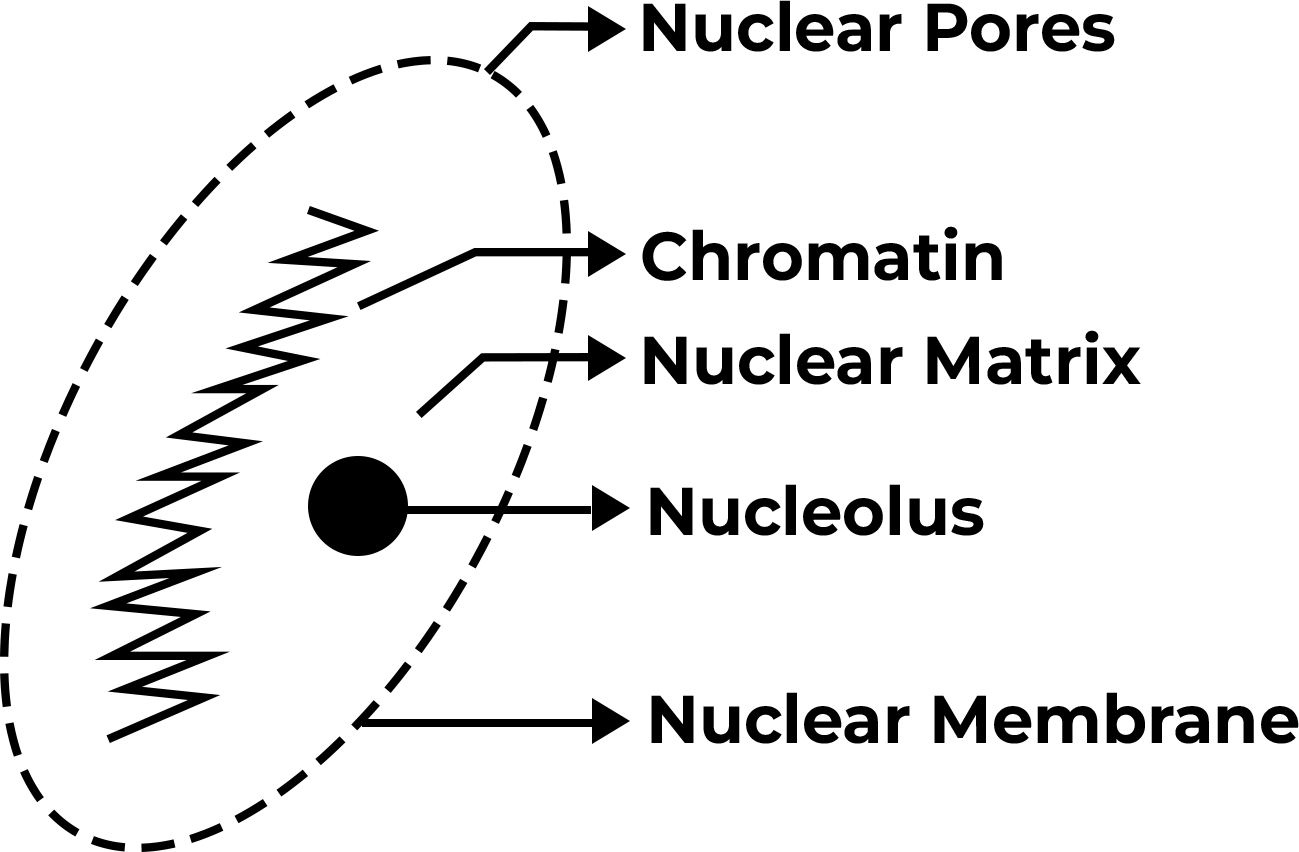
Nucleus- It is the brain of the cell. It controls all the functions of the cell or cellular functions. Nuclear pores are the passages through which movement of RNA and protein molecules takes place in both directions between the nucleus and the cytoplasm. Nuclear matrix or the nucleoplasm contains nucleolus and chromatin. The content of the nucleolus is continuous with the rest of the nucleoplasm as it is not a membrane bound structure. It is a site for active ribosomal RNA synthesis. During different stages of cell division, cells show structured chromosomes in place of the nucleus. The membrane that surrounds the nucleus is known as the nuclear membrane, sometimes known as the nuclear envelope. A double lipid bilayer makes up the nuclear membrane. Each cell’s nucleus houses chromosomes, which are structures that resemble threads and contain the DNA molecule. Each chromosome is composed of DNA that has been tightly wound around proteins known as histones numerous times to support its structural integrity. Under a microscope, it is impossible to see chromosomes in the nucleus of a cell.
Cell Membrane- It is the boundary of the cell. It houses the entire cell and its components. It binds the cell. It is mainly composed of lipids and proteins. The major lipids are phospholipids that are arranged in a bi-layer. The membrane is selectively permeable to some molecules present on either side of it.
Passive transport- When a substance can enter the cell without any spending of energy
Active transport- When energy has to be spent for a foreign substance to enter the cell.
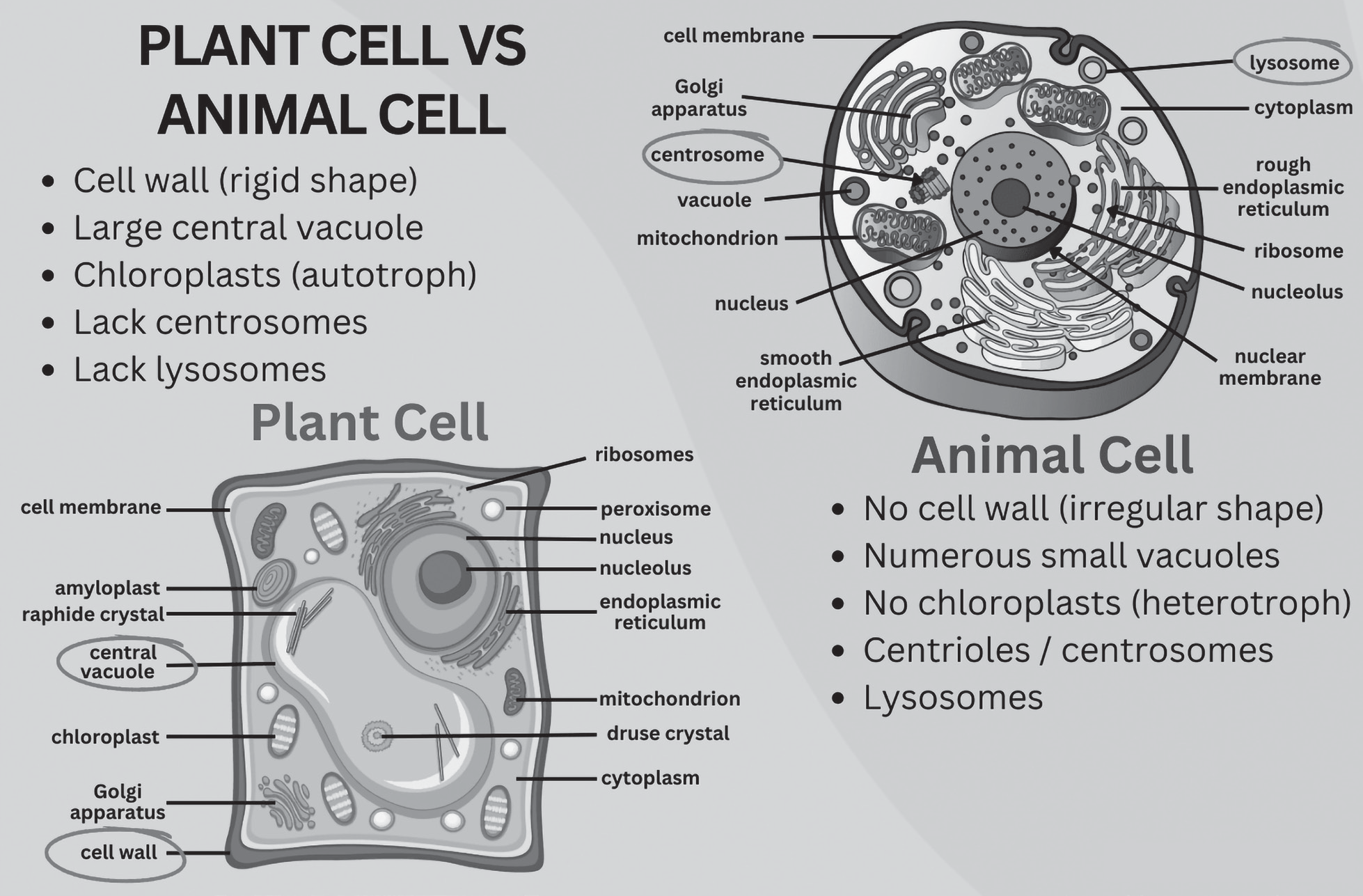
Cell wall- It is a non-living, rigid structure which forms an outer covering for the plasma membrane of fungi and plants. It gives shape to the cell. It also protects the cell from mechanical damage and infection. It allows for cell- to-cell interaction and provides a barrier to undesirable macromolecules.
Algae: have cell wall, made of cellulose, galactans, mannans
Plants: cell wall consists of cellulose, hemicellulose, pectins and proteins.
Animals generally do not have cell walls primarily because they don’t need the rigidity. Because of the motility, animals do not require much rigidity. Therefore, cell wall is absent and only cell membrane is sufficient to provide rigidity, shape etc.
Most Fungi have cell walls
Prokaryotic cells also have cell walls
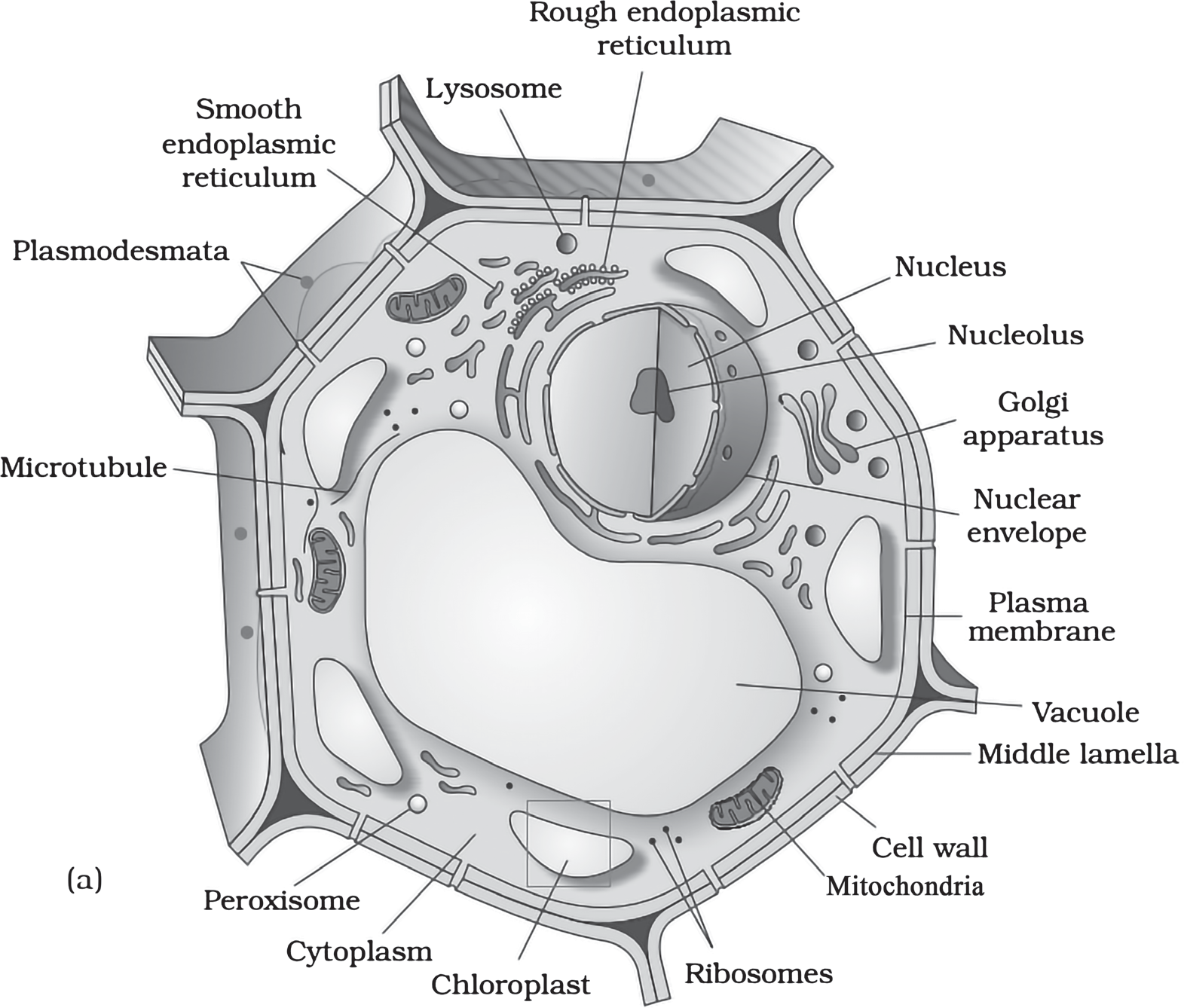
Cytoplasm- Inside this boundary (Cell Membrane) there is a fluid matrix called the Cytoplasm.
The Endoplasmic Reticulum (ER)- It is a network or reticulum of tiny tubular structures scattered in the cytoplasm. It divides the intracellular space into two distinct compartments, i.e., luminal (inside ER) and extra luminal (cytoplasm) compartments. It often has ribosomes attached to its outer surface. The endoplasmic reticulum bearing ribosomes on their surface is called rough endoplasmic reticulum (RER). In the absence of ribosomes, they appear smooth and are called smooth endoplasmic reticulum (SER). RER is frequently observed in the cells actively involved in protein synthesis and secretion. They are extensive and continuous with the outer membrane of the nucleus. The smooth endoplasmic reticulum is the major site for synthesis of lipids.
Ribosomes- It is responsible for forming protein in the cells. It doesn’t have a membrane of its own. It is present in prokaryotic and eukaryotic cells.
Golgi Apparatus- The Golgi Apparatus principally performs the function of packaging materials, to be delivered either to the intra-cellular targets or secreted outside the cell. Golgi apparatus is the important site of formation of glycoproteins and glycolipids.
Lysosome- Lysosomes are known as the "suicide bags" of the cell due to their role in digestion and potential for self-destruction. These are membrane bound vesicular structures formed by the process of packaging in the Golgi apparatus. These enzymes are capable of digesting carbohydrates, proteins, lipids and nucleic acids.
Vacuole- The vacuole is the membrane-bound space found in the cytoplasm. It contains water, sap, excretory products and other materials not useful for the cell. The vacuole is bound by a single membrane called tonoplast. In plant cells the vacuoles can occupy up to 90 per cent of the volume of the cell.
Plastids- Plastids are found in all plant cells. These are easily observed under the microscope as they are large. They bear some specific pigments, thus imparting specific colours to the plants. Based on the type of pigments plastids can be classified into chloroplasts, chromoplasts and leucoplasts. The chloroplasts contain chlorophyll and carotenoid pigments which are responsible for trapping light energy essential for photosynthesis.
Centriole/Centrosome- They aid in cell division (will discuss more later)
Mitochondria- They are membrane-bound structures with the outer membrane and the inner membrane dividing its lumen distinctly into two aqueous compartments, i.e., the outer compartment and the inner compartment. Mitochondria are the sites of aerobic respiration. They produce cellular energy in the form of ATP, hence they are called ‘power houses’ of the cell. The matrix also possesses a single circular DNA molecule, a few RNA molecules, ribosomes and the components required for the synthesis of proteins. The mitochondria divide by fission
Cells and Growth
CELLS AND GROWTH
As all living organisms are made up of cells, for growth to happen, there needs to be multiplication or an increase in the number of cells. For this, cells have to reproduce. This reproduction of cells happens via cell division.
St ructure of DNA
For reproduction/cell division to effectively happen, the information stored inside the cell has to be stored somewhere so that it can be transmitted to the new cell(s). If the information of a cell is not stored, the daughter cells will not have the same characters as the parent cell and as a result, growth will not occur.
APOPTOSIS
The process of programmed cell death is called apoptosis. It is applied in the early stages of development to get rid of undesirable cells, like the ones that grow between a developing hand’s fingers. Adults employ apoptosis to get rid of cells that are too damaged to be repaired. Another function of apoptosis is to prevent cancer.
How and why cells become cancerous?
Cancer occurs when some body cells proliferate out of control and invade other bodily regions. With trillions of cells making up the human body, cancer can begin practically anywhere. Human cells typically divide to create new cells as needed by the body by growing and multiplying. New cells replace old ones when they die as a result of aging or injury.This controlled mechanism can occasionally malfunction, causing damaged or aberrant cells to proliferate and expand when they shouldn’t.
Cancer is a genetic illness, meaning that alterations to the genes that regulate our cells’ growth and division are what cause it. Cancer-causing genetic alterations may occur because:
of error brought upon by cell division.
of DNA deterioration brought on by toxic environmental elements like solar radiation and tobacco smoke’s compounds
Our parents passed them down to us. Normally, damaged DNA cells are eliminated by the body before they become malignant. However, as we age, the body’s capacity to do so decreases. This contributes to the increased risk of cancer in later life.
Dna and Rna
INFORMATION STORAGE- DNA
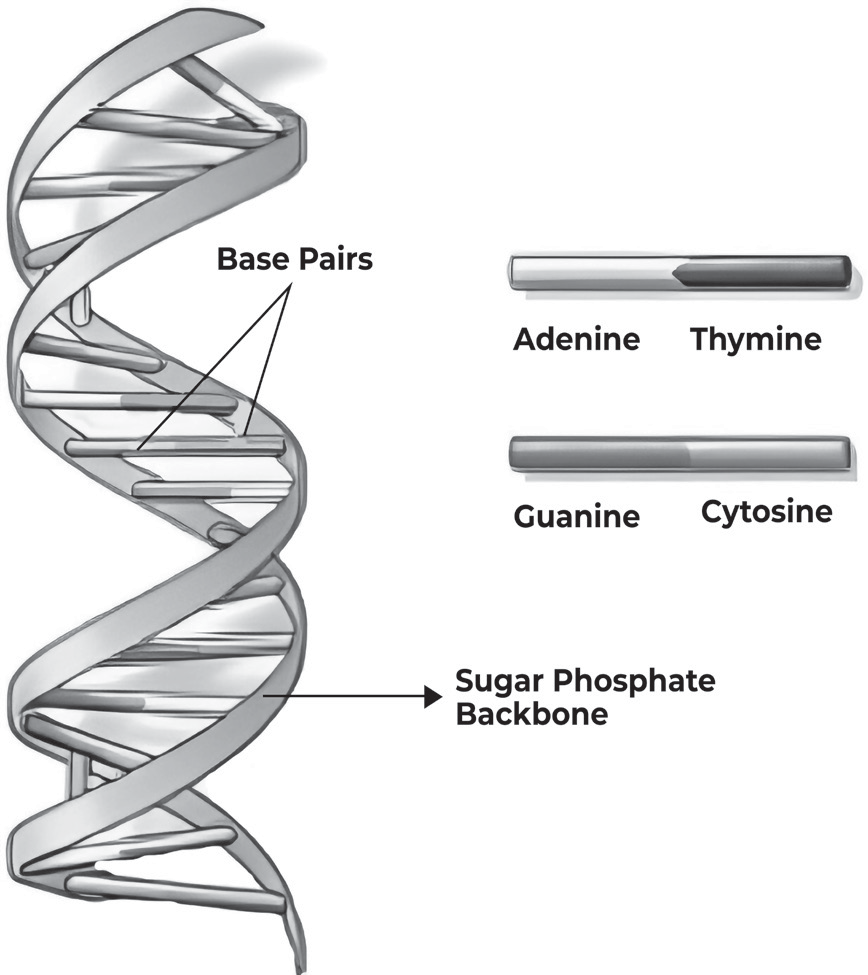
This information of how the cell has to run, what components are required in its functioning, etc. are stored in the Deoxyribonucleic Acid or the DNA of the cell. Important facts about the DNA are:
• DNA is present in the nucleus of the cell.
• DNA has a double helical structure
• But as it is very small, usually a single strand is visible.
• As the information that has to be stored is large, the DNA strands are very large in length (from the perspective of the cell).
• This leads to a problem as there is limited space in the nucleus and if the DNA strands are very large, they cannot be effectively stored.
•
Thus, to deal with the storage problem, this DNA strand
is coiled and condensed to store it.
DNA has nitrogenous bases or chemicals that make it. These are Adenine (A), Thymine (T), Guanine (G) and Cytosine (C). These bases always exist in pairs.
‘A’ always goes with ‘T’ and ‘C’ always goes with ‘G

Coiling of the DNA
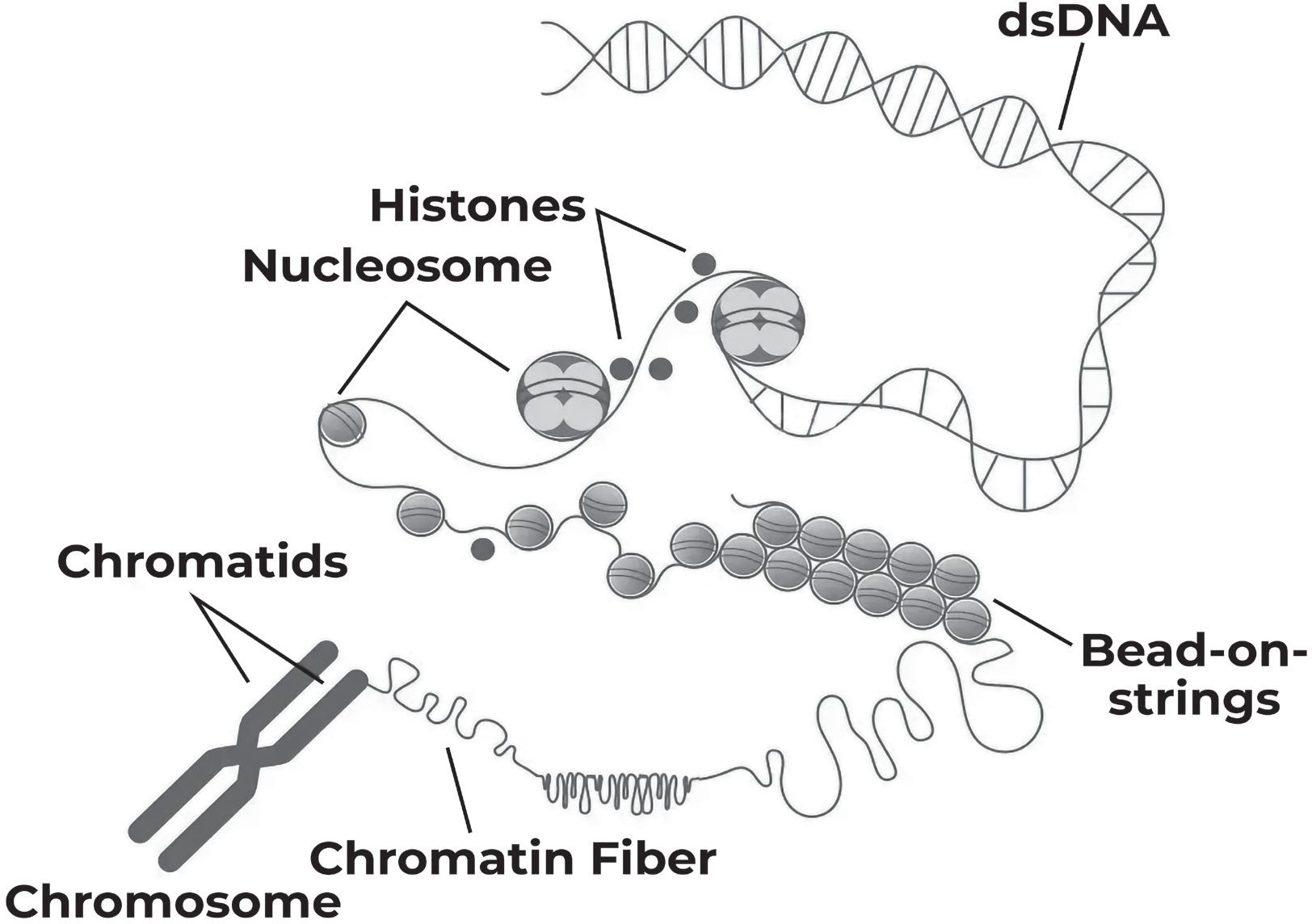
When DNA is coiled with the help of histones it leads to chromatin.
Further, when chromatin is condensed (again, to address storage of information problem), it is called Chromosomes.
Thus, Chromosomes are nothing but extremely condensed DNAs
Why does DNA have the information of the cell? Why not some other cell organelle?
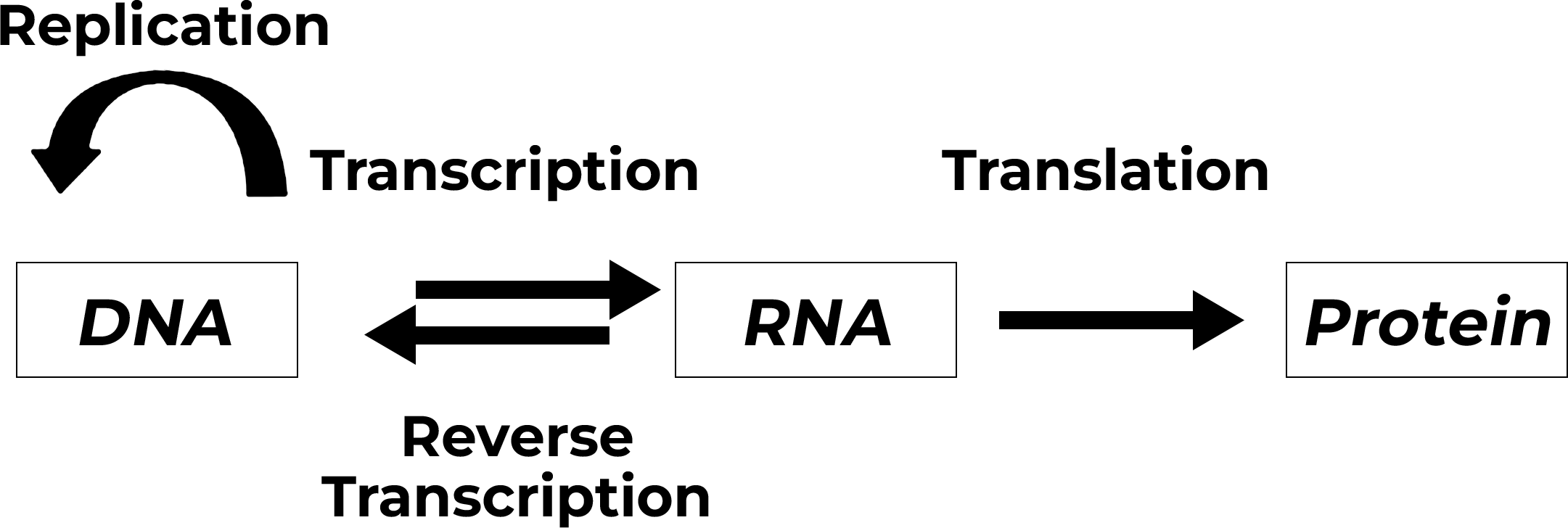
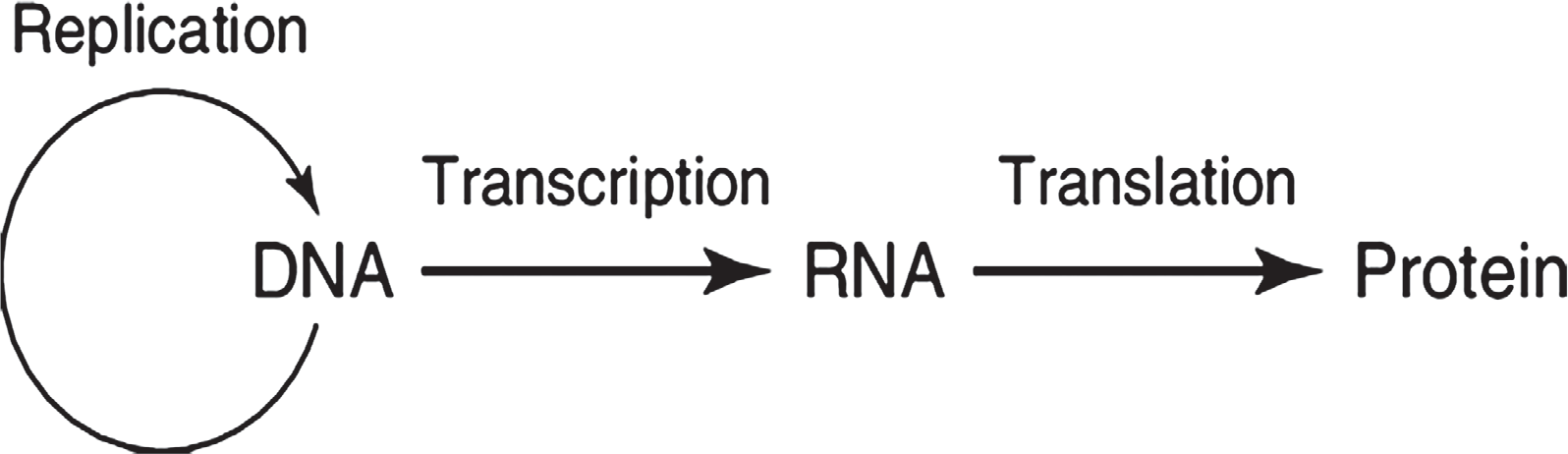
This is because DNA through a process called transcription forms Ribonucleic Acid or RNA. RNA through a process called translation forms proteins (enzymes) needed for the organism. This is also called the Central Dogma or Central Law of Genetics. This happens in all living cells.
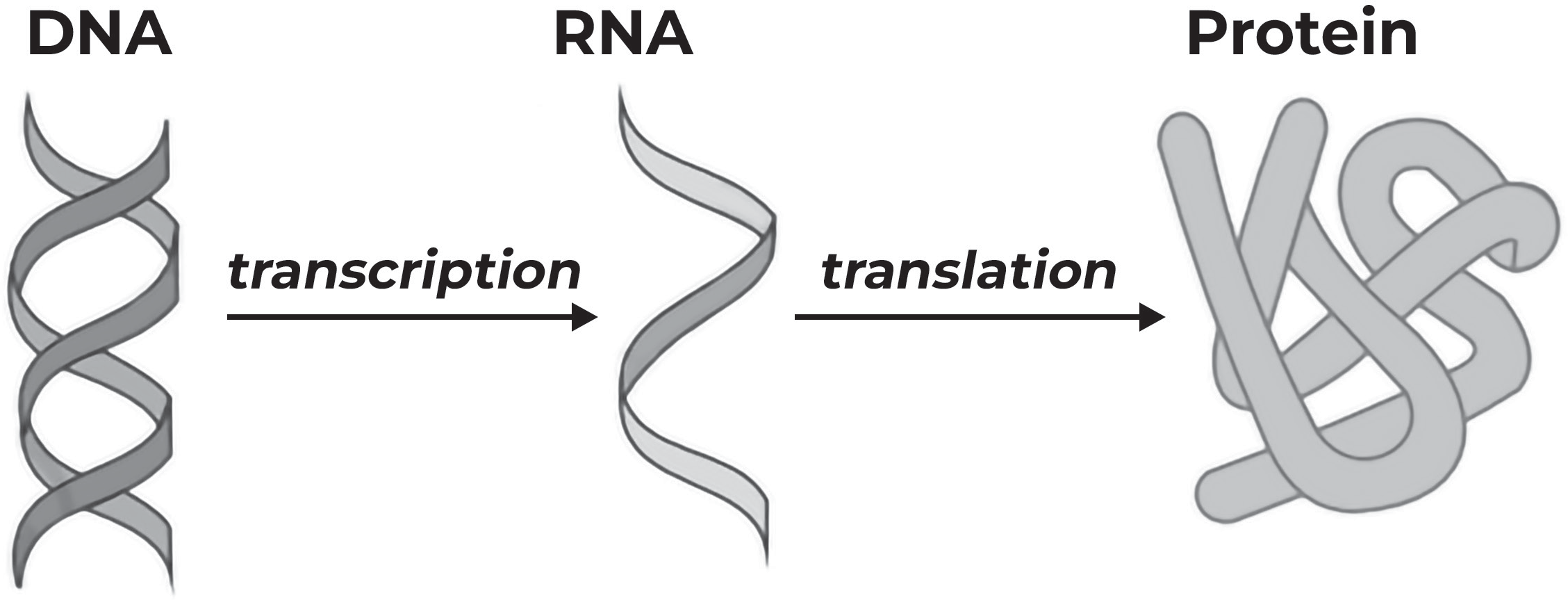
But why does RNA or protein have to be formed?
Proteins (enzymes) are needed for all bodily functions of an organism. For e.g. If you eat sweet food, there is an enzyme called sucrose needed for your body to digest it and give you benefits (energy) from the item you ate.
Supercoiled, helical structure of the DNA is very difficult to read and understand for the cells. Simplification becomes essential and is provided by converting the double stranded DNA into single stranded RNA. Thus, RNA is made so that it is easy to process by the cells.
This happens by using the important information of the DNA - the part of the DNA that codes for various proteins needed for the organism.
RNA is thus a short form of DNA by using the most important parts of the DNA and ignoring the rest.
DNA VS RNA
DNA is double stranded but RNA is single stranded.
RNA sugar component is a ribose rather than a deoxyribose.
DNA has base pairs of Adenine (A), Thymine (T), Guanine
(G) and Cytosine (but RNA has other base pairs- Adenine (A), Urasil (U), Guanine (G) and Cytosine (C). Thus ‘T’ is replaced by ‘U’ in the case of RNA.
DNA forms RNA through the process of transcription while the RNA forms proteins through a process called translation.
Also, because RNA are single strands, RNA molecules don’t form helices; rather, they fold into complex structures that are stabilised by internal complementary base-pairing.
Messenger RNA
There are several different types of RNA. One type of RNA is known as mRNA, which stands for “messenger RNA.” mRNA is RNA that is read by ribosomes to build proteins. While all types of RNA are involved in building proteins, mRNA is the one that actually acts as the messenger.
Transfer RNA
The transfer RNA (tRNA) is held responsible for choosing the correct protein or the amino acids required by the body in-turn helping the ribosomes. It is located at the endpoints of each amino acid. This is also called as soluble RNA and it forms a link between the messenger RNA and the amino acid.
Ribosomal RNA
The rRNA is the component of the ribosome and are located within the in the cytoplasm of a cell, where ribosomes are found. In all living cells, the ribosomal RNA plays a fundamental role in the synthesis and translation of mRNA into proteins. The rRNA is mainly composed of cellular RNA and are the most predominant RNA within the cells of all living beings.
Virus
VIRUS
The Central Law of Genetics has an exception. It does not apply in the case of Viruses. This is because viruses are borderline between living and non-living. Viruses have DNA and/or RNA and some proteins as well. Viruses are non- cellular organisms that are characterized by having an inert crystalline structure outside the living cell. Once they infect a cell, they take over the machinery of the host cell to replicate themselves, killing the host. They are smaller than bacteria because they pass through bacteria specific filters. The virus crystals usually contain protein and some genetic material (DNA or RNA). No virus contains both RNA and DNA.
Then why are viruses between living and non-living?
This is because viruses do not have a cellular structure of their own. They can reproduce but not without a host cell. Because they can multiply or reproduce but only when they have a host, they lie in the grey zone between living and non- living.
How do viruses reproduce in the host cells?
Viruses use the Central Law of Genetics that constantly happens in living organism’s cells to multiply. In other words, a virus integrates itself with the genetic material of the host cell to reproduce. Multiplication of virus keeps happening until the cell is full of so many viruses that it bursts. This kills the cell and leads to a release of all those multiplied viruses inside the cell membrane. Thus, a single virus entering a single cell can cause a dramatic multiplication and ultimately kill the host. E.g. COVID-19 Virus
How Viruses infect and multiply?
The Viruses with just RNA participate in the DNA→ RNA→Protein process but they end up converting and integrating their RNA to DNA of the cell. Since these viruses make their RNA to viral DNA, they perform what is called Reverse Transcription. Viruses can do this because they have specialised enzymes (proteins) of their own. The enzyme responsible for reverse transcription leading to the conversion of the Viral RNA to DNA is Reversetransciptase. Viruses also have other enzymes for other specialised purposes. Another example is the enzyme called integrase which primarily integrates the Viral DNA formed after Reverse Transcription to the cell DNA. Lastly, the Virus uses the enzymes Protease and Nuclease.
Viruses that just have RNA end up changing their RNA to DNA (Reverse of Transcription) These types of viruses are called Retroviruses. Ex. HIV (AIDS). An important point to remember is that viruses can only do this inside a host cell and not independently.