Diseases Caused by Virus
• DISEASES CAUSED BY VIRUS
| Disease | Symptoms/organs affected | Transmission through | Vaccine |
| Influenza | RespiratoryPassages: epithelial lining of trachea and bronchi | Droplet infection | Available: has to constantly change due to mutations in the virus |
| Common Cold | Respiratory Passage | Droplet Infection | Available: Flu shots |
| Small Pox | Visible Skin and Respiratory pathway | Direct contact with infected persons: face to face, bodily fluids or bedding/clothing objects | Vaccine was developed; isn’t needed now because smallpox has been eradicated |
| Chickenpox | Blistering Skin Rash | Air Borne droplets | Live Attenuated Virus Vaccine (LAV) |
| Mumps | Respiratory Passage | Droplets | MMR vaccine (measles, mumps and rubellfor all three which is a LAV |
| Measles | Lungs then it spreads to the skin | Droplets | |
| Rubella (German Measles) | RespiratoryPassageand lymph nodes | Droplets | |
| Polio | Nervous system: leads to paralysis | Faeces and droplets: Role of contamination of water and hygiene | OralPolioVaccine (OPV) Injectable Polio Vaccine: injectable |
| Yellow Feve | Mild: fever, later fatal heart liver and kidney conditions | Vectorbasedspread:aedes mosquitoes | Live Attenuated Vaccines (LAV) |
| Acquired Immunodeficiency Syndrome(AIDS) caused by HIV (Human Immunodeficiency Virus) | HumanImmunodeficiency: destroys immune system | Sexual Intercourse, blood contact, Vertical Transmission | None |
| Ebola | Chills, Dehydration, fever; Ultimately it is fatal | Zoonotic disease and later through contact; even with the dead | None |
| Zika | Mild Illness then dengue like symptoms | Vector Bite: aedes, sometimes sexual | None |
| Rotavirus | Diarrhoea: GI tract | Fecal-oral route, usually through direct contact between people | Recently a vaccine has been developed |
| Japanese Encephalitis | Brain swelling: severe headache; fatal in children | Culex (is a type of mosquito) | Vaccine is available and is a part of National Schedule |
| KFD(KyasanurForest disease) | High grade fever and chills | Transmission to humans may occur after a tick bite or contact with an infected animal | Tissue culture–derived, formalin-inactivated whole virus vaccine |
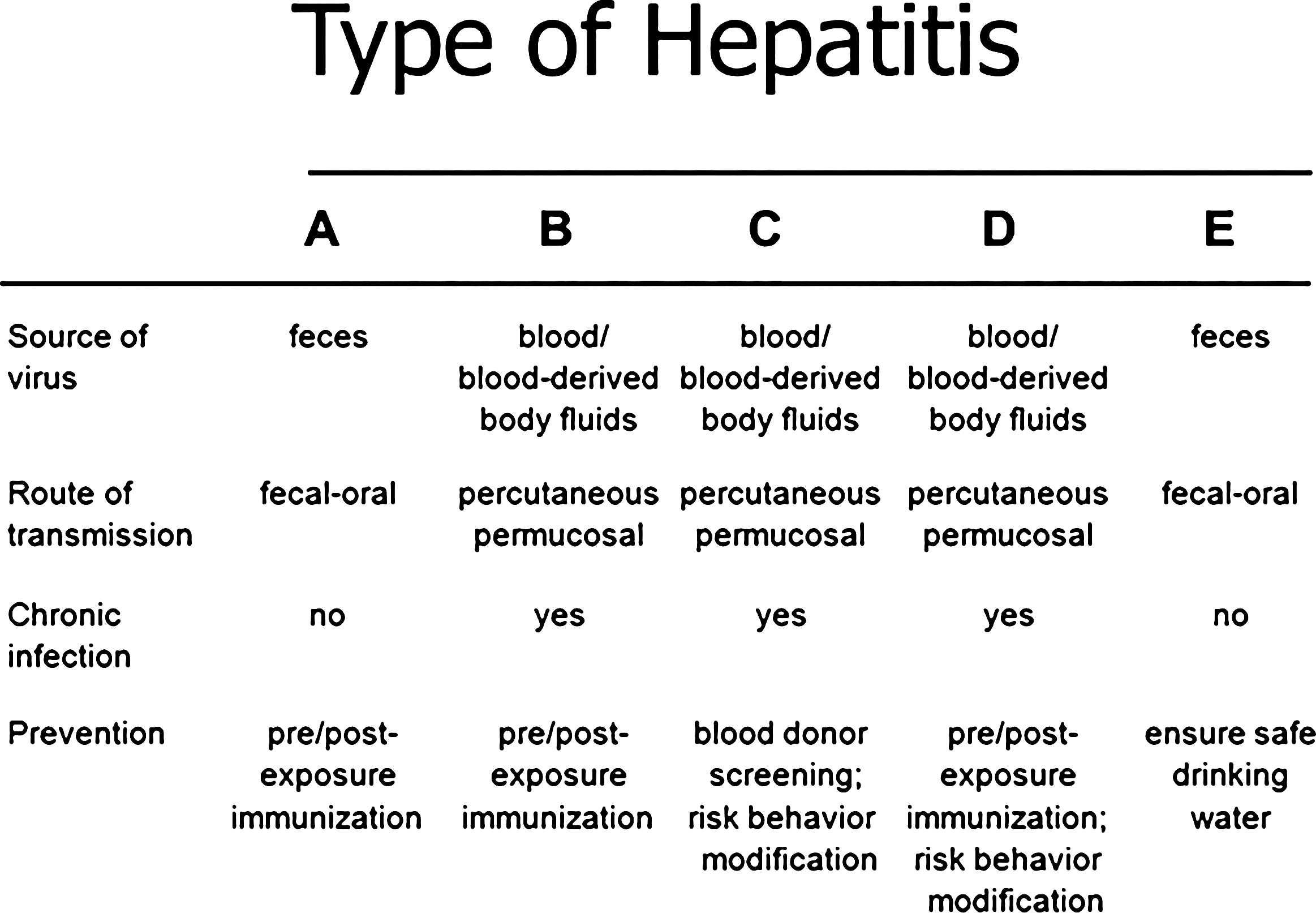
Hepatitis
COVID-19 and Mutations
In a virus, because of the presence of genetic material, mutations are possible. Viruses infect a population by rapid replication. Because the number of replications of a virus is too high, there are higher chances of changes in the genetic material of the virus. This was particularly true in the case of COVID-19 virus. If we have made a vaccine on the basis of the spike protein of one particular variant of the virus, it would not be as effective for different variant. The B cells will have memory through vaccination for a particular type of variant and not all of the variants of the virus.
There are two terms:
Variant: Functional properties different from original virus
Strain: When new variant gets established in population, it is referred to new strain. A strain behaves differently from parent virus. Thus, all strains are variants but not all variants are strains.
As per WHO, variants are classified as:
Variant of Concern: Increased transmissibility, increased fatality, significant decrease in vaccine or therapy effectiveness. For ex: Alpha, Beta, Gamma, Delta, Omicron in the case of COVID-19
Variant of Interest: Disease severity, immune escape, transmissibility, diagnostic escape and increased volume of community transmission. Eta, Kappa, Lambda
Variant Under Monitoring: Genetic changes are there but epidemiological impact is unclear ACE2
It is a protein on the surface of many cell types and tissues including the lungs, heart, blood vessels, kidneys, liver and gastrointestinal tract.
It is an enzyme that generates small proteins – by cutting up the larger protein angiotensinogen – that then go on to regulate functions in the cell.
ACE2 is present in all people but the quantity can vary among individuals and in different tissues and cells.
It is present in epithelial cells, which line certain tissues and create protective barriers.
ACE2 is a vital element in a biochemical pathway that is critical to regulating processes such as blood pressure, wound healing and inflammation, called the renin- angiotensin-aldosterone system (RAAS) pathway.
ACE2 helps modulate the many activities of a protein called angiotensin II (ANG II) that increases blood pressure and inflammation, increasing damage to blood vessel linings and various types of tissue injury
It provides the entry point for the coronavirus to hook into and infect a wide range of human cells.
Influenza Virus
It causes respiratory infection.
Flu/Viral Fever is a contagious respiratory illness caused by influenza viruses that infect the nose, throat, and sometimes the lungs. It can cause mild to severe illness, and at times can lead to death. The best way to prevent flu is by getting a flu vaccine each year.
There are 4 types of seasonal viruses: A, B, C and D.
A and B cause seasonal epidemics.
Influenza A: classified on basis of proteins on surface of virus.
H9N2, H5 COVID-19 and Hantavirus both are harmful disease spread through virus but on the other hand both are fundamentally different in structure, fatality, tropism
N1 are avian influenza infection period and impact on human organs. COVID-19 is a contagious respiratory disease transmitted between humans and the credible source of origin and reason of origin is yet not clear, however some experts believes that it is transmitted through bat to humans with first case noticed in Wuhan in China.
Hantavirus is a rare, zoonotic disease transmitted primarily from rodents to humans, with a much higher fatality rate as compared to COVID-19
Food and Nutrients
INTRODUCTION
We normally relate the terms diseases and illness interchangeably in relation to health, even though these words do not mean the same. Health is the general condition of a person in respect to all aspects of life. It is also a level of functional and/or metabolic efficiency of an organism. The word metabolic is the adjective of the term metabolism which means the whole range of big chemical processes that occur within us or any living organism to produce energy and basic materials needed for important life processes. Diseases and illness adversely affect these processes. And thus health, diseases and illness are inter-related.
FOOD AND NUTRIENTS
Food is any solid or liquid that, when ingested, digested, and assimilated by the body, supplies it with nutrients— vital components that keep the body healthy. It is a basic requirement for survival. Food gives us energy and helps the body grow and repair its tissues and organs. It also controls bodily systems and shields the body from illness.
The process through which the body converts food into energy and bodily tissues is known as nutrition. It supplies vital nutrients for the body’s growth, repair, and energy
production as well as the efficient operation of several systems. Although it focuses on the human body, it is significant for all living things. People may feel and look their best, stay active and healthy both now and in the future, and maintain their health with a balanced diet that includes frequent intake of the right nutrients. The nutrients required for optimal bodily function are supplied by a well-balanced diet.
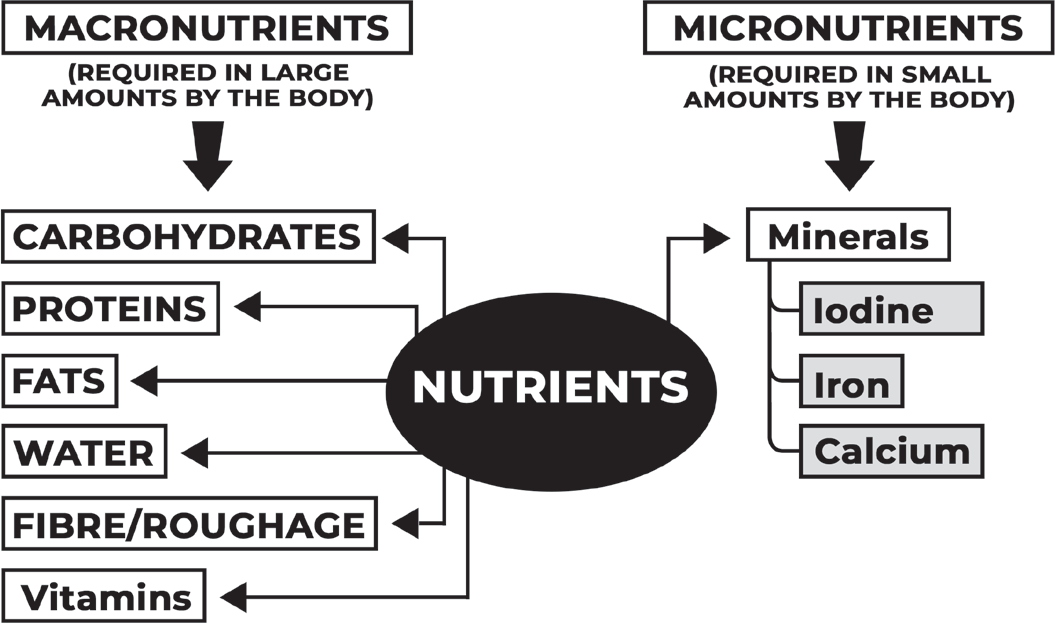
Nutrients, including carbohydrates, proteins, fats, minerals, vitamins, water, and fiber, are essential for maintaining health. Most foods contain multiple nutrients, such as milk with proteins and fats. Nutrients can be classified as macronutrients and micronutrients based on their daily consumption
What Are Diseases
WHAT ARE DISEASES? DOES BEING DISEASE FREE MEAN HEALTHY?
Word Breakdown: Disease = Dis (disturbed) + ease. In other words, disease means being uncomfortable. In biology, the word is used to refer to specific and particular causes of the discomfort. When the functioning of one or more organs or systems of the body is adversely affected, characterised by various signs and symptoms, we say that we are not healthy, i.e., we have a disease. Diseases can be broadly grouped into infectious and non-infectious. Diseases which are easily transmitted from one person to another, are called infectious diseases. Infectious diseases are very common and every one of us suffers from these at some time or other. Some of the infectious diseases like AIDS are fatal. Among non-infectious diseases, cancer is the major cause of death. Drug and alcohol abuse also affect our health adversely.
Being healthy means that you are well physically, socially and mentally. Therefore, simply being disease free does not mean that you are healthy, because you may suffer socially. Diseases only usually refer to physical health. For ex. being unwilling to interact with others. In the recent times, mental health is also considered important and mental diseases are being recognized universally as well.
According to World Health Organisation (WHO) ‘‘Health is the state of complete physical, emotional and social well- being, not merely the absence of diseases or infirmity.’
Transfats
Transfats
• Transfat, or trans- fatty acids, are unsaturated fatty acids that come from either natural or industrial sources.
• Naturally occurring trans-fat come from ruminants (cows and sheep).
• Industrially produced trans-fat are found in hardened vegetable fats such as margarine and are often present in snack foods, baked goods and fried foods.
• Industrially produced trans-fats are formed in a process that adds hydrogen to vegetable oil converting the liquidinto a solid, resulting in “partially hydrogenated” oil (PHO).
• Manufacturers often use them as they have a longer shelf life and are cheaper than other fats.
• Health Impacts: Intake of TFA is associated with increased risk of heart attacks and death from coronary heart disease
• Approximately 540,000 deaths each year globally and 60,000 in India can be attributed to intake of industrially produced TFA

Initiatives for controlling transfats
• WHO releases a trans-fat elimination report called Countdown to 2023
• Replace Action Framework: to eliminate industrially produced TFA from food
• WHO recommendation: Transfat intake should be less than 1% of energy uptake
• It is a part of Triple billion target of WHO: which covers 1 billion more people benefitting from universal health coverage, 1 billion more people better protected from health emergencies and 1 billion more people enjoying better health and well-being.
Initiatives taken by the Government of India
• Target to make country TFA Free
• Phased target: reduce TFA in all food products containing all oils and fats less than 2% from 1 January 2022
• Trans fat free logo: When food contains less than 0.2g per 100g or 100ml and if edible oils or fats contain less than 1g of TFA per 100ml or 100g
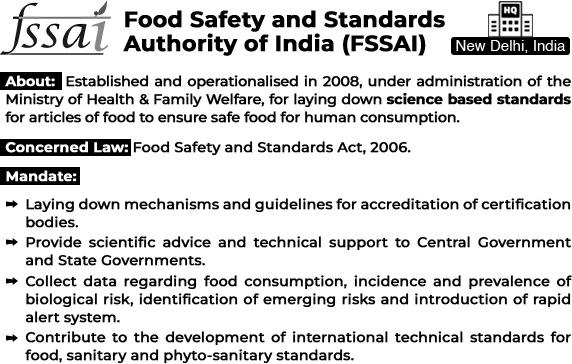
• Multilingual Mass media campaign called heart attack rewind campaign. This is run by FSSAI.
Common Diseases in Humans
COMMON DISEASES IN HUMANS
Diseases caused by nutritional Problems: It is important to have knowledge about the nutritional problems in our country.
Macronutrient Deficiencies
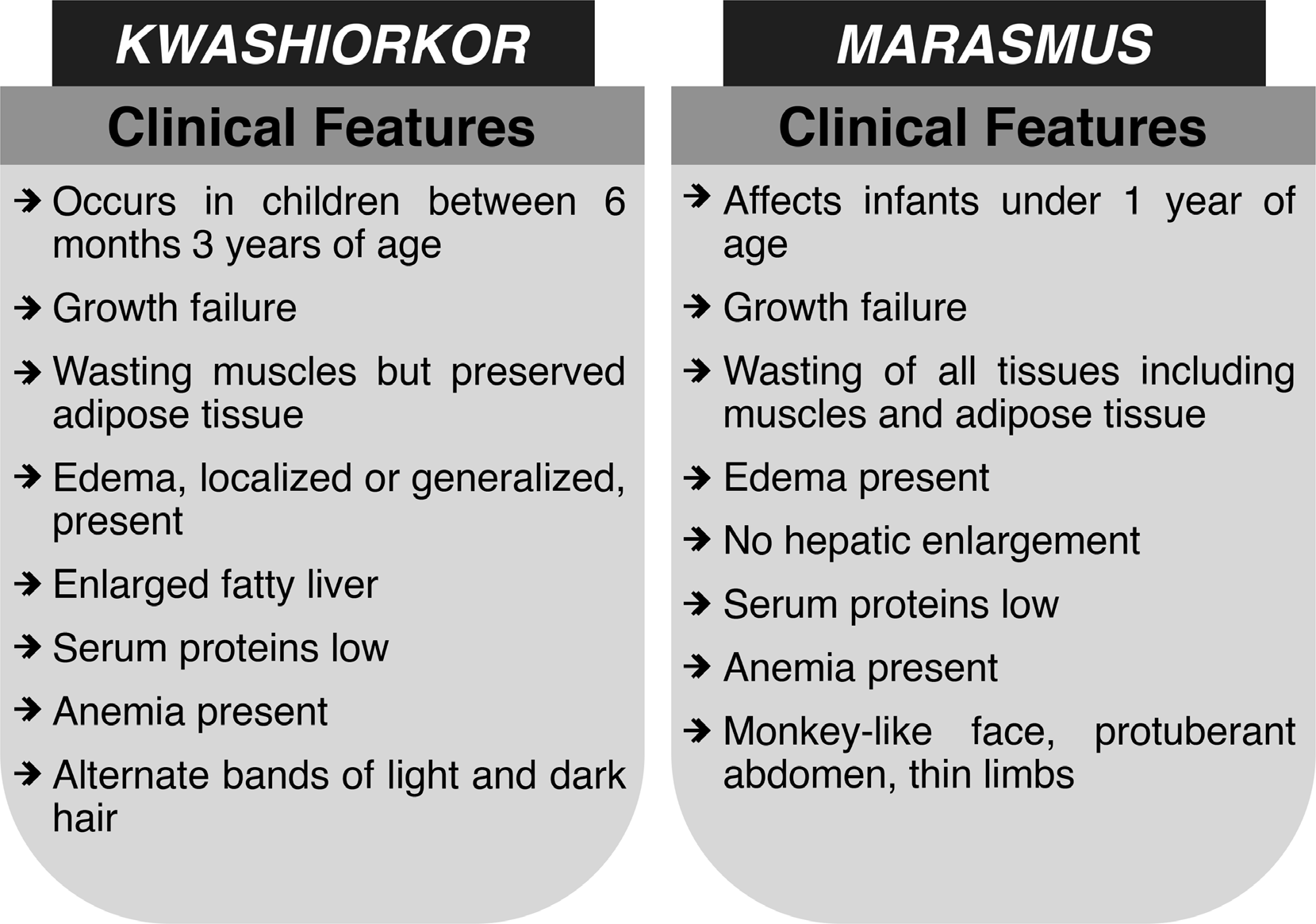
Protein- Energy Malnutrition (PEM): Can be found in every society, even in developed and industrialised countries, although the numbers are fewer in the latter as compared to developing countries. It is caused by inadequate food intake vis–a–vis the requirements, i.e., insufficient intake of the macronutrients (energy and protein). Children are at greatest risk although PEM can occur in adults especially the elderly, as well as in some diseases e.g., T.B., AIDS, etc. It is assessed by evaluating the anthropometric measurements (weight, height, head-chest circumference, etc.).
Severe undernutrition due to deficiency of food and energy is termed as ‘marasmus’ and that caused by protein deficiency is termed ‘kwashiorkor’
Micronutrient deficiencies
Even if the diet is not deficient in energy and protein content it may contain inadequate amounts of other nutrients especially micronutrients viz. minerals and vitamins. The term “hidden hunger” is used to refer to micronutrient deficiency. The deficiencies of iron, vitamin A, iodine, zinc is of major public health concern. In addition, there is growing concern about deficiency of vitamin B12, folic acid, calcium, vitamin D and riboflavin. Some micronutrient deficiencies of public health concern are described below:
Vitamin Deficiency
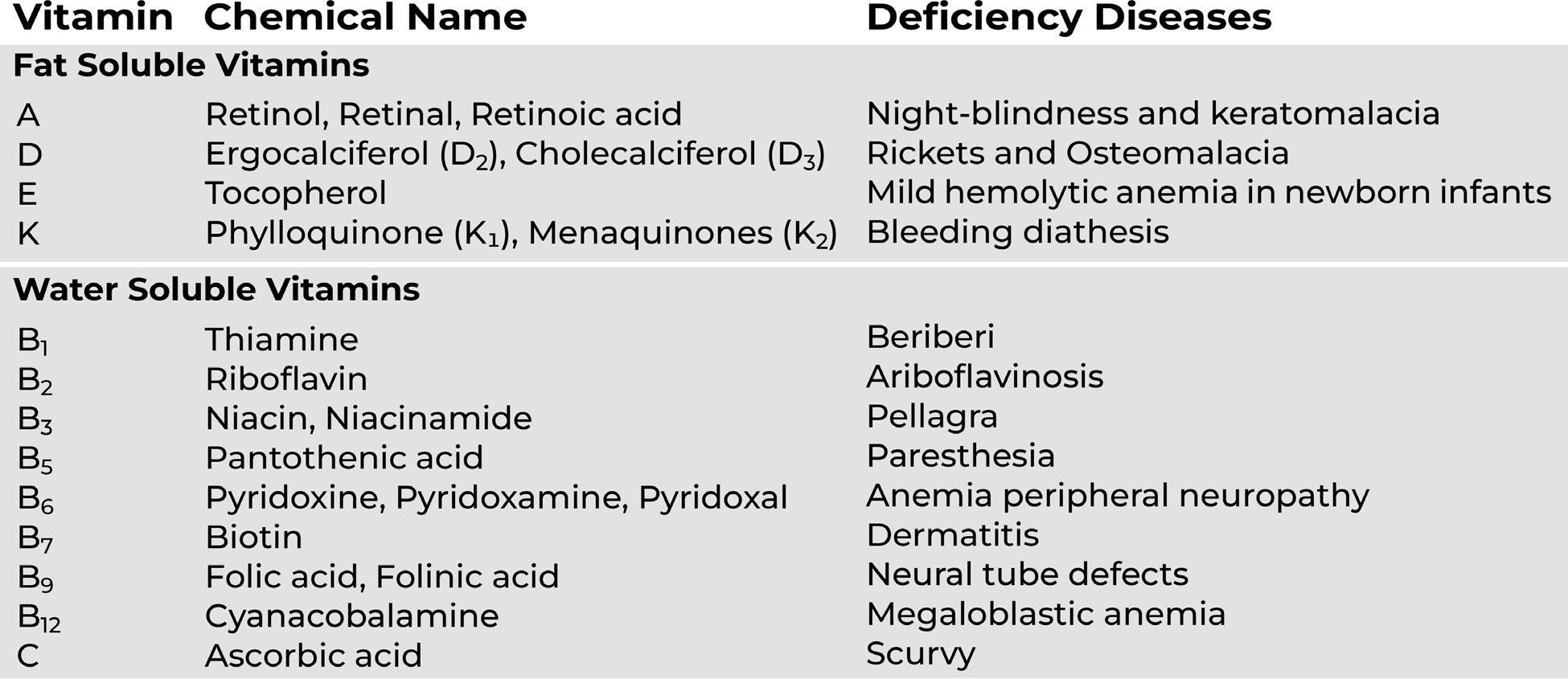
Iron Deficiency Anaemia: It is the most common nutritional disorder in the world and is prevalent in both developed and developing countries. The vulnerable groups are women in child–bearing age, adolescent girls, pregnant women and school age children. IDA occurs when haemoglobin production is considerably reduced and it results in low levels of haemoglobin in blood. Symptoms depend on the rate of fall in haemoglobin. Since haemoglobin is required for carrying oxygen in the body, any physical exertion leads to shortness of breath (breathlessness on slight exertion) and the person complains of fatigue and may feel lethargic. Manifestations of IDA include general pallor, paleness of conjunctiva of eyes, tongue and nail beds and soft palate. In children, cognitive functions (attention span, memory, concentration) are adversely affected.
Iodine deficiency disorders (IDD): Iodine is required for normal mental and physical growth and development. IDD is an ecological phenomenon, largely due to deficiency of iodine in the soil. Some of the states in India where IDD is common are– Jammu and Kashmir to Arunachal Pradesh in the Himalayan belt, Andhra Pradesh, Karnataka, Kerala, Maharashtra and Madhya Pradesh. The term ‘Iodine Deficiency Disorders’ refers to a spectrum of disabling conditions that affect the health of humans, from foetal life through adulthood due to inadequate dietary intake of iodine. Deficiency of iodine results in insufficient amount of thyroid hormone which is synthesised by the thyroid gland. Enlarged thyroid known as ‘goitre’ is themost common manifestation of iodine deficiency in adults. In children it manifests as cretinism. Iodine deficiency in adults during pregnancy has several adverse effects specially resulting in mental retardation and congenital abnormalities of the foetus. Unfortunately, this effect is irreversible. IDD is estimated to affect about 13 per cent of the world’s population and about 30 per cent are at risk
Diseases Causative Pathogens and Their Transmission
Diseases: Causative Pathogens and Their Transmission
Diseases can be caused by a variety of pathogens. These include:
Bacteria
Viruses
Protozoa
Fungi
Diseases are communicable and non-communicable. The diseases which can spread from one person to the other are communicable diseases. For e.g.: COVID- 19, common cold, etc.
Diseases which cannot spread between and among people are called as non-communicable diseases. For e.g.: heart disease, diabetes, cancer, etc.
Some ways in which communicable diseases spread are by:
Physical contact with an infected person, e.g., through touch (staphylococcus), sexual contact (gonorrhoea, HIV), faecal/oral transmission (hepatitis A), or droplet (influenza)
Contact with a contaminated surfaces or objects (Norovirus), food (salmonella, E. coli), blood (HIV, Hepatitis B), or water (Botulism)
Insect or animal bites capable of transmitting the disease (Malaria caused by mosquitos and Lyme disease caused by tick bites) Airborne, such as tuberculosis or measles.
Diseases Caused by Bacteria
DISEASES CAUSED BY BACTERIA
| Disease Name | Causative Organism | Symptoms/Organs Affected | Transmission | Vaccination |
| Diptheria | Corynebacterium diptheria | Respiratory Tract | Through respiratory droplets,likefrom coughing or sneezing | Toxoid Vaccine |
| Tuberculosis | Mycobacterium tuberculosis | Mainly Lungs | Droplet Infection, Drinking milk from infected cattle | BCG living attenuated bacteria.Certain Antibiotics like stretomycin also help |
| Pertusis (whooping cough) | Bordetella pertusis | Respiratory Tract | Droplet | Killed Vaccine |
| Gonorrhea | N. gonorrhea | ReproductiveTract, blindness in infants | Sexually Transmitted Disease and Vertically through the mothe | No vaccine but treatable through antibiotics |
| Syphillis | T. pallidum | ReproductiveTract, laterotherorgans including brain | STD | No vaccine but treatable through antibiotics |
| Tetanus | Clostridium tetani | Affects blood, becomes a toxin and then later causes lock jaw | Woundbreakson rusted iron | Toxoid vaccine |
| Cholera | Vibrio cholera | Gastro-intestinal tract: causes diarrhoea | Oro-faecal:through water/objects/vector etc. | Antibiotics |
| Typhoid | Salmonella typhi | GI tract then other organs | Oro-faecal:through water/objects/vector etc. | Ty21a and Vi capsular polysaccharide vaccine |
| Bacterial Dysentary | Shigella | GI tract | Oro-faecal:through water/objects/vector etc. | None, but it is treatable |
| Haemophilus Influenza type B (Hidisease | H. influenzae | Lungs:causes pneumonia Brain: Meningitis | Respiratory Droplets | Vaccine is available and is covered in the National Schedule |
Tuberculosis
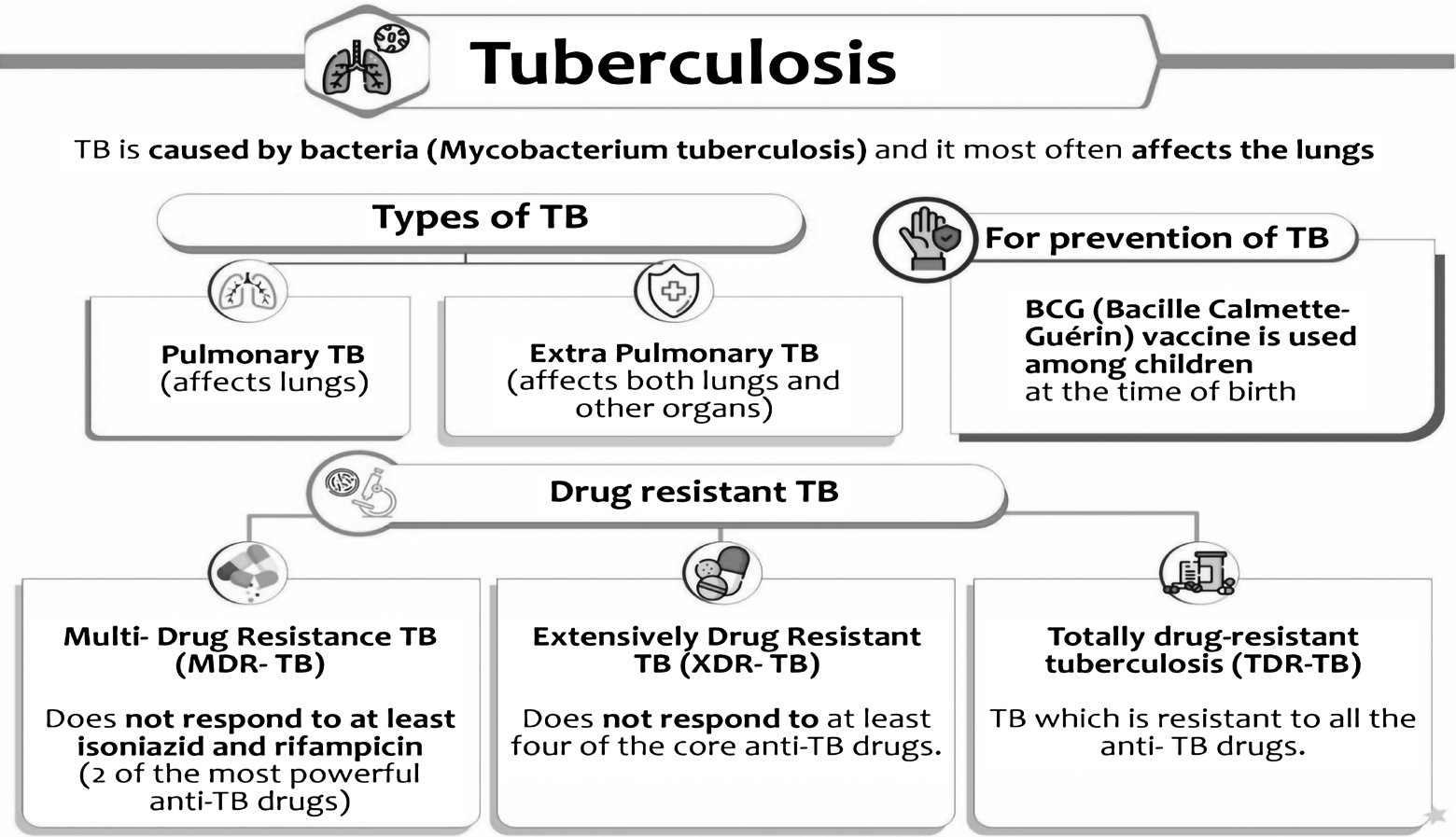
Tuberculosis (TB) is an infectious disease that most often affects the lungs and is caused by a type of bacteria. It spreads through the air when infected people cough, sneeze or spit.
Tuberculosis is preventable and curable.
About a quarter of the global population is estimated to have been infected with TB bacteria. About 5–10% of people infected with TB will eventually get symptoms and develop TB disease.
Those who are infected but not (yet) ill with the disease cannot transmit it. TB disease is usually treated with antibiotics and can be fatal without treatment.
In certain countries, the Bacilli Calmette-Guerin (BCG) vaccine is given to babies or small children to prevent TB. The vaccine prevents TB outside of the lungs but not in the lungs.
Multidrug-resistant TB
Drug resistance emerges when TB medicines are used inappropriately, through incorrect prescription by health care providers, poor quality drugs, or patients stopping treatment prematurely.
• Multidrug-resistant tuberculosis (MDR-TB) is a form of TB caused by bacteria that do not respond to isoniazid and rifampicin, the 2 most effective first-line TB drugs. MDR-TB is treatable and curable by using second-line drugs. However, second-line treatment options require extensive medicines that are expensive and toxic.
• In some cases, more extensive drug resistance can develop. TB caused by bacteria that do not respond to the most effective second-line TB drugs can leave patients with very limited treatment options.
• MDR-TB remains a public health crisis and a health security threat. Only about 2 in 5 people with drug resistant TB accessed treatment in 2022.
• In accordance with WHO guidelines, detection of MDR/ RR-TB requires bacteriological confirmation of TB and testing for drug resistance using rapid molecular tests or culture methods.
India and TB
India has a disproportionate amount of TB cases. Till now, India’s plans to deal with TB was to prevent its spread and control the causes behind the diseases. Now, with the launch of the TB Mukt Bharat Abhiyaan, the focus is on the eradication of the disease. Let’s look at an overview of India’s strategies with respect to TB:
• National Strategic Plan (2017-25) to address the TB epidemic in India- having measurable, attainable realistic and time-bound goals and was an update to the 2015 document. The WHO has also released a set of guidelines to support the NSP. It aims to eliminate TB in India by 2025.
• Nikshay Portal: National TB information system and a National Data Repository
• Nikshay Poshan Yojana: Provides Direct Benefits Transfer (DBT) to all TB patients towards nutritional support, by Ministry of Health and Family Welfare. It is financed by Government of India and the World Bank.
• TB Mukt Bharat Abhiyaan: Prime Minister’s initiative to eradicate TB by 2025
• Patho detect kit: Indigenous TB kit
Global Plans
Moscow Declaration, 2017
WHO end TB strategy: incidence reduction by 80%, reduce TB deaths by 90% and eliminate catastrophic costs
Find all, Treat all, End TB: Partnership between WHO, Stop TB partnership and Global Fund to end TB
BPaL: 6-month oral regimen for TB using 3 drugs, Bedaquilline, Pretomanid, Linezolid
Reduced time of treatment: 18 months to 6 months. Made by TB alliance, a Not-for-profit organisation
Pentavalent Vaccine
The Government of India has decided to introduce pentavalent vaccine in the national immunization programme in selected states. Pentavalent vaccine provides protection to a child from 5 life-threatening diseases – Diphtheria, Pertussis, Tetanus, Hepatitis B and Hib. DPT (Diphtheria + Pertussis + Tetanus) and Hep B are already part of routine immunization in India; Hib vaccine is a new addition. Together, the combination is called Pentavalent. Hib vaccine can prevent serious diseases caused by Haemophilus influenzae type b like pneumonia, meningitis, bacteraemia, epiglottitis, septic arthritis etc. Giving pentavalent vaccine reduces the number of pricks to a child, and provides protection from all five diseases.
Protozoan Diseases
PROTOZOAN DISEASES
Filariasis
Lymphatic filariasis, considered globally as a neglected tropical disease (NTD), is a parasitic disease caused by microscopic, thread-like worms. The adult worms only live in the human lymph system. The lymph system maintains the body’s fluid balance and fights infections. Lymphatic filariasis is spread from person to person by mosquitoes. It causes the swelling of the lymph nodes and is also called as Elephantiasis.
Malaria
Malaria is a life-threatening disease caused by parasites that are transmitted to people through the bites of infected female Anopheles mosquitoes. It is preventable and curable. There are 5 parasite species that cause malaria in humans, and 2 of these species – Plasmodium falciparum and Plasmodium vivax – pose the greatest threat. Both of these species are found in India.
Malaria mostly spreads to people through the bites of some infected female Anopheles mosquitoes. The infection is caused by a parasite and does not spread from person to person. Blood transfusion and contaminated needles may also transmit malaria. The first symptoms may be mild, similar to many febrile illnesses, and difficulty to recognize as malaria. Left untreated, P. falciparum malaria can progress to severe illness and death within 24 hours.
According to the latest World Malaria Report (Released by the WHO), there were 249 million cases of malaria in 2022 compared to 244 million cases in 2021. The estimated number of malaria deaths stood at 608 000 in 2022 compared to 610
000 in 2021.
The WHO African Region continues to carry a disproportionately high share of the global malaria burden. In 2022 the Region was home to about 94% of all malaria cases and 95% of deaths. Children under 5 years of age accounted for about 78% of all malaria deaths in the Region. Additionally, nearly 83% of malaria cases in South East Asian region are in India.
Malaria Control Strategies
• Early case Detection and Prompt Treatment (EDPT)
• EDPT is the main strategy of malaria control - radical treatment is necessary for all the cases of malaria to prevent transmission of malaria.
• Chloroquine is the main anti-malaria drug for uncomplicated malaria.
• Drug Distribution Centres (DDCs) and Fever Treatment Depots (FTDs) have been established in the rural areas for providing easy access to anti-malarial drugs to the community.
• Alternative drugs for chloroquine resistant malaria are recommended as per the drug policy of malaria.
•
Vector Control
• Chemical Control
• Use of Indoor Residual Spray (IRS) with insecticides recommended under the programme
• Use of chemical larvicides like Abate in potable water
• Aerosol space spray during day time
• Malathion fogging during outbreaks
• Biological Control
• Use of larvivores fish in ornamental tanks, fountains etc.
• Use of biocides.
• Personal Prophylactic: Measures that individuals/ communities can take up
• Use of mosquito repellent creams, liquids, coils, mats etc.
• Screening of the houses with wire mesh
• Use of bed nets treated with insecticide
• Wearing clothes that cover maximum surface area of the body
• Community Participation
• Sensitizing and involving the community for detection of Anopheles breeding places and their elimination
• NGO schemes involving them in programme strategies
• Collaboration with CII/ASSOCHAM/FICCI
• Environmental Management & Source Reduction
Methods
• Source reduction i.e., filling of the breeding places
• Proper covering of stored water
• Channelization of breeding source
• Monitoring and Evaluation of the programme
• Monthly Computerized Management Information System (CMIS)
• Field visits by state-by-State National Programme Officers
• Field visits by Malaria Research Centres and other ICMR Institutes
• Feedback to states on field observations for correction actions.
• Other Important Plans
• Malaria Elimination Research Alliance (MERA)- India: Its purpose is to identify, articulate, prioritise and respond to the research needs of the country to eliminate malaria from India by 2030.
• E-2025 initiative: Under this, WHO has identified group of 25 countries with the potential to eradicate malaria by 2025.
• High Burden to High Impact (HBHI) initiative: In 2019, WHO has initiated the HBHI initiative in 11 high malaria burden countries, including India (West Bengal and Jharkhand, Chhattisgarh and Madhya Pradesh)
• National Strategic Plan for Malaria Elimination (2017-22)
• Ministerial Declaration on Accelerating and Sustaining Malaria Elimination in South-East Asia Region (SEAR)
High Burden to High Impact (HBHI) initiative: In 2019, WHO has initiated the HBHI initiative in 11 high malaria burden countries, including India (West Bengal and Jharkhand, Chhattisgarh and Madhya Pradesh)
National Strategic Plan for Malaria Elimination (2017-22)
Ministerial Declaration on Accelerating and Sustaining Malaria Elimination in South-East Asia Region (SEAR)
Kala Azar
• Visceral leishmaniasis is commonly known as kala- azar (KA), a word coined in the late nineteenth century in India, which means “black disease”, referring to the greyish or blackish discoloration of the skin during infection, from the Hindi word for black (kala) and the Persian word for disease (azar).
• Kala-azar is a slow progressing indigenous disease caused by a protozoan parasite of genus Leishmania. Sandfly is the vector for this disease.
• It is endemic to the Indian subcontinent
• In India Leishmania donovani is the only parasite causing this disease
• The parasite primarily infects reticuloendothelial system and may be found in abundance in bone marrow, spleen and liver.
• Post Kala-azar Dermal Leishmaniasis (PKDL) is a condition when Leishmania donovani invades skin cells, resides and develops there and manifests as dermal lesions. Some of the kala-azar cases manifests PKDL after a few years of treatment. Recently it is believed that PKDL may appear without passing through visceral stage. However, adequate data is yet to be generated on course of PKDL manifestation.
ANTI-MICROBIAL RESISTANCE
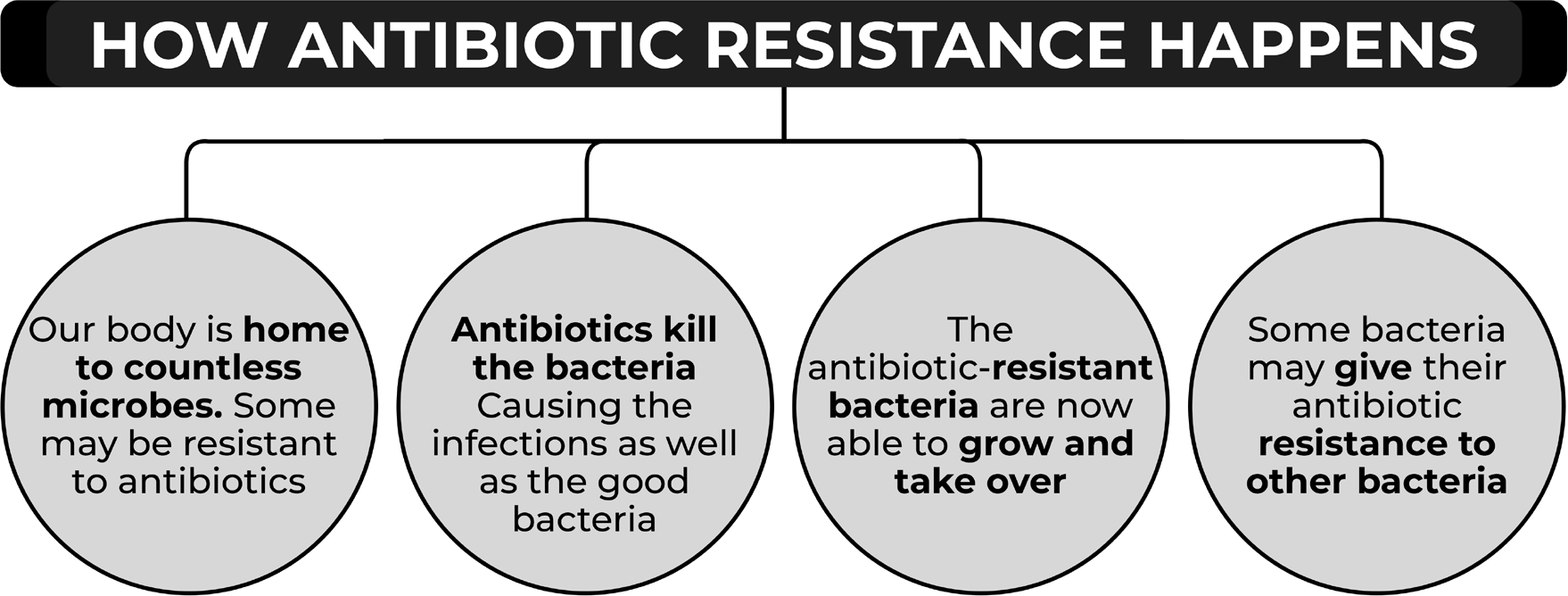
According to the World Health Organisation (WHO), “Antimicrobial resistance (AMR) threatens the effective prevention and treatment of an ever-increasing range of infections caused by bacteria, parasites, viruses and fungi”. AMR occurs when bacteria, viruses, fungi and parasites change over time and no longer respond to medicines making infections harder to treat and increasing the risk of disease spread, severe illness and death. As a result, the medicines become ineffective and infections persist in the body, increasing the risk of spread to others. Antimicrobials including antibiotics, antivirals, antifungals and antiparasitics - are medicines used to prevent and treat infections in humans, animals and plants. Microorganisms that develop antimicrobial resistance are sometimes referred to as “superbugs”. WHO has declared AMR as one of the top 10 global public health threats facing humanity.
What are Neglected Tropical Diseases?
Neglected tropical diseases (NTDs) are a diverse group of conditions that are mainly prevalent in tropical areas, where they thrive among people living in impoverished communities. They are caused by a variety of pathogens including viruses, bacteria, parasites, fungi and toxins, and are responsible for devastating health, social and economic consequences.
Why are they called ‘Neglected’?
They are ‘neglected’ because they are almost absent from the global health agenda. Even today, when the focus is on Universal Health Coverage, NTDs have very limited resources and are almost ignored by global funding agencies. NTDs are diseases of neglected populations that perpetuate a cycle of poor educational outcomes and limited professional opportunities; in addition, are associated with stigma and social exclusion.
Diseases under the NTD list are:
• Buruli ulcer (Mycobacterium ulcerans infection)
• Chagas disease (also known as American trypanosomiasis)
Chromoblastomycosis
Dengue and severe dengue
Dracunculiasis (guinea-worm disease)
Echinococcosis
Foodborne trematode infections
Trypanosomiasis, human African (sleeping sickness)
Leishmaniasis
Leprosy
Lymphatic filariasis
Mycetoma
Noma
Onchocerciasis
Podoconiosis (non-filarial lymphoedema)
Rabies
Scabies
Schistosomiasis
Snakebite envenoming
Soil-transmitted helminth infections
Sporotrichosis
Taeniasis/cysticercosis
Trachoma
Tungiasis
Yaws
Anti-microbial Resistance.
Key facts:
• 1.27 million deaths per year are directly caused by bacterial AMR.
• 4.95 million deaths per year are associated with bacterial AMR (more than HIV, TB and Malaria combined).
• 1 in 5 deaths caused by AMR occurred in children under the age of five – often from previously treatable infections.
• 6 Priority bacterial pathogens account for >70% of the
AMR deaths.
• Drug-resistant pathogens (AMR) are primarily driven by misuse and overuse of antimicrobials in humans, animals, and plants.
• AMR affects countries at all income levels and regions, with poverty and inequality being the most significant.
• AMR puts modern medicine at risk, making infections harder to treat and other medical procedures riskier.
• The world faces an antibiotics pipeline and access crisis, with an inadequate research and development pipeline and urgent need for equitable access to vaccines, diagnostics, and medicines.
• AMR also has significant economic costs, with the World Bank estimating AMR could result in $1 trillion in additional healthcare costs by 2050 and $1 trillion to
$3.4 trillion GDP losses per year by 2030.
• Priorities to address AMR include preventing infections, ensuring universal access to quality diagnosis and treatment, and strategic information and innovation, such as surveillance of AMR and antimicrobial consumption/ use.
Reasons for AMR
• Poor hygiene and infection prevention and control
• Overuse of antimicrobials
• Over prescription by doctors and Non-prescription purchase in many countries
• If a person does not complete a course of antimicrobial drugs, some microbes may survive and develop resistance to the drug
• Practice of adding antibiotics to agricultural feed promotes drug resistance
• Environment plays a significant role wherein waste from farms, factories, community (such as mass bathing) and healthcare settings can contribute to AMR through environmental routes
India's Initiatives for Amr
India's initiatives for AMR
India’s Initiatives for Containing Antimicrobial Resistance (AMR)
Antimicrobial Resistance (AMR) is a major public health challenge that threatens the effectiveness of antibiotics, increases healthcare costs, and raises mortality rates. Recognising its seriousness, India has undertaken several institutional, regulatory, and behavioral initiatives.
• National Programme on AMR Containment
Launched by the Ministry of Health and Family Welfare, this programme aims to strengthen laboratory capacity, promote rational use of antibiotics, and generate data on resistant pathogens. It focuses on surveillance of priority pathogens in tertiary healthcare institutions and improves infection prevention and control practices.
• National Action Plan on Antimicrobial Resistance (NAP-AMR)
India adopted the NAP-AMR (2017–2021) in alignment with the WHO Global Action Plan on AMR.
It follows a One Health approach, integrating human health, animal health, agriculture, and the environment. Key objectives include:
• Improving awareness and understanding of AMR
• Strengthening surveillance and research
• Reducing infection incidence
• Optimising antimicrobial use
• Promotingsustainable investments in AMR containment
Several States have also developed State Action Plans on AMR (SAP-AMR).
• NAP-AMR 2.0 (2025-29)
• To confine AMR by promoting national and international collaboration to establish platform which focused on expansion of laboratory capacity for education and training regarding AMR
• Red Line Campaign
• The Red Line Campaign is a public awareness initiative where antibiotics are marked with a red line on packaging.
• It warns consumers that these medicines should not be taken without a doctor’s prescription, discouraging self- medication and misuse of antibiotics.
• Integrated One Health Surveillance Network for AMR
• India has established an integrated surveillance framework under the One Health approach to monitor AMR across:
• Human health
• Veterinary sector
• Food chains
• Environmental sources
• Institutions such as ICMR, NCDC, ICAR, and DBT collaborate to generate comprehensive AMR data, helping in evidence-based policymaking.
• FSSAI Guidelines on Antibiotics in Food Products
• The Food Safety and Standards Authority of India (FSSAI) has issued regulations limiting antibiotic residues in food products, especially in:
• Milk
•
Meat
• Fish and poultry
This step addresses the misuse of antibiotics in livestock and aquaculture, which is a major driver of AMR.
• Chennai Declaration
The Chennai Declaration (2012) is a consensus document adopted by Indian medical societies.
It provides a roadmap to:
Rationalise antibiotic use
Strengthen infection control
Improve hospital antibiotic stewardship programmes
It marked one of the earliest organised professional responses to AMR in India.
• Schedule H-1 Drugs Regulation
Under the Drugs and Cosmetics Rules, Schedule H-1 includes critical antibiotics that:
• Cannot be sold without a valid prescription
• Require pharmacists to maintain sales records
• This legal measure aims to curb over-the-counter sale and irrational consumption of high-end antibiotics.
• Use of Bacteriophages
India is exploring bacteriophage therapy as an alternative to antibiotics.
Bacteriophages are viruses that specifically infect and kill bacteria. They offer promise in treating drug-resistant infections and are being researched by institutions such as ICMR and DBT-supported labs