DIFFERENT REGIONAL NAGARA TEMPLE ARCHITECTURE
Central India Temples
Shared Traits
Sandstone construction: This is the most striking feature giving the temples a warm, earthy tone and a unique textural quality.
Amalaka and Kalash: These crowning elements are present on all Nagara temples of the period, signifying the peak and completion of the structure.
Point to remember Modest scale: Most Central Indian temples are relatively small, with four pillars supporting a simple mandapa (hall) and a similarly small garbhagriha (sanctum).
Specific Temples
Udaigiri and Sanchi: These cave temples offer a glimpse into early temple architecture, with Udaigiri being part of a larger complex and Sanchi featuring a temple near its famous stupa.
Deogarh Temple: This early 6th-century temple exemplifies the late Gupta style, showcasing the panchayatana layout with five shrines (one main and four smaller ones) arranged on a rectangular plinth.
Chausath Yogini temples: Predating the 10th century, these small, square shrines built of rough-hewn granite are dedicated to various goddesses associated with the rise of Tantric worship. Several such temples can be found across Madhya Pradesh, Odisha, and even Tamil Nadu.
Khajuraho Temples: This world-famous group of temples features both Hindu and Jain shrines. Khajuraho is particularly renowned for its extensive erotic sculptures, which are seen as an integral part of human experience and the cosmic whole, not merely expressions of sensuality.
Lakshmana Temple: This 954 CE Nagara temple dedicated to Vishnu sits on a high platform and features intricate carvings that exemplify the Chandela style.
Kandariya Mahadeo Temple: Considered the pinnacle of Central Indian temple architecture, this majestic Nagara temple dedicated to Shiva showcases exquisite sculptures, intricate details and a harmonious blend of architectural elements.
Western Indian Temples
Variety and Material
• Western India boasts a vast array of temples, concentrated in Gujarat, Rajasthan and western Madhya Pradesh.
• The stone used for construction varies significantly, offering a unique palette of colours and textures.
• Sandstone, in its various shades is the most common material.
• Grey to black basalt adds a distinctive touch to some 10th-12th century temple sculptures.
• White marble, prized for its soft texture and ease of manipulation, graces Jain temples in Mount Abu (10th-12th century) and the Ranakpur temple (15th century).
Key Temples
• Shamlaji in Gujarat: This site holds immense art- historical significance, showcasing intricate carvings and diverse architectural styles.
• Sun Temple at Modhera: Built in 1026 by Solanki king Bhimdev I, this early 11th-century temple is renowned for its stunning architecture and symbolic alignment.
• Suryakund: A massive rectangular stepped tank, considered the grandest in India, sits in front of the Modhera Sun Temple. The temple's central shrine aligns perfectly with the sun rays during equinoxes, creating a breathtaking spectacle.
• Jain Temples in Mount Abu: These exquisite 10th-12th century temples, carved from white marble, showcase the intricate artistry and religious significance of Jain architecture.
• Ranakpur Temple: This 15th-century marvel, also crafted from white marble, boasts an awe-inspiring layout with 1444 pillars, each unique in its design.
Eastern India Temples
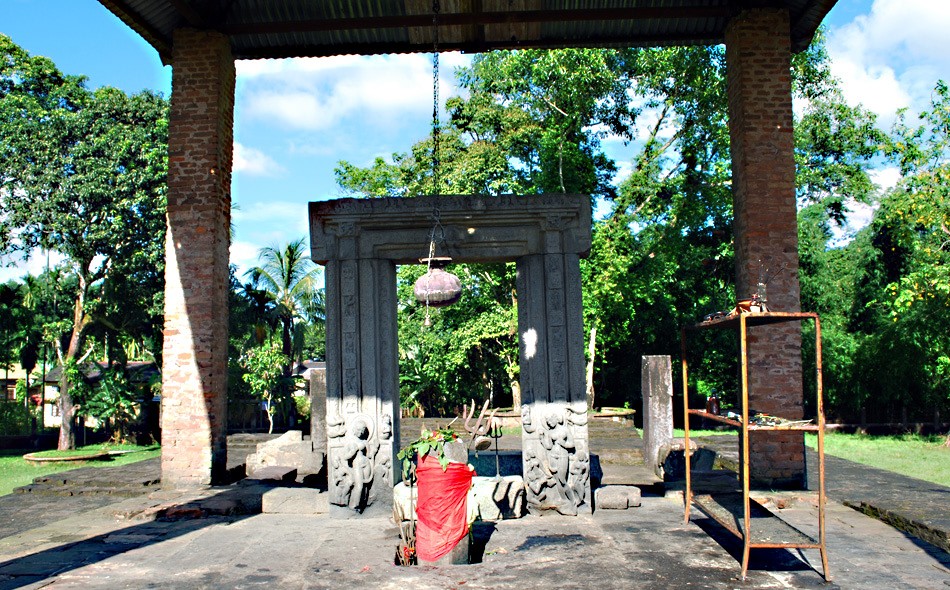
Doo r Frame (Dah Parvatia)
• Eastern Indian temples encompass a vast region, including the North East, Bengal and Odisha, each with distinct architectural styles and material preferences.
• Point to remember Terracotta: Notably, terracotta was the primary medium for temple construction and decorative elements, particularly in Bengal, until the 7th century.
• Sculpted plaques depicting Buddhist and Hindu deities were commonly crafted from this material.
Assam
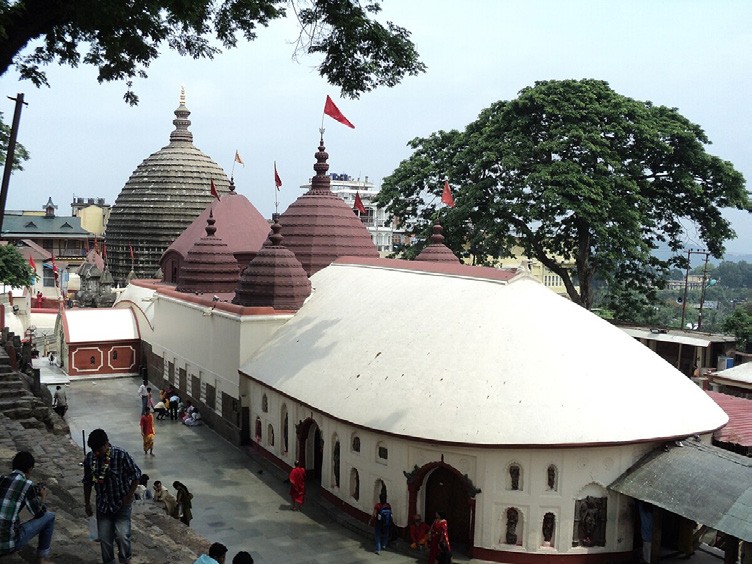
Kamakhya Temple
• Evidence of Gupta-style architectural elements can be found in Assam, such as the 6th-century sculpted doorframe from Dah Parvatia and stray sculptures from
Rangagora Tea Estate.
• Ahom style (12th-14th centuries): A distinct regional style emerged through the fusion of the Tai migration from Upper Burma with the dominant Pala style of Bengal. This led to the creation of the Ahom style, exemplified by the iconic Kamakhya temple, a 17th-century Shakti Peeth dedicated to Goddess Kamakhya.
Bengal
• Pala and Sena styles: The period between the 9th and 11th centuries in Bengal and Bihar witnessed the Pala style, named after the ruling dynasty and known for its association with Buddhist monastic sites. This was followed by the Sena style (mid-11th to mid-13th centuries), which expressed the local Vanga style.
• Examples: The 9th-century Siddheshvara Mahadeva Temple in Barakar showcases the early Pala style with its tall, curving shikhara. Later, during the Mughal period and beyond, unique terracotta brick temples emerged in Bengal and Bangladesh, incorporating elements of local bamboo-hut construction techniques.
Odisha
• Rekhapida, Pidhadeul, and Khakra: Odisha's temple architecture is classified into three main orders: rekhapida, pidhadeul, and khakra. These styles define the forms and ornamentation of the spires (deuls) and other temple components.
• Ancient Kalinga: Most major temple sites are located in the ancient Kalinga region, encompassing modern Puri
District. Bhubaneswar (ancient Tribhuvanesvara), Puri, and Konark are prime examples of this concentration. Notably, Odisha temples often feature mandapas called
jagamohana preceding the deuls.