HISTORY OF CIVIL WAR
When the civil war between Sri Lankan Tamils and the Sinhalese majority escalated in 1983, India played an active role in the conflict. In 1987, the Indo-Sri Lankan Accord was signed in an attempt to find a political solution to the ongoing crisis.
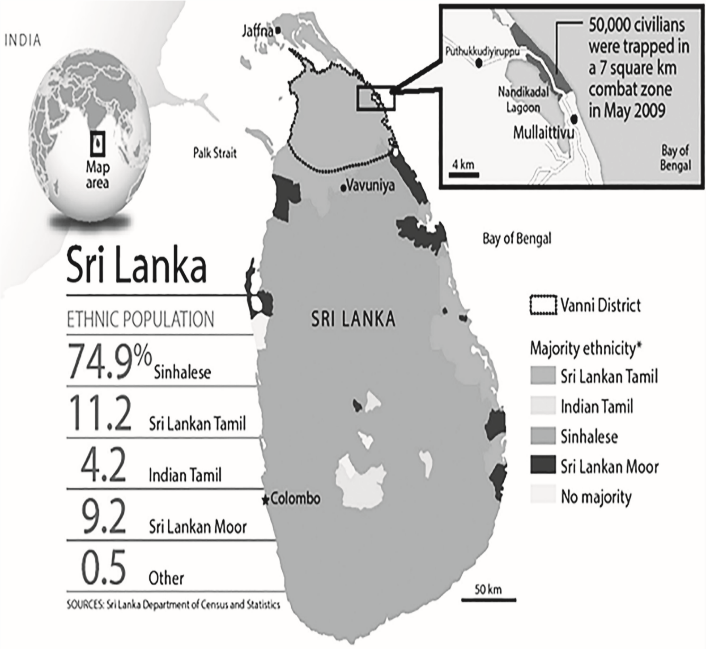
In the years following independence, the Sinhalese, who resented British favouritism toward Tamils during the colonial period, disenfranchised Tamil migrant plantation workers from India and made Sinhala the official language
In 1972, the Sinhalese changed the country’s name from Ceylon to Sri Lanka and made Buddhism the nation’s primary religion.
As ethnic tension grew, in 1976, the LTTE was formed under the leadership of Velupillai Prabhakaran, and it began to campaign for a Tamil homeland in northern and eastern Sri Lanka, where most of the island’s Tamils reside.
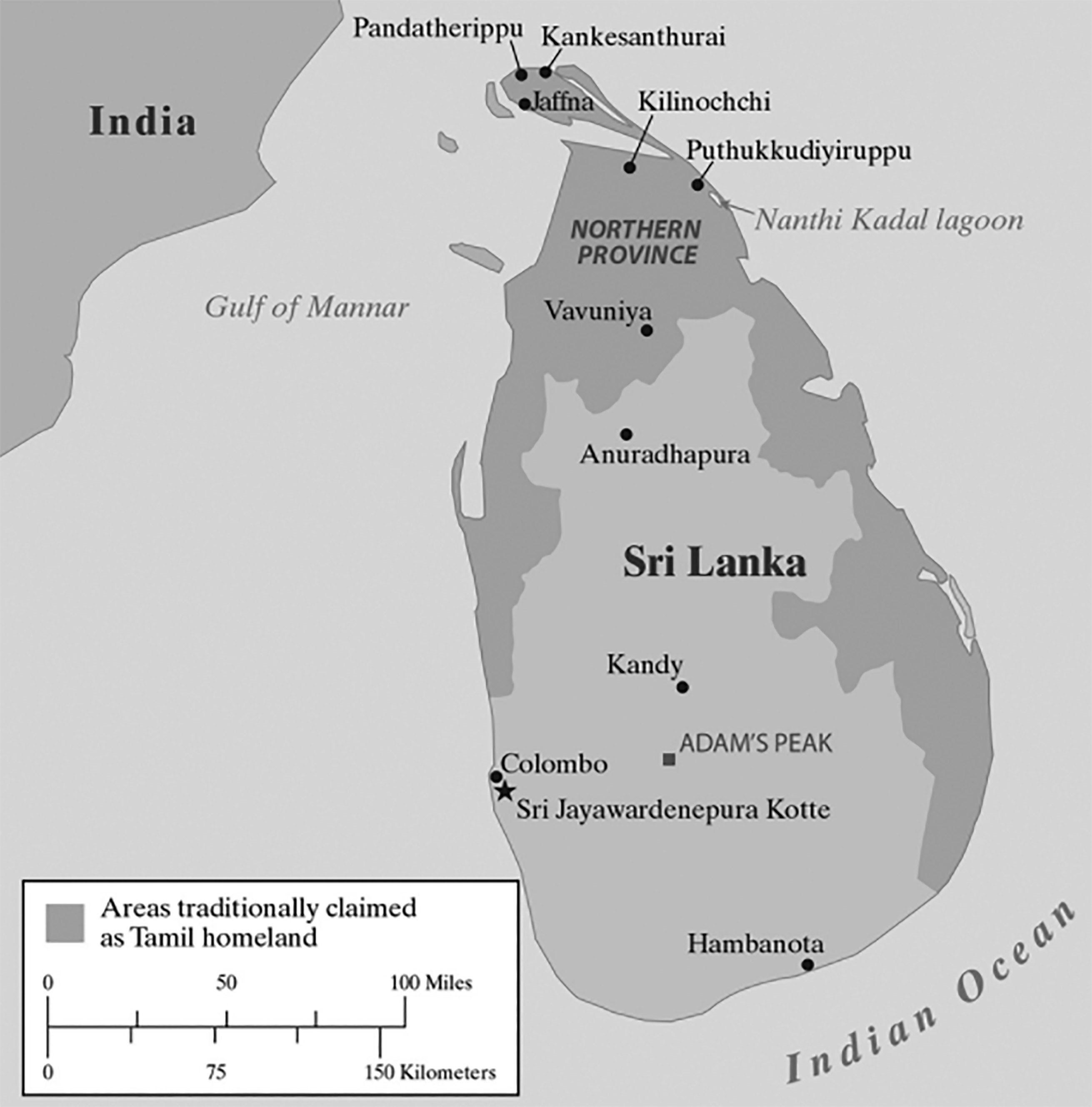
In 1983, the LTTE ambushed an army convoy, killing thirteen soldiers and triggering riots in which 2,500 Tamils died.
As Ethnic ties have bound southern India and Sri Lanka for more than two millennia. India is a home to more than 60 million of the world’s 77 million Tamils, while about 4 million live in Sri Lanka.
The Palk Strait, about 40 km (25 miles) wide at its narrowest point, separates the southern Indian state of Tamil Nadu and northern Sri Lanka, traditionally the main Tamil area of the Indian Ocean Island.
When war between Sri Lankan Tamils and the Sinhalese majority erupted in 1983, India took an active role.
Indo-Sri Lankan Accord was signed in 1987 to provide a political solution to Sri Lanka’s conflict.