INTRODUCTION
UNESCO World Heritage Sites are landmarks or areas recognized by the United Nations Educational, Scientific and Cultural Organization (UNESCO) for their cultural, historical, scientific, or natural significance. These sites are considered to be of outstanding value to humanity, and they are protected and preserved to ensure their continued existence for future generations.
India boasts a rich cultural and natural heritage, and it is home to several UNESCO World Heritage Sites.
UNESCO World Heritage Convention which was established in 1972, recognised various sites of cultural and natural importance around the world. After the latest addition to the UNESCO World Heritage Sites list, India has now 42 World Heritage Sites, and that makes India with the 6th largest number of World Heritage Sites in the world! There are 34 cultural sites, 7 natural sites and 1 mixed as recognised by UNESCO.
List of 42 UNESCO World Heritage Sites in India
| HERITAGE SITE | FEATURES |
| Taj Mahal (Agra) | The Taj Mahal, one of the Seven Wonders of the World, is a masterpiece of white marble Mughal architecture. Built by Emperor Shah Jahan in memory of his beloved wife, Mumtaz Mahal, it stands on the banks of the Yamuna River in Agra. Completed in 1653, the monument was originally constructed at an estimated cost of 32 million Indian rupees, which today would be equivalent to around 58 billion rupees. Revered as the finest example of Mughal architecture globally, it is often referred to as the "Jewel of Muslim Art in India." The Taj Mahal is perhaps the most recognized symbol of India's rich cultural heritage and attracts admiration from around the world. |
| Khajurao (Madhya Pradesh) | Located in Madhya Pradesh, Khajuraho is a renowned UNESCO World Heritage site in India, celebrated for its unique collection of Hindu and Jain temples. Situated 175 km southeast of Jhansi, Khajuraho is famous for its stunning Nagara-style architecture, symbolic carvings, and intricate erotic sculptures. These sensuous stone carvings, depicting both human and animal forms in various poses, are beautifully crafted and serve as a testament to India's rich cultural legacy. The majority of these temples were constructed between 950 and 1050 CE during the reign of the Chandella dynasty. Spread across 20 square kilometers, the site originally featured 85 temples, with the Kandariya Mahadev Temple standing out as the most prominent of them all. |
| Hampi (Karnataka) | Hampi is a UNESCO World Heritage site located in the Northern part of Karnataka. It lies within the ruins of the ancient, prosperous kingdom of Vijayanagar. The ruins at Hampi are a collection of heritage sites depicting the excellent Dravidian style of art and architecture. The most significant heritage monument in this site is the Virupaksha Temple, which continues to be a significant religious centre for the Hindus. There are several other monuments which are a part of this heritage site; Together, they’re collectively known as the ‘Group of Monuments at Hampi’. Some of the other known ones include the Krishna temple complex, Narasimha, Ganesa, Hemakuta group of temples, Achyutaraya temple complex, Vitthala temple complex, Pattabhirama temple complex, Lotus Mahal complex, several puras or bazaars surrounding the temple complex, and also living quarters and residential areas. |






249


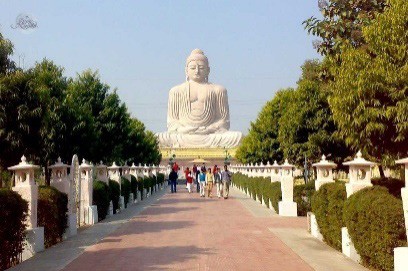
| Sanchi Stupa (Madhya Pradesh) | Famous for Monolithic Pillars, Palaces, Temples and Monasteries, Mauryan Architecture, Ye Dharma Hetu Inscriptions. The Buddhist Monuments located at Sanchi in Madhya Pradesh are a manifestation of Heritage of India, and they are the oldest stone structures in India. Initially commissioned by emperor Ashoka in 3rd century BCE, the Sanchi Stupa is located 46-kilometre north- east of Bhopal. Its core was a hemispherical brick structure built over the relics of Buddha and was crowned by the Chatra which symbolises rank. The stupa was vandalised during 2nd century BCE and renovated during the Satavahana Period when the gateways and the balustrade were built and coloured. Apart from the Sanchi stupa, several other structures exist here, such as monolithic pillars, temples, palaces and monasteries. It remained an important pilgrimage site for the Buddhists till about 12th century AD, after which the religion declined in popularity. |
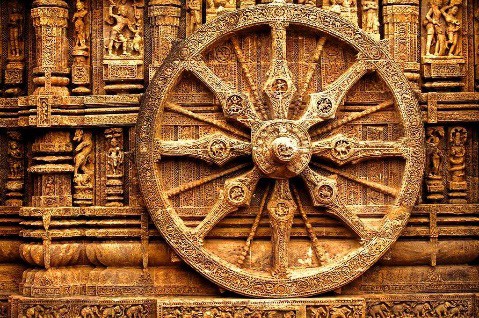
| Chola Temples (Tamil Nadu) | The Brihadisvara Temple in Thanjavur, along with the Gangaikondacholisvaram and Airavatesvara Temples in Darasuram, are renowned examples of Chola architecture, sculpture, painting, and bronze casting. These temples were built in southern India during the reign of the Chola Empire. Among these, the Brihadisvara Temple, constructed under the rule of Rajaraja I, stands as a monumental achievement in Chola architecture. The Gangaikondacholisvaram Temple, built by Rajendra I and dedicated to Lord Shiva, and the Airavatesvara Temple, erected during the reign of Rajaraja II, are also significant. Each temple is distinct in its design and construction, with the Airavatesvara Temple offering a unique aesthetic compared to the others. These temples are not only architectural marvels but also active centers of worship, where ancient rituals and festivals continue to be observed to this day. They serve as living symbols of the rich cultural and historical heritage of Tamil Nadu and the Chola dynasty, showcasing the enduring legacy of Tamilian art, architecture, and spirituality. |
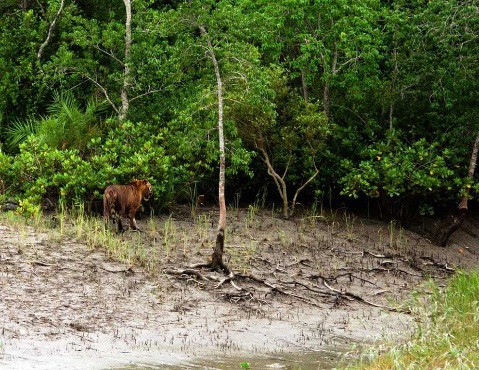
| Kaziranga National Park (Assam) | Famous for Worlds 2/3 rd Great One-Horned Rhinoceroses, Highest Density of Tigers in World, Elephants, Wild Water Buffalo, Swamp Deer and recognised Important Bird Area. Famous for its one horn rhinoceroses, Kaziranga Wildlife Sanctuary is located in Assam and is one of the untouched natural areas in India. It is said that this World Heritage Site in India, was a project initiated by Lord Curzon when his wife failed to see a single Rhinoceros in the region and urged her husband to take measured regarding the protection of these endangered species. This park lies on the flood plains of the river Brahmaputra and consists mainly of dense grasslands, forests and also has several streams and lakes running through it. Kaziranga contains about 15 endangered Indian faunal species, of which the Rhino is the most endangered. Other mammals include capped langur, hoolock gibbon, tiger, leopard, sloth bear, Ganges dolphin, otter, wild boar, water buffalo, gaur, sambar, swamp deer, hog deer and Indian muntjac. |
| Group of Monuments at Mahabalipuram (Tamil Nadu) | The Pancha Rathas Temples, Ganesha Ratha, Cave Temples of Mahabalipuram, Structural Temples including the Shore Temple and the Olakkannesvara Temple and the Descent of the Ganges. Famous for Largest Open Air Rock Relief, Chariot Temples, Mandapas, Pallava Dynasty Architecture. The Temples are situated in the town of Mahabalipuram which is approximately 58 kilometres from Chennai in the Coromandel Coast of Bay of Bengal. These temples were built under the reign of the Pallava rulers, and the striking feature of these temples is the fact that they are all carved out of rock and an important in terms of Ratha architecture in India. The group of the monument includes 40 sanctuaries including the largest open-air-bas-relief, e.g., Ganga’s Descent. These World Heritage Sites in India constitutes the art of Pallava Period with sites likes Pancha Rathas, Dharamaraja Ratha, Arjuna Ratha, Draupadi Ratha, etc. Also, the Cave temples of Mahabalipuram which constitute more than half a dozen caves. |


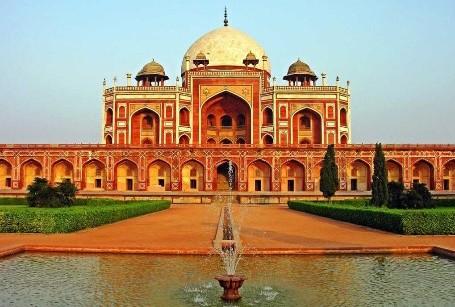
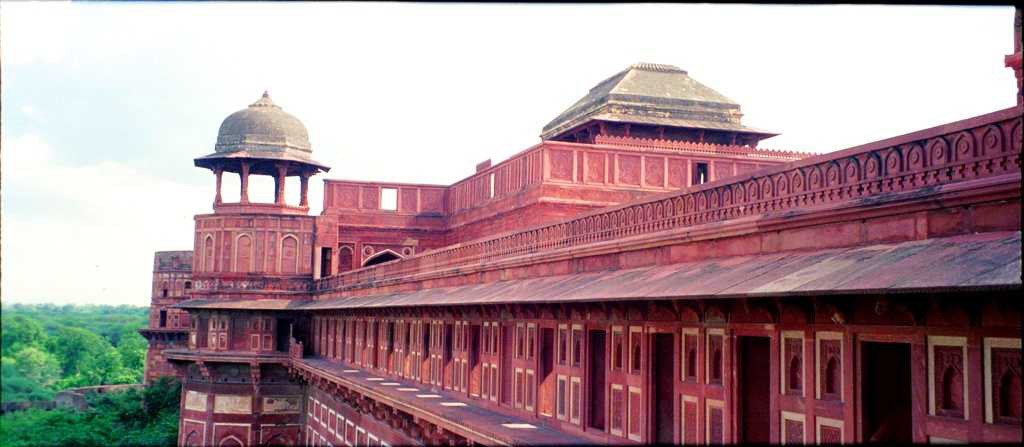

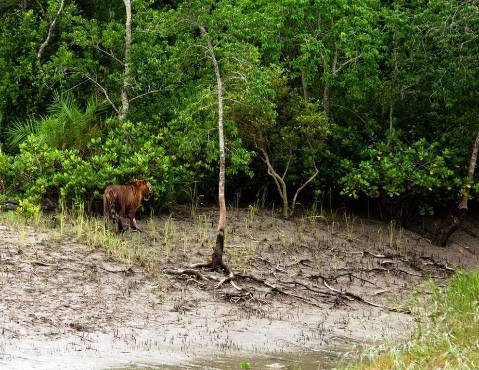
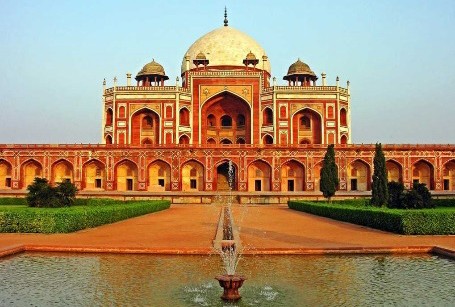
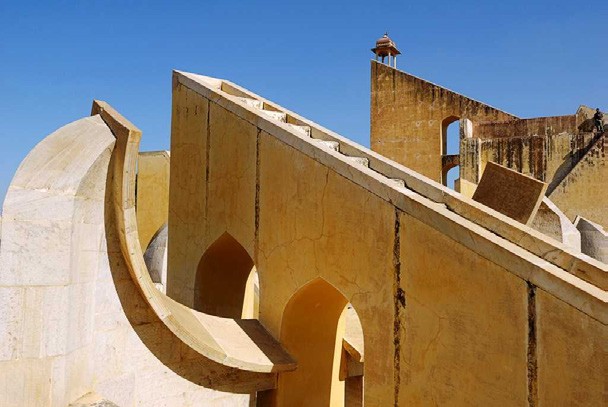
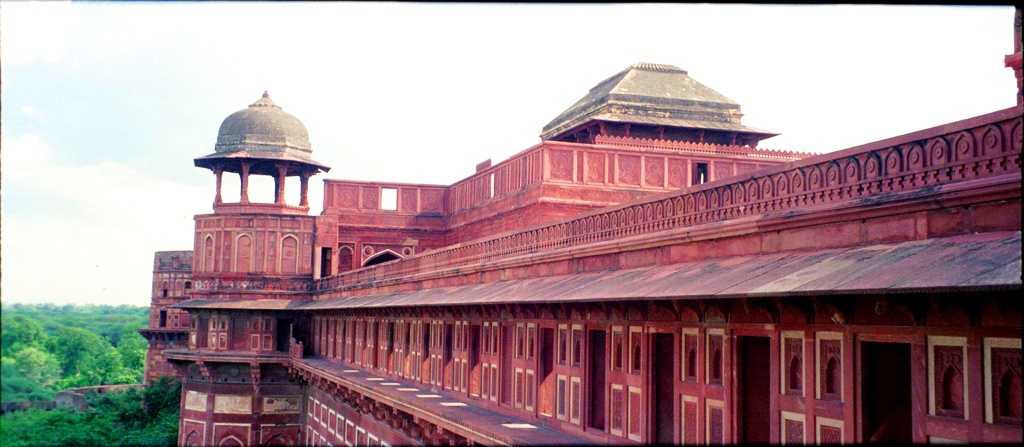

List of UNESCO World Heritage Sites 251


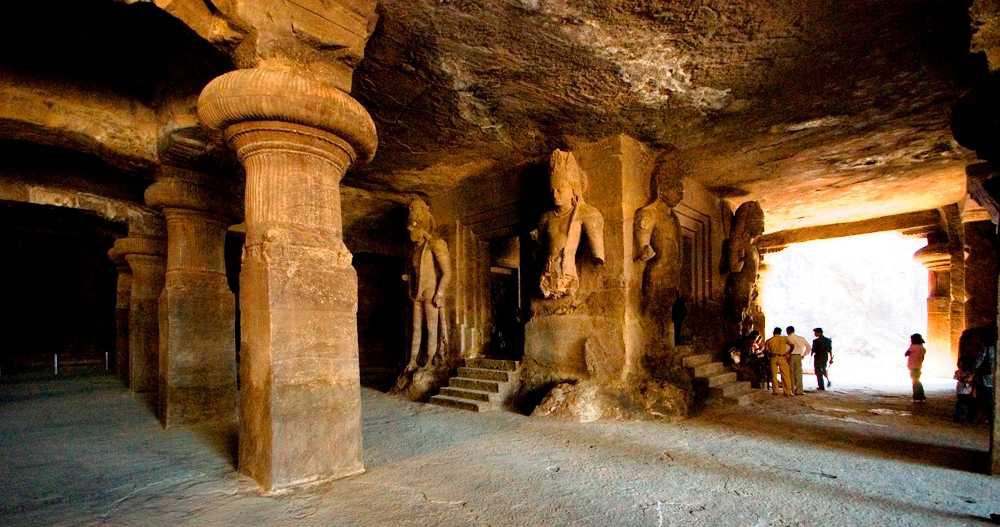
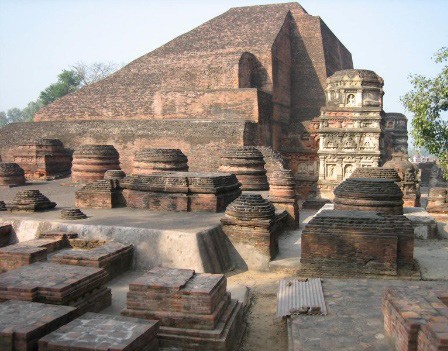

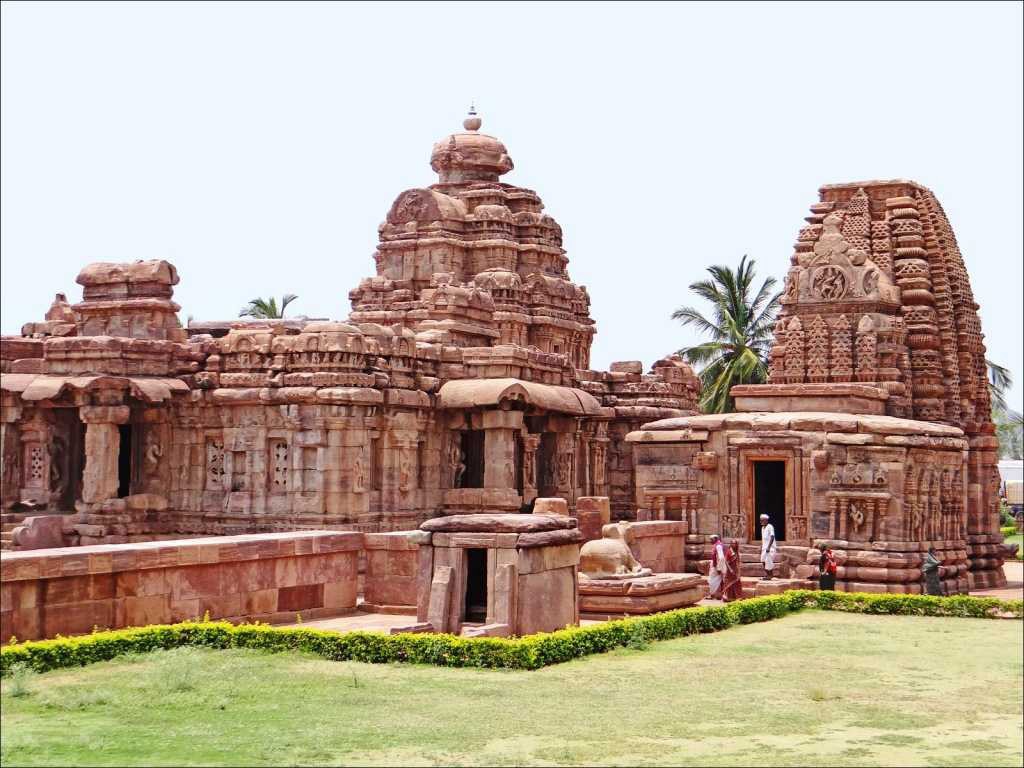
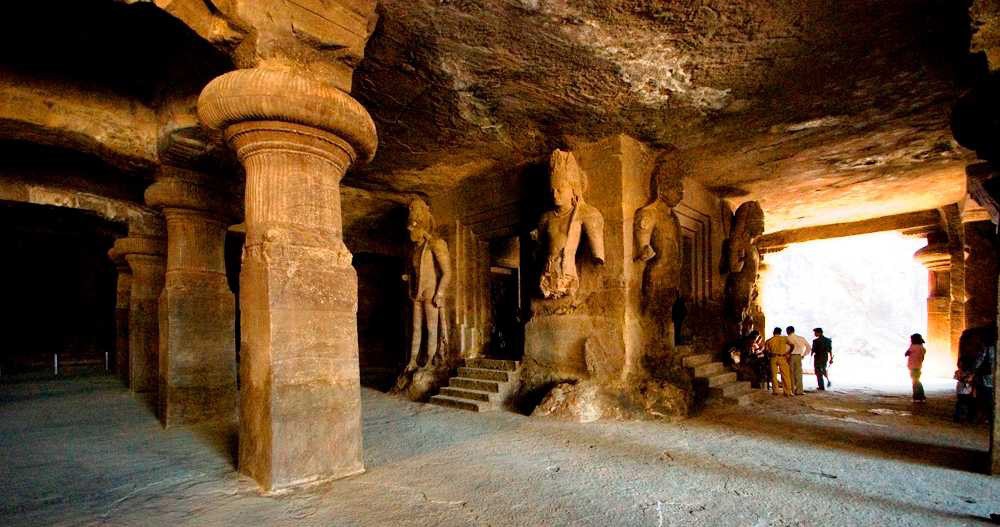
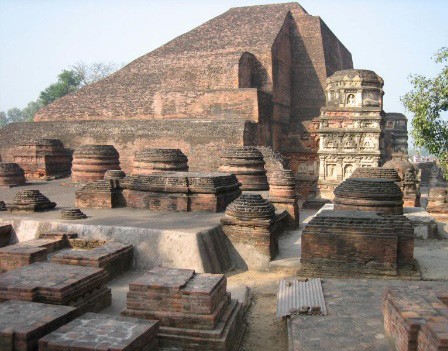
252 List of UNESCO World Heritage Sites






List of UNESCO World Heritage Sites 253



254 List of UNESCO World Heritage Sites






List of UNESCO World Heritage Sites 255


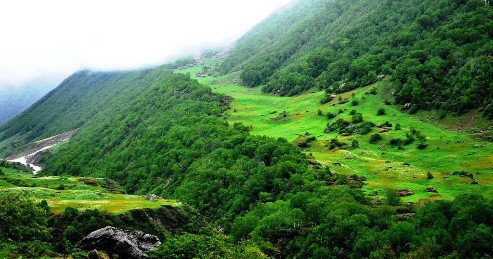
| Western Ghats (Maharashtra) | Includes Sahyadri Sub-Cluster, Kudremukh Sub-Cluster, Talakaveri Sub-Cluster, Nilgiri sub-cluster, Anamalai sub-cluster, Periyar Sub-Cluster and Agasthyamalai Sub-Cluster Famous for Among World’s Ten “Hottest Biodiversity Hotspots”, Includes many National Parks, Wildlife Sanctuaries and Reserve Forests. The Western Ghats or the Sahyadri mountain ranges lies along the western coast of the Indian Peninsula. The Range runs north to south along the west edge of Deccan Plateau. It constitutes sever national parks, reserve forests and wildlife sanctuaries in Kerala, Karnataka, Tamil Nadu and Maharashtra. The hills cover 160000 square kilometre area with a length of 1600 kilometre, a width of 100 kilometres and height of 1200 meters. It has exceptionally high biodiversity and ranks among the top 8 in World’s Biological Hot Spot Locations. The forests along the Western Ghats are home to about 325 species of flora and fauna, which included endangered, rare and critically endangered species of plants and animals. |
| Kangchendzonga National Park (Sikkim) | Located in the Himalayan Ranges part of North and West Sikkim districts of the beautiful state of Sikkim in India’s North-East region, Khangchendzonga National Park has been declared a world heritage site in 2016 taking the total count of world heritage sites in India to 35. It is the only mixed Heritage site in India. Also known as Kanchenjunga national park (and Kanchenjunga Biosphere Reserve) is a vast area spreading over 850 sq. Km and has an elevation of 1,829 m to 8,500 m above sea level. Kangchendzonga National Park includes the Kanchenjunga Peak, which is the 3rd highest peak in the world. The national park is famous for its fauna and flora, with snow leopard being occasionally sighted. There are few trekking routes in this national park as well for the trekking enthusiasts. |
| Capital Complex (Chandigarh) | The architectural work of Le Corbusier across many countries, including the Capital Complex of Chandigarh, was recognised as a World Heritage Site as part of an outstanding contribution to Modern Movement. This was part of Le Corbusier’s work, which he did in 17 countries in the first half of the 20th century. The Capitol Complex in Chandigarh also hosts the legislative assembly for both the states of Haryana and Punjab, High Court and the Secretariat. Located in Sector 1, Chandigarh, this capitol complex was built when Chandigarh was being developed as the capital of Punjab in 1950 after the partition of India. |
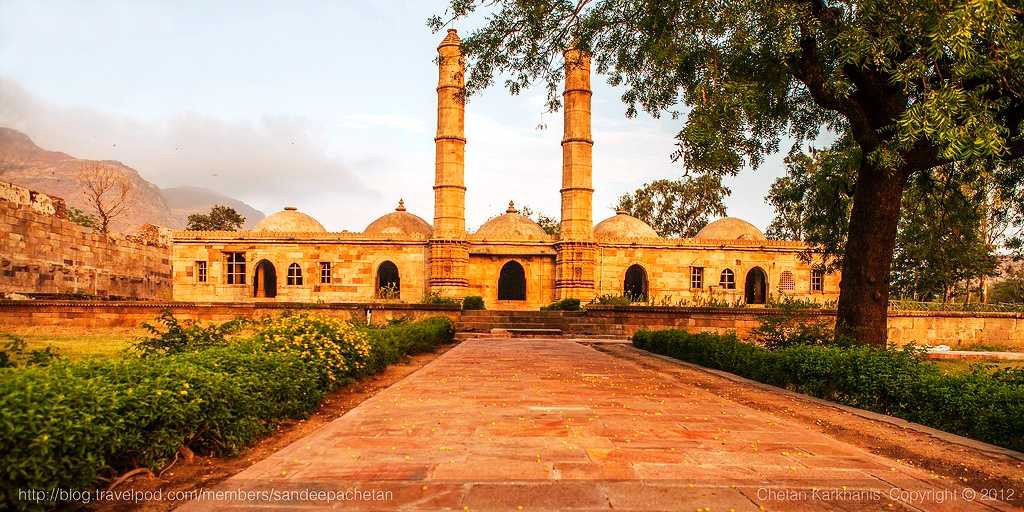
| The historic city of Ahmedabad | The first city of India to enter the list, Ahmedabad was declared as the World Heritage City on July 8, 2017. The city of Ahmedabad has close to 25 ASI (Archaeological Survey of India) protected structures. According to a statement from UNESCO “The urban fabric is made up of densely-packed traditional houses in gated traditional streets with characteristic features such as bird feeders, public wells and religious institutions. The city continued to flourish as the capital of the State of Gujarat for six centuries, up to the present”. Ahmedabad is a walled city on the banks of Sabarmati where communities following Hinduism, Islam and Jainism have co-existed for centuries. |


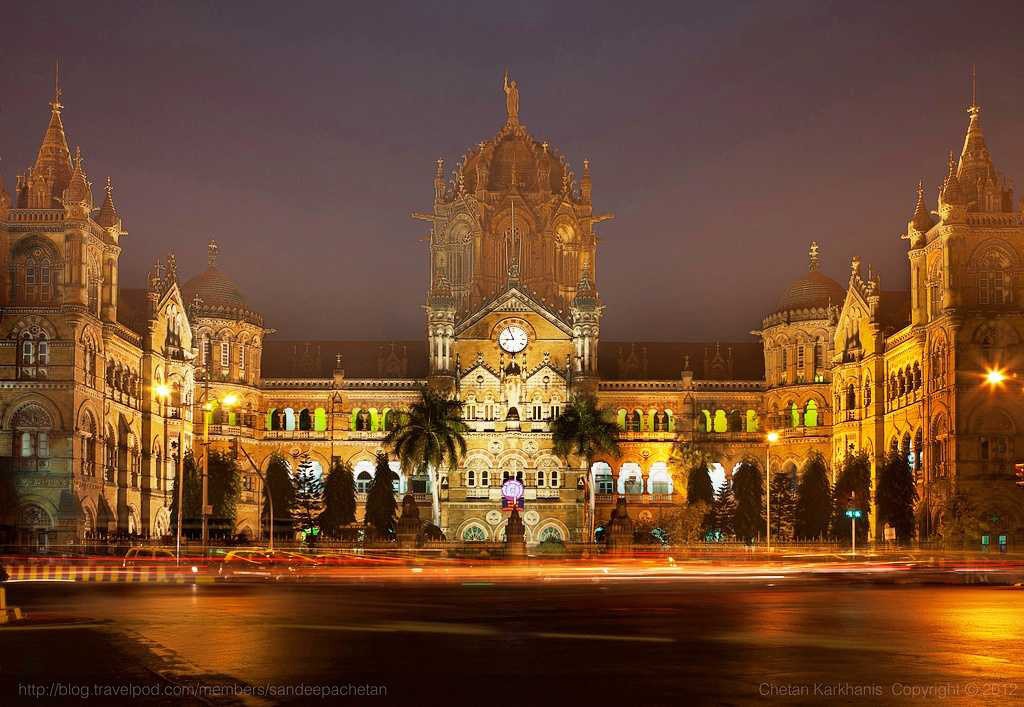
| The Victorian and Art Deco Ensemble (Maharashtra) | The Victorian and Art Deco Ensemble of Mumbai, added to the UNESCO World Heritage Sites list in June 2018, is a collection of 94 culturally significant buildings located in the Fort Area of Mumbai, surrounding the Oval Maidan (formerly known as Esplanade). The Oval Maidan is bordered on the east by 19th-century Victorian Neo-Gothic structures, such as the Bombay High Court, the Fort Campus of the University of Mumbai, and the Old Secretariat Building. Among the iconic landmarks is the Rajabai Clock Tower, along with Watson’s Hotel, David Sassoon Library, and Elphinstone College. On the western side, the ensemble features 20th-century Art Deco buildings overlooking the Arabian Sea. These structures, mostly privately-owned residential buildings, include the renowned Eros Cinema, which marked the start of the Back Bay reclamation project along Marine Drive in 1935. The contrast between the Victorian and Art Deco sections of the ensemble showcases a striking shift in architectural style, reflecting the city's evolving creative spirit. This unique blend of historical and modern design has earned the area a rightful place among the world's most important heritage sites. |
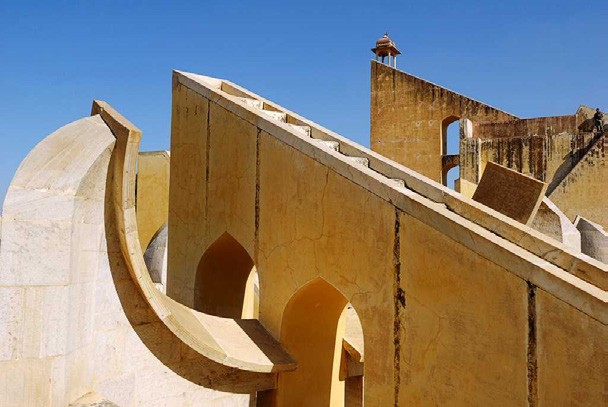
| Pink City – Jaipur (Rajasthan) | With the newest addition to the list of UNESCO world heritage sites in India, Jaipur joined the club on 6th June 2019. It is one of the largest cities in India and is surrounded by walls and gates decorated with drawings on the backdrop of a beautiful pink hue, Jaipur, the pink city successfully manages to retain its old-world charm. Home to a few other UNESCO World Heritage sites including Amer Fort and Jantar Mantar, Jaipur is home to many magnificent forts, palaces, temples and museums. Jaipur is filled to the brim with bustling local bazaars where you can shop for local handicrafts and trinkets to your heart’s content. Popular bazaars in the city include Bapu Bazaar, Tripolia Bazaar and Johri Bazaar. |
| Kumbh Mela | In 2017, Kumbh Mela. The largest religious festival in India got the status of UNESCO Intangible Cultural Heritage of Humanity. Kumbh Mela is celebrated once in three years in Haridwar, Ujjain, Prayag (Allahabad) and Nasik in a rotation. Kumbh Mela returns to a place after 12 years. It witnesses millions of devotees and spectators making it one of the living Indian heritage sites. |
| Dholavira- Harappan City | Known as a remarkable excavation site during the Indus Valley Civilization, Dholavira was one of the most developed cities roughly 4500 years ago. It was a flourishing Harappan site between 2650 and 1450 BCE. Presently an archaeological site in Khadirbet of Kutch Gujarat, the village is also locally known as Kotada Timba. The location not only holds evident pieces of architecture but also of the Harappan lifestyle. Divided into three main architectural layouts, the town also had a vast open stadium. Many remains such as earthen pots, beads, jewellery and other materials were excavated as well. The town of Dholavira had an exceptional water conservation system. Two of its most important water channels were the Mansar and the Manhar. |

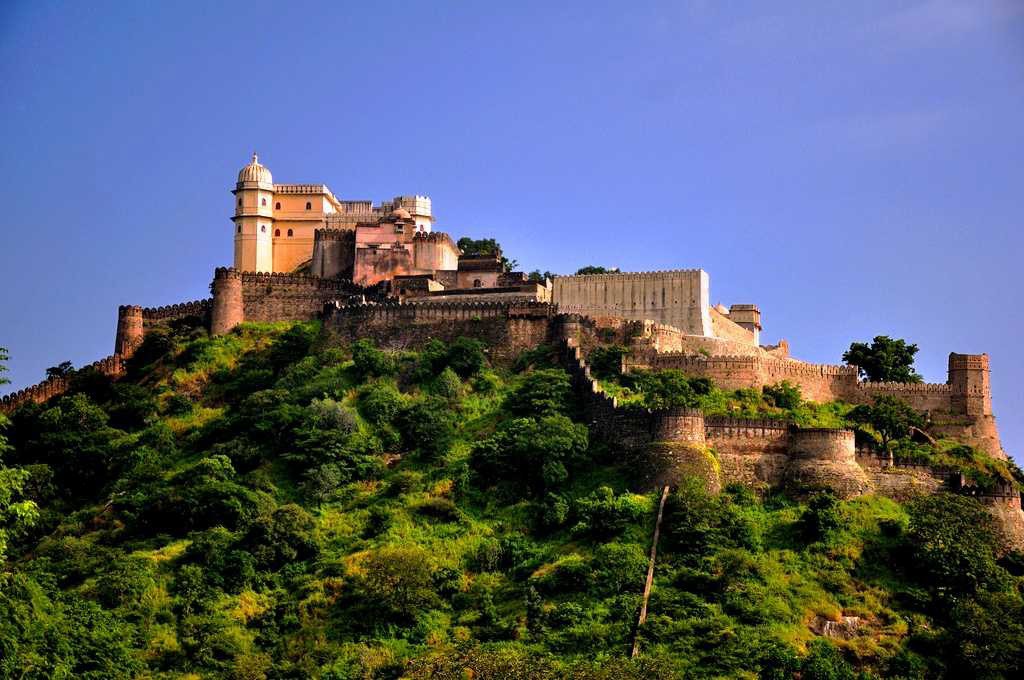
| Sacred Ensembles of the Hoysalas | This serial property encompasses the three most representative examples of Hoysala-style temple complexes in southern India, dating from the 12th to 13th centuries. The Hoysala style was created through careful selection of contemporary temple features and those from the past to create a different identity from neighbouring kingdoms. The shrines are characterized by hyper- real sculptures and stone carvings that cover the entire architectural surface, a circumambulatory platform, a large-scale sculptural gallery, a multi-tiered frieze, and sculptures of the Sala legend. The excellence of the sculptural art underpins the artistic achievement of these temple complexes, which represent a significant stage in the historical development of Hindu temple architecture. |
| Santiniketan | Established in rural West Bengal in 1901 by the renowned poet and philosopher Rabindranath Tagore, Santiniketan was a residential school and centre for art based on ancient Indian traditions and a vision of the unity of humanity transcending religious and cultural boundaries. A ‘world university’ was established at Santiniketan in 1921, recognizing the unity of humanity or “Visva Bharati”. Distinct from the prevailing British colonial architectural orientations of the early 20th century and of European modernism, Santiniketan represents approaches toward a pan-Asian modernity, drawing on ancient, medieval and folk traditions from across the region. |
World Heritage Day 2023


What is the significance of celebrating our cultural heritage on this day?
Every year on April 18, people celebrate World Heritage Day, also known as the International Day for Monuments and Sites. This day is dedicated to promoting the importance of cultural heritage and raising awareness about the need to preserve historical sites and monuments across the globe. The day celebrates the unique and diverse cultural heritage across the world and encourages people to appreciate and safeguard it for future generations.
History and Significance
The International Council on Monuments and Sites (ICOMOS) proposed the idea of World Heritage Day in 1982, and it was approved by UNESCO’s General Conference the following year. The first World Heritage Day was celebrated in 1983, and since then, it has become an important event for promoting awareness about cultural heritage.
The day provides an opportunity to highlight the value of cultural heritage and the need to protect it from damage or destruction due to natural disasters, human activities, or urbanization.
INTANGIBLE CULTURAL HERITAGE OF INDIA
The UNESCO Intangible Cultural Heritage of India elements recognise the need to conserve culture and customs, and we’d want to discuss what that is and how tourists may enjoy various experiences in India.
UNESCO states that “cultural heritage does not end with monuments and collections of objects.” Oral traditions, performing arts, social practices, rituals, festive events, knowledge and practises concerning nature and the universe,
or the knowledge and skills to produce traditional crafts are all examples of living expressions inherited from our forefathers and passed down to our descendants.
REPRESENTATIVE LIST OF THE INTANGIBLE CULTURAL HERITAGE OF HUMANITY
It includes 15 Intangible Cultural Heritage (ICH) components from India.
Ramlila, The Traditional Performance of The Ramayana (2008)
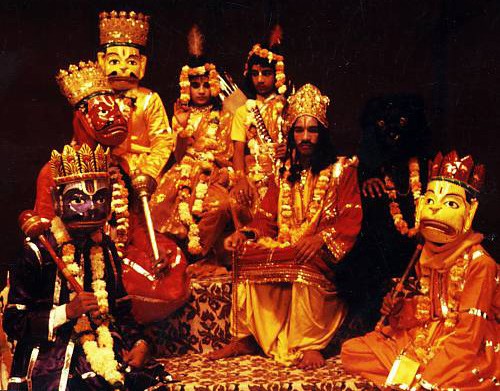
Ramlila, or “Rama’s play,” is a performance of the Ramayana epic in northern India during the Dussehra festival. It involves song, narration, recital, and dialogue, and is based on the Ramacharitmanas, a sacred text by Tulsidas. The Ramlilas recount episodes from the Ramacharitmanas,

with performances lasting ten to twelve days. The festival celebrates Rama’s return from exile and involves dialogues between gods, sages, and the faithful. The Ramlila brings the entire population together, regardless of caste, religion, or age. However, the development of mass media, particularly television soap operas, is reducing the audience of these plays.


Tradition of Vedic Chanting (2008)

The Vedas are a vast collection of Sanskrit poetry, philosophical dialogue, myth, and ritual incantations, developed by Aryans over 3,500 years ago. Hindus consider the Vedas as the primary source of knowledge and the sacred foundation of their religion. The four Vedas, known as “books of knowledge,” include the Rig Veda, Sama Veda, Yajur Veda, and Atharna Veda. The Vedas offer insight into Hinduism’s history and early development of concepts like zero. However, only thirteen of the over 1,000 Vedic recitation branches have survived, and four schools are under imminent threat.
Kutiyattam, Sanskrit Theatre (2008)
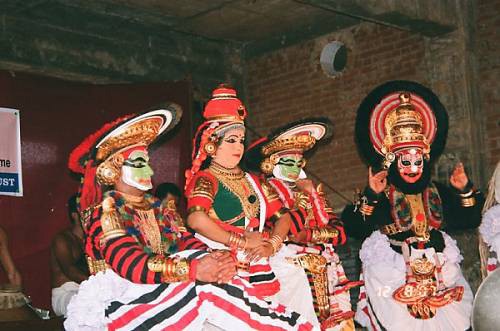
Kutiyattam, a Sanskrit theatre in Kerala, is one of India’s oldest living traditions, originating over 2,000 years ago. It combines Sanskrit classicism with local Kerala traditions. Actors undergo rigorous training for ten to fifteen years, focusing on the main character’s thoughts and feelings.
Kutiyattam is performed in Kuttampalams, Hindu temples, and has a sacred nature. However, the art has evolved to larger audiences, with purification rituals and an oil lamp symbolising divine presence. The tradition has faced challenges due to lack of funding and a crisis in the profession.
Ramman, Religious Festival and Ritual Theatre of The Garhwal Himalayas, India (2009)

Ramman, a religious festival in Saloor-Dungra, Uttarakhand, is celebrated annually in late April. The event honours the local god Bhumiyal Devta and involves complex rituals, songs, and masked dances. Organised by villagers, each caste and occupational group plays a distinct role. The festival combines theatre, music, historical reconstructions, and traditional tales, reflecting the community’s environmental, spiritual, and cultural concepts. The community aims to promote its transmission and recognition beyond its geographical area.
Mudiyettu, Ritual Theatre and Dance Drama of Kerala (2010)
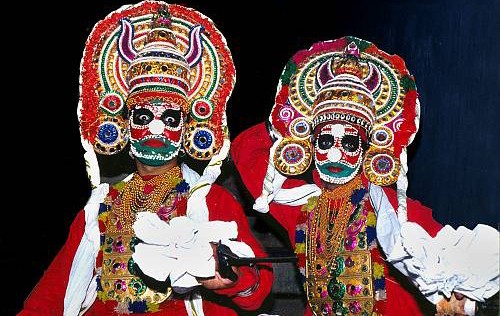
Mudiyettu is a Kerala ritual dance drama based on the mythological battle between goddess Kali and demon Darika. The community participates in the ritual, which involves purifying themselves, drawing a large image of Kali, and invoking the goddess’s spirit. The ritual is performed annually in temples along the rivers Chalakkudy Puzha, Periyar, and Moovattupuzha, fostering mutual cooperation and community bonding. Elders and senior performers

transmit traditional values, ethics, moral codes, and aesthetic norms to the younger generation, ensuring its continuity and relevance.


Kalbelia Folk Songs and Dances of Rajasthan (2010)
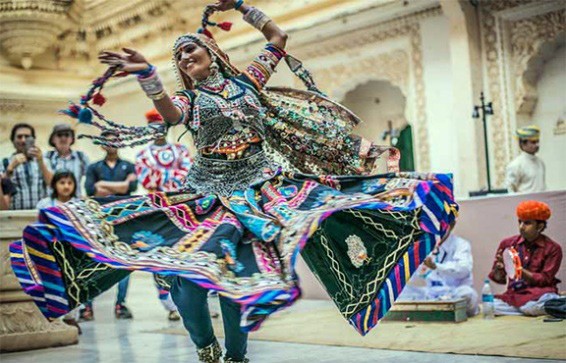
The Kalbelia community’s traditional way of life is expressed through songs and dances, which are evolving in new ways. Women in black skirts dance, replicating serpent movements, while men accompany them on percussion instruments and woodwind instruments. Traditional tattoo designs, jewellery, and garments are worn. Songs and dances disseminate mythological knowledge and showcase the poetic acumen of the Kalbelia. They are a source of pride and a marker of their identity in a diminishing rural society.
Chhau Dance (2010)

Chhau dance is an eastern Indian tradition involving epics, folklore, and abstract themes. Originating from indigenous dance and martial practices, it features mock combat techniques and stylized gaits. It is taught to male dancers from traditional artists’ families or local communities. Chhau is an integral part of local culture, binds people from different social strata and ethnic backgrounds. However, industrialization, economic pressures, and new media are reducing collective participation and distancing communities from their roots. For more details about 'Chhau dance', refer Page no: 94.
Buddhist Chanting of Ladakh: Recitation of Sacred Buddhist Texts in the Trans-Himalayan Ladakh Region, Jammu and Kashmir, India (2012)
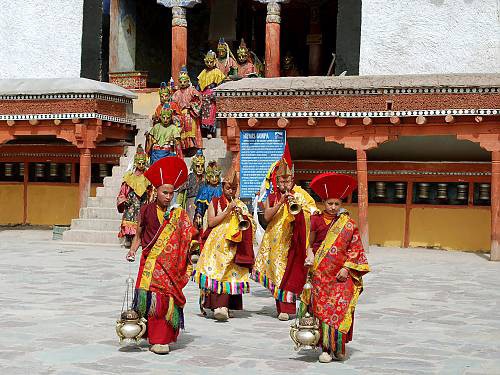
Buddhist lamas in Ladakh chant sacred texts representing Buddha’s spirit, philosophy, and teachings. There are four major sects: Nyngma, Kagyud, Shakya, and Geluk. Chanting is performed for spiritual well-being, purification, and appeasement of evil spirits. It is performed in groups, with monks wearing special costumes and using musical instruments. Acolytes are trained under senior monks, reciting texts frequently until memorised. Chants are practised daily for world peace and personal growth.
Sankirtana, Ritual Singing, Drumming and Dancing of Manipur (2013)

Sankirtana is a religious arts practice performed by the Vaishnava people of Manipur, centred around a temple. It involves performers narrating Krishna’s lives through song and dance, bringing people together and strengthening relationships through life-cycle ceremonies. Sankirtana promotes an organic relationship with people, with knowledge and skills passed down through mentorship. It works in harmony with the natural world through various rituals, demonstrating the visible manifestation of God.

Traditional Brass and Copper Craft of Utensil Making among the Thatheras of Jandiala Guru, Punjab, India (2014)

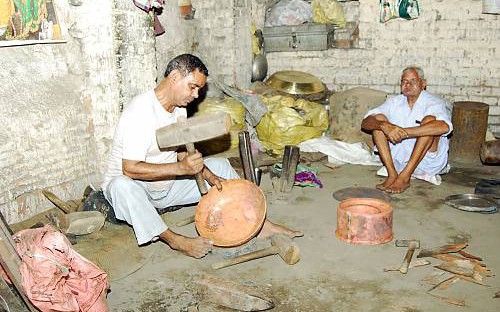
The Thatheras of Jandiala Guru craft traditional brass and copper utensils in Punjab, using metals believed to be beneficial for health. The process involves flattening metal into thin plates, hammering them into shapes, and heating them using wood-fired stoves. Utensils are polished manually and designed by hammering dents. The craft is passed down orally and is not just a livelihood for the Thatheras but also defines their family structure and social hierarchy.
Nawrouz/Nowruz (2016)

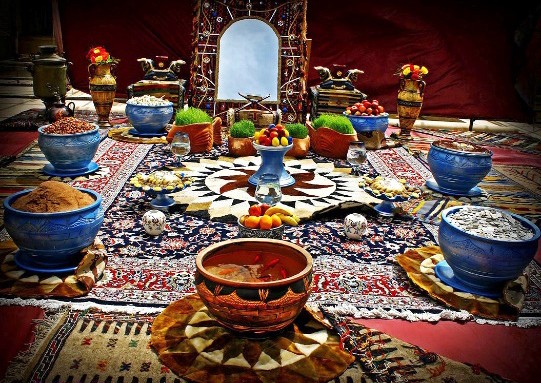
The New Year, celebrated on March 21 in Afghanistan, Azerbaijan, India, Iran (Islamic Republic of), Iraq, Kazakhstan, Kyrgyzstan, Pakistan, Tajikistan, Turkey, Turkmenistan and Uzbekistan, is a time of prosperity and new beginnings. It involves various rituals, ceremonies, and cultural events for two weeks. Key traditions include gathering around a table decorated with objects representing wealth, wearing new clothes, visiting relatives, exchanging gifts, and participating in street performances, traditional sports, and handicrafts. These practices promote cultural diversity, tolerance, and community solidarity.
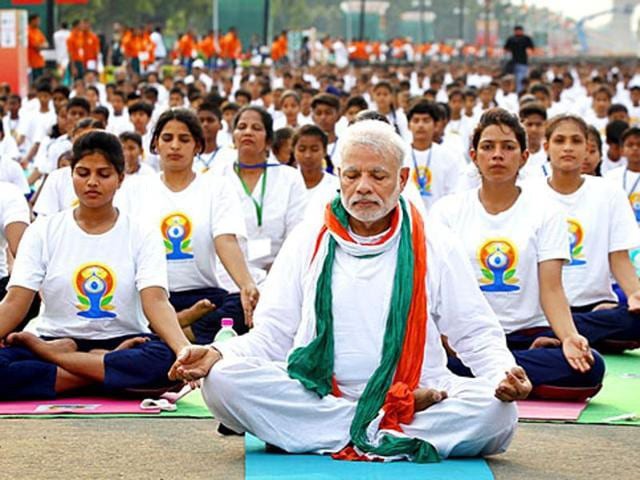
Yoga (2016)
Yoga, an ancient Indian practice, has significantly influenced Indian society, promoting mental, spiritual, and physical wellbeing. It involves poses, meditation, breathing, and word chanting to build self-realisation and ease suffering. Practised by all ages, it is transmitted using the Guru-Shishya model. Today, yoga enthusiasts can learn from ashrams, schools,
universities, community centres, and social media. Ancient manuscripts and scriptures are also used in teaching and practice.
Kumbh Mela (2017)

Kumbh Mela is a significant religious festival in India, held every four years in Allahabad, Haridwar, Ujjain, and Nasik. It involves millions of people, including ascetics, saints, sadhus, aspirants-kalpavasis, and visitors, bathing in a sacred river to free them from sins. The festival is a central spiritual event in India, encompassing astronomy, astrology, spirituality, ritualistic traditions, and social customs. Knowledge and skills are transmitted through ancient religious manuscripts, oral traditions, and historical travelogues.
Durga Puja in Kolkata (2021)
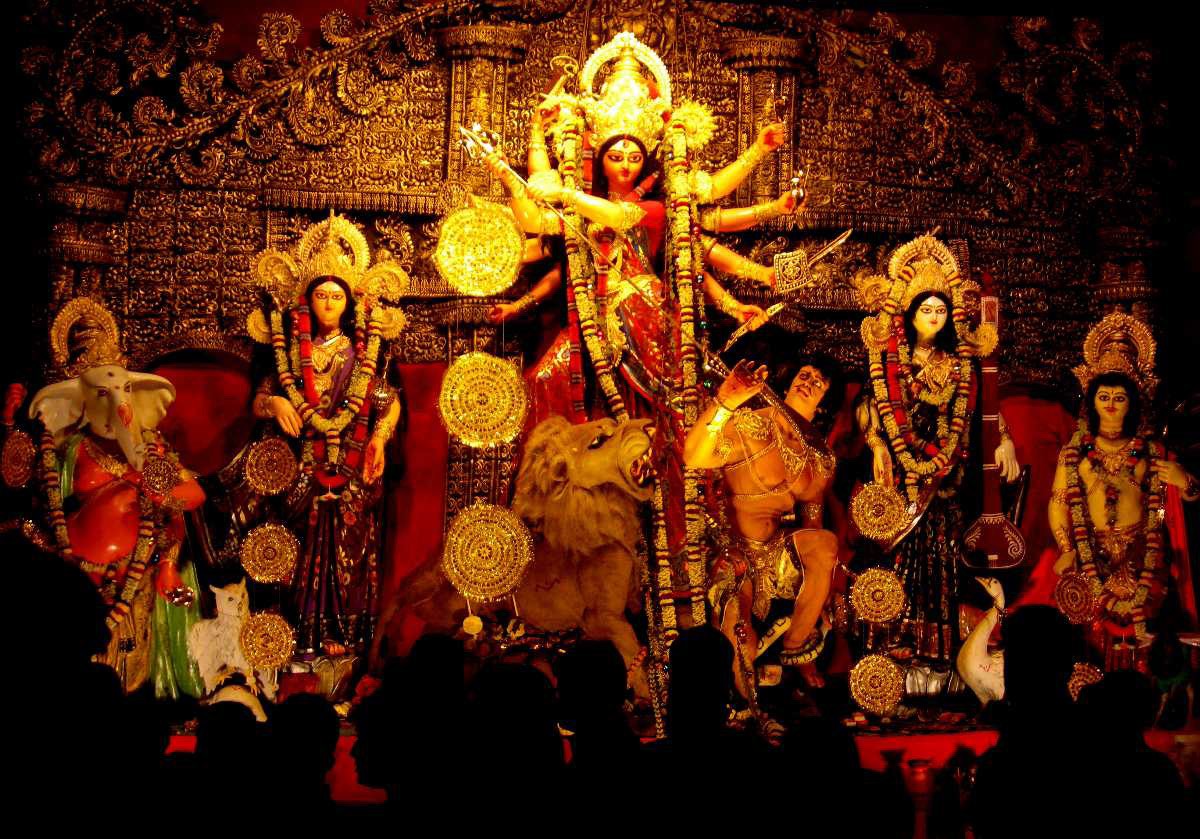


Durga Puja is an annual festival in West Bengal, celebrated in September or October. It involves worshipping Hindu mother- goddess Durga for ten days, with artisanal workshops creating clay images. The festival symbolises a return to roots and public performance of religion and art. It features large-scale installations, traditional Bengali drumming, and veneration of the goddess, breaking class, religion, and ethnicity divides.
Garba of Gujarat (December 2023)
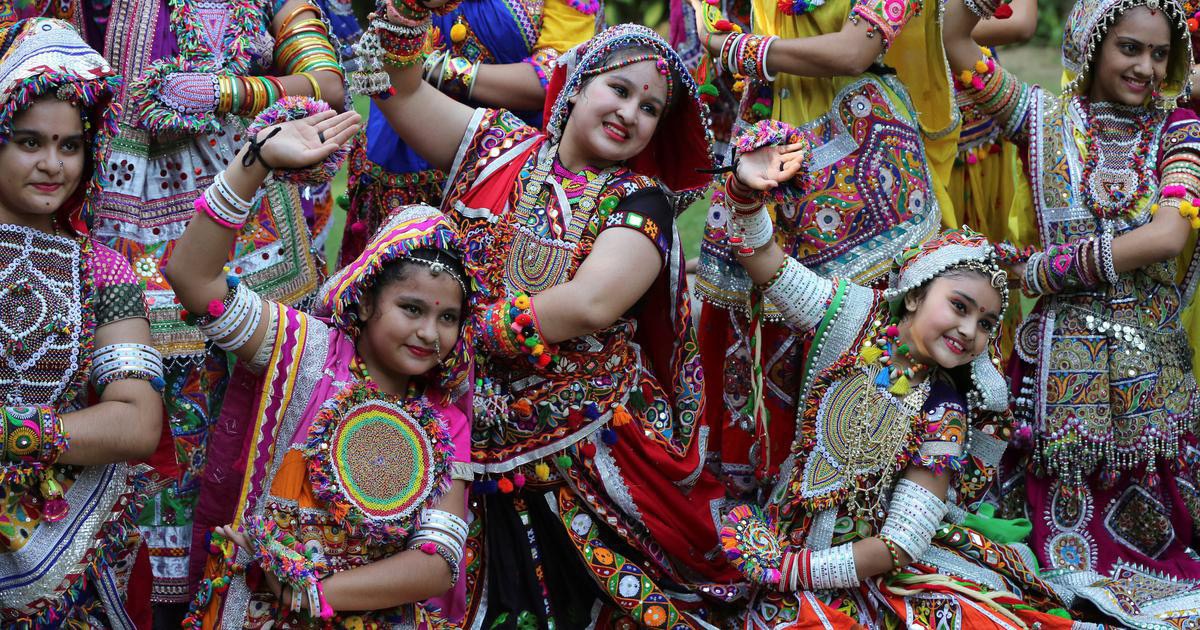
Garba is a traditional, devotional dance performed during the Hindu festival of Navaratri, which honors the divine feminine energy, or ‘Shakti.’ The dance is centered around a clay pot, often adorned with an oil lamp, or an image of the goddess Amba. Dancers form a circle around the center, moving in a counter- clockwise direction while clapping their hands and singing in unison. The movements begin slowly in a circular rhythm, gradually accelerating into a more energetic, swirling motion.
Garba is a community-based practice that involves a wide range of participants, from dancers and musicians to social groups, craftsmen, and religious figures. It is passed down through
generations in both urban and rural settings through practice, performance, and observation. Many schools and universities offer courses and workshops that cover various aspects of Garba, such as dance, music, costume and ornament design, as well as landscape planning and lighting.
NGOs, government bodies, choreographers, musicians, and the media all play a part in the transmission and evolution of Garba. The practice promotes social inclusivity, breaking down barriers of socioeconomic status, gender, and religion, and continues to be a unifying force for diverse and marginalized communities, strengthening social bonds