THE SUFI MOVEMENT
Introduction
Sufism played a significant role in shaping religious life in medieval India. Numerous Sufi saints, with their Dargahs still drawing people from across the nation, transcend religious boundaries. Sufism is a mystical branch of Islam that focuses on the spiritual journey toward God, emphasizing the rejection of materialism. This form of Islamic mysticism promotes asceticism and places great importance on love and devotion to God.
Sufism has various schools worldwide, including in India, many of which trace their roots to early Islamic history, going back to the time of Prophet Muhammad. The word ‘Sufi’ is believed to come from the Arabic word ‘suf,’ meaning ‘one who wears wool,’ reflecting the woolen garments typically worn by ascetics. Another possible origin of the term is ‘safa,’ meaning purity in Arabic. Sufis are also referred to by other names such as Wali, Faqir, and Darwesh.
Sufism in India
The arrival of Turks and Delhi Sultanate: The arrival of Turks and the establishment of the Delhi Sultanate in the thirteenth century brought significant cultural and religious changes, undermining the power of Rajput states and associated Brahmanas.
Adaptation: Indian influence reflected in Sufi practices incorporation of yogic postures, music, and dance.
Sufi Orders: Divided into Bashara (adhering to Islamic laws) and Beshara (more liberal, including wandering monks known as ‘mast kalandar’).
Role of Sufis: The advent of Sufis was a crucial part of these changes, contributing to religious ferment and cultural shifts during this period.
Islamic Influence in the Indian Subcontinent
Historical Connections: The subcontinent had interactions with lands beyond its borders for centuries. Arab merchants frequented western coast ports, while Central Asian settlers arrived in the north-western regions from the first millennium CE.
Islamic World Integration: With the emergence of Islam in the seventh century, these regions became part of the Islamic world. The arrival of Arab generals and later Turks and Afghans led to the formation of sultanates and the Mughal Empire.
Islamic Legal System and Rulership
Shari’a: Islamic law (Shari’a) derived from the Qur’an, Hadis, Qiyas (reasoning by analogy), and Ijma (consensus of the community). Muslim rulers were guided by Ulama, scholars of Islamic studies.
Jizya and Zimmi: Non-Muslims, referred to as ‘Zimmi,’ paid ‘Jizya’ as a tax to Muslim rulers for protection. Rulers often adopted flexible policies, granting land endowments and tax exemptions to non-Muslim religious institutions.
Sufism and Popular Islamic Practices
Sufism (Tasawwuf): Sufism or Tasawwuf, emphasizing spiritual purity, became a significant aspect of Islamic practice. Hospices (Khanqah) provided resting places for travellers.
Practice of Islam: Islam’s adoption among different social strata involved the acceptance of the five pillars of the faith. Diversities in practice emerged from sectarian affiliations and local customs of converts.
A blend of Islam with Local Traditions
Local Influence on Islam: Different communities adapted Islamic teachings, blending them with local practices. For instance, Ismaili sects like Khojahs in Punjab, Sind, and Gujarat developed new communication methods through devotional poems in regional languages
Architectural Influences: Mosques demonstrated a blend of universal Islamic features with local variations in architecture, materials, and design, reflecting a mix of a universal faith and indigenous customs.
Terms and Identifications
Identity and Naming: Terms like ‘Musalman’ or ‘Muslim’
were rarely used between the eighth and fourteenth centuries. People were identified by regional origins or sometimes labelled with terms previously used for other groups.
Derogatory Connotations: Terms like ‘mlechchha’
indicated those who did not conform to caste norms or spoke languages not derived from Sanskrit, though they rarely denoted a distinct religion.
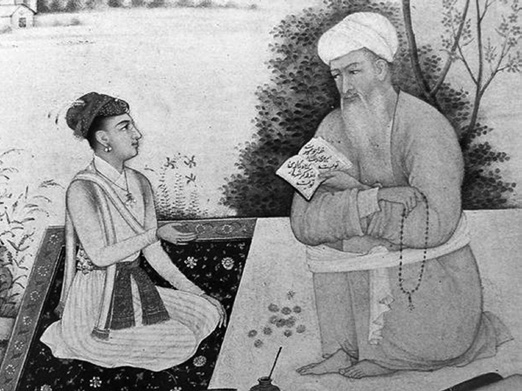
Important Sufi Terms in India
Sufi, Pir, Murshid: Designations for saints.
Murid: Followers of a Sufi saint
Khanqah: Refers to places where Sufis lived, akin to hospices.
Khalifa: Disciples or successors of a Sufi master.
Zikr: Recitation of God’s name as a form of remembrance.
Tauba: The act of repentance.
Fanaa: Spiritual merging with the Almighty.
Urs: Commemoration of a saint’s death, often celebrated annually.
Sama: Musical gatherings held in Sufi circles for spiritual purposes.
This period witnessed a complex amalgamation of the Islamic faith with local customs, influencing practices, architecture, and societal identities across various regions within the Indian subcontinent.
Historical Sources of Sufism
Textual Variety: Various texts originated from sufi khanqahs, encompassing treatises, conversations (Malfuzat), letters (Maktubat), and biographical accounts (Tazkiras). Examples include ‘Kashf-ul-Mahjub,’ ‘Fawa’id-al-Fu’ad,’ ‘Maktubat-i Imam Rabbani,’ and ‘Akhbar-ul-Akhyar.’
Purpose and Content: These texts served didactic purposes, imparting sufi thought,
experiences, and moral teachings. Tazkiras often aimed to glorify their orders, incorporating fantastic elements.
Origins and Characteristics of Sufism
Early Sufi Movement: Sufis emerged as a group protesting the growing materialism of the Caliphate, critical of rigid interpretations of the Qur’an
and traditions. They advocated intense devotion, love for God, following His commands, and emulating Prophet Muhammad’s example.
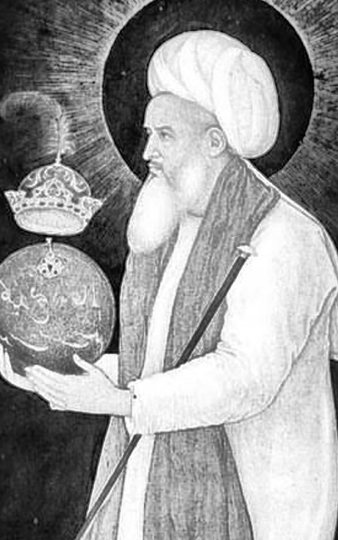
Spiritual Philosophy: Sufis sought a personal interpretation of the Qur’an, disregarding elaborate rituals and codes of behaviour prescribed by scholars. They aimed for a union with God, similar to a lover seeking their beloved, and expressed their feelings through poems and rich prose.
Reformist Movement: Emerged as a liberal reform within Islam, advocating love, service to humanity, and inner purity.
Focus on Love and Devotion: Sufis stressed love as the connection between God and the soul, advocating it as the path to salvation.
Practices: Emphasized meditation, repentance, prayers, pilgrimage, fasting, charity, and ascetic practices for self- discipline and closeness to God.
Influence and Spread of Sufism
Great Sufis: Influential Sufi figures like Ghazzali, Rumi, and Sadi emerged in Central Asia. Rumi preached that ‘God was in everyone’s heart,’ emphasizing the universality of spirituality.
Sufi Lineages and Settlement: Sufi lineages were named after founding figures or their place of origin. Several Sufis from Central Asia settled in Hindustan, establishing major Sufi centres. The Chishti order, with teachers like Khwaja Muinuddin Chishti and Khwaja Nizamuddin Auliya, was particularly influential.
Regional Impact: In Kashmir, the Rishi order, established by Sheikh Nuruddin Wali (Nund Rishi), profoundly impacted people’s lives, with shrines dedicated to Rishi saints across the region.
Notable Sufi Figures and Impact
Data Ganj Bakhsh: Abu’l Hasan al Hujwiri, settling in Lahore, authored ‘Kashf-ul-Mahjub’ to explain Sufi practices. His shrine in Lahore, revered as Data Darbar, became a pilgrimage site, symbolizing personal devotion to God.
Sufism’s rise, diverse textual contributions, spiritual philosophy, influential figures, and regional impact shaped a personal and profound devotion to God within the fabric of Islamic traditions.
Sufism’s Organizational Structure
Khanqah and the Spiritual Master: Sufis established hospices called ‘khanqah’ controlled by a teaching master (‘shaikh’, ‘pir’, or ‘murshid’) who enrolled disciples (‘murids’) and appointed successors (‘khalifa’).
Silkila: Spiritual genealogy (‘silsila’) linking the master to Prophet Muhammad, transmitting spiritual power and blessings to devotees.
Initiation Rituals and Tomb Shrines: Initiates underwent special rituals, and upon the master’s death, his tomb shrine (‘dargah’) became a centre of devotion, attracting pilgrims seeking blessings for material and spiritual gains.
Variations within Sufi Movements
Radical Mystic Movements: Some mystics rejected the conventional khanqah lifestyle, embracing mendicancy, celibacy, extreme asceticism,
and disregarding rituals. Known by various names like Qalandars and Madaris, they were considered ‘be-sharia’ due to their defiance of the sharia.
Chishti Order’s Influence in India
Chishtis in India: Among Sufis migrating to India in the late twelfth century, the Chishtis stood out for their adaptability to local traditions.
Shaikh Nizamuddin’s Centre: Shaikh Nizamuddin’s hospice in Delhi became a hub of social life. It hosted visitors of diverse backgrounds, offering services from discipleship to amulets for healing.
Cultural Assimilation: Practices assimilating local traditions, including bowing before the Shaikh, yogic exercises, and water offerings, were adopted. Shaikh Nizamuddin appointed successors, spreading Chishti teachings across the subcontinent.
Influence and Pilgrimage: The Chishti’s’ teachings’ rapid spread attracted pilgrims to Shaikh Nizamuddin’s shrine and those of his spiritual predecessors.
Khwaja Moinuddin Chishti’s Shrine
Significance: Known as “Gharib Nawaz”(comforter of the poor), the shrine gained prominence due to the austerity of its Shaikh, the greatness of spiritual successors, and patronage from royal visitors.
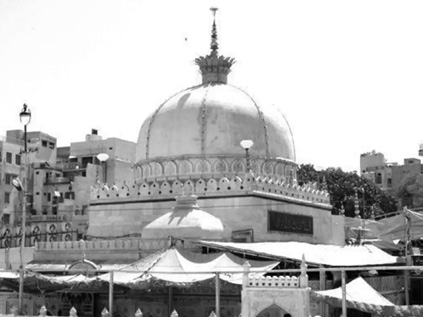
Popularity and Patronage: The shrine’s popularity grew due to its location on a major trade route, attracting travellers and visits from rulers like Muhammad bin Tughluq and Sultan Ghiyasuddin Khalji. Emperor Akbar visited the tomb multiple times, seeking blessings for various purposes, making generous offerings, and even facilitating pilgrims’ needs by constructing facilities like a cauldron and a mosque.
Devotional Practices: Ziyarat and Qawwali
Ziyarat: Pilgrimage rituals include the use of music and dance, and pilgrims singing spiritedly while travelling to Ajmer, inspiring Akbar’s visits.
Qawwali: Sufis used music (Sama) or mystical chants performed by trained musicians (Qawwals) to evoke divine ecstasy.
• Amir Khusrau, a disciple of Shaikh Nizamuddin Auliya, introduced Qawwali hymns, combining Sufi poetry in multiple languages during these performances.
Other Chishti Shrines and Their Rituals
Distinctive Features: Each shrine had unique characteristics. The shrine of Nasiruddin Chiragh-i Dehli, as described by a visitor, attracted a diverse population on Sundays during Diwali, where people, irrespective of religious backgrounds, visited, bathed in the spring tank for cures, and engaged in merrymaking.
Language and Communication in Chishti Order
Adoption of Local Languages: The Chishtis conversed in Hindavi in Delhi and composed verses in local languages. Baba Farid’s verses were incorporated into the Guru Granth Sahib, and various poetic forms like ‘Manasvis,’ ‘Padmavat,’ and Dakhani poetry were used to express divine love.
Sufi Influence in Regional Traditions: In Bijapur, Karnataka, Chishti Sufis composed short poems in Dakhani, sung by women during household chores. These compositions, including lullabies and wedding songs, were inspired by the pre-existing bhakti traditions of the region.
SILSILAS: SUFI ORDERS AND STRUCTURES
Organization: By the 12th century, Sufis were organized into 12 orders (Silsilas) led by prominent mystics in hospices (Khanqahs).
Teacher-Disciple Bond: Integral to the Sufi system, each teacher (pir or murshid) nominated a successor (wali) to continue their work.
Centres of Learning: Khanqahs became significant centres for learning, spiritual discourse, and musical congregations (sama or qawwali).
Popular Orders: Chistis, Suhrawardis, Qadririyas, and Naqshbandis were among the most renowned and widespread Silsilas.
Sufism in India synthesized various spiritual and cultural elements, evolving into a diverse movement that focused on inner spirituality, love, and devotion while incorporating indigenous practices and beliefs.
The Chisti Silsila in India
Origin and Founders
Khwaja Muin-ud-din Chisti (Gharib Nawaz): Established the Chisti order in India around 1192 CE, initially residing in Lahore and Delhi before settling in Ajmer, a prominent political centre with a significant Muslim population.
Posthumous Influence: After Khwaja Chisti’s passing in 1235 CE, his grave attracted attention, with Sultan Muhammad Tughlaq and later Mahmud Khalji contributing to the construction of the mosque and dome, elevating the dargah’s significance.
Patronage and Growth: Sultanate ruler Iltutmish, followed by Mughal Emperor Akbar, provided
substantial patronage to the Chisti dargah, expanding its influence.
Prominent Figures
• Farid-ud-din Ganj-i-Shakar (Baba Farid): Focused activities in Hansi and Ajodhan, displaying broad and humane perspectives reflected in verses quoted in the Sikh Adi Granth.
• Nizamuddin Auliya: Lived from 1238 to 1325 CE.
• Nasiruddin Chiragh-i-Dehlavi.
• Sheikh Burhanuddin Gharib: Established the Chisti order in the Deccan in the 13th century.
• Muhammad Banda Nawaz: Active in the Bijapur region of the Deccan.
Philosophies and Practices
Simple Lifestyle: Chisti saints led austere lives, conversing in Hindawi, their local dialect. They showed minimal interest in conversions but were attributed with conversions through their “good wishes.”
Spiritual Techniques: Adopted musical recitations known as sama to foster closeness to God. Nizamuddin Auliya was known for practising yogic breathing exercises, earning the title “Sidh” from yogis.
Political Disengagement: Preferred staying apart from state politics and avoided associations with rulers and nobles, focusing on spiritual pursuits.
The Chisti Silsila in India flourished through its emphasis on simplicity, spirituality, and its ability to connect with people through music and practices aimed at spiritual closeness to the divine. Its prominent saints left a lasting legacy, influencing spiritual thought and practice across regions.
The Suhrawardi Silsila in India
Origins and Activities
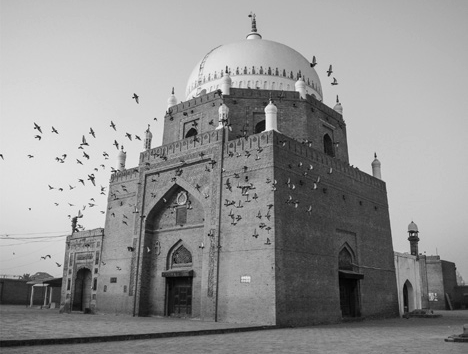
Founding and Spread: Founded by Shihabuddin
Suhrawardi in Baghdad, the Suhrawardi order entered India around the same time as the Chisti order. Its primary activities were concentrated in Punjab and Multan.
Establishment in India: Bahauddin Zakariya is credited with establishing the Suhrawardi order in India.
Engagement in Politics: In contrast to the Chistis, the Suhrawardis actively
engaged in politics, accepting maintenance grants from the Sultans and participating in political affairs.
Beliefs and Practices
Attributes of a Sufi: Suhrawardis believed a Sufi should possess three attributes: property, knowledge,
and mystical enlightenment (hal). They advocated a combination of scholarship (ilm) and mysticism but did not encourage extreme austerities or self-mortification.
The Naqshbandi Silsila in India
Establishment and Propagation
• Founding Figures: Established in India by Khwaja
Bahauddin Naqshbandi and later continued by his successors, Sheikh Baqi Billah and Sheikh Ahmad Sirhindi (1563 1624).
• Meditative Practices: Known as “silent Sufis,” they focused on silent meditation of the heart as a key practice.
Spiritual Beliefs and Stance
• Divine Relationship: Unlike the Chistis, the Naqshbandis believed in the relationship between man and God as that of a slave and master, contrasting with the Chistis’ belief in a relationship between a lover and the beloved.
• Adherence to Shariah: They strictly observed Shariah law and denounced religious innovations (biddats), holding conservative views against liberal policies like Akbar’s elevation of non-Muslims, the abolition of jizya, and the prohibition of cow slaughter.
• Stance on Practices: Opposed practices like sama (religious music) and the pilgrimage to saints’ tombs.
Successors and Divergent Approaches
After Sirhindi: Following Sirhindi’s death, the order was represented by two key mystics, each with distinct approaches: Shah Waliullah, advocating a conservative stance, and Mirza Mazhar Jan-i-Jahan, representing a more liberal approach.
The Qadri Silsila in India
• Founders and Prominent Figures: Established during Mughal rule by Sheikh Abdul Qadir and his sons, Sheikh Niamatullah, Mukhdum Muhammad Jilani, and Miyan Mir. Shah Badakhshani was another renowned saint within this order.
• Geographical Influence: The Qadri order gained popularity mainly in Punjab. Notable individuals like Mughal Princess Jahanara and her brother Dara were disciples of this silsila.
• Beliefs: Qadris subscribed to the concept of Wahdat-al-
Wajood, denoting the “Unity of Existence” or “Unity of Being,” wherein God and His creation were perceived as one and similar. They tended to dismiss orthodox elements in their beliefs.
Impact of Sufism
Political, Cultural, and Social Influence: Sufism wielded significant influence across rural and urban regions, impacting politics, culture, and society. It prompted a pursuit of spiritual fulfilment, allowing people to oppose orthodoxy, falsehood, religious formalism, and hypocrisy. Sufis sought to bring peace and harmony to a conflict-ridden world.
Unity between Communities: A crucial contribution of Sufism was fostering solidarity and brotherhood between Hindu and Muslim communities. Sufi saints, revered by both Muslims and Hindus, attracted followers from both communities, turning their tombs into shared places of pilgrimage.
Sufis and the State: Cooperation and Conflict
Cooperation: Despite advocating austerity and maintaining distance from worldly power, the Chishtis accepted unsolicited grants from political elites, setting up charitable trusts and receiving tax-free land. However, some Sufis, like Nizamuddin Auliya and Shaikh Fariduddin, refused significant land and provisions offered by rulers, focusing instead on immediate requirements.
Moral Authority and Popularity: Sufis’ piety, scholarship, and miraculous reputation attracted people from diverse backgrounds, enhancing their moral authority. Kings sought their support and legitimization, believing that Sufis could intercede with God for material and spiritual benefits.
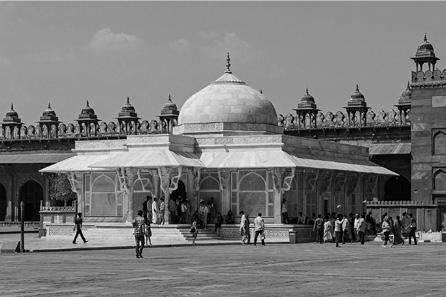
Association with State: Chishti Sufis were closely associated with rulers, as seen in the construction of dargahs like Shaikh Salim Chishti’s in Fatehpur Sikri, symbolizing the bond between Chishtis and the Mughal state. Other Sufi orders like Suhrawardi and Naqshbandi had different modes of association, sometimes accepting courtly offices.
Conflicts: Instances of conflict arose between Sultans and Sufis due to rituals expected by both parties, such as prostration and the use of titles like ‘Sultan among shaikhs’ for Sufi leaders, signifying conflicting assertions of authorit